

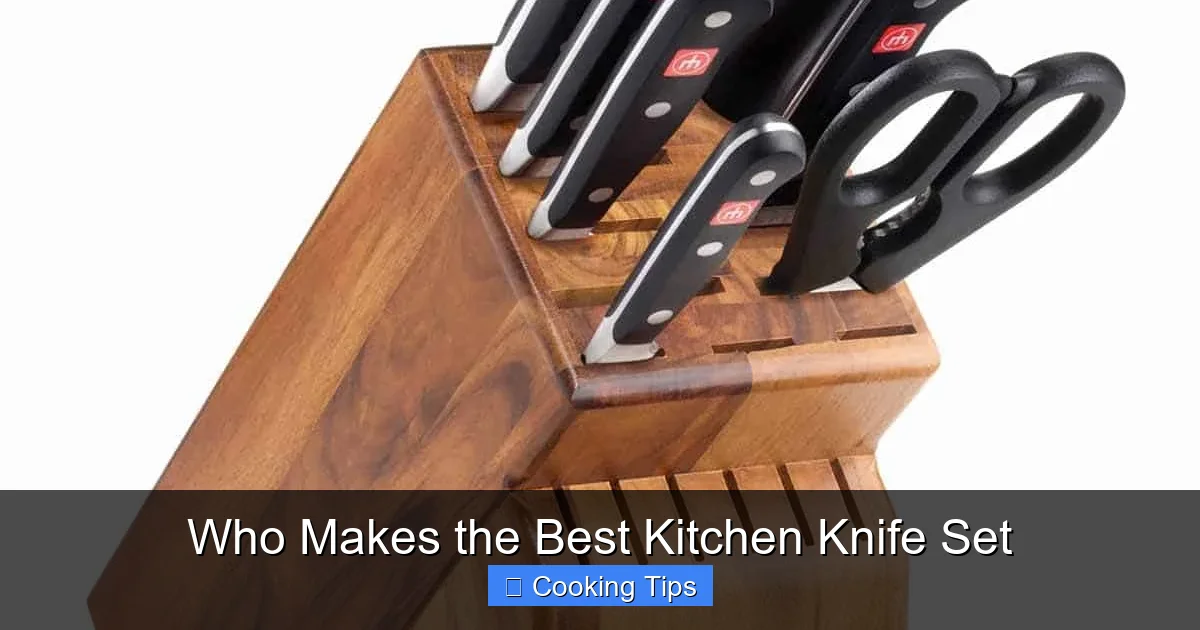
Navigating the world of kitchen knife sets can be overwhelming, but this guide simplifies the process. We’ll explore what makes a knife set truly “best” in 2026, covering material, design, and your specific cooking style. By the end, you’ll be equipped to make an informed decision, ensuring your kitchen is outfitted with tools that are both functional and a joy to use.
Key Takeaways
- Understanding Your Needs is Paramount: The “best” kitchen knife set is subjective and depends heavily on your cooking habits, skill level, and what you typically prepare in the kitchen.
- Material Matters for Durability and Performance: High-carbon stainless steel is the gold standard for kitchen knives, offering a balance of sharpness, edge retention, and rust resistance.
- Blade Construction: Forged vs. Stamped: Forged knives are typically more durable and have a better balance due to being made from a single piece of steel, while stamped knives are often more affordable.
- Handle Ergonomics and Comfort are Crucial: A comfortable and secure grip is essential for safety and control while chopping, slicing, and dicing.
- The Importance of Essential Knives: A good starter set usually includes a chef’s knife, paring knife, and serrated bread knife. Beyond that, consider your specific needs.
- Budget Considerations: Invest Wisely: While expensive doesn’t always mean better, investing in a quality set from a reputable brand will likely yield better results and longevity.
- Brand Reputation and Reviews: Leverage Collective Experience: Look for brands with a long history of quality craftsmanship and read user reviews to gauge real-world performance and durability.
Who Makes The Best Kitchen Knife Set? Your 2026 Guide to Culinary Mastery
Welcome, home chefs and aspiring gourmands, to your ultimate guide for finding the perfect kitchen knife set in 2026! So, you’re wondering, “Who makes the best kitchen knife set?” That’s a fantastic question, and the answer isn’t a single brand, but rather a journey of discovery tailored to *you*. In the fast-paced world of culinary tools, the “best” can change, but understanding the fundamentals of what makes a great knife set will equip you for years to come.
This guide will demystify the jargon, break down the essential features, and help you pinpoint the kitchen knife set that will elevate your cooking experience. We’ll dive into what sets make a true difference, from the steel they’re forged from to the comfort of their handles. By the end of this article, you’ll have the confidence to choose a set that not only looks good on your counter but also performs beautifully, making every chop, slice, and dice a pleasure.
1. Define Your Culinary Needs: The Foundation of Your Search
Before we even look at brands, let’s talk about you! What kind of cook are you? What do you love to make? Answering these questions is the most crucial step in finding the best kitchen knife set.
How Often Do You Cook?
If you cook daily, you’ll want a durable set that can withstand frequent use. If you’re more of a weekend warrior, you might have a little more flexibility. But even for occasional use, quality matters.
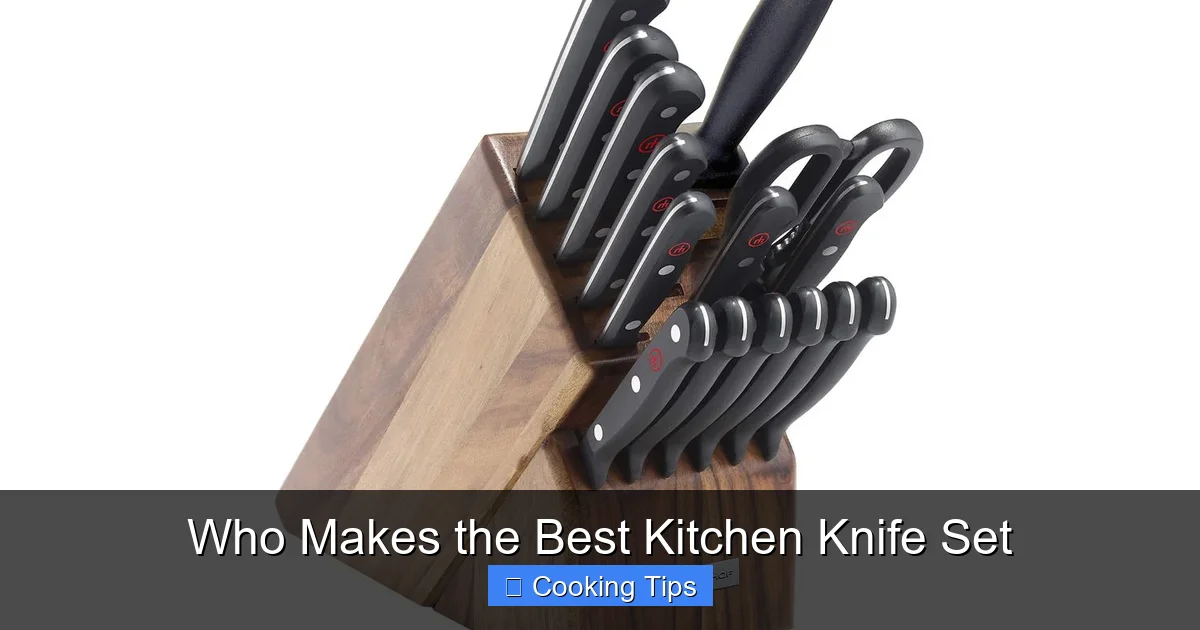
Visual guide about Who Makes the Best Kitchen Knife Set
Image source: bhg.com
What Types of Foods Do You Prepare?
Do you dice mountains of vegetables? Are you constantly slicing delicate fish? Do you bake a lot of bread? Different knives excel at different tasks. A set that covers your most common needs is key.
What’s Your Skill Level?
As a beginner, a few essential, high-quality knives might be better than a sprawling set with many tools you won’t use. As you gain experience, you can always add to your collection.
What’s Your Budget?
Kitchen knife sets range from under $100 to well over $1000. Setting a realistic budget upfront will help narrow down your options significantly.
2. Deciphering Knife Set Components: What’s Inside Matters
A “kitchen knife set” isn’t just a collection of knives; it’s a carefully curated assortment designed to handle a variety of tasks. Understanding what each knife is for will help you choose a set that’s right for your kitchen.
The Essential Trio: Your Go-To Knives
- Chef’s Knife: This is the workhorse of your kitchen. Typically 8 inches long, it’s perfect for chopping, dicing, and mincing. It’s the most important knife in any set.
- Paring Knife: Small and nimble, the paring knife (usually 3-4 inches) is ideal for intricate tasks like peeling, trimming, and hulling small fruits and vegetables.
- Serrated Knife (Bread Knife): With its saw-like edge, this knife effortlessly slices through bread without crushing it. It’s also great for tomatoes, citrus, and other foods with tough skins.
Beyond the Basics: What Else Might Be Included?
Many sets go beyond these essentials. Here are some other common inclusions and what they’re for:
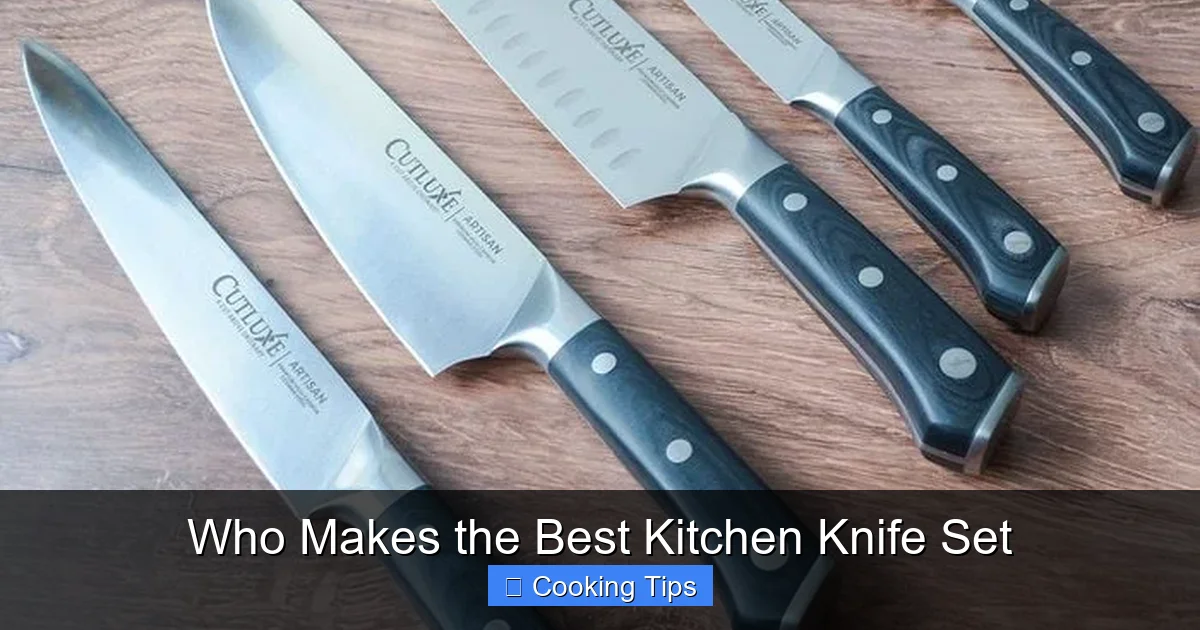
Visual guide about Who Makes the Best Kitchen Knife Set
Image source: tasteofhome.com
- Utility Knife: A medium-sized knife, larger than a paring knife but smaller than a chef’s knife. It’s versatile for slicing smaller roasts, sandwiches, and larger vegetables.
- Santoku Knife: A Japanese-style chef’s knife, often with a straighter edge and granton edge (dimples) to prevent food from sticking.
- Boning Knife: Thin and flexible, designed for separating meat from bones.
- Fillet Knife: Similar to a boning knife but even more flexible, perfect for filleting fish.
- Cleaver: A heavy, broad blade used for chopping through bone or hard vegetables.
Tip: Don’t get swayed by a set just because it has many knives. Focus on the quality of the core knives you’ll actually use.
3. Material Breakdown: The Heart of a Great Knife
The steel used in a knife’s blade is arguably the most critical factor in its performance, durability, and longevity. In 2026, certain materials continue to reign supreme.
High-Carbon Stainless Steel: The Gold Standard
This is the material you’ll find in most reputable kitchen knife sets. It’s a fantastic balance:
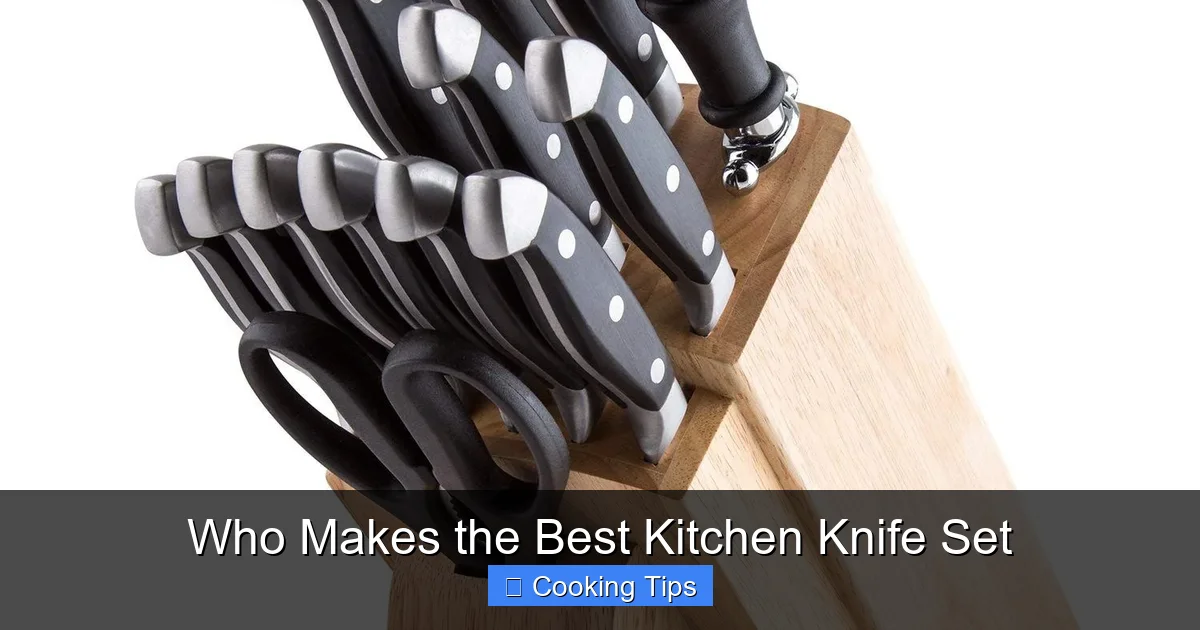
Visual guide about Who Makes the Best Kitchen Knife Set
Image source: i.pinimg.com
- High-Carbon: This element gives the steel its hardness, allowing it to hold a sharp edge for longer.
- Stainless Steel: This alloy contains chromium, which prevents the blade from rusting and corroding.
Knives made from high-carbon stainless steel are relatively easy to sharpen and maintain their edge well. Brands often use specific proprietary blends, so looking into the exact steel composition can be beneficial.
Blade Construction: Forged vs. Stamped
This refers to how the knife blade is made:
- Forged Knives: These are made from a single piece of steel that is heated and hammered into shape. They are generally more durable, have a better balance (often due to a bolster, a thick ring between the blade and handle), and can be sharpened to a finer edge. Forged knives are typically more expensive.
- Stamped Knives: These are cut from a large sheet of steel using a die, much like a cookie cutter. They are usually less expensive, lighter, and may not have the same level of durability or balance as forged knives. However, high-quality stamped knives can still be excellent performers.
4. Handle Haven: Comfort, Grip, and Durability
A knife is only as good as its handle, especially when it comes to comfort and safety. A poor handle can lead to fatigue and even accidents.
Handle Materials:
- Wood: Offers a classic, warm look and feel. However, it can be porous, absorb moisture, and require more maintenance (oiling). Some modern wood composites are more durable.
- Plastic/Polymer: Durable, water-resistant, and easy to clean. Can sometimes feel less premium.
- Metal (Stainless Steel or Aluminum): Very durable and hygienic. Can be slippery if not textured properly.
- Composite Materials: Many brands use proprietary composite materials that offer excellent grip, durability, and hygiene.
Ergonomics and Balance:
When you hold a knife, it should feel like an extension of your hand. The weight should be balanced, and the handle should provide a secure, non-slip grip, even when wet. A well-designed handle will have subtle contours that fit comfortably in your palm.
Practical Tip: If possible, try to hold the knives before buying. Feel the weight, the balance, and how the handle fits in your hand. This is crucial for long-term satisfaction.
5. Brand Spotlight: Reputable Makers in 2026
While personal preference is key, certain brands have consistently produced high-quality kitchen knife sets year after year. Here are a few names to consider in 2026, known for their craftsmanship and reliability.
Global
Known for their distinctive, all-stainless steel construction and ergonomic dimpled handles. Global knives are lightweight, perfectly balanced, and incredibly sharp.
Wüsthof
A German brand with a long tradition of excellence. Wüsthof knives are renowned for their durability, sharpness, and classic design, often featuring forged blades and comfortable handles.
Shun
A leader in Japanese cutlery. Shun knives are celebrated for their exquisite craftsmanship, often featuring beautiful Damascus steel patterns and razor-sharp edges designed for precision.
Zwilling J.A. Henckels
Another highly respected German brand, Zwilling offers a wide range of knife sets, from entry-level to professional. They are known for their high-quality steel and robust construction.
Victorinox
Famous for their Swiss Army Knives, Victorinox also produces excellent, affordable kitchen knives. Their Fibrox handles are legendary for grip and durability.
Research Tip: When looking at brands, check their warranty. A good warranty is a sign of a manufacturer’s confidence in their product.
6. Considering Knife Blocks and Storage
How will you store your new knives? Most sets come with a block, a magnetic strip, or a roll.
Knife Blocks:
These are a classic and convenient way to store knives. They keep blades protected and readily accessible. Ensure the slots are appropriately sized for your knives and that they don’t dull the edges when inserted or removed.
Magnetic Strips:
A space-saving option that displays your knives. Make sure you have a strong magnet to hold them securely. It’s important to place knives carefully on the strip to avoid damaging the edges.
Knife Rolls/Cases:
Ideal for chefs on the go or for those with limited counter space. They protect knives during transport and storage.
Safety First: Whichever storage method you choose, ensure it’s safe and keeps the sharp blades out of reach of children.
7. The “Best” is Subjective: Finding Your Perfect Fit
So, who makes the best kitchen knife set? It’s the set that feels right in your hands, performs exceptionally for *your* cooking style, and fits within your budget. Don’t chase the most expensive option or the one with the most pieces if it doesn’t align with your needs.
Practical Examples:
- The Home Baker: Might prioritize a high-quality bread knife and a versatile chef’s knife, perhaps skipping a specialized boning knife.
- The Aspiring Gourmet: Might invest in a set with a chef’s knife, paring knife, and utility knife from a premium brand, focusing on precision and edge retention.
- The Busy Family Cook: Could benefit from a durable, easy-to-clean set with a good all-around chef’s knife and a sharp serrated knife, perhaps from Victorinox or Zwilling.
Troubleshooting Common Knife Set Concerns
* Knives are dulling too quickly: This could be due to poor quality steel, improper sharpening techniques, or using the wrong cutting surface (avoid glass or metal). Invest in a good sharpening steel or whetstone and use a wooden or bamboo cutting board.
* Handles feel uncomfortable: This is a personal fit issue. If possible, return or exchange the set. Otherwise, consider adding grip tape or using gloves for extended use.
* Rust spots appear: Even stainless steel can rust if left wet or in contact with corrosive substances for too long. Wash and dry knives immediately after use. For minor spots, a non-abrasive cleaner and a bit of elbow grease should work.
Conclusion: Invest in Your Culinary Journey
Choosing the best kitchen knife set in 2026 is an investment in your passion for cooking. It’s about equipping yourself with tools that empower you to create, experiment, and enjoy every moment in the kitchen. By understanding your needs, exploring materials and construction, and considering reputable brands, you’re well on your way to finding a set that will serve you faithfully for years to come. Happy chopping!
