
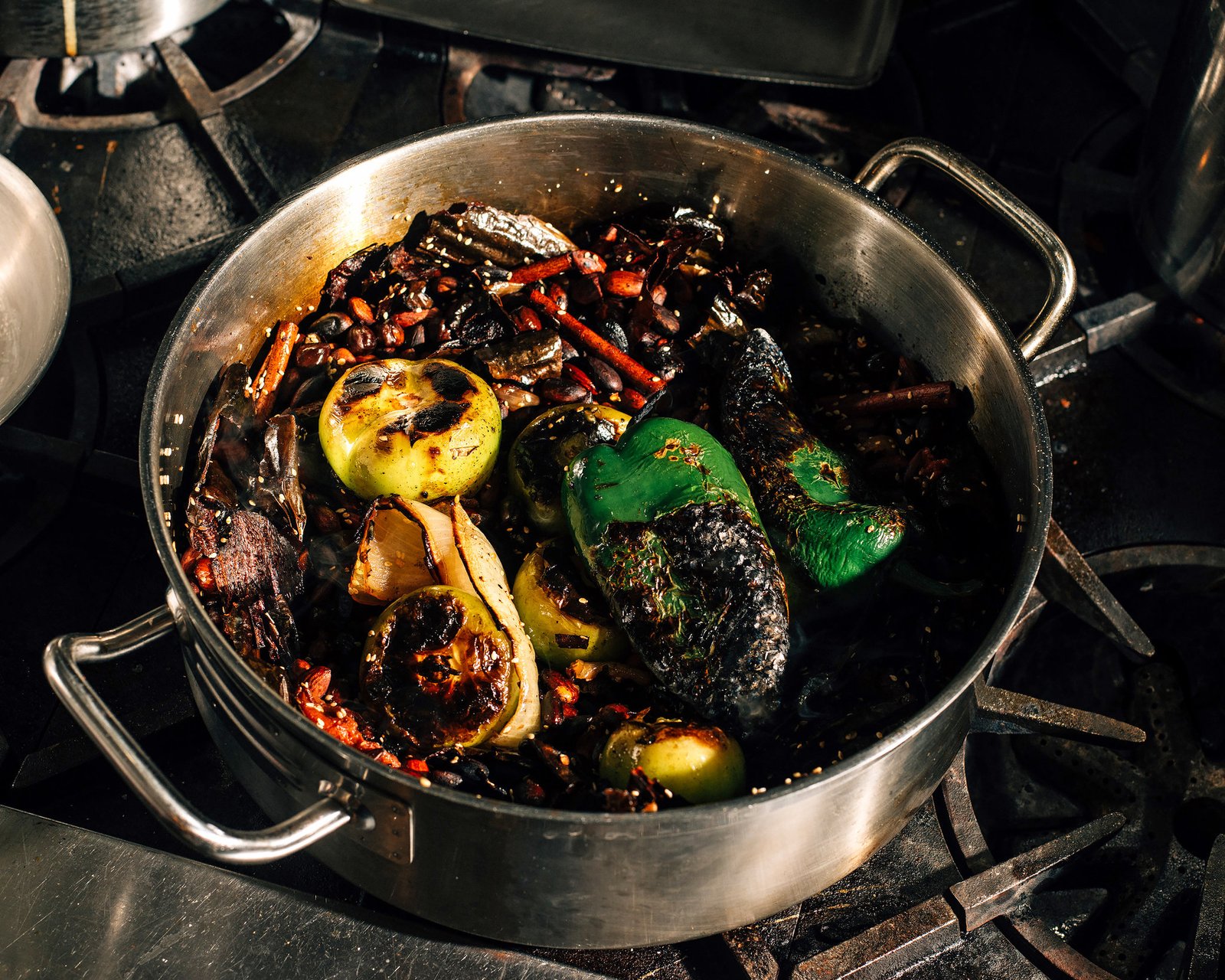
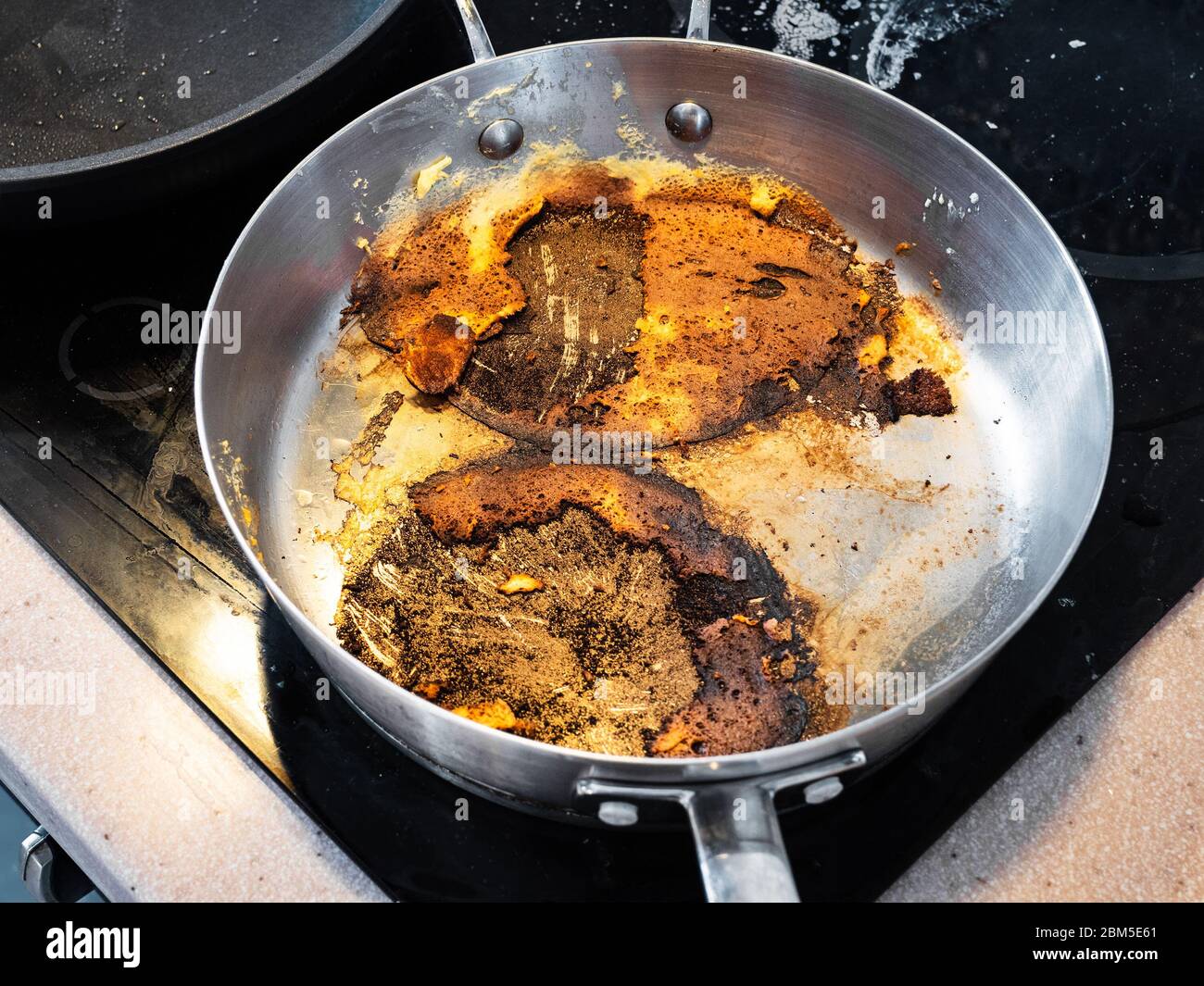
Food burns when too much heat, too little moisture, or direct contact with hot surfaces.
I have cooked professionally and at home for years, so I understand why food burns while cooking. This article breaks down the physics, chemistry, and common mistakes that cause burning. I will share clear tips you can use tonight to stop food from burning and save meals and money.

Common causes of why food burns while cooking
Food burns for a few simple reasons. Heat overwhelms the food. Moisture is lost or absent. Sugars and proteins hit very high temperatures and char. Starch and thin sauces scorch on hot pans.
- High heat. Excessive temperature quickly blackens food.
- Low moisture. Dry food heats unevenly and chars.
- Thin pans. Poor heat distribution creates hot spots.
- Crowded pans. Crowding traps steam or forces longer contact with hot metal.
- Wrong oil. Oils with low smoke points break down and burn.
- Sugary coatings. Sugar caramelizes then burns fast.
- Neglect. Leaving food unattended lets it overcook and burn.
I use these causes to diagnose stove problems when I cook. Spotting the root cause stops burning fast.
How heat transfer explains why food burns while cooking
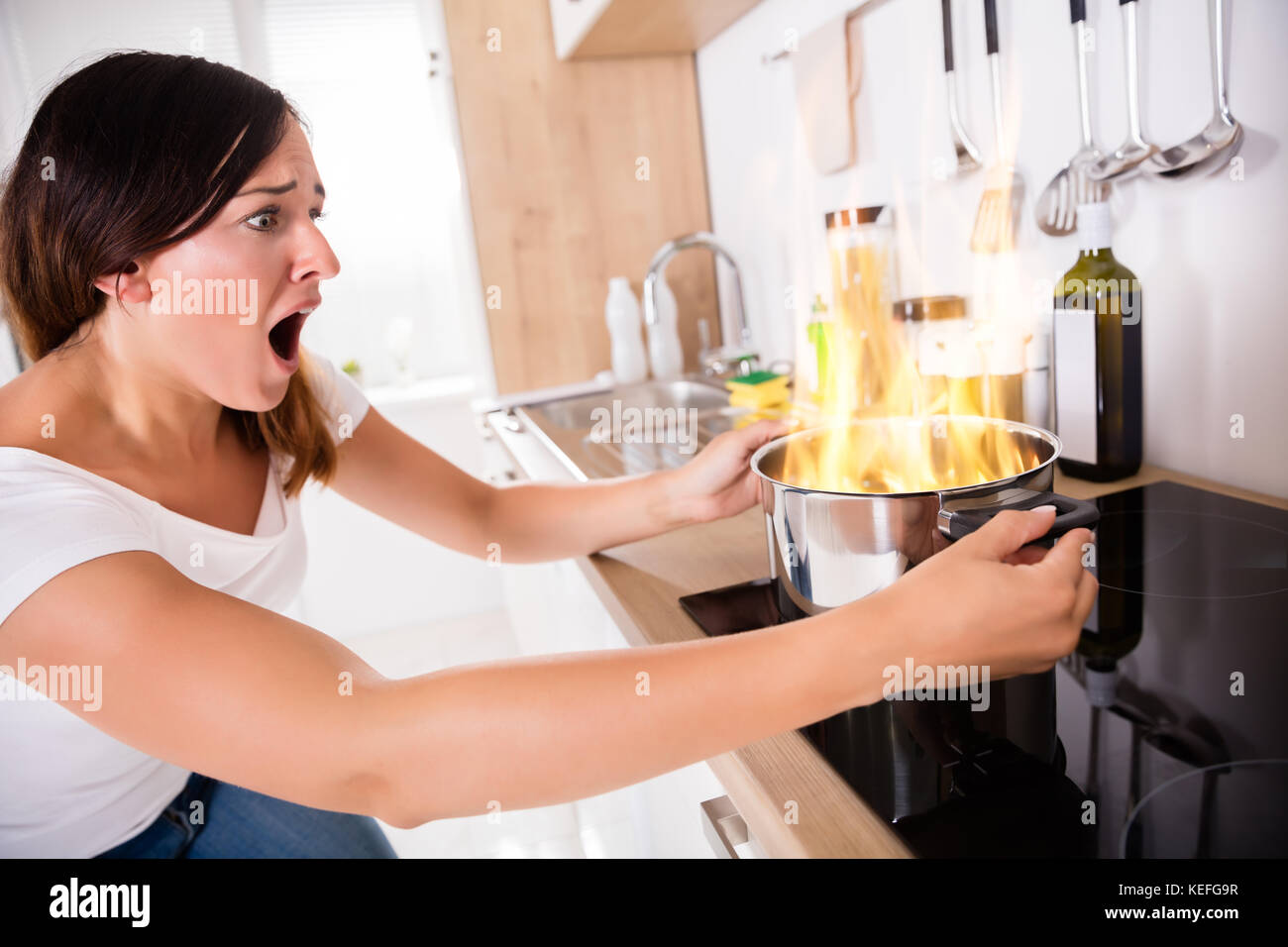
Heat moves by conduction, convection, and radiation. A pan conducts heat to food. Hot oil or air transfers heat faster than water. Food burns when local temperature passes the point where molecules break down.
- Conduction. Metal pan to food. Thin spots heat faster.
- Convection. Hot air or oil circulates heat. Deep fry gives even high heat.
- Radiation. Broilers and grills use direct radiant heat and can char surfaces.
- Smoke point. Oils start to smoke, then burn, at a set temperature.
- Caramelization and Maillard. Both are flavor steps before burning.
When you know how heat moves, you can control it. Turn down the flame. Use lids. Move food off direct heat if it browns too fast.
Ingredient chemistry: why food burns while cooking
Chemistry explains the color and taste of burned food. Sugars caramelize at 320°F (160°C) then darken to burn. Proteins undergo Maillard reactions around 285–330°F (140–165°C) and then char. Above about 400°F (204°C), pyrolysis breaks molecules into carbon and ash.
- Sugars. Burn quickly and give a bitter, black crust.
- Proteins. Brown for flavor then turn bitter if overcooked.
- Starches. Can stick and scorch on hot surfaces.
- Fats. Low-smoke oils break down into acrolein and dark residues.
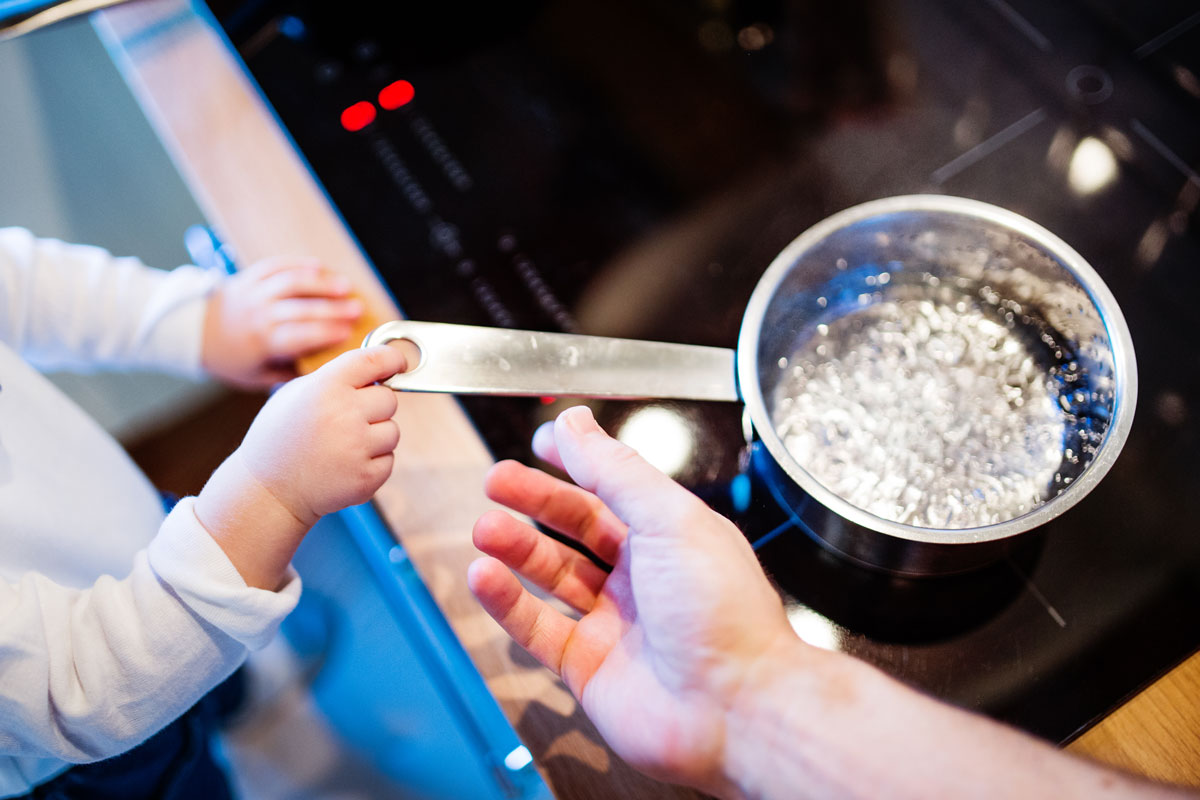
- Water content. Steam keeps food temperature near 212°F (100°C). When water is gone, temperature rises fast and burning follows.
I once left onions on high heat. They went from sweet and brown to bitter and black in 30 seconds once the pan dried. That taught me to add a splash of water and lower the heat.
Practical tips to prevent why food burns while cooking
Small tweaks stop most burning. Use these practical steps at home.
- Choose the right pan and size
- Use heavy pans for even heat. Avoid thin metal on high flame.
- Control heat
- Start hot to sear, then lower heat to finish gently.
- Add moisture when needed
- A splash of broth or water slows burning for sauces and veg.
- Match oil to cooking method
- Use high-smoke oils for high heat and low-smoke oils for gentle cooking.
- Use a thermometer and timer
- Heart temperatures and time reduce guesswork.
- Stir and flip often for thin foods
- Move food to avoid long contact with hot spots.
- Avoid overcrowding pans
- Give food room so it cooks evenly.
- Preheat properly
- Bring pans and oil to correct temp before adding food to avoid sticking and burning.
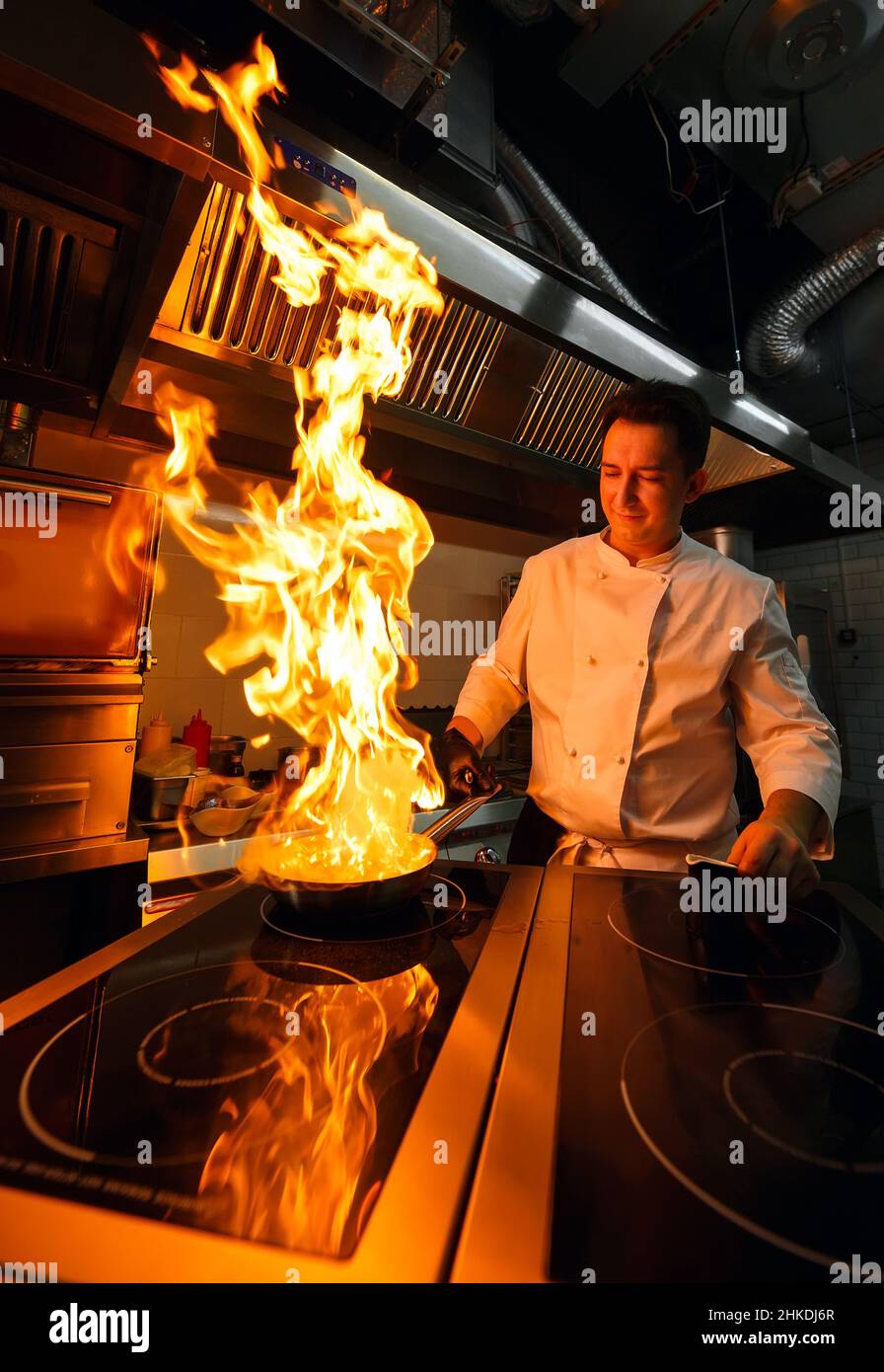
I recommend testing heat with a drop of water. If it dances, you're close to searing heat. If it instantly vaporizes and smokes, lower the heat.
Common mistakes that lead to why food burns while cooking
Here are frequent errors and easy fixes.
- Using very high flame all the time. Fix: lower heat after searing.
- Adding cold food to a low-temp pan. Fix: preheat pan, or let food warm slightly.
- Using butter alone at high heat. Fix: blend butter with oil or use clarified butter.
- Not monitoring sauces. Fix: stir and reduce heat; use a lid if splatter is an issue.
- Cutting food unevenly. Fix: cut uniform pieces for even cooking.
I once tried a quick weeknight stir-fry and added too much sugar early. It stuck to the wok and burned. Now I add sweet glazes near the end.

When burned food is safe and when to discard it
Light browning often just changes flavor. Deep black char may contain harmful compounds like acrylamide and polycyclic aromatic hydrocarbons. Small burnt edges can be trimmed. Heavily burnt food should be tossed, especially charred meat or bread.
- Light browning. Safe and tasty in many cases.
- Heavy charring. Trim or discard to avoid bad taste and health risk.
- Burned oil. Throw out and start fresh; do not reuse burnt oil.
- Taste check. If it smells acrid and tastes bitter, do not eat.
Be mindful when cooking weekly meals. A small error can ruin a whole batch. Better to slow down and cook at the right temp.
Frequently Asked Questions of why food burns while cooking
Why does food burn more easily on cast iron?
Cast iron holds heat, so hot spots stay hot. If the pan is too hot or not oiled well, food can burn fast.
Can I save slightly burnt sauce?
Yes. Remove the unburned sauce from the top and avoid scraping the pan bottom. Add fresh liquid and simmer gently to mellow the taste.
Why does rice burn at the bottom of the pot?
Rice can burn when water boils off and heat stays high. Use the correct water ratio, lower the heat, and use a tight lid.
Does using a nonstick pan reduce burning?
Nonstick pans help with sticking but not with overheating. Nonstick can still burn food if the temperature is too high.
How does sugar affect why food burns while cooking?
Sugar caramelizes quickly and can go from brown to black fast. Add sugary glazes late to prevent burning.
Conclusion
Food burns when heat, surface contact, moisture loss, and chemistry line up against you. Learn how heat moves and how ingredients react. Use the right pan, control heat, add moisture, and watch food closely. Try one tip tonight and you will keep more meals from burning. Share your own kitchen wins or questions below, and subscribe for more simple, proven cooking fixes.
