

Uneven cooking happens because heat, time, and design do not reach all parts of the food equally.
I have spent years cooking, testing, and writing about kitchen science. I know why food cooks unevenly and how to fix it. Read on for clear, practical solutions you can use tonight.
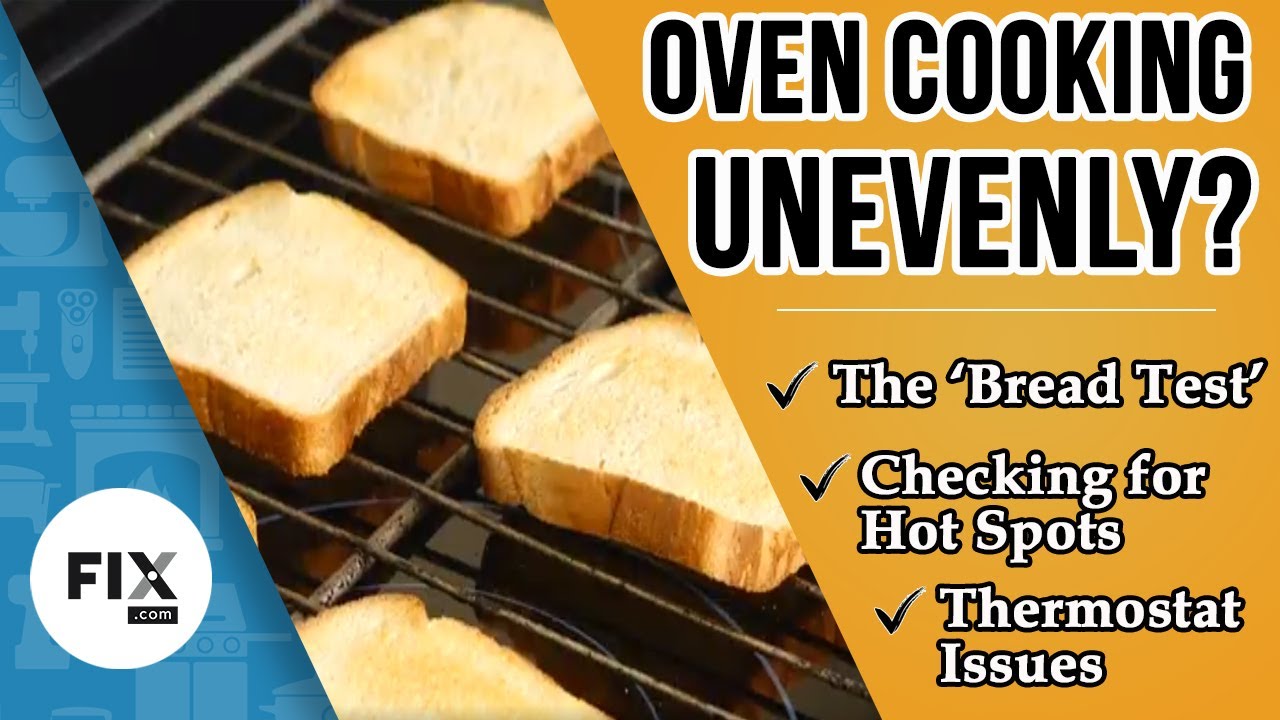
Common causes of why food cooks unevenly
Heat source mismatch. Burners, oven elements, and grills do not always give even heat. Some spots get hotter. Other spots stay cool. This leads to uneven cooking.
Cookware and material. Thin pans heat fast and unevenly. Thick pans hold heat but can have hot spots. Warped pans make contact uneven. The type of pan matters for why food cooks unevenly.
Food size and shape. Thick pieces take longer to cook than thin ones. Irregular shapes cook at different rates. Stacking or crowding changes airflow and heat transfer. These factors explain why food cooks unevenly.
Placement and spacing. Food crowded on a tray blocks air flow. Items too close to one another keep steam and stay wet. Proper spacing matters a lot for why food cooks unevenly.
Temperature and timing. Not preheating or using the wrong heat leads to uneven doneness. Opening the oven too often changes the temperature. Timing must match the method to avoid why food cooks unevenly.
Equipment problems. Old ovens, uneven pans, and faulty thermometers hurt results. Microwave turntables that don’t turn or low power cause cold spots. Equipment matters in why food cooks unevenly.

How different cooking methods influence uneven cooking
Stovetop pans. Direct flame or electric coils heat spots on the pan. Stirring and flipping help even things out. Use a pan that fits the burner for better heat spread.
Oven roasting and baking. Hot spots are common in ovens. Rotating trays helps. Use a thermometer to find oven accuracy and reduce why food cooks unevenly.
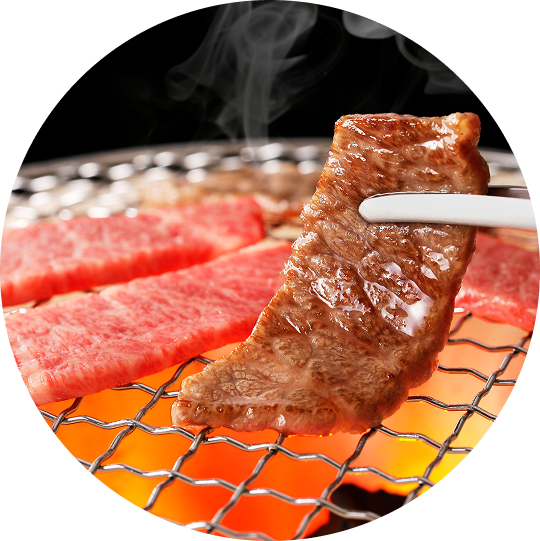
Grilling. Grill grates have hot zones and cooler zones. Thicker cuts develop crusts while centers stay raw. Move food between zones to balance heat and avoid why food cooks unevenly.
Microwave. Microwaves heat unevenly due to standing waves. Turntables and stirring help. Adding a rest time lets heat spread and reduces why food cooks unevenly.
Sous-vide. Sous-vide gives very even heat but needs proper vacuum sealing. Uneven sealing or too much air leads to uneven cooking at the edges. This method highlights how uniform heat prevents why food cooks unevenly.
Practical tips to fix why food cooks unevenly
Start with good gear. Use heavy-bottom pans for even heat. Choose oven-safe racks and trays that let air flow. A reliable thermometer helps a lot.
Preheat and set correct temps. Always preheat oven and pans. Give the pan time to reach stable heat. This reduces why food cooks unevenly.
Match sizes. Cut food into similar sizes. This evens cook times. For example, cut vegetables into uniform pieces to avoid why food cooks unevenly.
Avoid crowding. Leave space between pieces. Use multiple trays if needed. Crowding traps steam and causes uneven cooking.
Rotate and flip. Turn pans and food halfway through cook time. Rotate trays in the oven for even exposure. Flip meats for balanced browning.
Adjust heat and placement. Lower heat for thicker cuts to allow transfer to the center. Move food away from hot edges in ovens and grills. These moves address why food cooks unevenly.
Use moisture control. Pat food dry for browning. Add lids when you want even heat and moisture. Steam can both help and hurt evenness depending on the dish.
Check with thermometers. Use an instant-read probe for meats and hot dishes. Relying on time alone risks why food cooks unevenly. Probe in the thickest part to check doneness.
Finish with resting time. Let meat rest after cooking. Heat moves inward during rest, reducing temperature gaps. This helps fix why food cooks unevenly for proteins.

Troubleshooting by food type
Meat and poultry. Thick cuts often look done on the outside but are raw inside. Use lower heat and a probe. Sear for color, then finish at a steady temp to avoid why food cooks unevenly.
Vegetables. Dense roots need longer heat than leafy greens. Roast roots on a lower rack or pre-boil them a bit. Cut pieces to a similar size to combat why food cooks unevenly.
Baked goods. Uneven rise and browning often come from hot spots and wrong pan size. Use the middle rack and rotate pans. Choose pans with good heat conductance to reduce why food cooks unevenly.
Casseroles and lasagnas. Thick dishes trap cold pockets. Use shallow pans and let the dish sit before serving. Stir and test the center to prevent why food cooks unevenly.
Frozen foods. If still frozen in the core, the outside overcooks. Thaw when possible or use lower heat and longer times. That avoids why food cooks unevenly.
Soups and stews. Large pots can have cool pockets at the bottom or center. Stir and simmer gently on low heat. A longer, steady cook reduces why food cooks unevenly.
My experience and lessons learned about why food cooks unevenly
Years in the kitchen taught me simple truths. Good tools matter. I once used a warped pan and got a burn on one side and cold in the middle. I learned to replace warped pans quickly.
I learned to use thermometers. Relying on sight and time failed me many times. A probe fixed a lot of errors. Now I rarely serve undercooked meat.
I learned spacing and rotation. Crowding a baking sheet is a common mistake. I now space pieces and rotate trays. This step cut uneven results by half.
I learned to trust low and slow. For thick items, lower heat and more time mean even doneness. Searing first then finishing slowly works best for steaks and roasts.
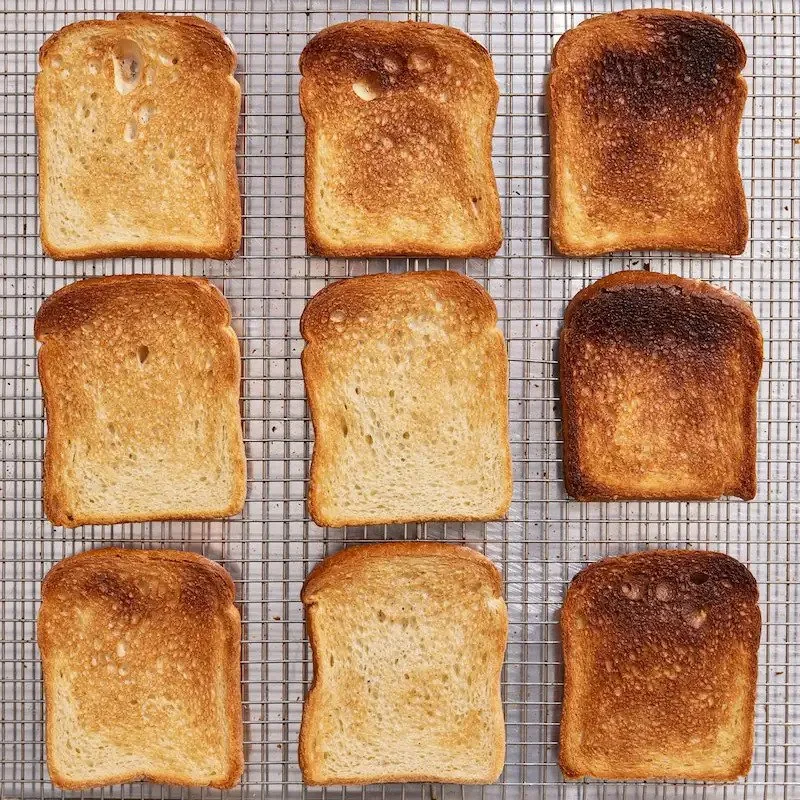
I learned to accept equipment limits. Older ovens have hot spots. I map mine with a thermometer and rotate food to match. Small habits remove why food cooks unevenly from my kitchen.
Frequently Asked Questions of why food cooks unevenly
Why does my roast brown but stay raw inside?
This happens when surface heat is too high and center heat is low. Sear first, then finish at lower oven temp. Use a probe to check internal temp.
Why do cookies bake unevenly on the same tray?
Oven hot spots and crowding cause uneven baking. Space cookies and rotate the tray halfway. Use an oven thermometer to check for temperature variances.
Why are some parts of my steak overcooked?
Thin edges heat faster than the center. Let the steak rest and cook over steady heat, or finish in the oven. Cut to uniform thickness when possible.
Why do microwaved meals have cold spots?
Microwaves create standing waves that leave cold areas. Stirring and resting lets heat spread evenly. Use a turntable or rotate food by hand.
Can cookware really change cooking evenness?
Yes. Thin or warped pans create hot spots and poor contact. Use heavy, flat pans and match pan size to burner to improve evenness.
Why does my lasagna cook unevenly in the center?
Thick layers insulate the center from heat. Use a shallow pan and cook longer at a moderate temp. Let it rest so heat evens out inside.
Conclusion
Uneven cooking comes down to three forces: heat delivery, food shape, and gear. Tackle these and you will cook more evenly. Start by preheating, using proper pans, and checking with a thermometer.
Take one action tonight. Trim food to a uniform size or use a probe thermometer. Small changes yield steady, reliable results. Try these tips, share what works for you, and leave a comment with your best fix.
