


Food loses flavor while cooking because heat drives off volatile aromas and breaks down taste compounds.
I’ve spent years cooking and testing recipes, and I can explain why food loses flavor while cooking in clear, practical terms. This article breaks down the science, common mistakes, and proven techniques to keep food tasting bright and full. You’ll get easy fixes and tested tips you can use tonight to stop losing flavor and start enjoying better meals.
How heat changes flavor chemistry
When asking why food loses flavor while cooking, the first place to look is chemistry. Heat causes volatile aroma molecules to evaporate. Those molecules are the ones our nose detects, and losing them makes food seem flat.
Heat also alters chemical bonds. Proteins and sugars change shape and can form new compounds. Some of these new compounds add flavor, like caramelization. Others are less aromatic and dilute the original taste.
Acids and bases shift during cooking. Acidity can make flavors pop. Long cooking often reduces acid, which can mute taste. Understanding these changes explains much of why food loses flavor while cooking.

Common causes of flavor loss while cooking
Understanding why food loses flavor while cooking helps you avoid common pitfalls. Here are the main causes:
- Evaporation of volatile aromas. Strong aromatics like garlic and citrus lose fragrance as steam carries them away.
- Overcooking. Long, high-heat cooking can break down delicate flavors into bland compounds.
- Excess water. Boiling or braising in too much liquid dilutes both taste and aroma.
- Wrong timing for salt and acid. Adding salt or acid too early can let them dissipate or get locked in proteins.
- Poor layering of flavor. Relying on a single seasoning step means flavors vanish during long cooks.
Each cause is easy to see once you taste the difference between fresh and overcooked dishes. If you know these, you can adjust technique to keep flavors strong.
Practical techniques to retain or boost flavor
When you know why food loses flavor while cooking, you can use tactics to preserve or restore it. Try these practical steps.
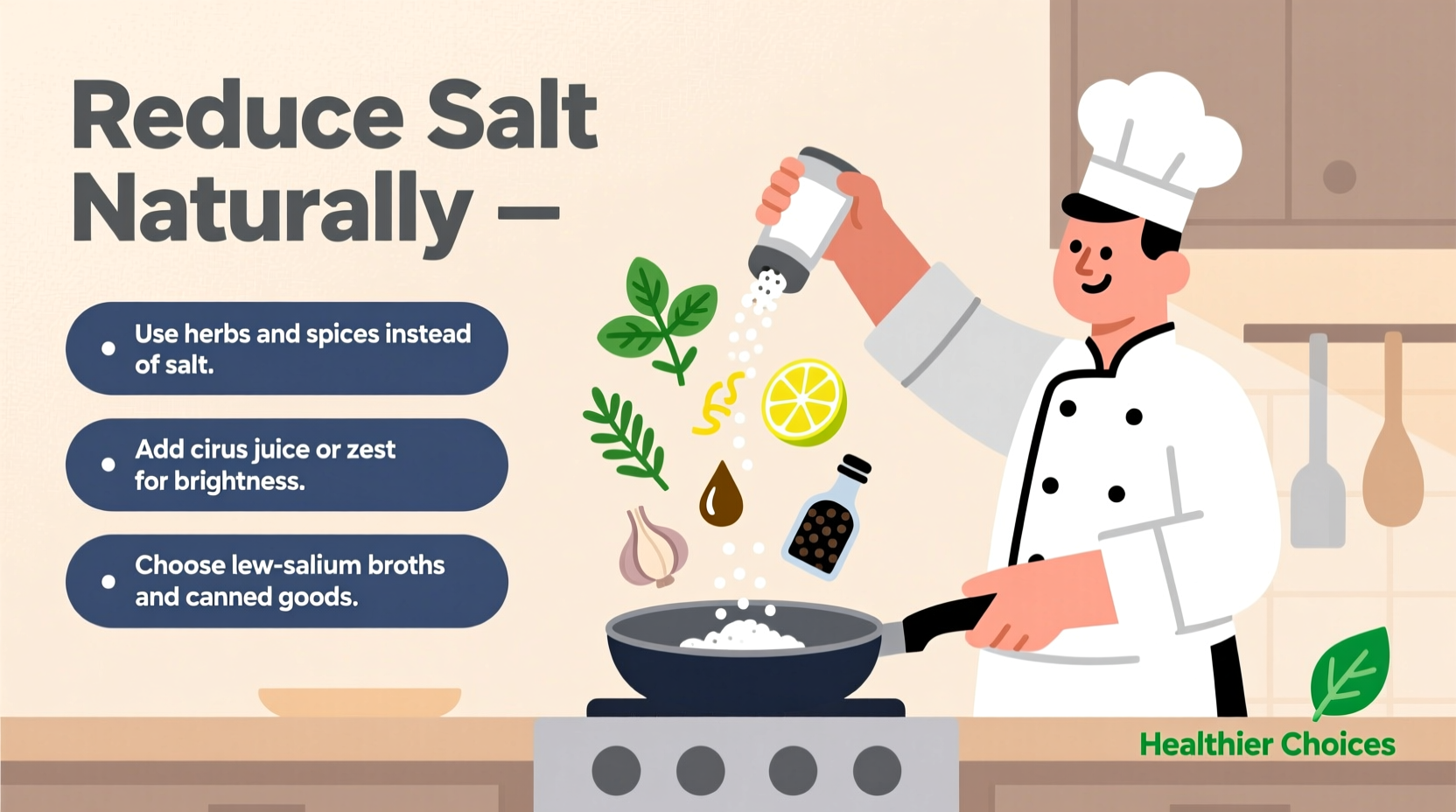
- Add aromatics later. Finish with fresh herbs, lemon zest, or a splash of vinegar to revive aroma.
- Reduce exposure to steam. Use lids wisely and finish uncovered if you want concentration without losing aroma.
- Season in layers. Salt during cooking and again at the end to keep flavors present at every bite.
- Use high-quality fats. Butter and olive oil carry and release aroma differently; use them to boost perception.
- Deglaze pans. Scrape browned bits with stock or wine to reclaim flavor that clings to the pan.
From my experience, adding a small splash of acid or a pinch of finishing salt right before serving has the biggest impact. I once braised beef for three hours and rescued a flat gravy with two teaspoons of vinegar and a knob of butter. It tasted fresher immediately.

Ingredient-specific tips to prevent flavor loss while cooking
Different ingredients lose flavor in different ways. Here are focused tips for common categories.
- Vegetables. For mild vegetables, use quick, high-heat methods or roast to concentrate flavors. Avoid boiling too long.
- Meats. Sear first to lock in flavor. Low-and-slow builds depth, but finish with a high-heat sear or sauce to restore aroma.
- Fish and shellfish. These are delicate; cook briefly and add bright finishing elements like citrus and herbs.
- Herbs and spices. Add hardy herbs early and tender herbs late. Toast whole spices to release oil, then add toward the end.
- Citrus and aromatics. Add zest at the end and juice early if you want background acidity but keep zest for aroma.
These small changes address why food loses flavor while cooking by protecting the most fragile scent and taste molecules.
Mistakes that dull taste and lessons I learned
I used to simmer soups for hours without adjusting seasoning. The result was always muted. That taught me that time can steal flavor if you don’t adapt.
Common mistakes I see and how to fix them:
- Relying only on salt. Salt helps, but acid and fat complete the flavor profile. Balance all three.
- Using low-quality stock. Weak stock means weak final dishes. Make quick homemade stock or concentrate store-bought stock.
- Adding herbs at the wrong time. Fresh herbs lose scent under long heat. Reserve them for finishing.
- Over-diluting sauces. Reduce properly and skim excess water to keep taste concentrated.
Being mindful of these mistakes answers why food loses flavor while cooking and gives clear fixes you can use right away.
Frequently Asked Questions of why food loses flavor while cooking
Why does my soup taste bland after simmering?
Long simmering can evaporate volatile aromas and dilute flavors. Taste and adjust salt, acid, and fat at the end to brighten the soup.
Can I prevent flavor loss when boiling vegetables?
Yes. Steam or roast vegetables when possible, or cook quickly and salt the water well. Finish with a drizzle of oil or a squeeze of lemon to restore aroma.
Does adding salt early make food less flavorful later?
Salt early helps proteins bind and seasons deeply, but you still need a final seasoning. Add a finishing salt or taste before serving.
Why do spices taste weaker after cooking?
Heat can break down spice oils. Toast whole spices first and add ground spices later, or use spice pastes to preserve aroma.
How do acids help when food loses flavor while cooking?
Acids lift flavors and enhance aroma perception. A little vinegar or lemon at the end can revive muted dishes quickly.
Is it better to use fresh herbs or dried herbs to avoid flavor loss?
Use dried herbs for long cooks and fresh herbs as a finishing touch. Fresh herbs preserve fragile aromas that often disappear during heat.
Conclusion
Understanding why food loses flavor while cooking gives you tools to fix it. Heat, evaporation, dilution, and timing all play roles, but simple steps—layering salt, adding acid late, finishing with fresh aromatics—make a big difference. Try one technique tonight: finish a dish with acid and a small knob of butter and taste the change. If you found this helpful, subscribe for more kitchen-tested tips or leave a comment with your toughest flavor challenge.
