

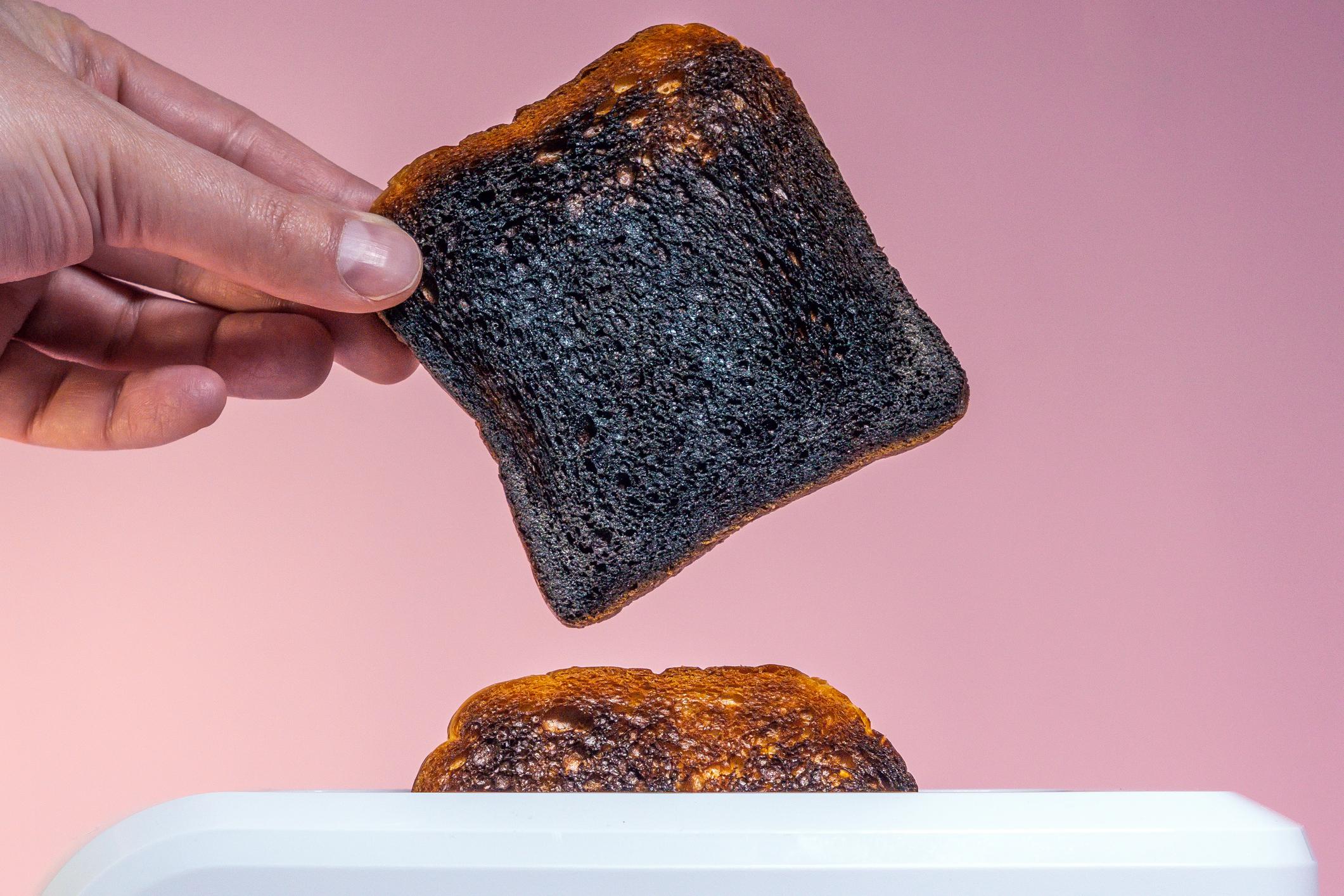
Burnt smells often come from Maillard and pyrolysis compounds, even when food isn’t blackened.
As a cook and lifelong kitchen explorer, I’ll walk you through why food smells burnt but not burned, how those smoky scents form, and what you can do about them. I blend hands-on experience with science to explain the chemical reactions, common kitchen scenarios, and practical fixes so you can stop worrying about phantom burnt odors and start cooking with confidence.

Why food smells burnt but not burned: how smell works
Smell is driven by tiny volatile molecules that travel to your nose. When food heats, it releases aroma chemicals long before it turns visibly black. This explains why you may notice a burnt smell without seeing burned food.
Your nose reacts to those early-stage compounds more strongly than your eyes notice color change. The phrase why food smells burnt but not burned points to chemistry, not just char, and shows why perception and appearance can disagree.
Chemical causes behind why food smells burnt but not burned
Heat triggers reactions that make new smelling molecules. Small shifts in temperature or time can produce Maillard reaction aromas, caramel notes, and smoky byproducts, all before obvious burning happens. That is why food smells burnt but not burned in many cases.
Key chemical contributors include:
- Pyrolysis products – molecules formed from partial thermal breakdown of fats and sugars that smell smoky.
- Maillard compounds – reactions between amino acids and sugars that give roasted, toasted, and sometimes acrid notes.
- Aldehydes and ketones – volatile compounds that can smell sharp, green, or burnt at low concentrations.
- Lipid oxidation – fats slowly oxidize and create strong off-odors before visual charring appears.
These compounds can form at different temperatures and times. A thin layer of oil or trapped food at the pan edge can heat enough to produce smoky smells while the main food looks fine.

Common kitchen scenarios where why food smells burnt but not burned happens
Many everyday situations create those phantom burnt odors. Knowing them helps you fix the cause quickly.
Common scenarios:
- Pan or oven hotspots – small hot zones produce smoky volatiles while the rest cooks normally.
- Residual grease or crumbs – leftover oil on a burner or under a broiler heats and smells burnt before new food does.
- Overheated oil – oil that smokes slightly releases strong odors even without visible burning on food.
- Low-moisture cooking – toasted nuts, spices, or crumbs can generate acrid smells before they darken.
- Cross-contamination of pans – a pan previously used for burning garlic or onions can off-gas smells during later cooking.
From experience, I once blamed a sauce for a burnt smell that came from an old drip tray in the oven. Cleaning the tray fixed the issue immediately. Simple checks often save time and food.

Health, safety, and taste when why food smells burnt but not burned
A burnt smell doesn’t always mean the food is unsafe, but it can signal problems to watch. Some smoky compounds taste bitter and lower food quality. Others, produced by heavy charring, can be harmful if regularly consumed in large amounts.
Practical safety guides:
- Assess taste and look – if food tastes fine and has no black crust, it’s usually safe to eat.
- Avoid repeated charring – regular intake of highly charred foods is linked to health concerns.
- Ventilate – smoky volatiles can irritate eyes and lungs; use fans or open windows when you smell smoke.
When unsure, trust your senses and err on the side of caution. Toss small burnt bits and clean cooking surfaces to avoid repeating the problem.

How to prevent and fix why food smells burnt but not burned
Prevention is often easier than fixing the smell after it starts. A few habits reduce smoky odors and keep food tasting clean.
Steps to prevent and fix:
- Clean pans and burners regularly – remove grease and crumbs that create smoky hotspots.
- Use appropriate oil – pick oils with a higher smoke point for high-heat cooking.
- Control heat – cook at steady temperatures and preheat properly to avoid localized overheating.
- Stir and turn food – move items to prevent thin parts from overheating and releasing smoky compounds.
- Use ventilation and timers – run a fan and set timers to avoid accidental overcooking or dry spots.
- Quick fixes for lingering smells – boil a cup of vinegar or lemon water on the stove, or simmer citrus peels to absorb and neutralize odors.
I learned to keep a small bowl of baking soda in the fridge and an open box near the stove after a smoky mess cleared the air fast. Small changes in routine make the biggest difference.
Frequently Asked Questions of why food smells burnt but not burned
Why does my kitchen smell burnt when nothing looks burned?
A small hot spot, residual grease, or overheated oil can produce smoky volatile compounds that create a burnt smell without visible charring. Check pans, drip trays, and burners for leftovers.
Can food taste burnt even if it doesn’t look burned?
Yes. Volatile compounds created early in heating can produce a bitter or acrid taste before food darkens. Removing the affected bits often restores flavor.
Is it safe to eat food that smells burnt but isn’t burned?
Most of the time it’s safe, especially if the food looks and tastes normal. If the aroma is strong, bitter, or the food is blackened, it’s better to discard it to avoid health risks.
How can I remove lingering burnt smells from my house?
Ventilate the space, clean the source, and simmer vinegar, lemon, or cinnamon sticks to neutralize odors. Placing bowls of baking soda around the room also helps absorb smells.
Why do spices or nuts sometimes smell burnt before they change color?
Small particles and low moisture content heat quickly and form volatile pyrolysis products earlier than larger, moister foods. Toast in short intervals and watch closely.
Conclusion
Understanding why food smells burnt but not burned helps you spot the cause and fix it fast. Heat creates smelly molecules long before visible charring, and small hotspots, leftover grease, or overheated oils are common culprits. Use clean pans, proper oils, steady heat, and good ventilation to prevent those smoky surprises. Try the simple tips in this article next time your kitchen smells burnt but the food looks fine, and leave a comment with your own kitchen fixes or questions — I’d love to hear what worked for you.
