

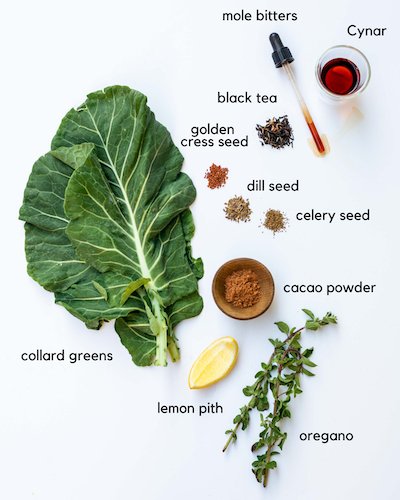
Overcooking, burnt compounds, and released plant alkaloids commonly make cooked food taste bitter.
I am a food scientist and home cook with years of experience testing flavors and fixing kitchen mistakes. I will explain why food tastes bitter after cooking with clear, simple steps. You will learn the science, common culprits, prevention tips, and quick fixes. Read on to stop bitter meals and keep your food tasting bright and balanced.

Main causes of why food tastes bitter after cooking
Why food tastes bitter after cooking comes down to chemistry and technique. Heat can break down sugars and fats and form bitter molecules. Some plants release natural bitter compounds when cooked too long. Metal pans and old oil can add off flavors that read as bitter.
- Overcooking breaks down sugars into bitter-tasting compounds.
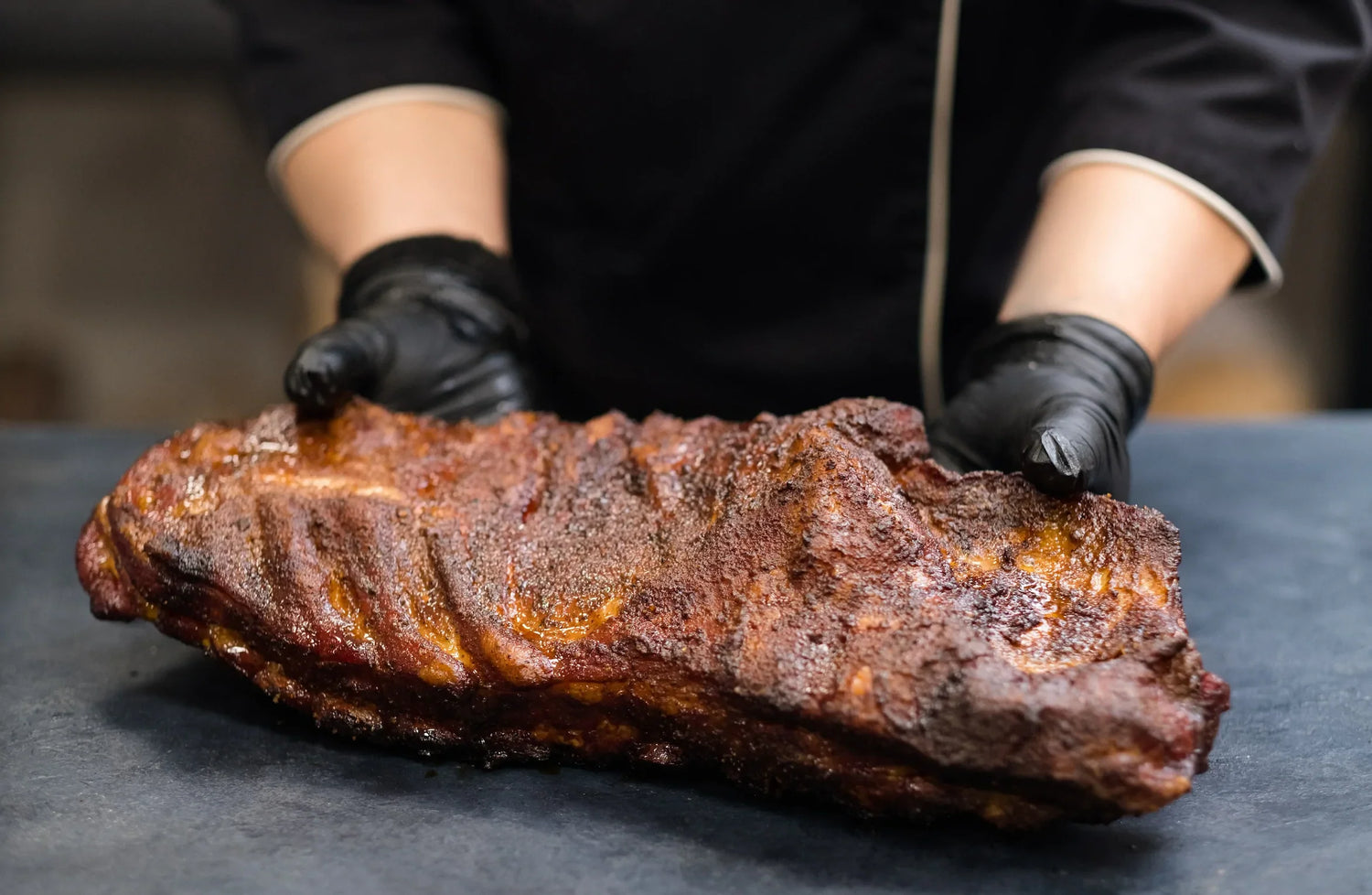
- Burning creates charred molecules that taste sharp and bitter.
- Natural plant alkaloids and glucosinolates can become more bitter when heated.
- Rancid oils and metallic cookware can make food taste bitter and unpleasant.
:max_bytes(150000):strip_icc()/Parents-dysgeusia-GettyImages-1392122841-a37e25a7aca64ad9ba2ff4ce3cb628ab.jpg)
How heat and chemistry create bitterness
The phrase why food tastes bitter after cooking often ties to specific reactions. Maillard reactions and caramelization add flavor, but push them too far and bitterness results. Pyrolysis from direct flame makes polyaromatic compounds that taste burnt and bitter.
- Maillard reaction gives roasted notes but can turn bitter when overdone.
- Caramelization starts sweet and ends bitter if sugars carbonize.
- Lipid oxidation produces off-flavors and bitterness in old or overheated oils.
Common foods that turn bitter after cooking
Certain foods are more prone to bitterness when cooked. Knowing these helps you watch them closely. This list shows frequent offenders and why.
- Brassicas like broccoli and kale release glucosinolates when overcooked.
- Eggplants can taste bitter if seeds are old or if under-salted while cooking.
- Coffee and cocoa become bitter when beans are over-roasted or grounds are scorched.
- Greens and herbs can lose freshness and turn bitter when wilted by heat.

Cooking mistakes that cause bitterness
Simple errors often explain why food tastes bitter after cooking. Fixing these will save flavor and time.
- High heat for too long causes scorching and burnt flavors.
- Using the wrong oil or reusing oil introduces rancid notes.
- Not degreasing or removing burned bits can spread bitterness to the whole dish.
- Over-salting sometimes accentuates bitter compounds and ruins balance.
How your palate and genetics affect bitterness
Why food tastes bitter after cooking is not only about the food. Your genes and recent diet shape how you sense bitterness. Some people are supertasters and react strongly to bitter compounds.
- Genetic variations make some people more sensitive to bitter notes.
- Recent meals and beverages can heighten or mute bitter perception.
- Age and medication can change taste receptors and increase bitterness sensitivity.
Practical fixes when food turns bitter
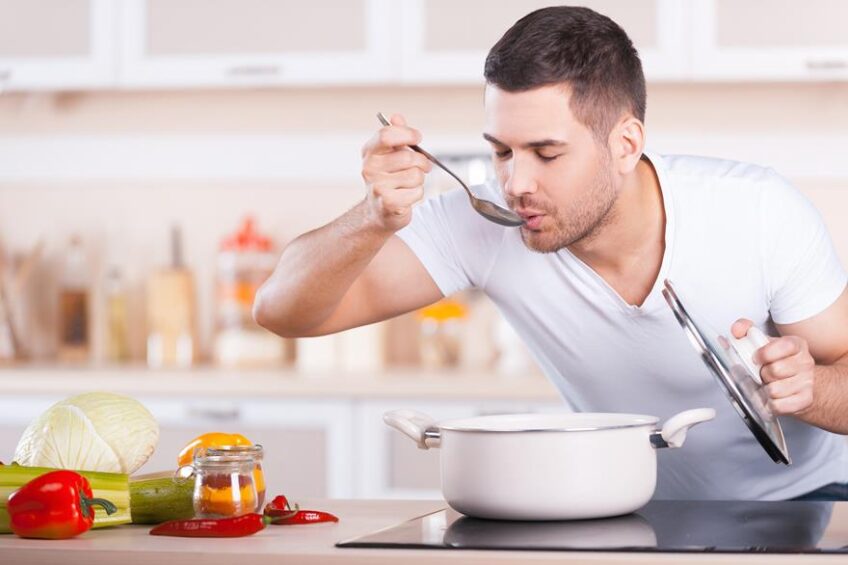
You can often rescue a dish that tastes bitter after cooking. Try these quick, practical steps.
- Add a small pinch of sugar to balance slight bitterness.
- Stir in acid like lemon juice or vinegar to brighten and mask bitter notes.
- Add dairy such as cream or yogurt to smooth harsh flavors.
- Remove burnt pieces and transfer the rest to a clean pan or dish.

How to prevent bitterness in future cooking
Preventing bitterness saves food and time. Follow these simple rules to avoid why food tastes bitter after cooking.
- Cook at moderate heat and watch closely near the end.
- Use fresh oils and discard oil that smells sharp or old.
- Season in stages and taste often to avoid over-salting.
- Blanch brassicas briefly to reduce bitter compounds before finishing.
:max_bytes(150000):strip_icc()/How-to-Taste-and-Fix-Recipes-4x3-917132e0e40542b29368f8c7351438e0.jpg)
Personal experience: lessons from my kitchen
I once charred a pan of roasted vegetables and blamed the recipe. After testing, I learned the pan was the issue. I switched to a heavy, even-heating pan and cut my roast time. The vegetables tasted sweet and not bitter.
I also learned to store oils in cool dark places. That change cut bitterness from salads and stir-fries. Small changes in tools and timing fixed many bitter meals in my home kitchen.
Troubleshooting checklist
Use this quick checklist when you wonder why food tastes bitter after cooking. It helps diagnose the cause fast.
- Check for burnt bits and discard them.
- Smell the oil and ingredients for rancidity.
- Balance with acid or sweetness in small amounts.
- Consider whether herbs, greens, or seeds were overcooked.
Frequently Asked Questions of why food tastes bitter after cooking
Why did my coffee taste bitter after I brewed it?
Coffee tastes bitter when grounds are over-extracted or water was too hot. Use lower brew temperature or shorter brew time to reduce bitterness.
Can burnt garlic make a whole dish bitter?
Yes. Burnt garlic produces bitter, acrid compounds that spread quickly. Remove burnt pieces and start with fresh garlic on lower heat.
Does using old oil cause bitterness in stir-fries?
Old or overheated oil oxidizes and tastes bitter or metallic. Always use fresh oil and avoid heating it past its smoke point.
Will blanching vegetables reduce bitterness?
Blanching neutralizes some bitter compounds in brassicas and greens. It shortens cooking time and preserves a sweeter, milder taste.
Can adding sugar fix bitterness in a savory dish?
A small amount of sugar can balance mild bitterness. Use sparingly and combine with acid or fat for better balance.
Conclusion
Bitterness after cooking usually comes from overcooking, burnt bits, oxidized oils, or natural plant compounds. You can prevent it by cooking at moderate heat, using fresh ingredients, and tasting as you go. When bitterness appears, quick fixes like acid, dairy, or a touch of sugar often restore balance. Try these tips in your next meal to keep flavors bright and pleasing. If this helped, leave a comment, subscribe for more tips, or try one small change in your kitchen today.
