


Overcooking and too much water cause starch to burst and turn rice into a mushy clump.
I’ve cooked rice for years, taught others, and studied the science behind grains. This article explains why rice becomes mushy, step by step. You’ll learn what physically happens inside each grain, common mistakes that make rice glue-like, and practical fixes that work in real kitchens.
What makes rice mushy?
Rice becomes mushy when starch granules swell, burst, and leak sticky molecules. Heat and excess water cause the rice’s inner starch to gelatinize. When many granules break, they form a glue-like mass that feels soft and pasty.
Two main starch types matter. Amylose tends to stay separate and create fluffy rice. Amylopectin is sticky and makes rice clingy when released. Rice varieties with low amylose will naturally clump more when cooked.
Cooking method also affects texture. Rapid high heat or constant stirring breaks grains. Over-stirring can turn separate grains into one mass. Poor drainage and too much water make the problem worse.
Grain age and storage play roles too. Old rice can absorb water differently and become softer. Pre-soaking can either help or harm depending on time. Even pot size and heat distribution change how starch cooks.

Types of rice and starch behavior
Long-grain rice usually has more amylose, so it tends to stay fluffy. Short-grain rice has more amylopectin and tastes stickier. Knowing your rice type helps predict outcome.
Parboiled and converted rice behave differently. They are partially gelatinized before cooking and resist overcooking better. Instant and enriched rices often break down faster and can go mushy with little extra water.
Brown rice has the bran layer intact. It needs more water and longer time. If you use white-cooking ratios for brown rice, you can easily end with a mushy pot.
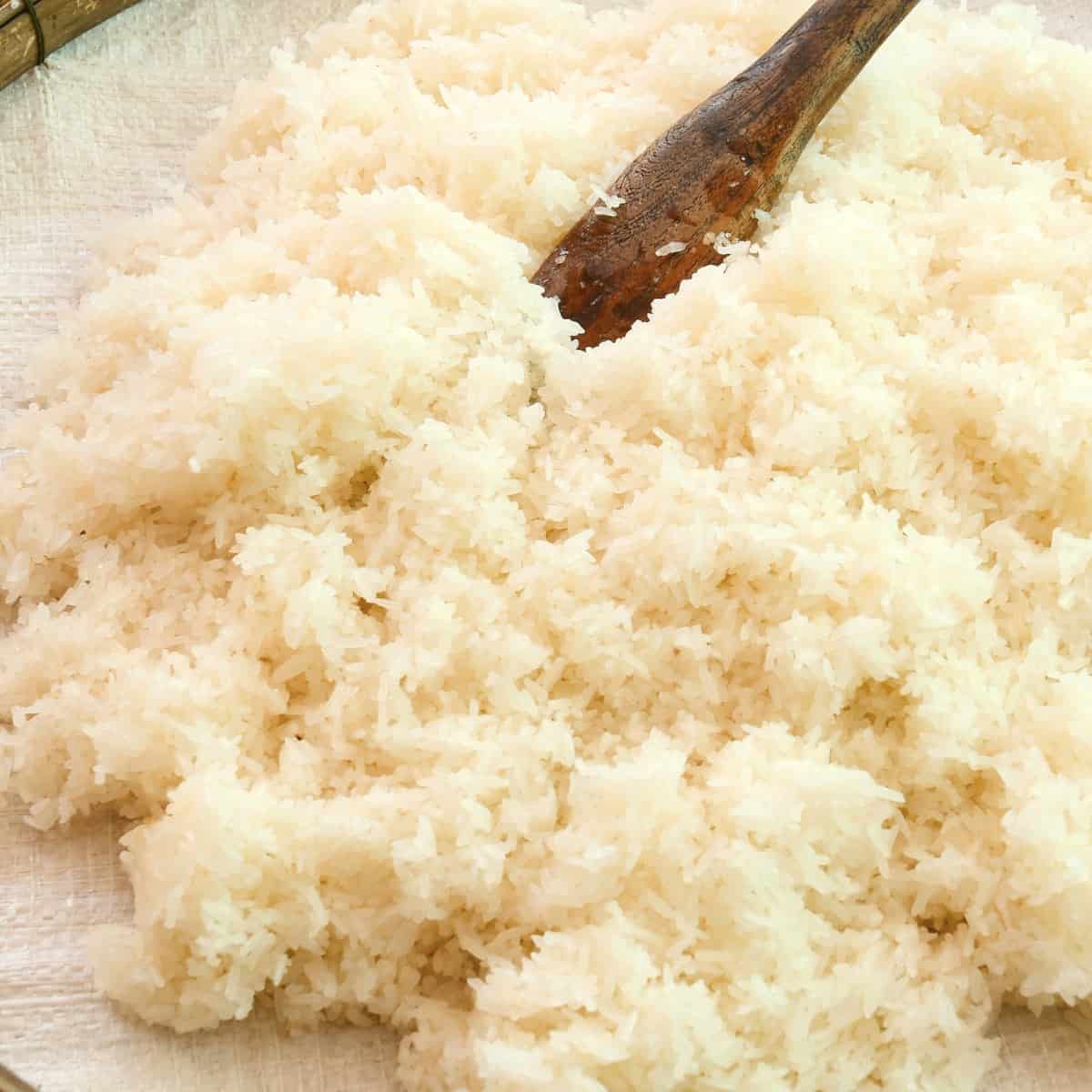
Common mistakes that cause mushy rice
Using too much water is the top error. Excess water forces starch to absorb more and swell beyond the grain’s capacity. That leads to bursting and a soft center.
Cooking at too high a heat and stirring often are other big mistakes. Vigorous boiling and constant stirring break grains. Lifting the lid too often releases steam and changes cooking dynamics.
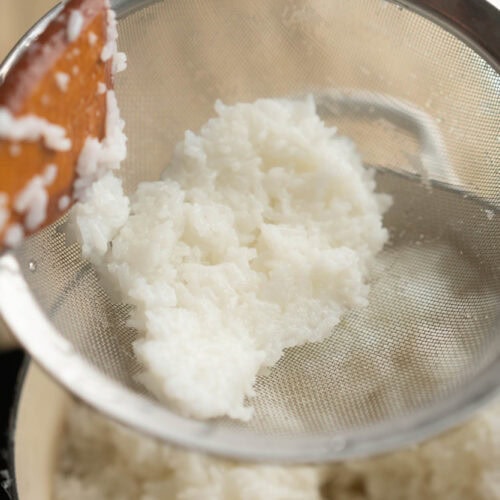
Not rinsing rice can cause problems. Surface starch left on grains makes them cling together as soon as water heats. Skipping rest time at the end also locks in moisture and increases stickiness.
How to cook rice without getting mushy
Follow a simple method and you will get fluffy rice most of the time. Below is a reliable stovetop method.
-
Measure and rinse
- Use a consistent cup measure for rice and water.
- Rinse rice under cold water until the water runs mostly clear.
-
Use correct water ratio
- For many long-grain whites, use about 1 part rice to 1.5 parts water.
- For short-grain use slightly less water; for brown rice increase water to about 2 parts.
-
Bring to simmer, then low heat
- Bring covered pot to a gentle simmer over medium heat.
- Lower to the smallest flame and keep it covered for the set time.
-
Rest and fluff
- Turn off heat and let rice sit 8–10 minutes with lid on.
- Fluff gently with a fork to separate grains.
A rice cooker or instant pot takes much guesswork out of timing. I use a rice cooker when I’m making large batches. It gives consistent results when I can’t babysit the pot.
Troubleshooting and fixes for mushy rice
If rice is slightly overcooked and wet, spread it on a tray and let it cool to let steam escape. This can firm grains up a bit. Fluff with a fork while cooling to help separate grains.
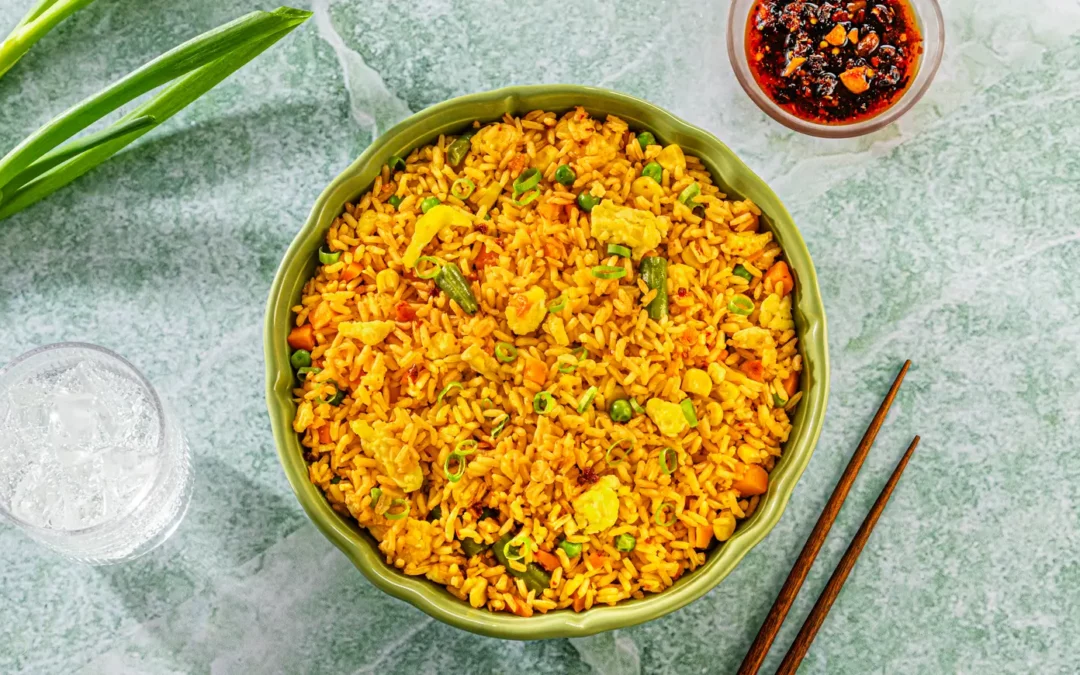
If rice is very mushy, try making fried rice. Chill the rice to dry it out and then sauté quickly in a hot pan. The heat helps evaporate excess moisture and separate grains.
You can also rescue texture by adding a dry heat step. Place rice in a colander and steam off excess water. Then transfer to a warm oven for a few minutes to firm the surface.

Kitchen tips and personal lessons
I once followed a recipe that used two cups of water for one cup of long-grain rice. The result was glue. I learned to trust grain type over cookbook ratios. Measure by feel and adjust next time.
Always rinse unless you want a sticky risotto-style result. I rinse rice for most meals and skip it for sushi where some surface starch is desirable. Small changes change texture a lot.
Use a timer and low, even heat. In my tests, a steady low simmer and a rest period beat any amount of stirring. Little habits make consistently good rice.
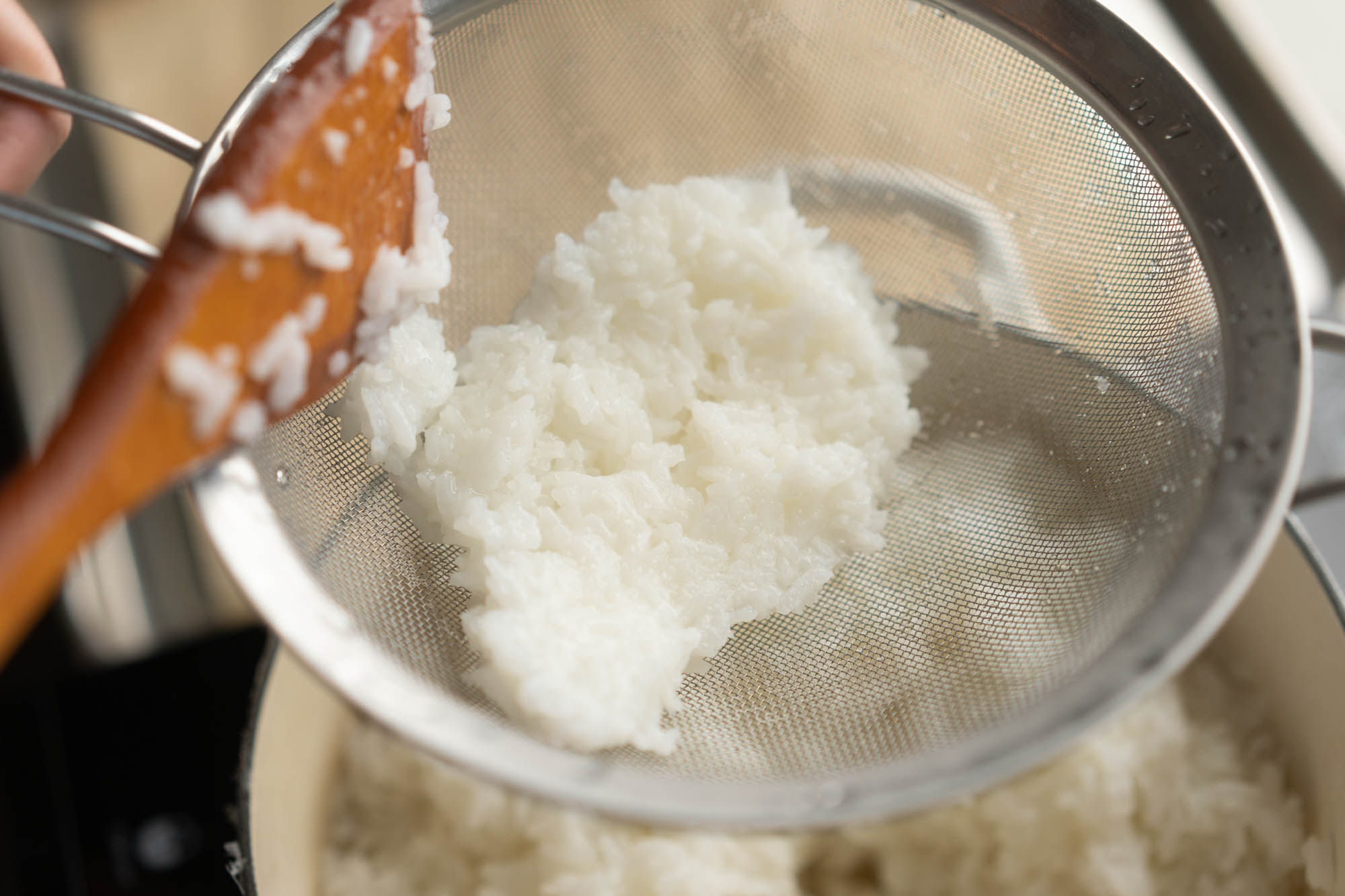
Frequently Asked Questions of why rice becomes mushy
Why did my rice get mushy even though I used the right water ratio?
Ratios vary by rice type and pot. Heat level and cooking time also matter. Check your grain type and lower the heat next time.
Does rinsing rice prevent mushiness?
Rinsing removes surface starch that causes clumping. It helps most white and long-grain rice. For sticky rice or risotto, you may skip rinsing.
Can I fix mushy rice after it’s cooked?
Yes. Spread rice on a tray, cool it, or fry it in a hot pan. These steps evaporate moisture and separate grains.
Is the type of pot important for rice texture?
Yes. A heavy-bottomed pot gives even heat and prevents hot spots. Uneven heat can overcook some grains and make them mushy.
Why does rice become mushy in a rice cooker sometimes?
Rice cookers use time and steam; wrong water ratio or damaged rice can cause mushiness. Measure water carefully and try rinsing before cooking.
How does soaking affect rice texture?
Soaking reduces cooking time and can make grains more tender. Over-soaking can lead to broken grains and a softer final texture.
Conclusion
Understanding why rice becomes mushy comes down to starch, water, and heat. Use the right ratio, rinse when helpful, keep heat low, and give rice time to rest. Try a simple stovetop method or a reliable rice cooker and tweak water based on your grain. Take one tip from this guide and test it next time you cook rice — practice leads to perfect texture. If this helped, leave a comment or subscribe for more kitchen tips and recipes.
