

Slow cooking needs low heat because gentle temperatures break down collagen and lock in moisture.
I have cooked for years and tested stews, roasts, and braises in ovens, slow cookers, and Dutch ovens. I know why slow cooking needs low heat: it turns tough cuts tender, builds flavor without drying food, and gives predictable results. Read on for clear science, simple tips, and hands-on advice you can use tonight.

Why slow cooking needs low heat: basic principles
Slow cooking needs low heat to transform tough meat and fibrous vegetables into silky, tender bites. Low heat lets collagen turn into gelatin slowly, which softens fibers and thickens the cooking liquid. Quick high heat tightens proteins and squeezes out moisture, which makes meat dry and tough.

The science behind why slow cooking needs low heat
Collagen is the key. Collagen melts between roughly 160°F and 205°F as time and gentle heat combine. When collagen converts to gelatin, meat becomes moist and silky.
Low heat also gives enzymes time to act. Enzymes break down proteins at moderate temperatures before they denature. This gentle action adds tenderness and nuance to flavor.
Heat distribution matters too. Slow cooking provides even heat over hours. That steady heat avoids scorching and reduces moisture loss. The result is deeper flavor and consistent texture across the dish.

Benefits of low heat in slow cooking
-
Better tenderness
Low heat turns connective tissue into gelatin. This makes cheap cuts taste tender and rich. -
More moisture retention
Gentle heat keeps water in the meat and sauce. You avoid dry, stringy results. -
Layered flavor development
Slow time allows flavors to mingle. Aromatics, spices, and natural sugars meld without burning. -
Easier meal planning
Low-and-slow gives forgiving timing. You can set-and-forget for hours with reliable results. -
Cost-effective cooking
You can use affordable cuts and still get restaurant-quality texture and taste.

Practical tips: temperatures, times, and techniques
-
Know your gear
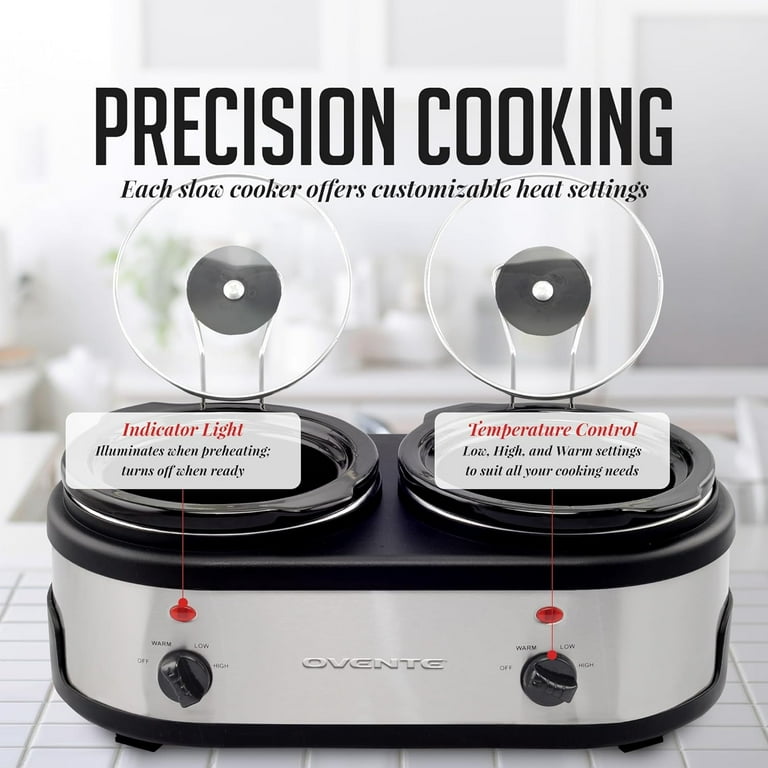
Most electric slow cookers on low run near 190°F (88°C). High settings often reach about 280°F to 300°F (138°C to 149°C). Oven braises are often 275°F (135°C). -
Time by cut and size
Tough cuts like chuck, brisket, and shank need 6 to 10 hours on low. Smaller cuts and vegetables need less time. -
Browning first improves flavor
Sear meat briefly over high heat before slow cooking. This adds depth without losing the benefits of low heat. -
Keep the lid on
Lift the lid only when needed. Low heat relies on trapped steam to maintain moisture and steady temperature. -
Use liquid wisely
You don’t need a lot. Enough liquid to come partway up the food is best; low heat and long time create thick, gelatin-rich sauces.
Why slow cooking needs low heat is also about control. Keep temperatures consistent and plan time rather than trying to rush tenderness.
Common mistakes and how to avoid them
-
Rushing with high heat
Pushing temperature up to save time often yields dry meat. Choose a different recipe if you need speed. -
Overcrowding the pot
Too much food drops the internal heat and slows collagen melting. Leave space for circulation. -
Lifting the lid too often
Every lift drops heat and extends cooking time. Use a meat thermometer instead of guessing. -
Using very lean cuts only
Lean cuts lack collagen and fat. They may dry out even at low heat. Choose cuts with connective tissue for best results. -
Not adjusting seasoning
Slow liquids reduce and concentrate. Taste and adjust salt and acid near the end.

Tools and recipes that shine with low heat
-
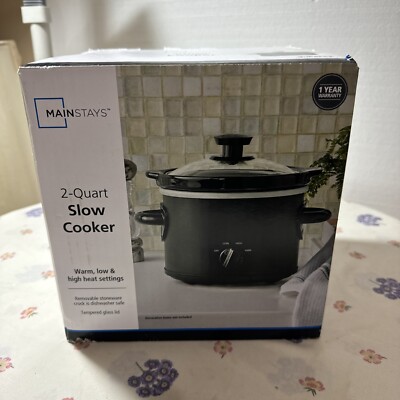
Slow cookers and crock-pots
Great for hands-off meals like shredded beef, chili, and stews. They maintain consistent low heat for hours. -
Dutch ovens and oven braises
Perfect for braised short ribs, pot roast, and coq au vin. They combine low oven heat and tight lids for even cooking. -
Sous-vide for precision
Sous-vide cooks at exact low temperatures to a precise doneness. It’s a modern take on low-and-slow control. -
Recipes that shine
Beef chuck roast, pork shoulder, lamb shanks, osso buco, and root vegetable stews are all classic low-heat winners.
Why slow cooking needs low heat is clear: the right tools make the process simple and repeatable.
Frequently Asked Questions of why slow cooking needs low heat
What temperature is considered "low" for slow cooking?
Low for electric slow cookers is usually near 190°F (88°C). Oven braises are often in the 275°F (135°C) range. These temps allow collagen to melt without drying the meat.
Can I cook fast and still get tender results?
You can use pressure cooking for faster tenderness, but that uses high pressure and different texture. For classic silky results, low heat over time works best.
Will low heat make flavors bland?
No. Slow heat deepens flavor as aromatics and juices mingle. You may need to adjust salt and acid at the end.
Is low heat safe for long cooking times?
Yes. Slow cooking at steady low temperatures is safe if you use reliable equipment and reach safe internal meat temperatures. Keep lids on and avoid room-temperature holds.
Can I put frozen meat into a slow cooker on low?
It’s safer to thaw first. Frozen meat raises cooking times and can spend too long at unsafe temperatures. Thawing gives more predictable results.
How do I know when slow-cooked meat is done?
Check with a fork or thermometer. Fork-tender meat pulls apart easily. For safety, use an internal temp appropriate to the protein.
Does low heat work for vegetables too?
Yes. Root vegetables and hearty veg become sweet and tender with low heat, while delicate greens may overcook. Add delicate items late.
Conclusion
Slow cooking with low heat is simple science turned into delicious food. Gentle temperatures break down collagen, keep moisture, and let flavors deepen. Use the right tool, be patient, and follow basic steps like browning, keeping the lid on, and checking seasoning. Try a low-and-slow dish this week and notice the difference in texture and taste. If you found this useful, try one of the recipes mentioned, leave a comment, or subscribe for more practical cooking guides.
