


Most home cooks under-season, overcook proteins, crowd pans, and skip basic prep.
I’ve spent years cooking for family, friends, and recipe tests, so I know the most common mistakes in home cooking and how easy they are to fix. This guide breaks down why these mistakes happen, real-world tips I’ve used, and simple swaps that make your food taste better and your time in the kitchen more relaxed. Read on to stop repeating the same errors and cook with more confidence.
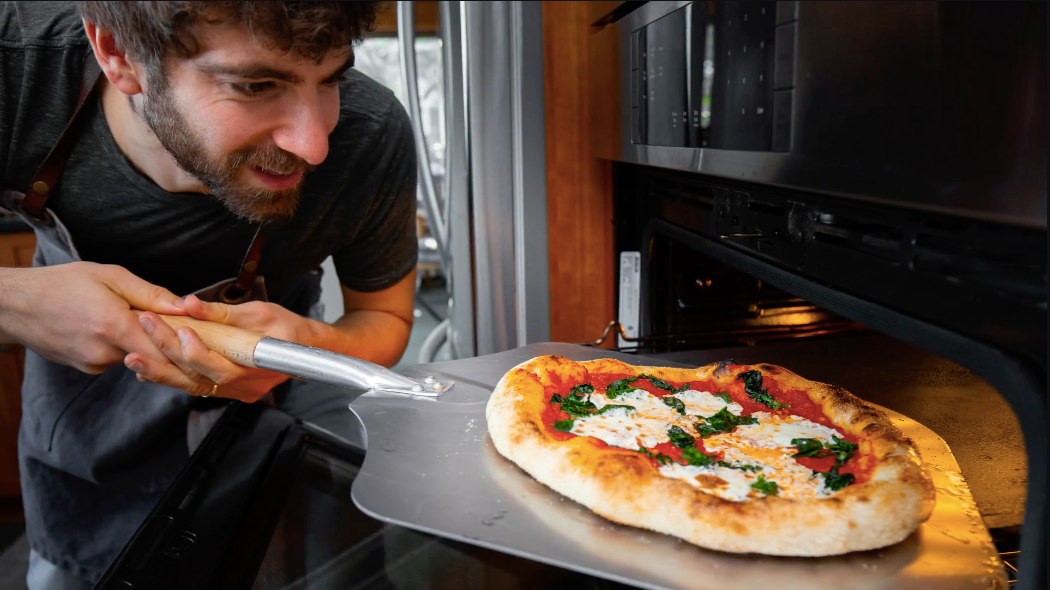
Why home cooks make mistakes
Many mistakes in the kitchen come from time pressure, unclear recipes, or skipping basic steps. People try to multitask and rush, and small errors grow into ruined dishes. I’ve seen home cooks burn sauces, under-cook meat, or serve bland plates because they skipped tasting or prepped poorly. Understanding why mistakes happen helps you avoid them next time.
:max_bytes(150000):strip_icc()/faw-food-safety-tools-tout-73d61d8660ac4cbbb13320f787504461.jpg)
Top common mistakes in home cooking
Most home cooks repeat a set of familiar mistakes. Below are the ones I see most, with clear fixes you can try tonight.
Under-seasoning food
Under-seasoning makes food taste flat. Salt and acid brighten flavors; taste as you cook and season in layers.
Overcooking proteins
Overcooked chicken or steak becomes dry. Use a thermometer and pull protein a few degrees before the final target.
Crowding the pan
Crowding lowers pan temperature and causes steaming instead of browning. Cook in batches so food sears properly.
Skipping mise en place
Not prepping ingredients leads to frantic cooking and mistakes. Chop, measure, and set items out before you start.
Not tasting while cooking
If you don’t taste, you can miss salt, acid, or spice balance. Taste often and adjust seasoning gradually.
Wrong heat level
Using too high or too low heat changes texture and flavor. Learn how to read your stovetop and adjust heat in small steps.
Misreading or altering recipes mid-cook
Changing ingredients or times without understanding consequences often causes problems. Read fully before starting and plan substitutions carefully.
Poor knife skills
Dull or incorrect knife use wastes time and creates uneven cooking. Keep knives sharp and practice basic cuts.
Ignoring resting time
Cutting meat or baking items too soon causes juices to run or textures to collapse. Let items rest as recipes suggest.
Food-safety slip-ups
Leaving perishable items too long at room temperature risks safety. Follow simple fridge and reheating rules.

Practical fixes and techniques
Fixing common mistakes in home cooking is mostly habit work. Small changes make a big difference.
- Taste early and often and adjust salt, acid, and heat in small steps.
- Use a reliable meat thermometer for proteins and aim for target temps.
- Practice mise en place: have all ingredients ready before turning on the heat.
- Keep pans and knives hot and sharp; learn when to use oil versus butter.
- Cook in batches to avoid crowding pans and losing char or crispness.
- Rest meats and let baked goods cool as instructed to preserve texture.
- Store leftovers safely: cool quickly, refrigerate within two hours, and reheat to safe temps.
I learned these from burned stews and dry roasts. Once I timed and prepped better, my dinners improved fast.
:max_bytes(150000):strip_icc()/faw-private-chef-kitchen-mistakes-how-to-solve-tout-4e08ff4f1ec84885bc93769379d9d942.jpg)
Tools and small investments that help
The right tools cut errors and save time. You don’t need a pro kitchen, just smart choices.
- Instant-read thermometer for perfect proteins every time.
- Sharp chef’s knife and a basic sharpening tool.
- Good non-stick and stainless pans to suit different tasks.
- Kitchen timer and small prep bowls for mise en place.
- Reliable cutting board and storage containers for leftovers.
Investing in a few of these fixed the most common mistakes in home cooking I used to make. You’ll notice better texture and flavor right away.

Meal planning, timing, and mise en place
Planning removes guesswork and cuts stress. A simple plan curbs many common mistakes in home cooking.
- Plan meals for the week and prep components in advance.
- Double recipes and freeze portions for busy nights.
- Create a timeline for dinner: what to start first, when to rest, and when to finish sides.
- Use mise en place to stay calm and keep the stove under control.
I start busy weeknights with chopped veg and measured spices. That small habit stops last-minute scrambles and burned items.
Troubleshooting and salvaging mistakes
Even experienced cooks mess up. Here are ways to fix common mistakes in home cooking when they happen.
- Bland sauce: add acid like lemon or vinegar, or a pinch of salt and sugar to balance.
- Over-salted soup: add a peeled potato to absorb salt or dilute with stock or water.
- Dry meat: slice thin and serve with sauce, or shred and mix into a moist dish.
- Soggy roasted veg: crisp in a hot oven or finish under broiler for a minute.
- Burned bits: scrape off dark parts and use the good sections; learn what temperature caused the burn.
These fixes have rescued many meals for me. Keep calm and look for a simple tweak.

Frequently Asked Questions of common mistakes in home cooking
Why does my food taste bland even when I follow the recipe?
Recipes often need small tweaks for your salt level and ingredient freshness. Taste and adjust salt, acid, and spice as you go.
How can I prevent chicken from being dry?
Use an instant-read thermometer and remove chicken a few degrees below final temp. Let it rest to keep juices locked in.
What causes soggy vegetables after roasting?
Crowding the pan or low oven heat creates steam instead of roast. Use a hot oven and leave space between pieces.
How do I stop overcooking pasta?
Cook pasta to al dente and finish in the sauce if needed. Reserve pasta water to adjust sauce texture.
Is it okay to change a recipe’s cooking time?
You can adjust times, but consider size, equipment, and ingredient differences. Monitor closely the first time you change the time.
Can I save an over-salted dish?
Yes. Dilute, add neutral starch, or balance salt with acid or a small sweetener. Taste as you correct.
Conclusion
Common mistakes in home cooking are normal and fixable with simple habits: taste as you cook, prep before you start, use the right heat, and invest in a few basic tools. Start with one change—like using a thermometer or doing mise en place—and build confidence from there. Try one tip tonight, share your result, and subscribe or comment to keep learning and improving your home cooking skills.
