

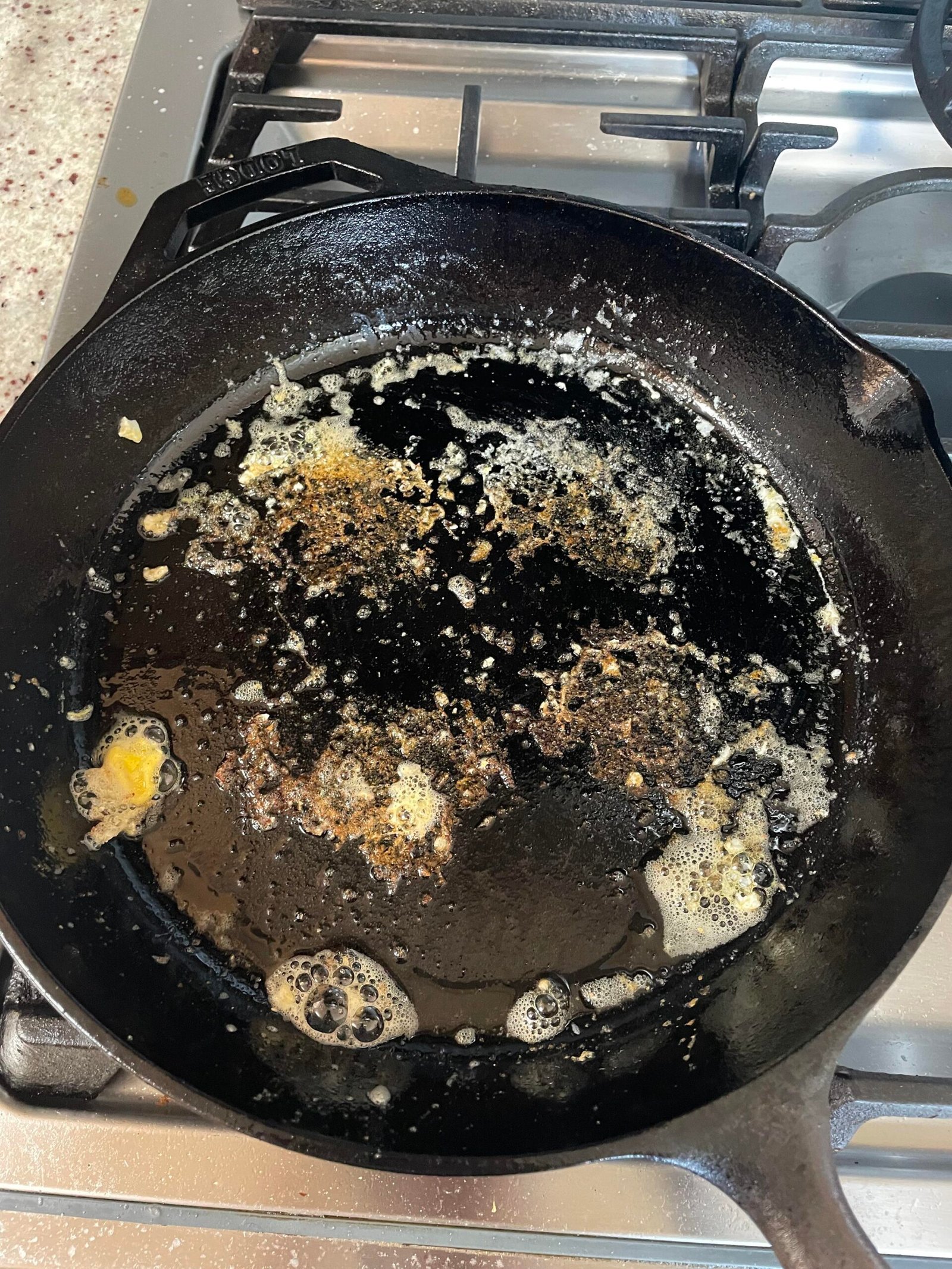
Food sticks to a pan because of heat, surface texture, and missing or wrong fat or seasoning.
I cook for a living and I teach home cooks. I have seen pans ruin meals and also save them. In this post I explain why food sticks to pan in simple terms. I show what causes it, how pan type matters, and how to stop it. You will get clear steps and real tests you can try today. Read on and you will waste less food, clean less, and enjoy better results.
:max_bytes(150000):strip_icc()/food-sticks-nonstick-pan-FT-BLOG0221-27eb06ddff2b46b1b98a173556d882a4.jpg)
Why food sticks to pan: the science and the simple facts
Food sticks to pan when proteins and sugars bond to the metal surface. Heat changes food so it forms new links. Rough or unseasoned metal makes bonding easier. Oil and proper heat create a thin barrier. If that barrier is missing, food grabs the pan.
Key reasons food sticks to pan:
- Protein and sugar browning cause adhesion.
- Low or uneven heat makes food release water and cling.
- Wrong or no oil leaves no barrier between food and metal.
- Scratches and rough surfaces increase contact area.
- Lack of seasoning on cast iron or carbon steel exposes metal.
Why this matters: when you know the why food sticks to pan, you can fix it fast. The cause tells you which fix to try first. That is what I do in the kitchen every day.
How pan material and surface affect sticking
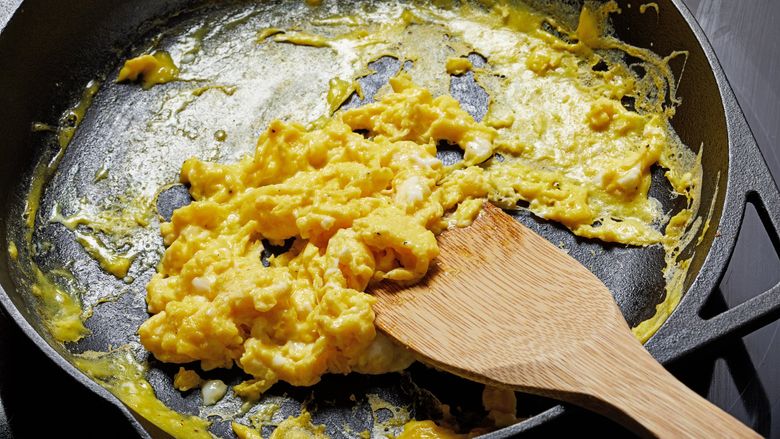
Different pans behave very differently. Nonstick pans limit bonding. Stainless steel has no built-in release. Cast iron works if well seasoned.
Common pan types and how they affect stick:
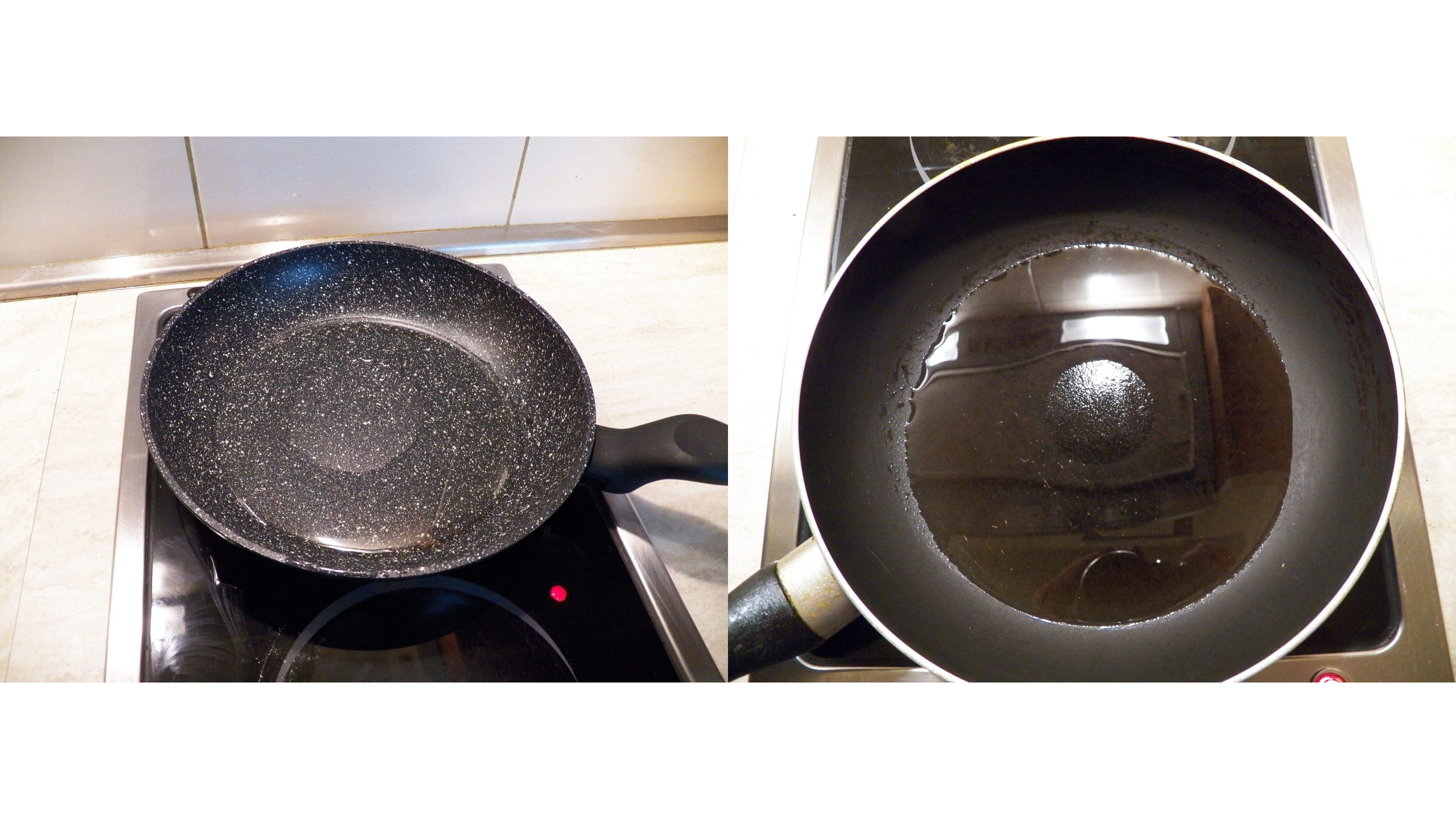
- Nonstick pans: smooth coating reduces sticking but can fail at high heat.
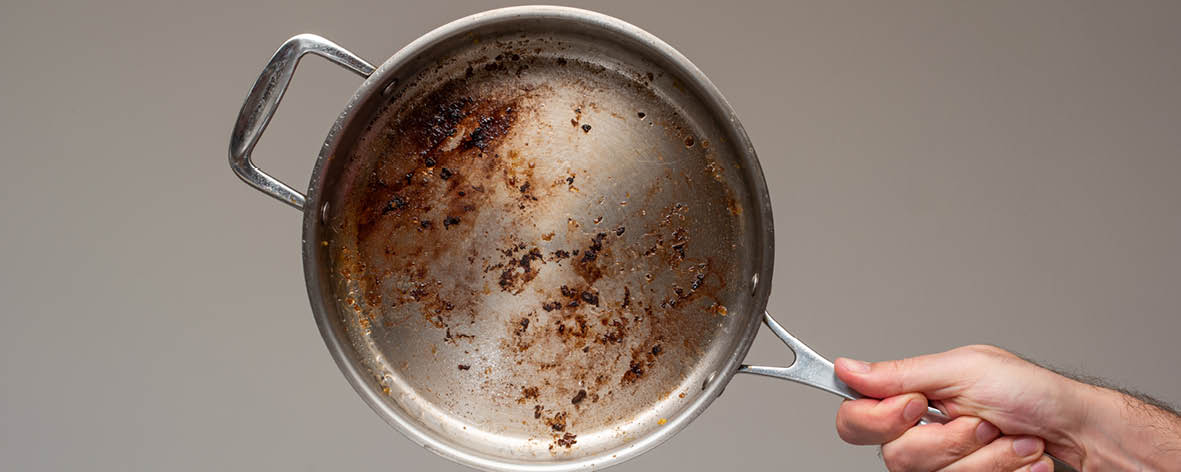
- Stainless steel: great for browning but needs correct heat and oil.
- Cast iron and carbon steel: stick less if well seasoned and hot.
- Ceramic-coated pans: similar to nonstick but can wear faster.
- Aluminum and copper: heat well but surface finish matters.
When you wonder why food sticks to pan, first check what pan you used. A low-cost stainless pan will stick more than a well-seasoned cast iron.
Heat, oil, and timing — the simple rules to stop sticking
Most sticking happens because of three basic mistakes. Fix these and sticking drops a lot.
Rules to follow:
- Preheat the pan until it is evenly hot. A drop of water should dance.
- Add the right fat when the pan is hot, not cold.
- Let food form a crust. Do not move it too soon.
- Use the correct oil for the cooking temperature.
Quick practical steps:
- Heat pan over medium for 1 to 3 minutes.
- Add oil and let it thin and shimmer.
- Add food and leave it alone until it releases.
I learned this from burning eggs early in my career. Once I waited and felt the food release, my pans stopped losing meals.

Fixes and prevention: step-by-step methods for different pans
Here are clear methods you can try based on pan type.
For stainless steel:
- Preheat well then add oil.
- Pat proteins dry before cooking.
- Do not crowd the pan.
For cast iron or carbon steel:
- Keep it seasoned; if it sticks, re-season.
- Use more fat early in cooking.
- Clean gently to keep the seasoning intact.
For nonstick:
- Avoid high heat.
- Use wooden or silicone tools.
- Replace if coating peels or fails.
For eggs and fish:
- Use a nonstick pan or well-seasoned cast iron.
- Cook low and slow for eggs, higher heat for quick sear on fish.
When you know why food sticks to pan, you can pick the right fix. I use these steps every shift and they work.
Cleaning, maintenance, and seasoning to reduce sticking
Caring for pans matters as much as using them. A bad pan will stick no matter your skill.
Maintenance tips:
- Re-season cast iron after heavy use or scrub.
- Avoid metal scrubs on nonstick surfaces.
- Remove burnt food with warm water and baking soda soak.
- Dry pans fully to avoid rust on iron and steel.
Seasoning basics:
- Heat oil in the pan until it smokes lightly, then cool.
- Repeat a few times to build a thin polymer layer.
- This layer acts as a natural nonstick surface.
If you treat pans well, you reduce why food sticks to pan to a rare event.
Common cooking scenarios and quick solutions
Here are answers to typical problems that cause sticking.
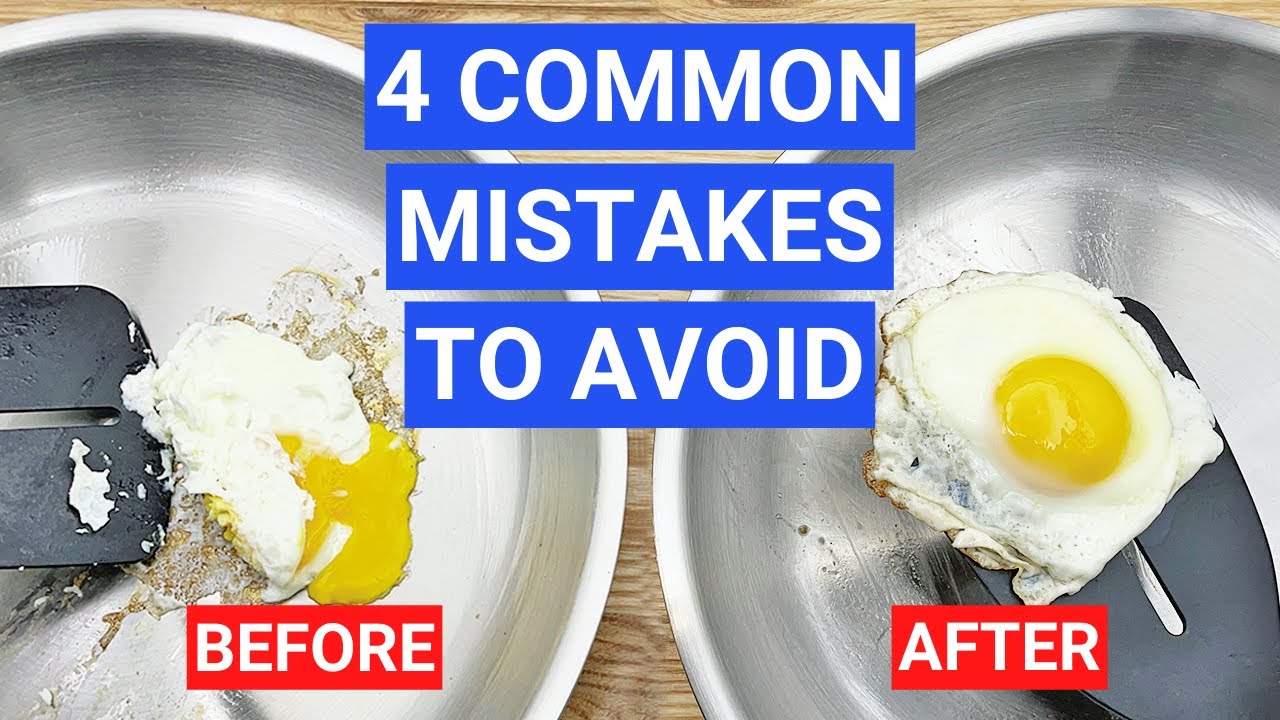
Problem: Eggs stick every time.
- Solution: Use a nonstick pan or well-seasoned cast iron and low heat. Add butter or oil and let eggs set before moving.
Problem: Chicken tears when flipped.
- Solution: Pat chicken dry, preheat pan, add oil, and leave it until it naturally releases.
Problem: Stir-fries stick and burn.
- Solution: Use a hot wok or pan with high-smoke-point oil and cook in batches to avoid crowding.
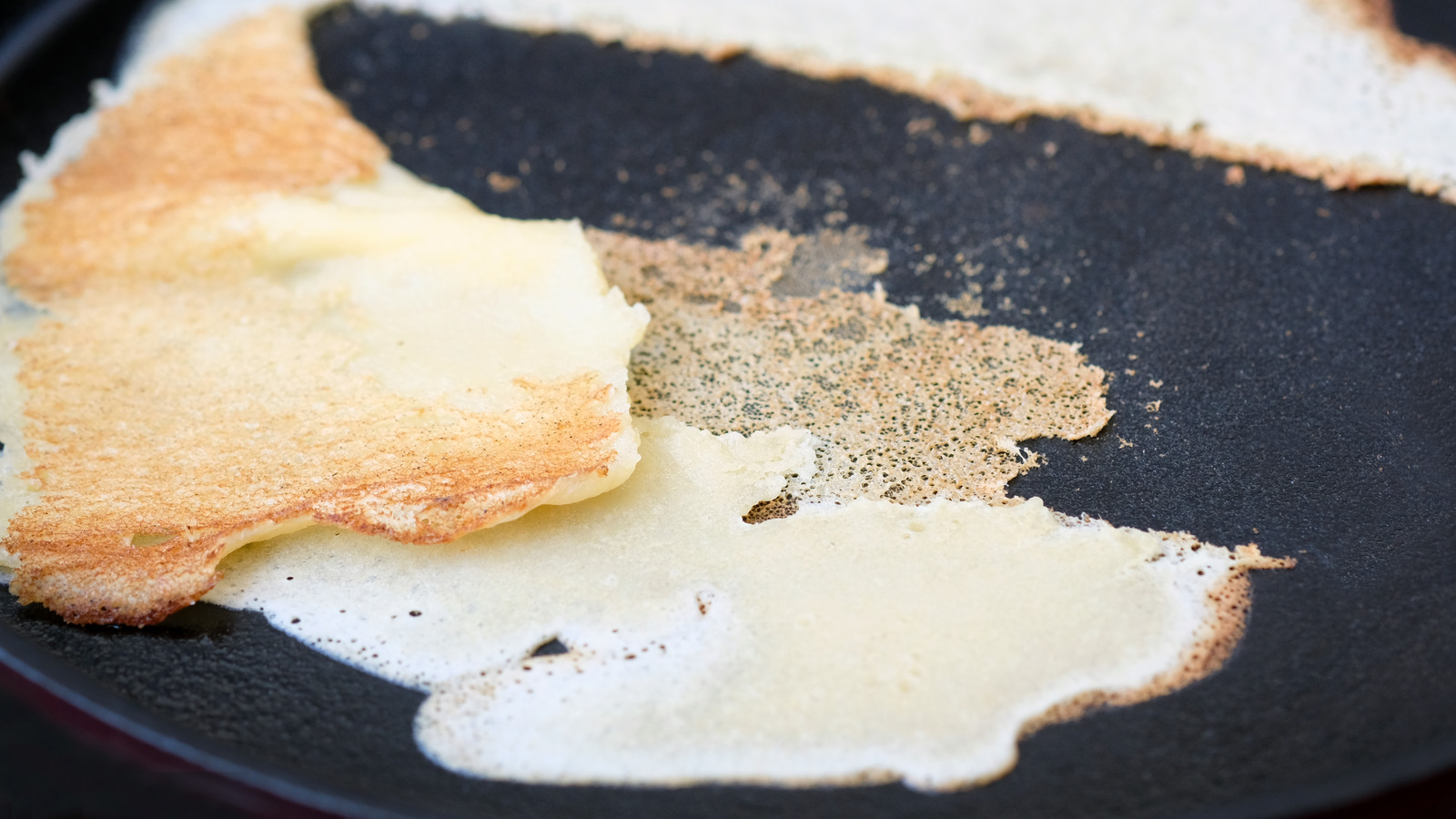
Problem: Pancakes tear when flipped.
- Solution: Make sure batter is not too wet, preheat the pan, and cook until bubbles pop and edges set.
Knowing the why food sticks to pan helps you choose the right fix quickly.
Personal experience, lessons learned, and mistakes to avoid
I burned many pans early on. I learned fast that speed and heat don’t replace technique. A few lessons I share from years in kitchens:
Real lessons:
- I once blamed cheap pans for sticking. The real issue was crowding and low heat.
- Seasoning takes time. I stayed patient and the cast iron repaid me.
- Nonstick pans can fail if overheated. I stopped searing on them.
Mistakes to avoid:
- Do not add food to a cold pan and expect it not to stick.
- Do not scrape hard on a coated pan; you ruin it.
- Do not skip drying and oiling iron pans after washing.
These are the small habits that stop why food sticks to pan for good.
:max_bytes(150000):strip_icc()/GettyImages-685800662-2000-3bd25c6876a3456db354d47145a92f50.jpg)
Frequently Asked Questions of why food sticks to pan
What is the main reason food sticks to pan?
Food most often sticks because the pan is not hot enough or lacks oil. Proteins and sugars bond to the metal when the barrier is missing.
Can oil alone stop food from sticking?
Oil helps a lot but it must be the right oil, spread evenly, and used at the correct temperature. Oil forms a thin layer that cuts contact between food and metal.
Does pan age or wear cause sticking?
Yes. Worn nonstick coatings and scratched metal increase contact and sticking. Proper care and timely replacement fix the issue.
Is seasoning the same as nonstick?
Seasoning creates a thin polymer layer that reduces sticking, but it is not the same as factory nonstick coatings. A good seasoning can work very well.
Why do eggs stick to stainless steel but not to nonstick?
Stainless steel needs precise heat control and oil to prevent bonding. Nonstick coatings reduce direct contact, so eggs slide easily.
Conclusion
You now know why food sticks to pan and how to fix it. Heat, surface, oil, and timing are the main drivers. Use the right pan, preheat it, add oil the right way, and let food form a crust before you move it. Care for your pans and learn a few simple habits and you will see big improvement fast. Try one tip today and note the change. If this helped you, leave a comment or subscribe for more kitchen tips.
