


Thinking about cooking meat in your rice cooker? You absolutely can! This comprehensive guide, updated for 2026, breaks down the best methods for safely and deliciously preparing various meats, from tender chicken to hearty stews. Learn essential techniques, safety tips, and discover exciting recipe ideas to unlock your rice cooker’s full potential beyond just rice. Get ready to expand your culinary horizons with this versatile kitchen appliance!
Can I Cook Meat in a Rice Cooker
You’ve mastered perfectly fluffy rice, but what if you want to go further? The question on many home cooks’ minds in 2026 is: “Can I cook meat in a rice cooker?” The answer is a resounding yes! Your trusty rice cooker is more versatile than you might think. It’s not just for grains; it can be a fantastic tool for preparing tender, flavorful meat dishes with minimal fuss.
This guide will walk you through everything you need to know. We’ll explore the different ways you can cook meat in your rice cooker, from simple steamed chicken to hearty stews. You’ll learn the best meat choices, essential preparation steps, and important safety considerations. Get ready to unlock a new level of convenience and deliciousness in your kitchen!
Key Takeaways
- It’s Possible and Practical: Yes, you can cook many types of meat in a rice cooker, offering a convenient hands-off approach to meal preparation.
- Choose the Right Meat: Smaller, tender cuts of meat like chicken pieces, ground meat, or thinly sliced beef are best suited for rice cooker cooking.
- Understand the Methods: Primarily, meat is cooked in a rice cooker either by steaming it above rice or by using it as a slow-cooker-like appliance for stews and braises.
- Safety First: Always ensure meat reaches a safe internal temperature to prevent foodborne illness. Use a meat thermometer.
- Flavor is Key: Seasoning and marinating meat thoroughly before cooking is crucial for delicious results, as the rice cooker’s environment can be less intense for flavor development than other cooking methods.
- Cleanliness is Crucial: Proper cleaning of the rice cooker after cooking meat is essential to prevent odor transfer and maintain hygiene.
- Don’t Overcrowd: Avoid overfilling the rice cooker pot, as this can lead to uneven cooking and affect the texture of both the meat and any accompanying rice.
Why Cook Meat in a Rice Cooker?
Rice cookers are designed for gentle, consistent heating. This makes them ideal for cooking delicate ingredients and achieving tender results. When it comes to meat, this gentle heat can help break down tougher fibers without drying out the protein. Plus, the “set it and forget it” nature of most rice cookers means you can focus on other tasks while your meal cooks. It’s a perfect solution for busy weeknights or when you want a hands-off approach to cooking.
Understanding Rice Cooker Cooking Methods for Meat
There are two primary ways to cook meat in a rice cooker: steaming and slow-cooking. Each method suits different types of meat and desired outcomes.
Method 1: Steaming Meat Above Rice
This is perhaps the most common and straightforward method for cooking meat in a rice cooker. It’s fantastic for lean proteins like chicken breasts, fish fillets, or even dumplings. The idea is to cook the meat using the steam generated from cooking rice.
Choosing the Right Meat for Steaming
- Chicken: Boneless, skinless chicken breasts or thighs cut into bite-sized pieces or thin strips work wonderfully.
- Fish: Fillets of white fish, salmon, or cod are excellent choices.
- Pork: Thinly sliced pork tenderloin or lean pork chops can also be steamed.
- Tofu/Vegetables: While not meat, this method is also perfect for steaming tofu or firm vegetables alongside your rice.
Preparation Steps
Step 1: Prepare Your Rice
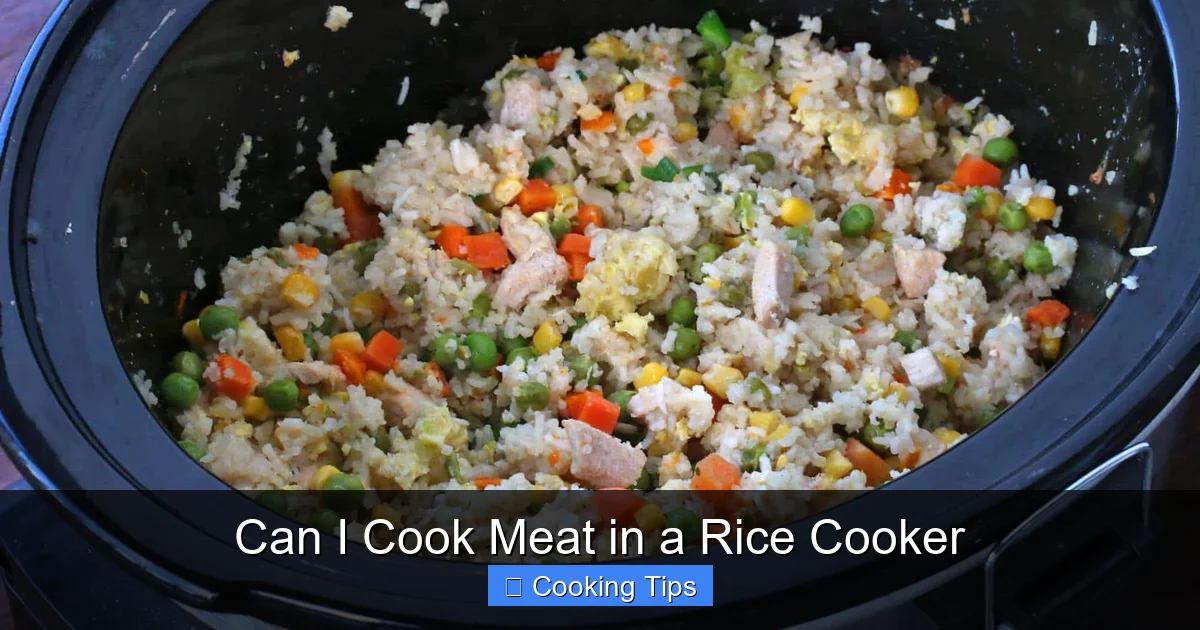
Visual guide about Can I Cook Meat in a Rice Cooker
Image source: daringgourmet.com
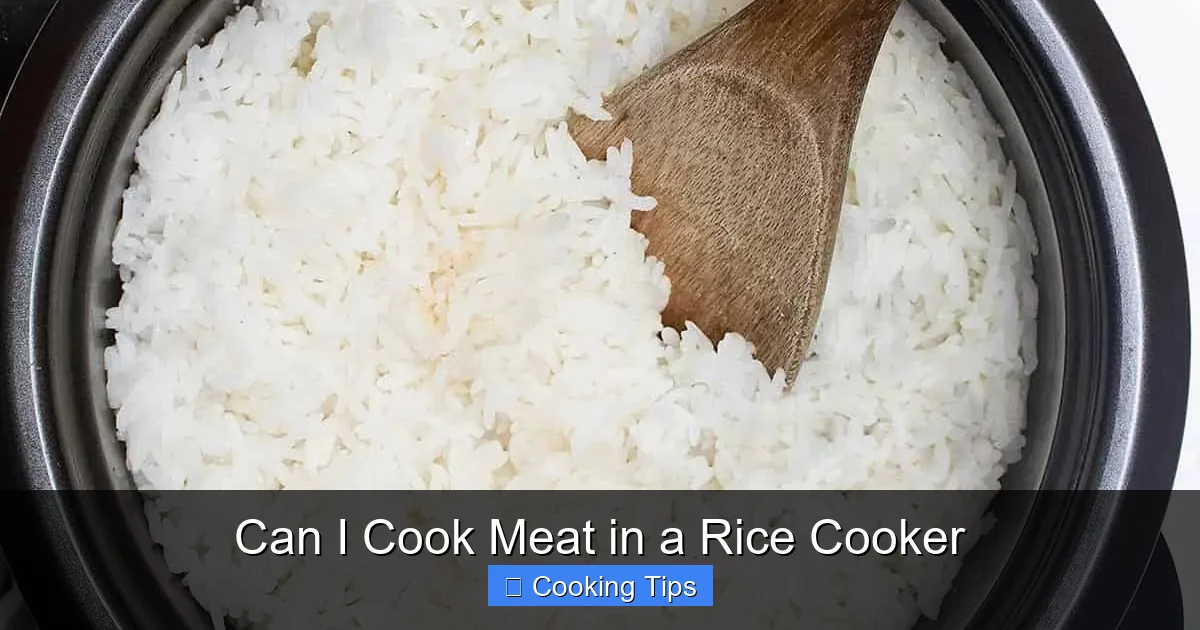
Visual guide about Can I Cook Meat in a Rice Cooker
Image source: storables.com
Start by adding your desired amount of rice and water to the inner pot of your rice cooker. Follow the manufacturer’s instructions for your specific rice cooker and rice type.
Step 2: Prepare the Meat
Cut your chosen meat into uniform, bite-sized pieces. This ensures even cooking. Marinate or season the meat thoroughly. Simple marinades with soy sauce, ginger, garlic, and a touch of honey work exceptionally well. For fish, a sprinkle of salt, pepper, and perhaps some lemon slices is often enough.
Step 3: Arrange the Meat
Place your seasoned meat in a steamer basket or a heat-safe dish that fits inside your rice cooker. If using a dish, ensure it’s large enough to hold the meat without overcrowding. Some rice cookers come with a steamer insert; if yours does, use it!
Step 4: Cook
Once your rice and water are in the pot, place the steamer basket or dish with the meat on top of the rice. Close the lid securely. Select the “cook” or “white rice” setting on your rice cooker. The rice cooker will begin to cook the rice, and the steam generated will cook the meat above.
Step 5: Check for Doneness
Once the rice cooker switches to “warm” (or your cooking cycle finishes), carefully open the lid. Use a meat thermometer to check that the meat has reached a safe internal temperature. For chicken, this is 165°F (74°C); for fish, it’s 145°F (63°C).
Tips for Steamed Meat
- Don’t Overcrowd: Ensure there’s enough space for steam to circulate around the meat.
- Marinades are Your Friend: They add flavor and can help tenderize the meat.
- Cover the Meat: If using a dish, cover it loosely with foil or a lid to trap steam and prevent drying.
Method 2: Using Your Rice Cooker Like a Slow Cooker
Many modern rice cookers have settings beyond just “cook.” Look for “stew,” “porridge,” or even “slow cook” functions. These settings allow for longer, lower-temperature cooking, perfect for braising tougher cuts of meat or making hearty stews.
Choosing the Right Meat for Slow Cooking
- Beef: Chuck roast, beef stew meat, or short ribs are excellent choices.
- Pork: Pork shoulder or pork belly can become incredibly tender.
- Lamb: Lamb shanks or lamb shoulder benefit greatly from slow cooking.
- Ground Meat: You can also make chili or bolognese sauce in this manner.
Preparation Steps
Step 1: Sear the Meat (Optional but Recommended)
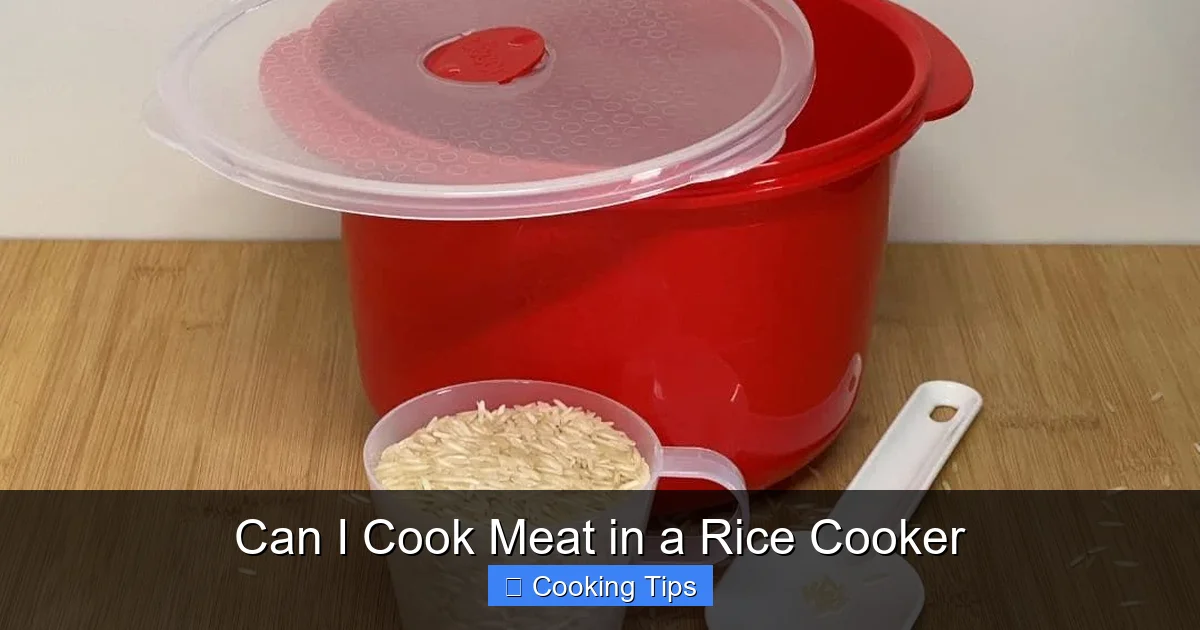
Visual guide about Can I Cook Meat in a Rice Cooker
Image source: i.pinimg.com
For deeper flavor, it’s highly recommended to sear your meat in a separate pan on the stovetop before adding it to the rice cooker. This creates a delicious crust and locks in moisture.
Step 2: Prepare the Rice Cooker Pot
If your rice cooker has a sauté function, you can often sear the meat directly in the inner pot. Otherwise, sear in a pan and then transfer to the rice cooker pot.
Step 3: Add Ingredients
Place the seared meat into the rice cooker pot. Add your liquid (broth, water, wine), vegetables (onions, carrots, potatoes), herbs, and spices. Make sure the liquid covers at least two-thirds of the meat and vegetables.
Step 4: Select the Right Setting
Choose a “stew,” “slow cook,” or “porridge” setting. If your rice cooker doesn’t have these specific options, you might be able to use the “cook” setting for a longer duration, but monitor it closely. Refer to your rice cooker’s manual for recommended settings.
Step 5: Cook and Stir (Occasionally)
Let the rice cooker do its work. For longer cooking times (2-4 hours or more, depending on the cut and setting), it’s a good idea to stir the contents once or twice during the cooking process to ensure even cooking and prevent sticking.
Step 6: Check for Doneness
The meat should be fork-tender and easily shreddable. Use a meat thermometer to ensure all parts have reached a safe internal temperature. For larger cuts of beef or pork, this is typically around 195°F (90°C) for maximum tenderness.
Tips for Slow-Cooked Meat
- Don’t Skip Searing: It significantly enhances the flavor profile of your dish.
- Liquid is Essential: Ensure there’s enough liquid to braise the meat and prevent it from drying out.
- Thicken Sauces: If you desire a thicker sauce, you can remove the meat and vegetables towards the end of cooking and activate a “simmer” or “sauté” function to reduce the liquid, or mix in a cornstarch slurry.
Safety Considerations When Cooking Meat in a Rice Cooker
Food safety is paramount, and this is especially true when cooking meat. Rice cookers, while convenient, operate differently than traditional ovens or stovetops, so a few extra precautions are necessary.
Internal Temperature is Key
The most critical safety measure is ensuring your meat reaches a safe internal temperature. This kills harmful bacteria. Always use a reliable meat thermometer.
- Poultry (Chicken, Turkey): 165°F (74°C)
- Ground Meats (Beef, Pork, Lamb): 160°F (71°C)
- Beef, Pork, Lamb (Steaks, Roasts, Chops): 145°F (63°C) with a 3-minute rest time.
- Fish: 145°F (63°C)
If your meat hasn’t reached the correct temperature, continue cooking it. For steaming, you might need to add more water to the rice cooker and restart the cooking cycle. For slow-cooking methods, continue on the appropriate setting.
Preventing Cross-Contamination
Just like with any raw meat preparation, be mindful of cross-contamination.
- Wash your hands thoroughly with soap and water after handling raw meat.
- Use separate cutting boards and utensils for raw meat and cooked food.
- Clean all surfaces and utensils that came into contact with raw meat immediately after use.
Odor and Residue
Cooking meat can leave behind strong odors and residues in your rice cooker. This is why thorough cleaning is essential.
- Clean Immediately: Wash the inner pot, lid, and any accessories as soon as they are cool enough to handle.
- Use Soap and Water: A good dish soap and warm water should be sufficient for most cleaning.
- Deep Cleaning: For stubborn odors or residues, you can use a mixture of baking soda and water. Let it sit for a while before washing. Some manufacturers recommend specific cleaning agents for their appliances, so check your manual.
Troubleshooting Common Rice Cooker Meat Cooking Issues
Even with the best intentions, sometimes things don’t go as planned. Here are a few common issues and how to solve them:
Issue: Meat is Dry and Tough
Possible Causes: Overcooked, wrong cut of meat for the method, not enough moisture during slow cooking.
Solutions:
- For steaming, ensure you’re using a more tender cut or don’t overcook.
- For slow cooking, ensure there’s enough liquid and don’t cook for too long if using a very tender cut.
- Try marinating tougher cuts to help tenderize them.
Issue: Meat is Not Cooked Through
Possible Causes: Rice cooker not hot enough, overcrowding, insufficient cooking time.
Solutions:
- Double-check that the rice cooker is set to the correct cooking cycle and is functioning properly.
- Ensure you haven’t overcrowded the steamer basket or pot.
- Continue cooking until the meat reaches the safe internal temperature. You may need to restart the cooking cycle.
Issue: Rice Cooker Smells Like Meat Even After Cleaning
Possible Causes: Odor molecules have penetrated the materials.
Solutions:
- Try a deep clean with a baking soda paste.
- Run a cycle with plain water and a few drops of lemon juice or vinegar.
- Some people find that running a plain water cycle with a small amount of white vinegar can help neutralize odors.
Delicious Recipe Ideas for Your Rice Cooker
Ready to get creative? Here are a few ideas to inspire your rice cooker meat adventures:
- Chicken and Broccoli with Rice: Steam chicken pieces marinated in soy sauce, ginger, and garlic above a bed of rice and broccoli florets.
- Shredded Pork Tacos: Use the slow-cook setting with a pork shoulder, salsa, and spices. Shred the pork once tender and serve in tortillas.
- Beef Stew: Sear beef chunks, then slow-cook with carrots, potatoes, onions, and beef broth.
- Teriyaki Salmon: Marinate salmon fillets in teriyaki sauce and steam them above rice for a quick and healthy meal.
Conclusion
So, can you cook meat in a rice cooker? Absolutely! With a little knowledge and the right approach, your rice cooker can become a surprisingly versatile kitchen appliance. Whether you’re steaming delicate chicken or braising a hearty beef stew, the rice cooker offers a convenient and effective way to prepare delicious meat dishes. Remember to prioritize safety by checking internal temperatures and cleaning thoroughly. Embrace this handy gadget and expand your culinary repertoire beyond just perfect rice. Happy cooking in 2026!
