

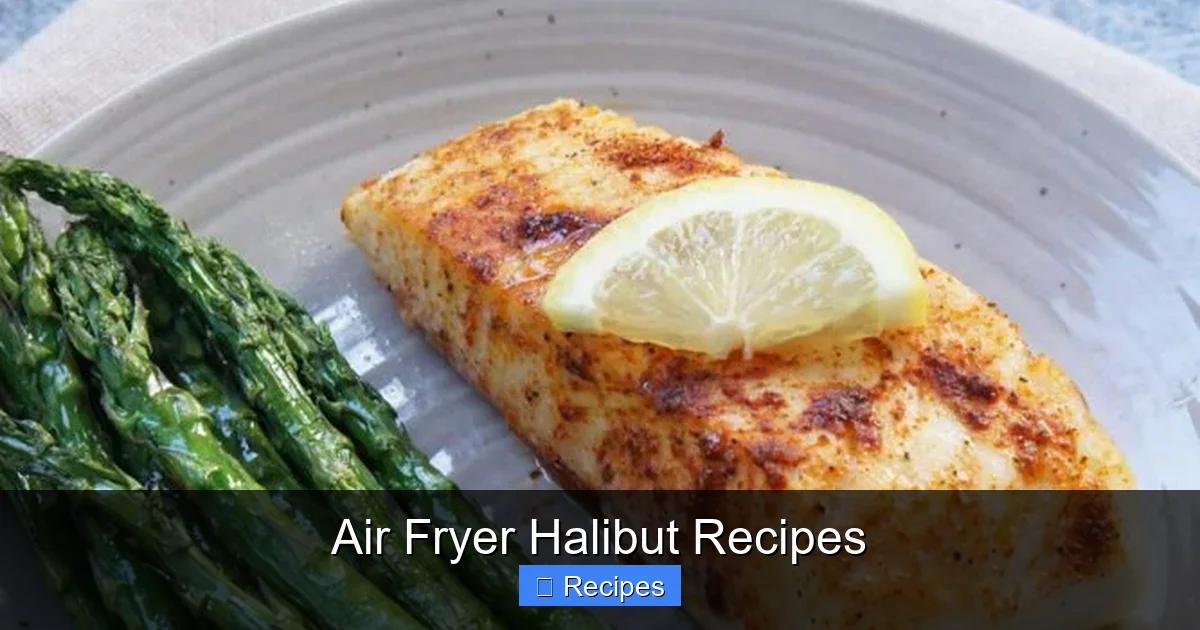
Air fryer halibut is a fast, healthy, and flavorful way to enjoy seafood. With just a few simple ingredients and under 20 minutes of prep time, you can create restaurant-quality meals at home. This guide walks you through the best techniques, seasoning tips, and recipe ideas for juicy, flaky halibut every time.
There’s something special about a perfectly cooked piece of halibut—its mild flavor, tender texture, and elegant presentation make it a favorite among home cooks and chefs alike. But traditional frying or grilling can be messy, oily, or prone to overcooking. Enter: the **air fryer**. This versatile kitchen appliance circulates superheated air around food, delivering a crispy exterior and moist interior—just like deep frying—but with up to 80% less oil. And when it comes to cooking halibut in an air fryer, the results are nothing short of impressive.
Whether you’re new to air fryers or a seasoned pro, this guide will walk you through everything you need to know about making delicious **air fryer halibut recipes**. From choosing the right fillets to mastering timing and seasoning, we’ve got you covered. Plus, we’ll share five mouthwatering recipes that prove how versatile and tasty air-fried fish can be.
Key Takeaways
- Healthy Cooking Method: Air frying uses hot air circulation to cook halibut with little to no oil, preserving nutrients while creating a crispy exterior.
- Quick & Easy Prep: Most air fryer halibut recipes take less than 15 minutes to prepare and cook, ideal for busy weeknights.
- Perfect Texture: When cooked properly, halibut becomes tender, flaky, and slightly golden—without drying out.
- Versatile Seasonings: Lemon, garlic, herbs, and spices like paprika or dill enhance flavor without overpowering the delicate fish.
- Minimal Cleanup: Using parchment liners or non-stick spray makes cleanup faster and easier after cooking.
- Even Cooking Tips: Pat fish dry, avoid overcrowding, and flip halfway through for consistent results every time.
📑 Table of Contents
- Why Choose Air Fryer Halibut?
- Choosing the Right Halibut
- Essential Tools and Preparation Tips
- Best Seasoning Combinations for Air Fryer Halibut
- Five Delicious Air Fryer Halibut Recipes
- Cooking Times and Temperature Guidelines
- Serving Suggestions and Side Dishes
- Cleaning and Maintenance Tips
- Common Mistakes to Avoid
- Conclusion
Why Choose Air Fryer Halibut?
Halibut is a lean white fish known for its firm texture and subtle sweetness. It holds up well during high-heat cooking methods, which makes it ideal for air frying. Unlike more delicate fish like sole or flounder, halibut doesn’t fall apart easily and absorbs flavors beautifully.
One of the biggest advantages of using your air fryer is speed. While traditional oven-baked halibut might take 20–25 minutes, air frying cuts that time nearly in half—usually around 10–14 minutes depending on thickness. That means you can have a nutritious, restaurant-style meal ready in under 30 minutes.
Another benefit? Minimal mess. No greasy pans, no splattering oil, and no standing over a hot stove. Just toss your seasoned halibut in the basket, set the timer, and let the machine do the work.
Choosing the Right Halibut
Not all halibut fillets are created equal. To get the best results, start with fresh or high-quality frozen fillets. Look for skinless, boneless pieces with firm, translucent flesh and a clean, ocean-like smell. Avoid any that smell overly fishy or have a slimy texture.
If buying fresh, aim for fillets that are about ¾ to 1 inch thick—this ensures they cook evenly without drying out. If you’re using frozen halibut, make sure it’s fully thawed before seasoning. Pat it completely dry with paper towels; moisture is the enemy of crispiness in the air fryer.
For convenience, many grocery stores now offer pre-portioned, vacuum-sealed halibut fillets. These often come labeled with weight and thickness, making it easier to estimate cooking times.
Essential Tools and Preparation Tips
Before diving into recipes, gather a few key tools:
– Airtight container or resealable bag for marinating
– Basting brush or small spoon for applying oils or sauces
– Tongs or fork (use gently to avoid breaking the fillet)
– Parchment paper or silicone baking mats (optional but helpful)
To ensure perfect results every time, follow these preparation steps:
Step 1: Pat Dry
Moisture prevents browning and causes steaming instead of frying. Always pat your halibut thoroughly with clean paper towels.
Step 2: Season Generously
Halibut takes well to bold flavors. Try a mix of salt, pepper, garlic powder, lemon zest, or fresh herbs like parsley or dill. For extra richness, a light brushing of olive oil or avocado oil helps the seasonings stick and promotes browning.
Step 3: Arrange Properly
Place fillets in a single layer in the air fryer basket, leaving space between each piece so hot air can circulate freely. Overcrowding leads to uneven cooking and soggy results.
Best Seasoning Combinations for Air Fryer Halibut
The beauty of air fryer halibut lies in its ability to soak up flavor without losing moisture. Here are some tried-and-true seasoning combos:
Classic Lemon-Herb Blend
Combine minced garlic, lemon zest, fresh dill, salt, and black pepper. Rub onto both sides of the fillet and let sit for 10 minutes before cooking. Finish with a squeeze of fresh lemon juice after frying.
Cajun Spice Twist
For a bold kick, coat halibut with Cajun seasoning, smoked paprika, and a touch of cayenne. The smoky notes pair wonderfully with the fish’s natural sweetness.
Mediterranean Medley
Mix oregano, thyme, capers, sun-dried tomato flakes, and a drizzle of olive oil. This combo brings brightness and depth, perfect alongside grilled veggies.
Asian-Inspired Glaze
Brush fillets with a mixture of soy sauce, honey, grated ginger, and sesame oil. Sprinkle with toasted sesame seeds right before serving.
Each of these blends transforms plain halibut into a gourmet dish—all from your trusty air fryer.
Five Delicious Air Fryer Halibut Recipes
Now it’s time to put theory into practice. Below are five easy-to-make recipes that showcase the versatility of air frying halibut.
1. Simple Garlic-Lemon Halibut
This recipe is perfect for beginners. It requires only six ingredients and delivers big flavor.
Ingredients:
– 2 halibut fillets (6 oz each)
– 2 tbsp olive oil
– 2 cloves garlic, minced
– Zest and juice of ½ lemon
– Salt and pepper to taste
– Fresh parsley, chopped (for garnish)
Instructions:
1. Preheat your air fryer to 400°F (200°C).
2. In a small bowl, mix olive oil, garlic, lemon zest, lemon juice, salt, and pepper.
3. Place halibut in the basket and brush generously with the garlic-lemon mixture.
4. Cook for 8–10 minutes, flipping halfway through.
5. Garnish with parsley and serve immediately.
2. Honey-Soy Glazed Halibut
A sweet-savory glaze elevates this dish into dinner-party territory.
Ingredients:
– 2 halibut fillets
– 3 tbsp low-sodium soy sauce
– 1 tbsp honey
– 1 tsp rice vinegar
– ½ tsp grated ginger
– Sesame seeds and green onions for garnish
Instructions:
1. Whisk together soy sauce, honey, vinegar, and ginger.
2. Brush the mixture onto both sides of the halibut.
3. Air fry at 400°F for 9–11 minutes, flipping once.
4. Sprinkle with sesame seeds and green onions before serving.
3. Dijon-Mustard Crusted Halibut
Creamy Dijon adds tang and richness without overwhelming the fish.
Ingredients:
– 2 halibut fillets
– 2 tbsp Dijon mustard
– 1 tbsp mayonnaise
– 1 tsp lemon juice
– Breadcrumbs (panko works best)
– Fresh chives, chopped
Instructions:
1. Mix Dijon, mayo, and lemon juice into a smooth paste.
2. Press breadcrumbs onto the mustard coating.
3. Air fry at 400°F for 10–12 minutes.
4. Top with chives for color and freshness.
4. Spicy Chipotle Halibut
Add a smoky heat with canned chipotle peppers in adobo sauce.
Ingredients:
– 2 halibut fillets
– 1 canned chipotle pepper, finely chopped
– 1 tbsp adobo sauce
– 1 tbsp lime juice
– Cilantro leaves
Instructions:
1. Blend chipotle, adobo, and lime juice into a paste.
2. Coat halibut evenly and let marinate for 10 minutes.
3. Air fry at 400°F for 9–11 minutes.
4. Garnish with cilantro and serve with warm tortillas or rice.
5. Herb-Rubbed Rosemary Halibut
Fresh rosemary and thyme bring earthy warmth to this rustic recipe.
Ingredients:
– 2 halibut fillets
– 2 tbsp olive oil
– 1 tbsp chopped fresh rosemary
– 1 tbsp chopped thyme
– Salt and cracked black pepper
Instructions:
1. Combine oil, rosemary, thyme, salt, and pepper.
2. Rub onto halibut and let rest 5 minutes.
3. Air fry at 400°F for 8–10 minutes.
4. Serve with roasted potatoes or steamed asparagus.
Each recipe highlights how different flavor profiles shine when cooked in an air fryer. You’ll find that even subtle changes—like adding citrus or switching herbs—can dramatically alter the dish.
Cooking Times and Temperature Guidelines
Getting the temperature and timing right is crucial for juicy, tender halibut. Too hot or too long = dry fish. Too cool or too short = undercooked.
Recommended settings:
– Temperature: 400°F (200°C)
– Time: 8–12 minutes total (depending on thickness)
– Flip: Once halfway through cooking
For reference:
– Thin fillets (½ inch): 8–9 minutes
– Medium fillets (¾ inch): 10–11 minutes
– Thick fillets (1+ inch): 12–14 minutes
Use a meat thermometer inserted into the thickest part of the fillet to check doneness. Internal temperature should reach 145°F (63°C). At this point, the fish will be opaque and flake easily with a fork.
Pro tip: If your air fryer model runs hotter or cooler than others, start checking at the lower end of the time range and adjust accordingly.
Serving Suggestions and Side Dishes
Air fryer halibut pairs beautifully with a variety of sides. Consider these combinations:
– Rice pilaf with saffron or lemon for brightness
– Roasted Brussels sprouts tossed in balsamic glaze
– Garlic mashed potatoes for comfort
– Caprese salad with fresh basil and mozzarella
– Steamed green beans with almonds and lemon zest
For a complete meal, serve halibut atop a bed of quinoa or farro mixed with cherry tomatoes, cucumber, and feta cheese. The contrast of textures and flavors is delightful.
Don’t forget drinks! A crisp Sauvignon Blanc, sparkling water with lime, or herbal iced tea complements the mild taste of halibut perfectly.
Cleaning and Maintenance Tips
After enjoying your delicious air fryer halibut, cleaning up shouldn’t be a chore. Follow these steps for hassle-free maintenance:
– Let the basket cool completely before washing (never immerse hot parts in water)
– Use warm, soapy water and a soft sponge—avoid abrasive scrubbers
– For stubborn residue, soak the basket in warm water with a drop of dish soap for 10–15 minutes
– Dry thoroughly before storing
You can also line the basket with parchment paper for easy cleanup—especially useful when using sticky sauces like honey-soy or Dijon glazes. Reusable parchment sheets designed for air fryers are widely available and cost-effective over time.
Regular cleaning prevents buildup, maintains airflow efficiency, and keeps your air fryer odor-free. For deep cleans, try using a paste of baking soda and water or a solution of equal parts vinegar and water. Rinse well afterward.
Common Mistakes to Avoid
Even experienced cooks make errors when working with fish in an air fryer. Here are the most common pitfalls—and how to dodge them:
– Overcrowding the basket: This blocks airflow and leads to uneven cooking. Cook in batches if needed.
– Not preheating: Skipping this step can result in pale, undercooked fish. Always preheat for 3–5 minutes.
– Using wet marinades or excess liquid: Excess moisture steams the fish instead of crisping it. Keep marinades oil-based or apply them right before cooking.
– Skipping the flip: Flipping ensures even browning and cooking. Don’t skip this step!
– Opening the drawer too often: Every time you open the door, heat escapes. Wait until the cycle ends or use the “shake” feature if your model has one.
By avoiding these mistakes, you’ll consistently achieve golden, flaky halibut that melts in your mouth.
Conclusion
Cooking halibut in an air fryer isn’t just convenient—it’s transformative. You get the crisp, golden crust you love from frying, but with far less oil, fewer calories, and almost zero mess. Whether you’re preparing a quick family dinner or impressing guests with a gourmet dish, these **air fryer halibut recipes** deliver on every front.
From classic lemon-herb versions to bold spicy twists, there’s a flavor profile to suit every palate. And because air fryers cook so quickly, you spend less time waiting and more time enjoying your meal.
So next time you’re craving something light yet satisfying, reach for your air fryer and treat yourself to perfectly cooked halibut. Your taste buds—and your schedule—will thank you.
Looking for more inspiration? Check out our collection of Air Fryer Recipes For Quick Weeknight Meals or explore creative ways to use your air fryer beyond fish, like zucchini fries or garlic-lemon salmon. The possibilities are endless!
Frequently Asked Questions
How long does it take to cook halibut in an air fryer?
Most halibat fillets take 8–12 minutes at 400°F (200°C), depending on thickness. Thin fillets cook faster, while thicker ones may need up to 14 minutes. Always check for internal temperature of 145°F (63°C) to ensure doneness.
Can I cook frozen halibut in the air fryer?
Yes, but it’s best to thaw first. Fully defrosted halibut cooks more evenly and develops better texture. If you must use frozen, add 3–5 extra minutes and monitor closely to avoid drying out.
Do I need to flip the halibut while air frying?
Yes! Flipping halfway through ensures even browning and cooking. Use tongs or a fork gently to avoid breaking the delicate fillet.
What’s the best oil to use for air frying halibut?
Neutral oils like avocado or olive oil work well due to their high smoke points. A light brushing helps seasonings adhere and promotes crispiness without greasiness.
Can I reheat leftover air fryer halibut?
Absolutely! Wrap leftovers in foil and reheat in the air fryer at 350°F for 3–5 minutes. Alternatively, slice and pan-sear briefly for added texture.
Is air frying halibut healthier than deep frying?
Yes! Air frying uses little to no oil, reducing fat and calorie content significantly compared to deep frying. It also preserves more nutrients since there’s no submersion in hot oil.
