

Master cooking temps: know safe ranges, when to use them, and how to read thermometers.
I have cooked for years and taught home cooks how to nail heat. This beginner guide to cooking temperature breaks down why temps matter, which numbers to trust, and how to cook food that is safe and tasty. Read on for simple rules, clear examples, and real tips from my kitchen to yours.
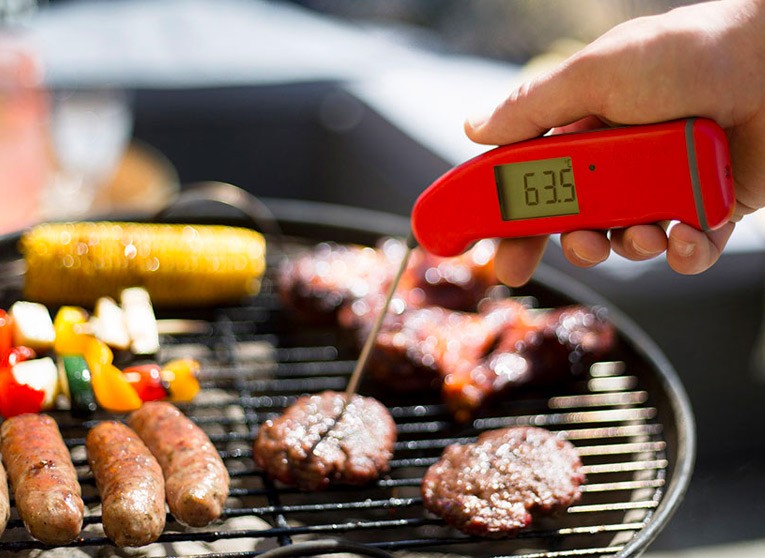
Understanding cooking temperature basics
Temperature controls texture, flavor, and safety. This beginner guide to cooking temperature explains the science without the jargon. Heat denatures proteins, melts fats, and activates starches. Knowing safe internal temperatures helps avoid foodborne illness and dry meat.
I once overcooked a roast because I trusted time, not temp. That taught me to always use a thermometer and to trust numbers over clocks. In this guide you will learn the key temps to aim for and how to read them.
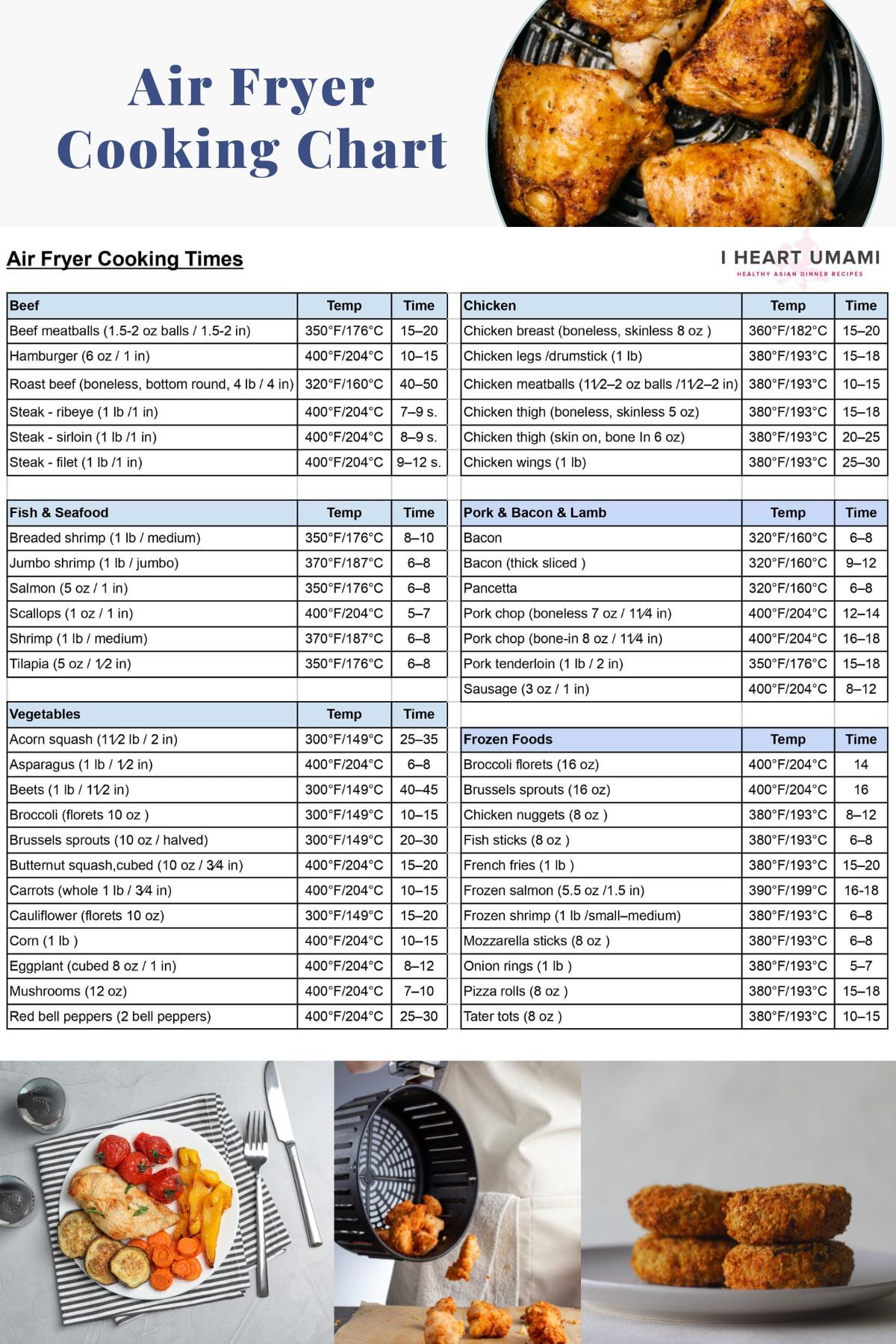
Common temperature ranges and what they mean
Here are simple ranges to memorize. This beginner guide to cooking temperature uses easy bands you can remember.
- 0–40°F: Refrigerator safe zone. Slow bacteria growth.
- 40–140°F: Danger zone. Bacteria grow fast. Avoid long holds.
- 140–165°F: Hot holding and safe internal temps for many foods.
- 212°F: Water boiling point at sea level. Useful for boiling eggs and pastas.
- 325–450°F: Common oven ranges for roasting and baking.
Use these ranges when planning. Keep hot food hot and cold food cold.

Cooking temperatures for proteins
Proteins need precise temps for safety and texture. This beginner guide to cooking temperature lists clear targets.
- Chicken and turkey: Cook to 165°F. Measured in the thickest part. This ensures safety and moistness.
- Ground meats: Cook to 160°F for beef, pork, veal, and lamb. Ground meat heats faster and needs a higher temp.
- Beef and lamb cuts: Rare 125°F, medium-rare 135°F, medium 145°F, well-done 160°F. Use carryover cooking rules.
- Pork: Cook whole cuts to 145°F, then rest 3 minutes. This gives safe yet juicy pork.
- Fish and shellfish: 145°F or until flesh is opaque and flakes easily. Thicker fish may take a bit longer.
Tip: Insert the probe into the thickest part. Avoid bones and fat pockets. Rest meat after cooking to let juices redistribute.
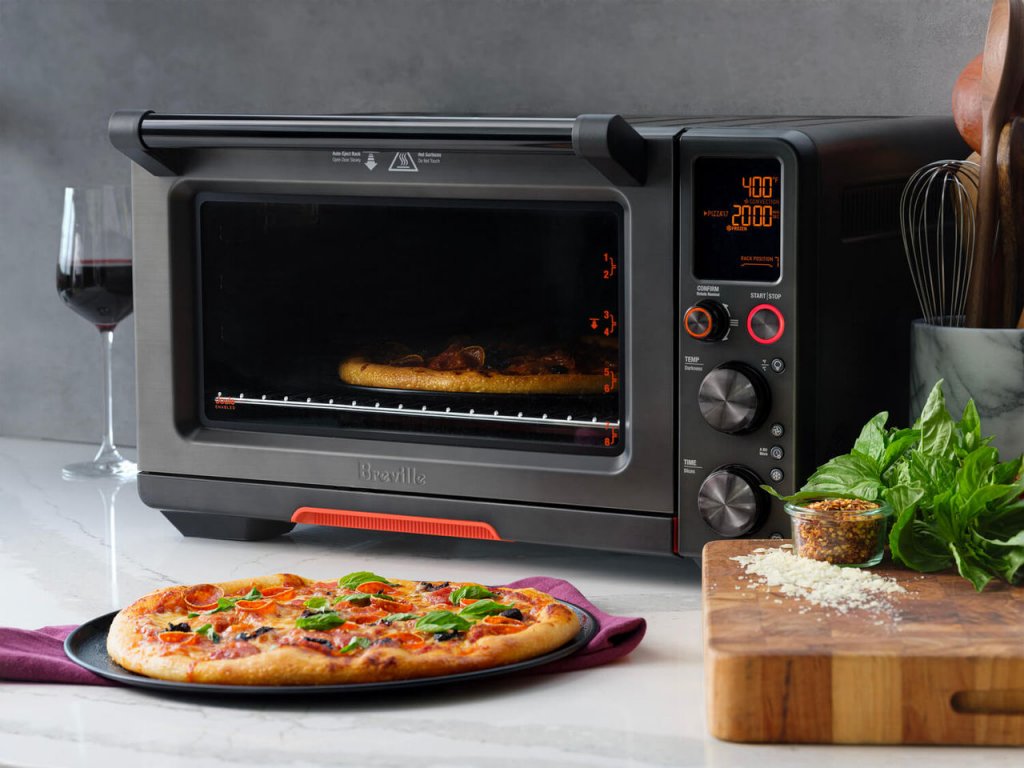
Vegetables, grains, and baked goods
Not all foods need a meat thermometer. This beginner guide to cooking temperature shows what matters.
- Roasting vegetables: 375–425°F for caramelization. Toss in oil and spread in a single layer.
- Potatoes: Bake at 400°F until tender. Test with a fork.
- Rice and grains: Simmer at low boil, then cover and steam at low heat. Follow package ratios.
- Breads and cakes: Breads often bake at 350–475°F. Cakes bake at 325–375°F. Internal temp for bread is about 190–210°F for doneness.
Texture is the goal for veggies and grains. Use touch and small tests, not only temps.
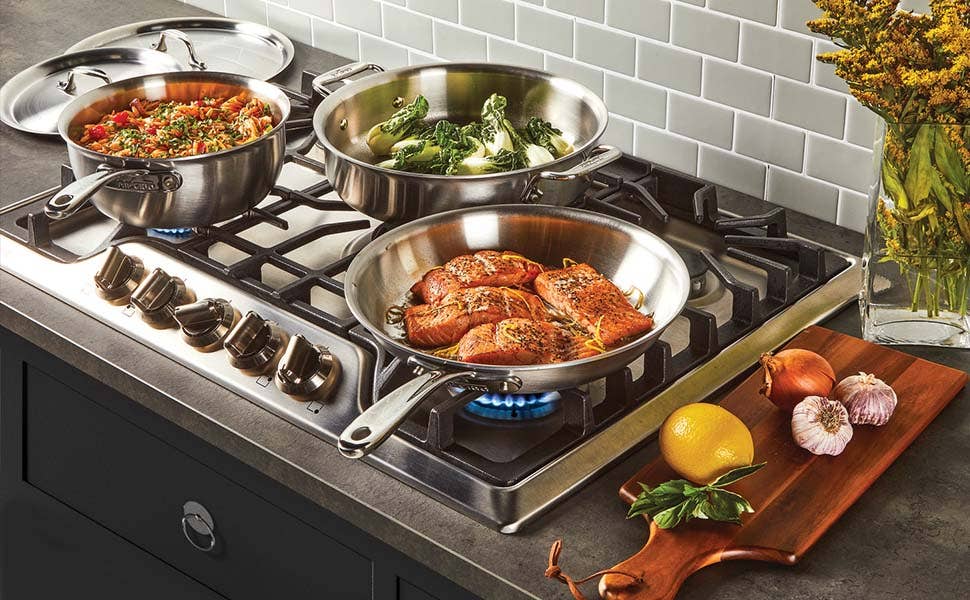
Tools and methods to measure temperature
Good tools make good food. This beginner guide to cooking temperature covers what to buy and why.
- Instant-read thermometer: Fast and handy for meats. Insert and read in seconds.
- Leave-in probe thermometer: Great for roasts and smokers. Monitors temp while cooking.
- Oven thermometer: Ovens often run hot or cold. Place one on the rack to check.
- Candy or deep-fry thermometer: Needed for candy and frying to hit precise temps.
Calibration is simple. Use the ice test: place probe in ice water; it should read 32°F. If not, adjust mentally or calibrate if possible.

Practical tips, safety, and common mistakes
Small habits cut big errors. This beginner guide to cooking temperature shares tips I use every day.
- Trust numbers over time. Meat size, shape, and starting temp change cooking time.
- Let food rest. A roast gains 5–10°F while resting. This improves juiciness.
- Avoid the danger zone. Chill leftovers within two hours and reheat to at least 165°F.
- Beware of carryover cooking. Remove food a few degrees below target to avoid overcooking.
- Clean probes between uses to prevent cross-contamination.
I once served chicken that looked done but was under 165°F inside. That mistake taught me to always check the thickest spot. Now I rarely guess. Use these habits to cook with confidence.
Frequently Asked Questions of beginner guide to cooking temperature
What temperature should chicken reach to be safe?
Cook chicken to 165°F in the thickest part. This kills harmful bacteria and keeps meat moist when rested.
Can I use the oven temperature to judge doneness?
Oven temp helps, but doneness is best judged by internal temperature. A thermometer gives reliable results.
How much does resting affect internal temperature?
Resting raises internal temp by about 5–10°F depending on size. It also helps juices settle and improves texture.
Is it safe to cook steak at low temperatures?
Yes, slow cooking at low temps can be safe if you reach the proper internal temp. Searing after low cooking adds flavor and crust.
How often should I calibrate my thermometer?
Check calibration monthly or after drops and knocks. Simple ice and boiling tests will reveal accuracy.
Can I reuse a thermometer between raw and cooked foods?
You can reuse it if you wash and sanitize the probe between uses. This prevents cross-contamination and foodborne illness.
Conclusion
Mastering heat makes cooking easier and safer. This beginner guide to cooking temperature gives clear temps, simple tools, and practical tips to help you cook with confidence. Start using a thermometer, memorize a few key temps, and let rest time do some work for you. Try one new temp rule this week and note the difference in taste and texture. Share your wins or questions below and keep practicing to get even better.
