

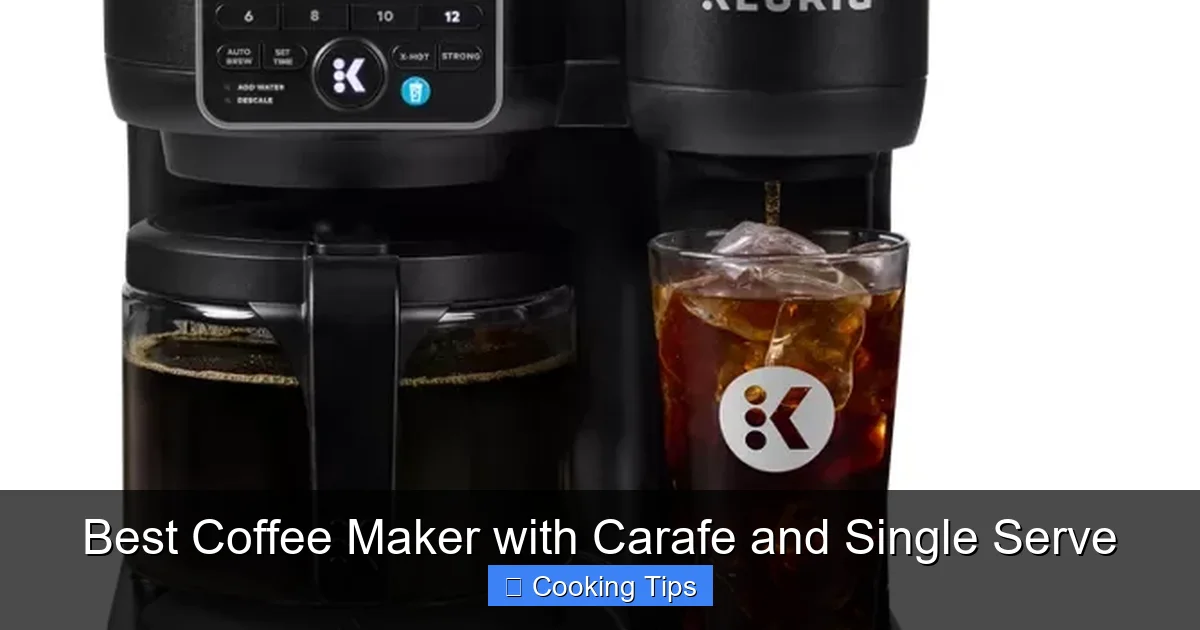
Discover the ultimate coffee brewing solution: a coffee maker with both a carafe and single-serve options. This comprehensive guide will walk you through choosing the best coffee maker with carafe and single serve for your needs, from understanding its features to mastering its use and maintenance. Get ready to enjoy delicious coffee, brewed your way, every time.
Best Coffee Maker with Carafe and Single Serve: Your Ultimate Brewing Guide
Are you tired of choosing between brewing a full pot of coffee for guests or a quick single cup for yourself? The good news is, you don’t have to! The market is brimming with innovative coffee makers that offer the best of both worlds: a convenient carafe for brewing larger batches and a single-serve option for those solo mornings or afternoon pick-me-ups. This guide will help you navigate the exciting world of these versatile machines, ensuring you find the best coffee maker with carafe and single serve to fit your lifestyle and elevate your coffee experience.
We’ll cover everything from understanding the unique features of these dual-purpose brewers to making an informed purchasing decision. You’ll learn how to set up and use your new machine, discover tips for brewing the perfect cup, and get essential advice on cleaning and maintenance to ensure your investment lasts for years to come. Get ready to become a coffee brewing expert!
Key Takeaways
- Versatility is King: A dual coffee maker offers the best of both worlds, catering to individual preferences and larger gatherings with ease.
- Consider Your Needs: Evaluate brew capacity, single-serve compatibility (pods vs. ground coffee), ease of use, cleaning, and budget when selecting a model.
- Brewing Options Matter: Look for features like brew strength control, programmable timers, and temperature settings to personalize your coffee experience.
- Maintenance is Key to Longevity: Regular cleaning, including descaling, is crucial for maintaining optimal performance and coffee flavor.
- Troubleshooting Common Issues: Understand how to address minor problems like slow brewing or weak coffee to keep your machine running smoothly.
- Maximizing Flavor: Use fresh, quality coffee beans and the correct grind size for both carafe and single-serve brewing for the best taste.
Understanding the Dual Coffee Maker Advantage
The primary appeal of a coffee maker with carafe and single serve functionality lies in its unparalleled flexibility. Imagine this: it’s a busy weekday morning, and you need a quick cup of coffee to go. Your dual brewer handles it with ease. Later that day, friends drop by unexpectedly, and you can effortlessly brew a full pot to share. This adaptability makes it an ideal appliance for any kitchen, whether you live alone, with a partner, or are frequently entertaining.
Carafe Brewing Benefits
The carafe side of these machines is perfect for situations where you need multiple servings. Whether it’s fueling a family breakfast, powering through a work meeting, or simply enjoying a leisurely weekend morning with refills, the carafe ensures you have enough coffee for everyone. Most carafes are insulated or designed to keep coffee warm for an extended period, so your last cup is as hot as the first.
Single-Serve Convenience
The single-serve option is a game-changer for individual coffee drinkers. It eliminates the waste of brewing a full pot when only one cup is needed. Many single-serve brewers use K-Cups or other proprietary pods, offering a vast array of coffee, tea, and hot chocolate flavors. However, some models also allow you to use your own ground coffee in a reusable filter, giving you more control over your beverage.
Choosing the Best Coffee Maker with Carafe and Single Serve
With so many options available, selecting the right dual coffee maker can feel overwhelming. Here’s a breakdown of key factors to consider to ensure you find the perfect fit:
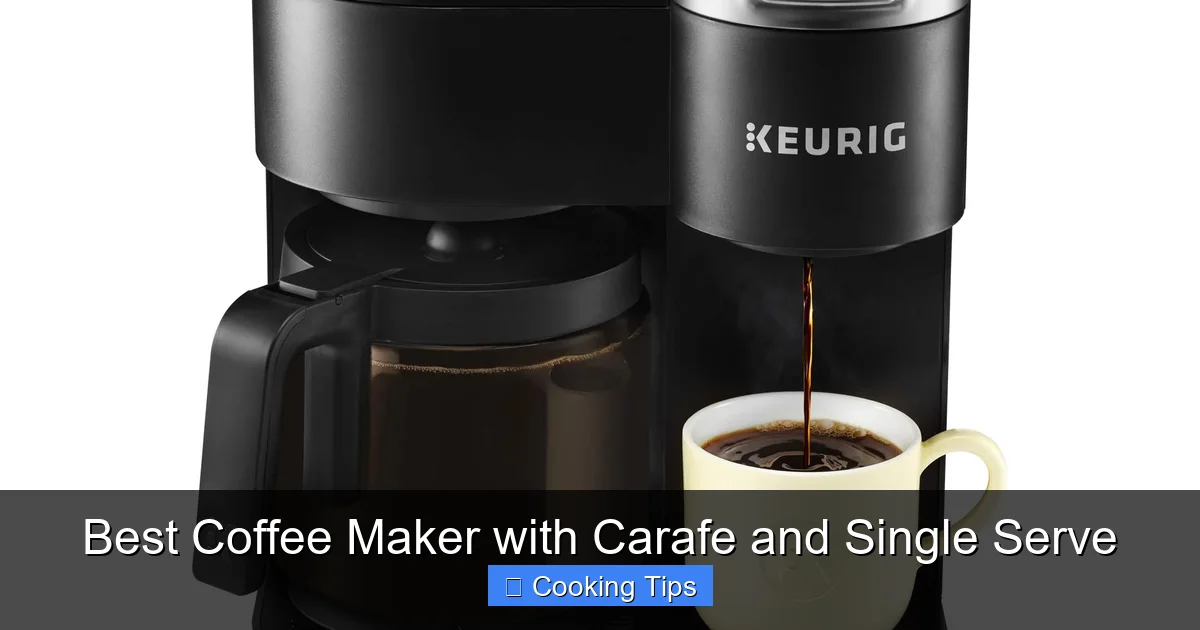
Visual guide about Best Coffee Maker with Carafe and Single Serve
Image source: m.media-amazon.com
Brew Capacity and Size
- Carafe Size: How many cups do you typically need? Coffee maker carafes range from small 4-cup to large 12-cup or even 14-cup capacities. Consider your household size and how often you entertain.
- Single-Serve Options: Do you prefer K-Cup compatibility, or do you want the flexibility to use your own grounds? Some machines offer both, while others specialize in one.
- Countertop Space: These machines can be larger than single-function brewers. Measure your available counter space before purchasing.
Brewing Features and Customization
- Brew Strength Control: This allows you to adjust how strong your coffee is brewed, from a mild flavor to a bold kick.
- Programmable Timer: Wake up to freshly brewed coffee by setting a timer the night before. This is a highly sought-after feature for busy mornings.
- Temperature Control: Some high-end models offer adjustable brew temperatures, allowing you to optimize for different coffee types.
- Pause-and-Serve: This handy feature lets you sneak a cup from the carafe before the full brew cycle is complete.
Ease of Use and Cleaning
- Water Reservoir: Is it easy to access and fill? Some have removable reservoirs, which are convenient for cleaning.
- Filter Type: Does it use paper filters, a permanent gold-tone filter, or both? Consider ongoing costs and environmental impact.
- Cleaning Cycles: Many machines have a dedicated cleaning or descale function, simplifying maintenance.
- Dishwasher-Safe Parts: Check if the carafe, brew basket, and drip tray are dishwasher safe for easier cleanup.
Budget Considerations
Dual coffee makers span a wide price range. Basic models might be more budget-friendly, while those with advanced features like Wi-Fi connectivity or multiple brew sizes will naturally cost more. Determine your budget beforehand and look for models that offer the best value for your money.
Setting Up and Using Your Dual Coffee Maker
Once you’ve chosen your ideal coffee maker, the next step is to set it up and start brewing. It’s usually a straightforward process, but following these steps will ensure optimal performance from the start.
Initial Cleaning and Priming
Before your first brew, it’s essential to clean the machine. Most manufacturers recommend running a full brew cycle with just water and no coffee. This rinses out any manufacturing residue or dust from packaging.
Step 1: Wash the carafe, lid, and brew basket with warm, soapy water. Rinse thoroughly.
Step 2: Fill the water reservoir to the maximum fill line with fresh, cold water.
Step 3: Place the empty brew basket and carafe in their usual positions.
Step 4: Run a full brew cycle using only water. Discard the water afterwards.
Step 5: Repeat this process 1-2 more times.
Brewing with the Carafe
Brewing a pot of coffee is familiar territory for most coffee lovers.
Step 1: Add a paper filter or the permanent filter to the brew basket.
Step 2: Measure your desired amount of coffee grounds into the filter. A general guideline is 1-2 tablespoons of coffee per 6 ounces of water, but adjust to your taste.
Step 3: Fill the water reservoir with the desired amount of fresh, cold water, matching the number of cups you intend to brew.
Step 4: Place the carafe on the warming plate.
Step 5: Select your desired brew strength (if applicable) and press the brew button.
Step 6: Once brewing is complete, enjoy your hot coffee! Most machines will keep the carafe warm for a set period.
Brewing a Single Serve
The single-serve function varies slightly between models, but the general process is similar.
For Pod-Based Single Serve:
Step 1: Ensure the water reservoir is filled to at least the minimum single-serve line.
Step 2: Place your mug on the drip tray. If using a taller mug, you might need to remove the drip tray entirely.
Step 3: Open the single-serve brew head and insert your K-Cup or compatible pod.
Step 4: Close the brew head securely.
Step 5: Select your desired cup size (e.g., 6oz, 8oz, 10oz) and press the brew button.
Step 6: Once brewing is finished, carefully remove your mug and enjoy your personalized coffee.
For Single Serve with Ground Coffee:
Step 1: If your machine has a separate single-serve brew basket for grounds, insert it.
Step 2: Add your desired amount of ground coffee to the single-serve basket.
Step 3: Place your mug on the drip tray.
Step 4: Fill the water reservoir to the desired level for your single cup.
Step 5: Select the single-serve option and press brew.
Tips for the Perfect Brew
Achieving a delicious cup of coffee isn’t just about the machine; it’s also about the ingredients and technique. Here are some tips to elevate your coffee game:
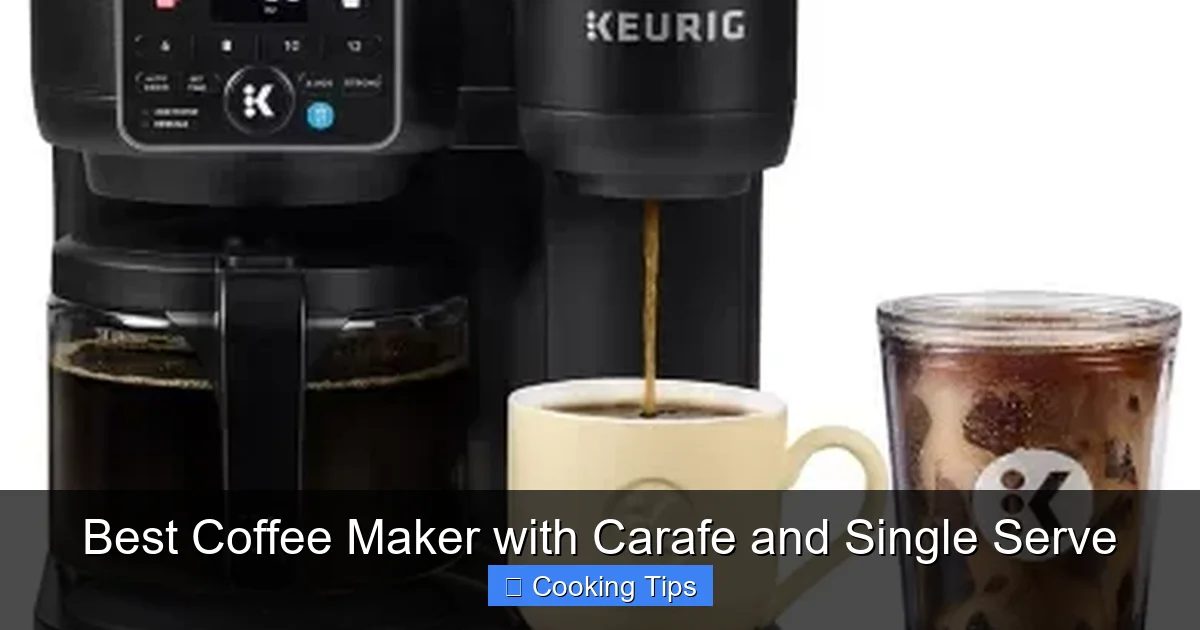
Visual guide about Best Coffee Maker with Carafe and Single Serve
Image source: media.kohlsimg.com
- Use Fresh, Quality Beans: The flavor of your coffee starts with the beans. Buy whole beans and grind them just before brewing for the freshest taste.
- Grind Size Matters: For drip coffee makers (carafe brewing), a medium grind is usually best. For single-serve brewers using grounds, a slightly finer grind might be preferable, but check your machine’s manual.
- Filtered Water is Key: Coffee is over 98% water, so the quality of your water significantly impacts the taste. Use filtered or bottled water if your tap water has a strong taste.
- Measure Accurately: Use a kitchen scale for precise measurements of coffee and water. The ideal coffee-to-water ratio is generally 1:15 to 1:18 (e.g., 1 gram of coffee to 15-18 grams of water). For simpler measurement, use 1-2 tablespoons of grounds per 6 ounces of water.
- Pre-heat Your Mug: For both carafe and single-serve brews, rinsing your mug with hot water before brewing can help maintain the coffee’s temperature.
- Experiment with Brew Strength: Don’t be afraid to adjust the brew strength settings or the amount of coffee grounds to find what suits your palate best.
- Clean Your Brewer Regularly: This cannot be stressed enough! A clean machine makes for better-tasting coffee.
Cleaning and Maintenance for Longevity
Regular cleaning is crucial for the performance and longevity of your best coffee maker with carafe and single serve. Coffee oils can build up, affecting flavor, and mineral deposits from water can clog the internal components.
Daily Cleaning
- After each use: Discard used coffee grounds and rinse the brew basket and carafe thoroughly.
- Wipe down the exterior: Use a damp cloth to wipe down the outside of the machine to prevent spills from drying on.
- Empty and dry the drip tray: If removable, this makes cleaning easier.
Weekly Cleaning
- Wash removable parts: Wash the brew basket, carafe, and lid in warm, soapy water. If they are dishwasher safe, this is a good time to run them through a cycle.
- Wipe down the warming plate: Ensure it’s cool and unplugged before wiping.
Monthly Descaling
Descaling removes mineral buildup (limescale) that can affect brewing temperature, speed, and ultimately, the taste of your coffee. Most manufacturers recommend descaling every 1-3 months, depending on your water hardness and usage.
Step 1: Fill the water reservoir with a mixture of one part white vinegar to two parts water, or use a commercial descaling solution according to the product’s instructions.
Step 2: Place the empty carafe and brew basket in position.
Step 3: Run a full brew cycle.
Step 4: Discard the cleaning solution and rinse the carafe and brew basket thoroughly.
Step 5: Run 2-3 full brew cycles with fresh, cold water to rinse out any remaining vinegar or descaling solution. This is very important to avoid a vinegary taste in your coffee.
Note: Always refer to your coffee maker’s user manual for specific cleaning and descaling instructions, as they can vary by model and brand.
Troubleshooting Common Issues
Even with the best care, you might encounter minor issues with your dual coffee maker. Here are some common problems and their solutions:
- Coffee is brewing slowly: This is often a sign of mineral buildup. It’s time to descale your machine. Ensure you are using the correct amount of water and coffee grounds.
- Coffee tastes weak or watery: You might be using too little coffee grounds, or the grind size is too coarse. Try increasing the amount of coffee or using a finer grind. Also, ensure you are using fresh coffee beans.
- Coffee tastes bitter: This can be due to using too much coffee, a grind that is too fine, or a dirty machine. Try reducing the coffee amount, using a coarser grind, or descale/clean your brewer.
- Coffee maker is leaking: Check that the carafe is properly seated, the brew basket is correctly inserted, and that the water reservoir is not overfilled. Also, inspect the machine for any cracks or damage.
- Single-serve brewer not working: Ensure the pod is properly seated, the brew head is closed, and the water reservoir has sufficient water. Check if the pod itself is damaged or if the machine’s needle is clogged (refer to your manual for cleaning instructions).
Conclusion
A coffee maker with carafe and single serve capabilities offers an unmatched level of convenience and versatility for any coffee lover. By understanding your needs, carefully selecting a model with the right features, and committing to regular cleaning and maintenance, you can enjoy delicious, perfectly brewed coffee, exactly how you like it, every single day. Embrace the flexibility, experiment with different beans and brews, and make your best coffee maker with carafe and single serve the heart of your kitchen.
