

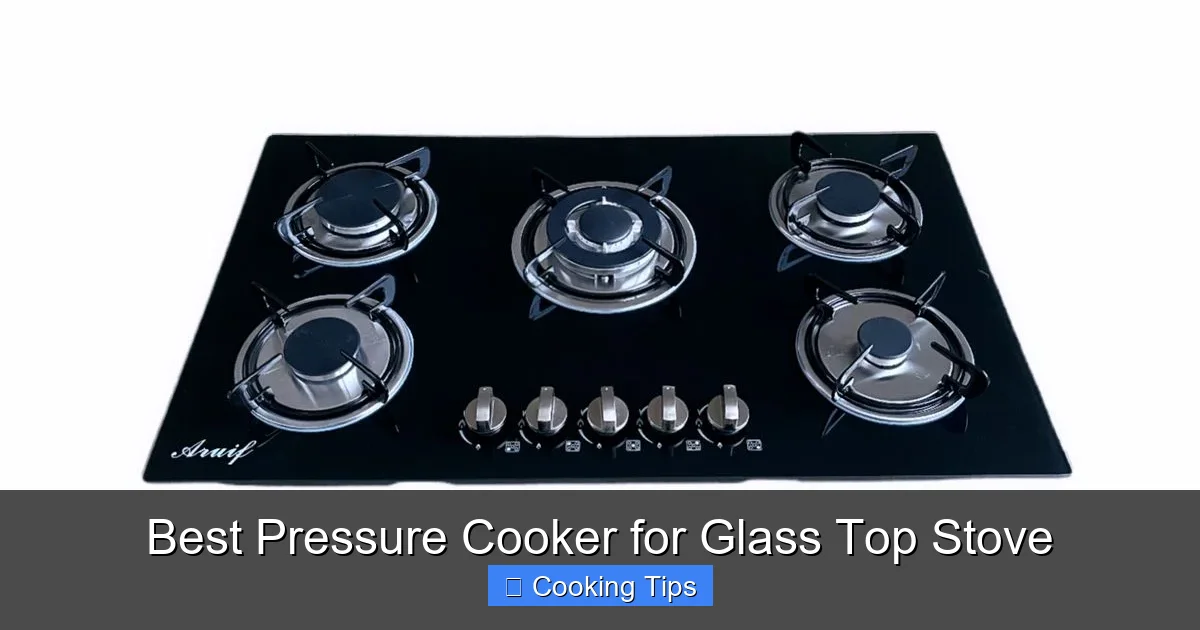
Choosing the best pressure cooker for a glass top stove requires understanding specific material and design considerations to ensure safety and optimal performance. This guide will walk you through everything you need to know, from identifying compatible materials to selecting features that enhance your cooking experience. Learn how to make safe and delicious meals with the right pressure cooker.
Key Takeaways
- Thick, Smooth Bottoms are Essential: Pressure cookers for glass top stoves must have a thick, flat, and smooth bottom to ensure even heat distribution and prevent scratching or damaging the delicate surface.
- Material Matters: Stainless steel and aluminum (often with a bonded or encapsulated base) are generally the best materials. Avoid cookers with warped or uneven bases.
- Induction Compatibility is a Plus: Many glass top stoves are induction, so a pressure cooker with an induction-compatible base offers wider usability.
- Safety Features are Paramount: Look for multiple safety valves, a secure locking lid, and clear pressure indicators for a safe cooking experience.
- Proper Size and Weight: A cooker that’s too heavy or too light can be difficult to handle on a glass top. Aim for a balanced weight and a size appropriate for your burner.
- Read Reviews and Manufacturer Guidelines: Always check user reviews and the manufacturer’s recommendations for specific compatibility with glass top stoves.
Best Pressure Cooker for Glass Top Stove
Welcome to your ultimate guide to finding the best pressure cooker for your glass top stove! If you’ve recently upgraded to a sleek glass top range, you might be wondering if your trusty pressure cooker is still a good fit. The good news is, with a little know-how, you absolutely can use a pressure cooker safely and effectively on a glass top stove. We’re here to demystify the process and help you choose a cooker that will make your stovetop cooking a joy.
Glass top stoves are beautiful and efficient, but they require a bit more care than their traditional counterparts. The smooth, delicate surface can be prone to scratches and thermal shock if you’re not careful. This guide will equip you with all the information you need to select a pressure cooker that’s not only safe but also performs exceptionally well on your glass top stove. We’ll cover what to look for in terms of materials, design, safety features, and some of our top recommendations. Get ready to unlock faster cooking times and delicious meals with confidence!
Understanding Your Glass Top Stove’s Needs
Before we dive into pressure cooker specifics, let’s talk about your glass top stove. These stoves use radiant heat or induction elements beneath a smooth ceramic or glass surface. This design means the heat transfer is different from gas or electric coil stoves.
Heat Distribution and Surface Contact
Glass top stoves rely on direct contact between the cookware and the glass surface for efficient heat transfer. This means the bottom of your pressure cooker needs to be perfectly flat and smooth. Any warping, pitting, or rough edges can create uneven heating, hot spots, and even scratch the glass. A thick base is crucial to absorb and distribute heat evenly, preventing concentrated heat that could damage the stovetop.
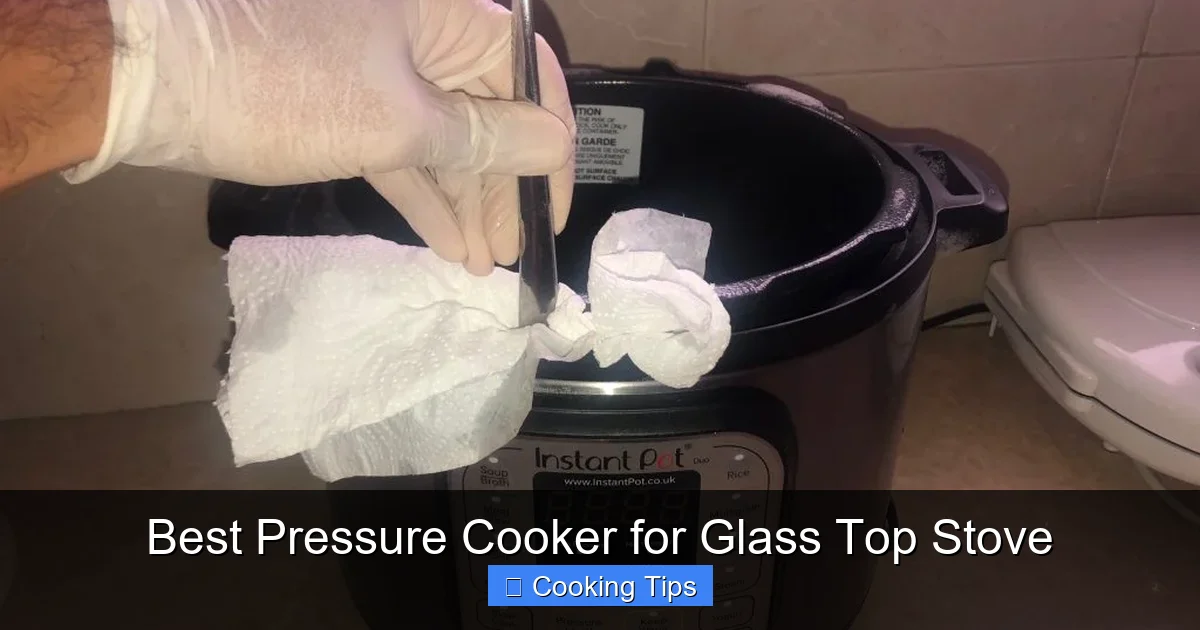
Visual guide about Best Pressure Cooker for Glass Top Stove
Image source: corriecooks.com
Material Compatibility
Certain materials are better suited for glass top stoves than others. While many cookware materials can work, some are more likely to cause problems. For example, cookers with very thin or rough bases can be problematic. The goal is to find a pressure cooker that distributes heat evenly and maintains good contact without causing damage.
Induction vs. Radiant Glass Tops
Glass top stoves can be either radiant (traditional electric coils beneath glass) or induction. Induction cooktops use magnetic fields to heat cookware directly. If you have an induction glass top, you’ll need a pressure cooker with a magnetic base (usually stainless steel or cast iron with a magnetic bottom). Radiant tops are more forgiving with different materials, but a smooth, flat base is still paramount.
Key Features of the Best Pressure Cooker for Glass Top Stoves
Now that we understand the stove, let’s focus on what makes a pressure cooker ideal for this surface.
1. The Importance of a Thick, Flat, and Smooth Bottom
This is the golden rule. Your pressure cooker’s bottom must be:
Visual guide about Best Pressure Cooker for Glass Top Stove
Image source: missvickie.com
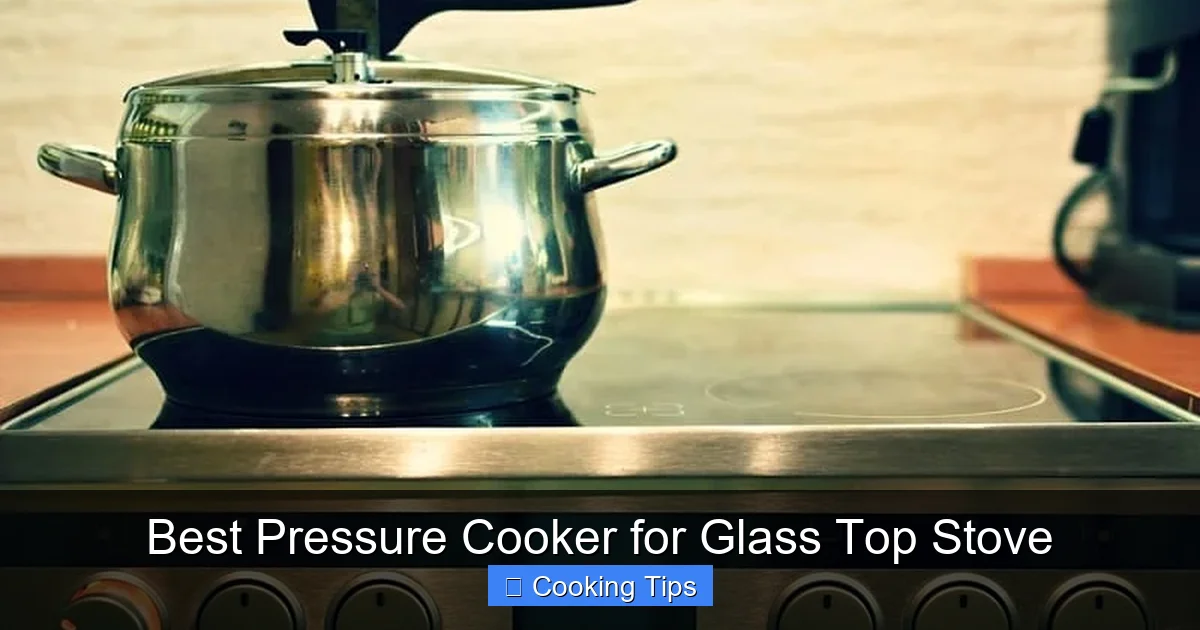
- Thick: A thick base (often 3-5mm or more) provides stability, prevents warping, and ensures even heat distribution. This is vital for preventing hot spots that could stress the glass.
- Flat: The entire bottom surface must make uniform contact with the glass. Even a slight curve can lead to uneven cooking and potential damage.
- Smooth: Avoid cookers with rough or unfinished bottoms. The smooth surface ensures no scratching occurs when you move the cooker.
Material for the Base: Look for pressure cookers with a bonded or encapsulated base. This often involves layers of different metals, like aluminum or copper sandwiched between stainless steel. These layers create a thick, flat, and smooth surface ideal for glass tops.
2. Material Construction
The overall material of the pressure cooker also plays a role. Here’s what to consider:
- Stainless Steel: This is a popular choice because it’s durable, non-reactive, and often comes with excellent multi-ply bases that are flat and smooth. It’s also generally induction-compatible.
- Aluminum: Pure aluminum can be soft and prone to scratching. However, anodized aluminum or aluminum with a stainless steel “sandwich” base is a good option. The stainless steel exterior provides durability and a smooth surface.
- Cast Iron: While durable, cast iron can be very heavy, and its enamel coating can chip or scratch if not handled carefully. Enameled cast iron pressure cookers can work, but their weight is a factor to consider. Uncoated cast iron can be rough and is generally not recommended for glass tops unless it has a very smooth, thick base.
Avoid: Cookware with aluminum bottoms that are thin, uneven, or have exposed rough edges can be problematic. Always check the manufacturer’s description and user reviews.
3. Safety Features
Pressure cookers are inherently safe when used correctly, but for a glass top stove, additional safety considerations are important. Look for cookers with robust safety mechanisms:
- Multiple Safety Valves: These are crucial. They release excess pressure if the primary valve malfunctions, preventing dangerous over-pressurization.
- Locking Lid Mechanism: A secure locking lid ensures the pressure cooker won’t open accidentally while it’s under pressure.
- Pressure Indicator: A visual indicator that shows when the cooker is pressurized helps you know when it’s safe to remove from the heat or open the lid.
- Over-Pressure Plug: This small plug is designed to melt or release pressure if the main valves fail.
4. Size and Weight
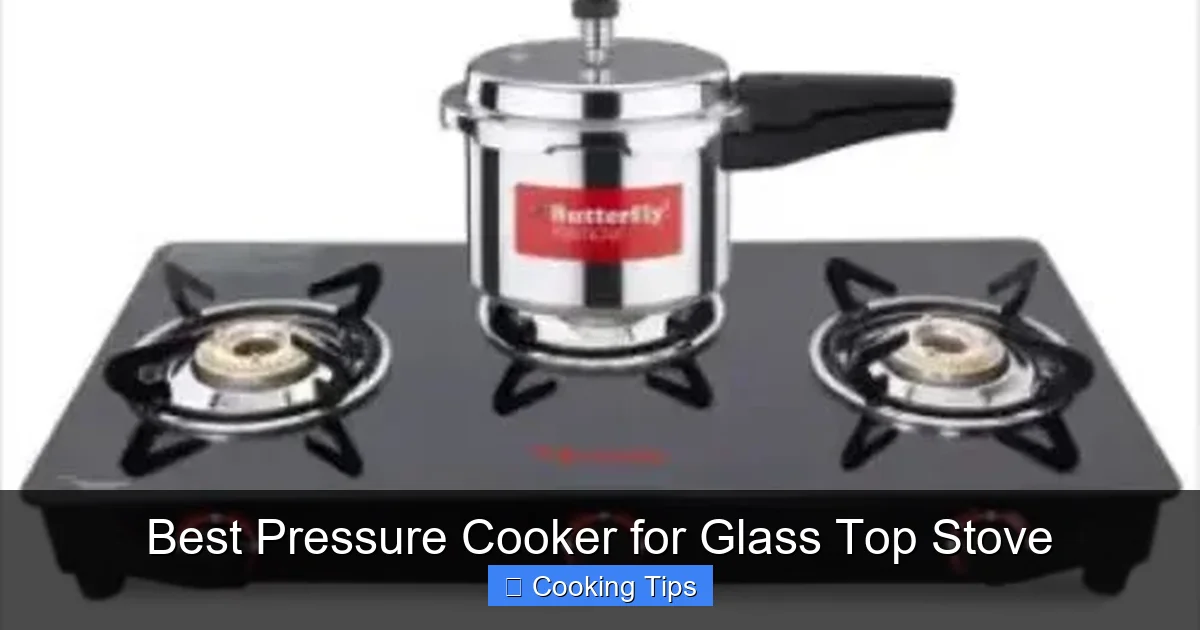
Size: Ensure the base of the pressure cooker fits comfortably on your stovetop burner. A cooker that overhangs significantly might not heat evenly. For glass tops, it’s often best to match the pot size to the burner size.
Weight: While you need a thick base, an excessively heavy pressure cooker can be difficult to maneuver on a glass top. It’s easier to lift and place a moderately weighted cooker without dragging it, which can cause scratches. Stainless steel options often strike a good balance.
5. Induction Compatibility (If Applicable)
If you have an induction glass top stove, you *must* use cookware that is induction compatible. This means the base of the pressure cooker needs to contain ferromagnetic material (like iron). Most high-quality stainless steel pressure cookers are induction compatible, as are those with special magnetic bases.
How to test: A simple magnet test can determine if your pressure cooker is induction-ready. If a magnet sticks firmly to the bottom of the pot, it’s likely induction compatible.
Choosing Your Pressure Cooker: Step-by-Step
Ready to find your perfect match? Follow these steps:
Step 1: Identify Your Stove Type
Confirm whether you have a radiant or induction glass top stove. This will dictate whether induction compatibility is a requirement.
Visual guide about Best Pressure Cooker for Glass Top Stove
Image source: cpimg.tistatic.com
Step 2: Prioritize a Thick, Flat, and Smooth Bottom
This is non-negotiable. When looking at pressure cookers, pay close attention to the description of the base. Look for terms like “encapsulated base,” “bonded base,” or “multi-ply construction.” If possible, examine the cooker in person or look for detailed product photos that show the bottom clearly.
Step 3: Select Material Wisely
Recommendation: High-quality stainless steel pressure cookers with a multi-ply or encapsulated base are generally the safest and most effective choice for glass top stoves. They offer durability, excellent heat distribution, and often induction compatibility.
Consider: If you prefer aluminum, ensure it has a thick stainless steel cladding or a bonded base. Enameled cast iron can work, but be mindful of its weight and the potential for chipping.
Step 4: Check for Essential Safety Features
Don’t compromise on safety. Ensure the pressure cooker has at least two safety valves, a secure locking mechanism, and a pressure indicator.
Step 5: Read Reviews and Manufacturer Guidelines
This is where real-world experience shines. Look for reviews that specifically mention use on glass top stoves. Manufacturers often provide guidelines on compatible stovetops. If in doubt, contact the manufacturer directly.
Step 6: Consider Size and Budget
Choose a size that suits your cooking needs and the size of your burners. Set a budget, as prices can vary significantly based on brand, material, and features. Investing in a quality pressure cooker will pay off in longevity and performance.
Top Pressure Cooker Types and Brands for Glass Top Stoves
While specific models change, certain brands and types consistently offer pressure cookers suitable for glass top stoves.
Popular Brands to Consider:
- Instant Pot: While most Instant Pots are electric and sit on your countertop, some traditional stovetop models (often made by the same parent company or affiliated brands) have excellent construction for stovetops. Check specific models for stovetop compatibility.
- Fissler: Known for high-quality stainless steel cookware, Fissler offers durable pressure cookers with excellent multi-ply bases that are very well-suited for glass tops.
- Woll Diamond Lite: Woll offers some pressure cookers with durable, non-stick surfaces and robust bases.
- Kuhn Rikon: A Swiss brand renowned for quality, their stainless steel pressure cookers are often a good choice for glass tops.
- All-Clad: A premium brand, All-Clad’s stainless steel pressure cookers boast superior construction, including their signature multi-ply bonded bases, making them ideal for glass tops and induction.
Types to Look For:
- Stovetop Pressure Cookers: These are the traditional models that sit directly on the stove. Ensure the base meets all the criteria mentioned above.
- Pressure Cooker Sets: Some sets include a main pressure cooker pot with interchangeable lids for regular cooking. Again, focus on the quality of the pressure cooker base.
Tips for Using Your Pressure Cooker on a Glass Top Stove
Once you have your pressure cooker, here’s how to use it safely and effectively:
1. Preheating and Heat Control
Gentle Start: Begin heating your pressure cooker on a medium setting. Avoid high heat immediately, especially when adding liquids. This prevents thermal shock to the glass.
Adjust Accordingly: Glass tops can be very responsive. You might find you need to use a lower heat setting than you would on a gas stove to maintain pressure.
2. Lifting, Not Dragging
Always lift the pressure cooker completely off the glass surface when you need to move it. Never drag it, as this is a primary cause of scratches.
3. Avoid Sudden Temperature Changes
Don’t place a very hot pressure cooker onto a cool glass surface, or vice-versa. Allow it to cool slightly before moving it, or let the stovetop cool before placing a hot pot on it.
4. Cleaning is Key
Keep the bottom of your pressure cooker clean. Any food debris or residue can create hot spots or scratch the glass. Similarly, keep your glass top clean.
5. Matching Burner Size
Use the pressure cooker on a burner that is similar in size to the base of the pot. This ensures even heating and prevents heat from “flaring up” the sides, which can damage the cooktop.
Troubleshooting Common Issues
Even with the right equipment, you might encounter minor issues.
Issue: Food Sticking to the Bottom
Cause: Uneven heat distribution or insufficient liquid.
Solution: Ensure your pressure cooker has a thick, flat base. Always use the recommended amount of liquid for your recipe. Deglaze the pot after cooking if needed.
Issue: Stovetop Scratches
Cause: Dragging the pot, abrasive cleaning of the pot or stovetop, or debris trapped between the pot and the glass.
Solution: Always lift, never drag. Use soft cloths and recommended cleaners for glass tops and your cookware. Ensure the pot bottom and stovetop are free of debris before cooking.
Issue: Slow Heating or Inconsistent Pressure
Cause: Warped pot base, burner not functioning correctly, or the pot is not making full contact.
Solution: Inspect your pot’s base for flatness. Ensure the burner is clean and functioning. If using induction, verify the pot is induction-compatible.
Conclusion
Selecting the best pressure cooker for your glass top stove doesn’t have to be complicated. By focusing on a few key features – a thick, flat, and smooth bottom, appropriate materials, and robust safety mechanisms – you can confidently choose a cooker that will serve you well for years to come. High-quality stainless steel pressure cookers with multi-ply or encapsulated bases are your safest bet, offering excellent performance and durability without damaging your beautiful glass top.
Remember to always lift, never drag, keep your surfaces clean, and pay attention to heat control. With the right pressure cooker, you can enjoy all the benefits of this efficient cooking method – faster meals, tender meats, and perfectly cooked grains – all while keeping your glass top stove in pristine condition. Happy cooking!
