

Discover the convenience of blenders with dishwasher-safe parts! This guide explains how to identify, use, and care for these time-saving kitchen appliances. You’ll learn about the benefits, how to properly clean the components, and essential maintenance tips to ensure your blender remains a reliable tool for years to come. Make kitchen cleanup a breeze with these practical insights.
Blenders with Dishwasher Safe Parts
In today’s fast-paced world, anything that makes kitchen cleanup quicker and easier is a welcome addition. Blenders are fantastic kitchen tools, helping us whip up smoothies, soups, sauces, and more. But the thought of washing sticky blades and containers can sometimes dampen our enthusiasm. That’s where blenders with dishwasher-safe parts come in! They offer a fantastic solution to this common kitchen chore. This guide will walk you through everything you need to know about using, cleaning, and maintaining blenders with dishwasher-safe parts, so you can spend less time scrubbing and more time enjoying your delicious creations.
Key Takeaways
- Identify Dishwasher-Safe Components: Not all blender parts are created equal. Learn to distinguish which parts of your blender are safe to go into the dishwasher, typically the jar, lid, and sometimes the blade assembly.
- Proper Loading for Optimal Cleaning: Understand the best way to arrange blender parts in your dishwasher to ensure thorough cleaning without damage.
- Pre-Rinse for Tough Residues: For stubborn food particles, a quick pre-rinse before dishwasher loading can significantly improve cleaning results.
- Hand-Washing Alternatives and When to Use Them: Recognize that sometimes hand-washing is still the best or only option for certain blender parts or for extending their lifespan.
- Maintaining Blade Sharpness and Functionality: Learn how to clean the blade assembly properly to maintain its sharpness and prevent dulling or damage.
- Troubleshooting Common Dishwasher Cleaning Issues: Get advice on what to do if your blender parts aren’t coming out clean or if you notice any damage.
- Extending the Lifespan of Your Blender: Proper care and cleaning, including dishwasher use, are crucial for ensuring your blender serves you well for a long time.
Understanding the Appeal of Dishwasher-Safe Blender Parts
The primary allure of blenders with dishwasher-safe parts is the sheer convenience. Imagine finishing your morning smoothie, emptying the blender jar, and simply placing it in the dishwasher along with your breakfast dishes. No more scraping sticky residue, no more struggling to reach the bottom of the jar, and no more worrying about sharp blades. This feature significantly streamlines the post-blending cleanup process.
Beyond convenience, using a dishwasher can often result in a more thorough clean, especially for parts that can withstand the high heat and powerful water jets. This can be particularly beneficial for ensuring hygiene, as dishwashers can kill more germs than hand-washing.
Identifying Dishwasher-Safe Blender Components
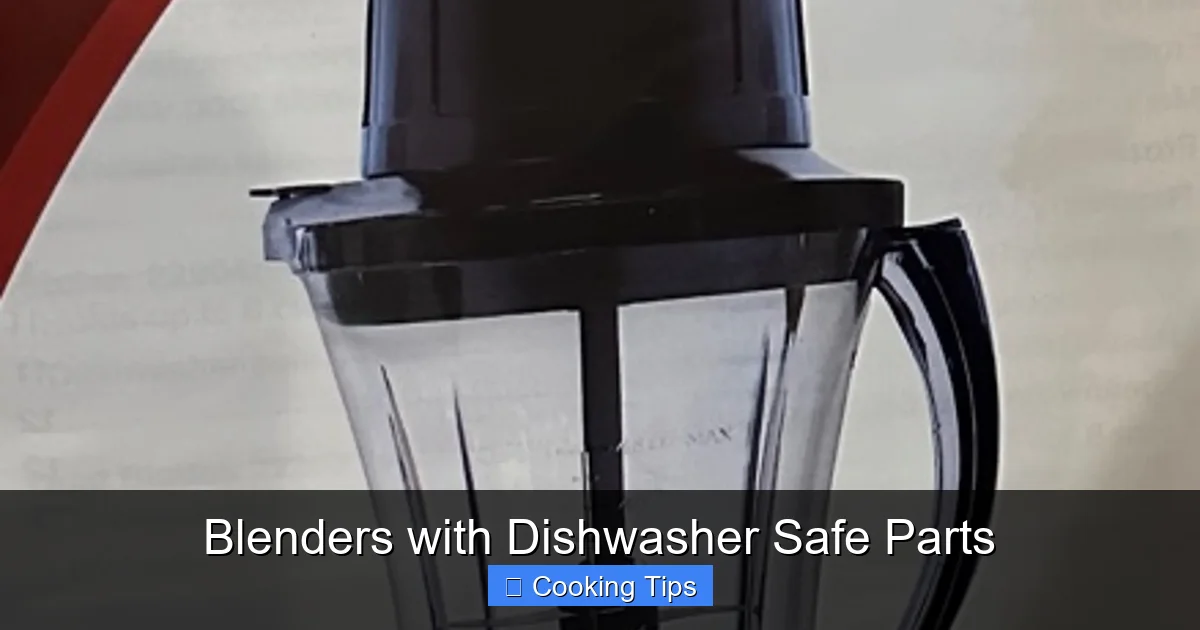
It’s crucial to remember that not all parts of every blender are dishwasher-safe. Most manufacturers clearly indicate which components can go into the dishwasher. Always refer to your blender’s user manual for specific instructions. Generally, the following parts are *most likely* to be dishwasher-safe:
Visual guide about Blenders with Dishwasher Safe Parts
Image source: u-mercari-images.mercdn.net
The Blender Jar (Pitcher)
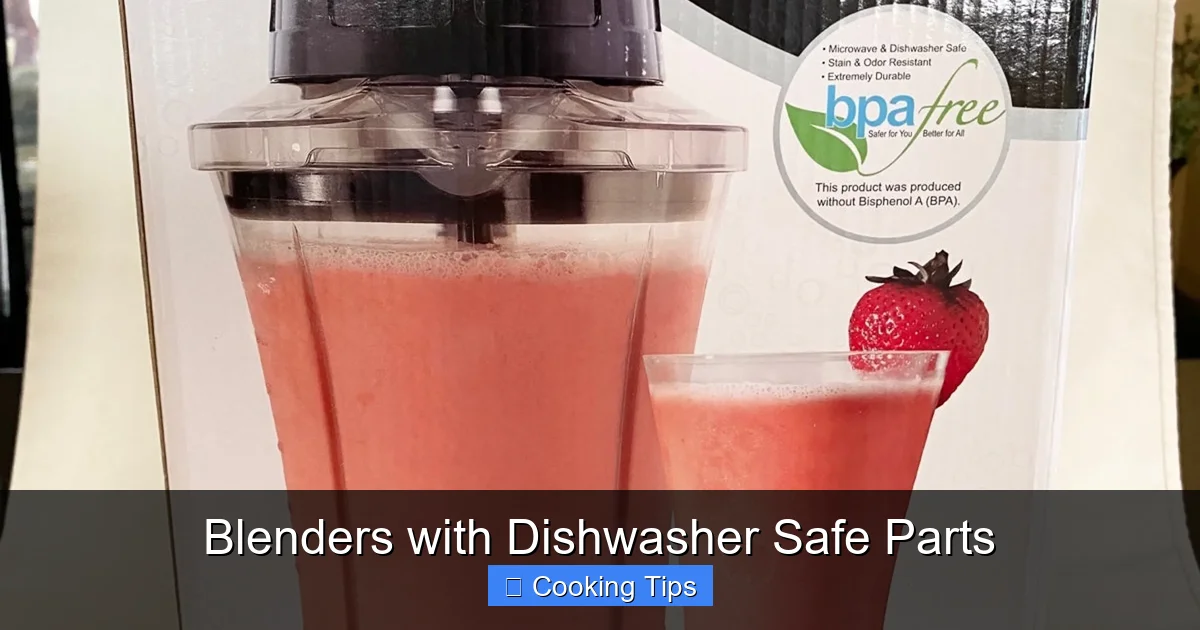
The main container where blending occurs is usually designed to withstand the dishwasher. This is typically made from durable materials like BPA-free plastic, glass, or stainless steel. Ensure there are no special coatings or electronic components integrated into the jar itself before placing it in the dishwasher.
The Lid
The lid that seals the blender jar is almost always dishwasher-safe. It’s designed to fit snugly and often has a removable cap for adding ingredients, which should also be safe for the dishwasher.
The Blade Assembly
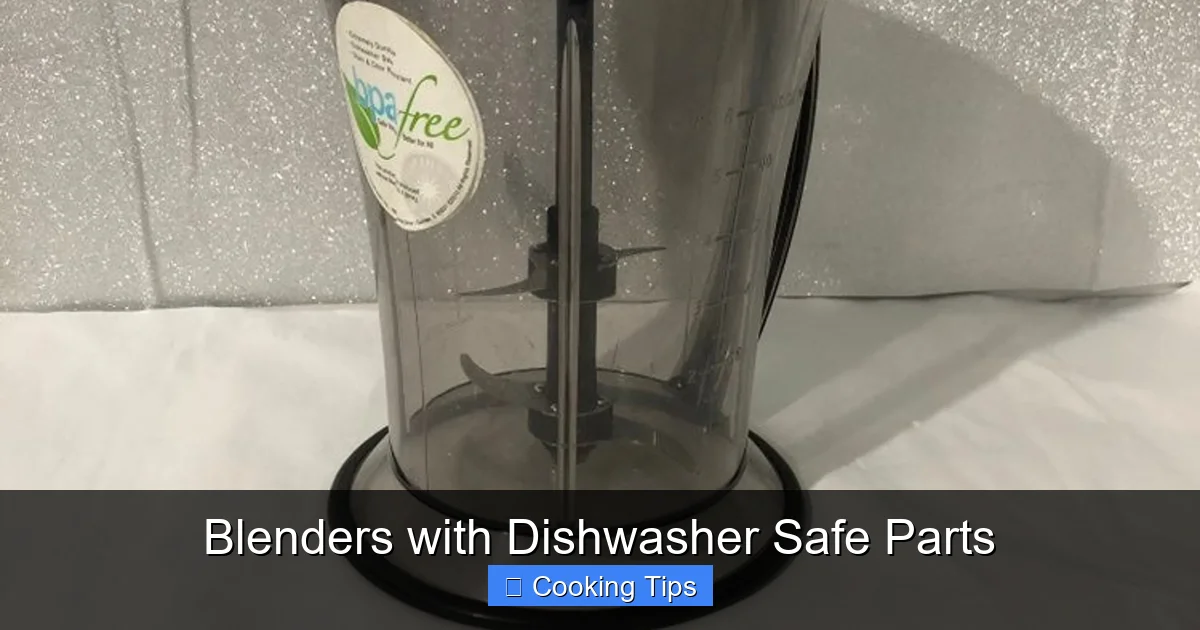
This is the most critical component to check. Many modern blenders feature blade assemblies that can be detached and placed in the dishwasher. Some may have blades that are permanently fixed to the jar, in which case you’ll likely need to hand-wash them more carefully. If your blade assembly is removable, look for markings or instructions in your manual confirming its dishwasher safety.
Other Accessories
Some blenders come with additional accessories like travel cups, measuring caps, or tamper tools. Again, check your manual to confirm if these are also dishwasher-safe.
Important Note: Never assume a part is dishwasher-safe. Always verify with your blender’s manual or the manufacturer’s website to avoid damage to your appliance or the dishwasher.
Step-by-Step Guide to Cleaning Dishwasher-Safe Blender Parts
Using your dishwasher to clean blender parts is straightforward, but a few best practices can ensure optimal results.
Visual guide about Blenders with Dishwasher Safe Parts
Image source: u-mercari-images.mercdn.net
Step 1: Disassemble Your Blender
After you’ve finished blending and poured out your creation, the first step is to carefully disassemble your blender. This usually involves unscrewing the blade assembly from the bottom of the jar (if it’s removable) and ensuring the lid is off.
Step 2: Pre-Rinse Stubborn Residues
For very thick or sticky ingredients like nut butters, date pastes, or certain sauces, a quick pre-rinse can make a big difference. Rinse the jar and blade assembly under warm running water to remove the bulk of the food particles. You can use a soft brush or sponge for this, but avoid abrasive materials that could scratch the surfaces.
Step 3: Load Your Dishwasher Strategically
Proper loading is key to effective cleaning.
Loading the Blender Jar
Place the blender jar upside down on the top rack of your dishwasher. This allows water to flow freely through it and prevents water from pooling at the bottom. Ensure it’s stable and won’t tip over during the wash cycle.
Loading the Lid and Other Parts
The lid and any other dishwasher-safe accessories can typically be placed on the top rack as well. Ensure they are not blocking the water spray arms. If your blade assembly is removable and dishwasher-safe, it’s often best to place it in the utensil basket or securely on the top rack, making sure the blades are facing downwards to prevent damage.
Step 4: Select the Right Dishwasher Cycle
Most standard dishwasher cycles will be sufficient for cleaning blender parts. A normal or heavy-duty cycle is usually effective. If you have particularly greasy residue, you might consider a hotter cycle or one with a steam option, but always ensure your blender parts can withstand the temperature.
Step 5: Run the Dishwasher Cycle
Start your dishwasher as usual. The hot water and detergent will work to break down and remove food residue.
Step 6: Unload and Inspect
Once the cycle is complete, unload your dishwasher. Carefully inspect the blender parts to ensure they are clean. If any residue remains, you may need to perform a quick hand-wash or run them through another cycle.
Hand-Washing: When and How
While the dishwasher is a great convenience, there are times when hand-washing your blender parts is necessary or even preferable.
Visual guide about Blenders with Dishwasher Safe Parts
Image source: u-mercari-images.mercdn.net
When to Hand-Wash:
- Non-Dishwasher-Safe Components: If your blender has parts that are not explicitly marked as dishwasher-safe, always hand-wash them. This is especially true for older models or those with delicate materials.
- Delicate or Specialty Blades: Some high-performance blenders have very sharp, specialized blades that might dull or get damaged over time in a dishwasher’s harsh environment. Hand-washing with care can preserve their sharpness.
- Quick Clean-Ups: For minor residues after a quick blend, a fast hand-wash might be faster than waiting for a full dishwasher load.
- Preventing Wear and Tear: While dishwasher-safe parts are designed to last, frequent trips through the dishwasher can still cause some wear and tear over the years. Occasional hand-washing can help extend their lifespan.
How to Hand-Wash:
Hand-washing your blender parts is simple:
- Disassemble the blender as usual.
- Fill your sink with warm, soapy water.
- Use a soft sponge or cloth to gently wash the jar, lid, and blade assembly.
- For the blade assembly, use a long-handled brush to safely reach all areas. Be extremely cautious of the sharp blades. Consider holding the blade assembly by the base to avoid direct contact with the cutting edges.
- Rinse all parts thoroughly under clean running water.
- Allow all parts to air dry completely before reassembling or storing.
Maintaining Your Blender’s Dishwasher-Safe Parts
Proper care ensures your blender’s dishwasher-safe components remain in good condition and continue to function effectively.
Caring for the Blade Assembly
The blades are the heart of your blender. Even if dishwasher-safe, take extra care:
- Avoid Harsh Detergents: Use mild dish soap. Strong detergents can sometimes dull blades or degrade seals over time.
- No Metal Utensils: Never use metal utensils to scrape food from the blades.
- Check Seals and Gaskets: If your blade assembly has rubber seals or gaskets, inspect them regularly for signs of wear, cracking, or thinning. These can sometimes be more delicate and might benefit from occasional hand-washing or replacement if damaged.
Preventing Odors and Stains
Sometimes, especially with brightly colored or strongly flavored foods (like turmeric or berries), blender jars can retain odors or stains.
- Immediate Rinsing: Rinse the blender jar immediately after use, even if you plan to dishwasher it later.
- Baking Soda Paste: For stubborn stains or odors, make a paste of baking soda and water. Apply it to the inside of the jar, let it sit for a few hours, then wash as usual.
- Vinegar Soak: For odors, a soak with equal parts water and white vinegar can be effective. Let it sit for a few hours, then wash.
Proper Storage
Ensure all parts are completely dry before storing them. Storing damp parts can lead to mold or mildew growth. If you have a disassembled blender, you can store the jar, lid, and base separately, or reassemble it loosely if space allows.
Troubleshooting Common Dishwasher Cleaning Issues
While blenders with dishwasher-safe parts are generally easy to clean, you might encounter a few common issues.
Issue: Parts Still Have Food Residue
Solution:
- Pre-Rinse: Ensure you’re pre-rinsing very thick or sticky ingredients before loading.
- Dishwasher Loading: Make sure the parts are not overcrowded and that water can reach all surfaces. Check that spray arms are not blocked.
- Detergent: Ensure you’re using enough detergent, and that it’s fresh.
- Cycle Selection: Try a more intensive wash cycle.
- Hand-Wash: For persistent residue, a quick hand-wash might be the most efficient solution.
Issue: Blender Jar Feels Gritty or Cloudy After Washing
Solution:
- Water Hardness: Hard water can leave mineral deposits. Running a dishwasher cleaning cycle with a dedicated cleaner can help.
- Rinse Aid: Ensure your rinse aid dispenser is full. Rinse aid helps water sheet off dishes, reducing spotting and clouding.
- Material Degradation: If the jar is plastic, it might be a sign of wear and tear from repeated high-heat cycles. Consider hand-washing more often or replacing the jar if it’s significantly affected.
Issue: Blades Seem Duller or Damaged
Solution:
- Dishwasher Safety: Double-check that the blade assembly is indeed dishwasher-safe.
- Loading: Ensure the blades are not being hit by other items in the dishwasher.
- Hand-Washing: If this continues to be an issue, switch to hand-washing the blade assembly.
- Replacement: If the blades are genuinely damaged, you may need to order a replacement blade assembly from the manufacturer.
Conclusion
Blenders with dishwasher-safe parts are a fantastic innovation that brings unparalleled convenience to the kitchen. By understanding which parts are safe to put in the dishwasher, how to load them correctly, and when hand-washing might be a better option, you can enjoy your blender’s full functionality with minimal cleanup hassle. Regular maintenance and proper care will ensure your blender remains a reliable and efficient appliance for years to come, helping you create delicious and healthy meals and drinks with ease. Embrace the simplicity and spend more time savoring your creations and less time scrubbing!
