

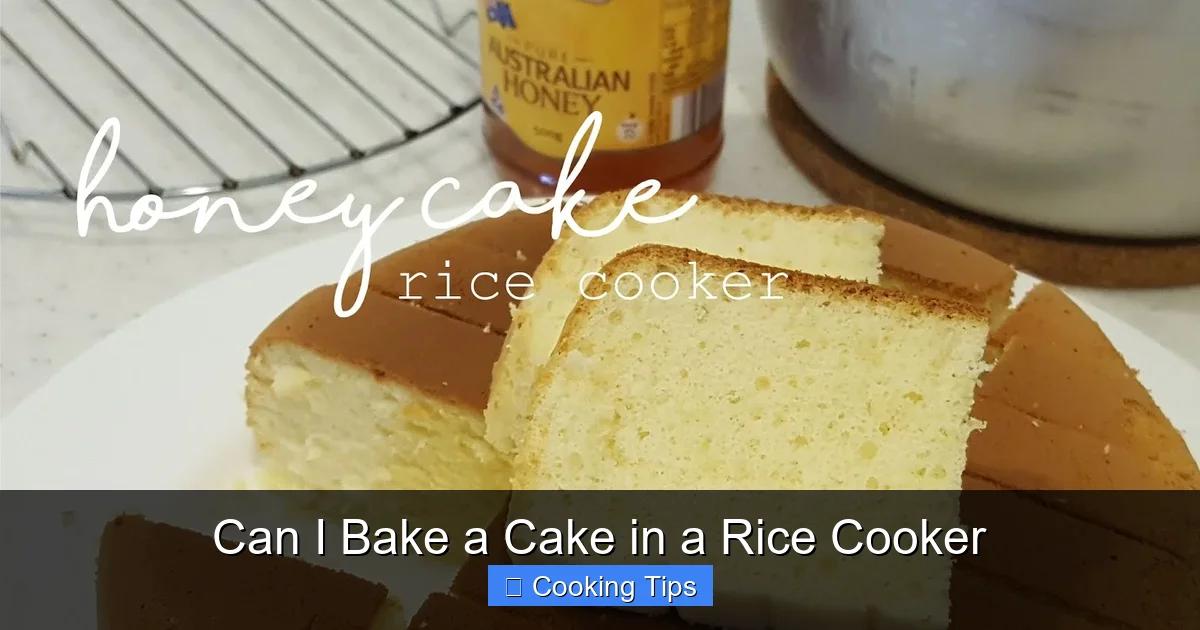
Discover the surprising versatility of your rice cooker! This guide will show you exactly how to bake a delicious cake using this common kitchen appliance. Forget the oven; embrace a simpler, fun method for homemade cakes, perfect for any occasion.
Key Takeaways
- It’s surprisingly easy: Baking a cake in a rice cooker is a straightforward process, accessible even to beginner bakers.
- Choose the right cake mix: Standard cake mixes or simple homemade recipes work best. Avoid overly dense or complex recipes.
- Preparation is key: Properly greasing and flouring the rice cooker pot is crucial to prevent sticking and ensure even cooking.
- Cooking time varies: Rice cookers don’t have precise oven settings, so monitoring and adjusting cooking time is essential for the perfect bake.
- Test for doneness: Use a skewer or toothpick to check if the cake is fully cooked through before removing it.
- Cooling is important: Allow the cake to cool slightly in the pot before attempting to invert it to prevent breakage.
- Versatile results: Rice cooker cakes often have a unique, moist texture that is highly enjoyable.
Can I Bake a Cake in a Rice Cooker? Yes, You Absolutely Can!
In today’s fast-paced world, we’re always looking for ways to simplify our lives and get creative in the kitchen. One appliance that’s likely sitting on your countertop, waiting to be used for more than just fluffy rice, is your rice cooker. You might be wondering, “Can I bake a cake in a rice cooker?” The answer is a resounding YES! This guide will walk you through everything you need to know to bake a delicious cake using your trusty rice cooker. Get ready to impress yourself and your loved ones with this innovative baking method.
Baking a cake in a rice cooker might sound unconventional, but it’s a surprisingly effective and easy technique. It’s perfect for small households, dorm rooms, or when you simply don’t want to heat up your entire oven. Plus, rice cooker cakes often turn out incredibly moist and tender. Let’s dive into the simple steps.
Getting Started: What You’ll Need
Before we begin, gather your ingredients and equipment. You won’t need anything too special beyond what you’d typically use for baking.
Ingredients:
- Your favorite cake mix (or a simple homemade cake recipe)
- Eggs, oil, and water (as per cake mix instructions)
- Butter or cooking spray for greasing
- Flour for dusting
Equipment:
- Your rice cooker (any basic model will do)
- Measuring cups and spoons
- A mixing bowl
- A whisk or electric mixer
- A spatula
- A toothpick or skewer for testing
Step-by-Step Guide to Baking Your Rice Cooker Cake
Follow these simple steps to create a delightful cake in your rice cooker.
Step 1: Prepare Your Cake Batter
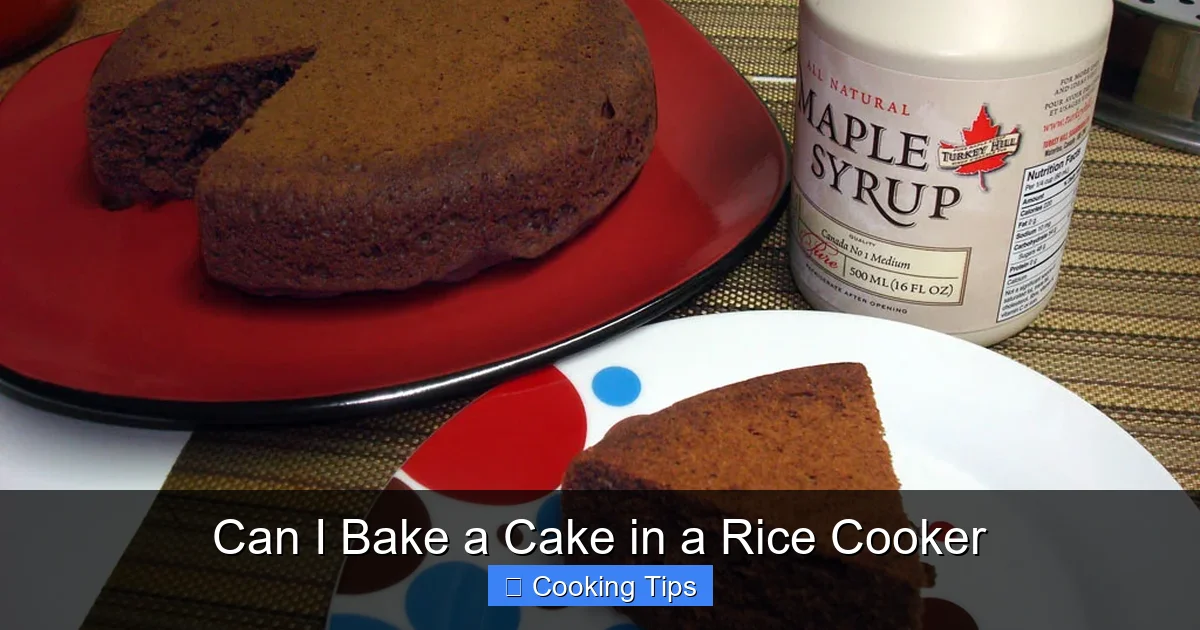
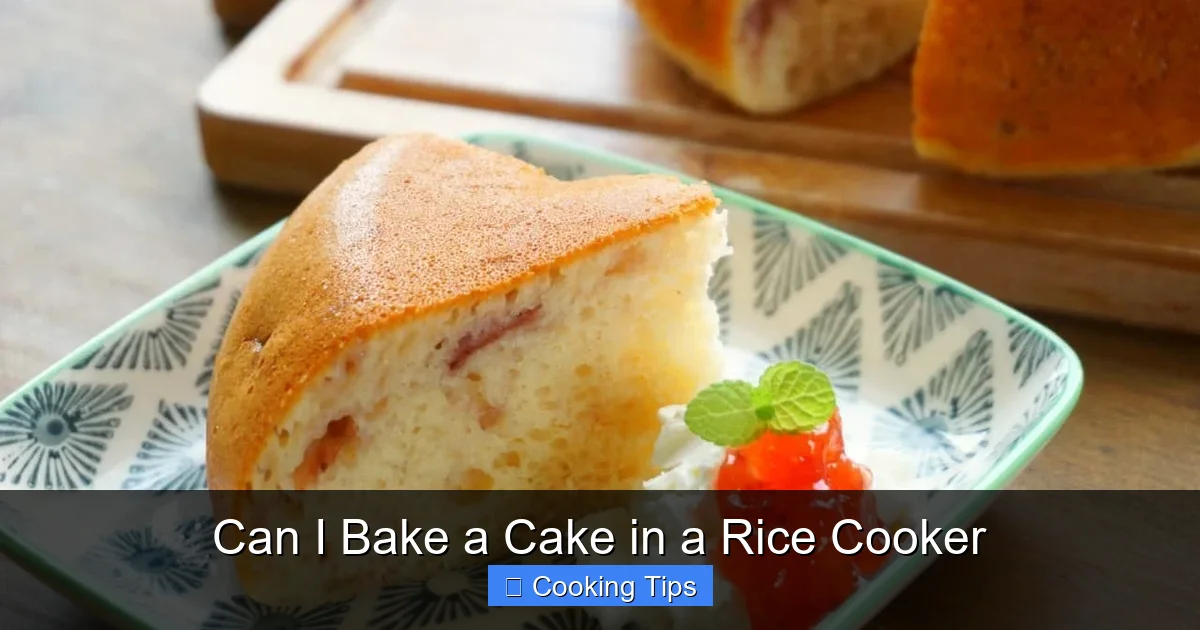
First, prepare your cake batter according to the package directions of your chosen cake mix, or your favorite homemade recipe. In a mixing bowl, combine the dry cake mix, eggs, oil, and water. Whisk or use an electric mixer until the batter is smooth and free of lumps. Don’t overmix; just ensure everything is well combined.
Visual guide about Can I Bake a Cake in a Rice Cooker
Image source: 3.bp.blogspot.com
Visual guide about Can I Bake a Cake in a Rice Cooker
Image source: image.enuchi.jp
Tip: If you’re using a homemade recipe, opt for a recipe that calls for a standard baking time in an oven. Very dense cakes or those with delicate structures might not bake as evenly in a rice cooker.
Step 2: Prepare the Rice Cooker Pot
This is a crucial step to ensure your cake doesn’t stick. Generously grease the inside of your rice cooker pot with butter or cooking spray. Make sure to coat the bottom and the sides thoroughly. After greasing, lightly dust the inside of the pot with flour. Tap out any excess flour. This double preparation creates a barrier that will allow your cake to release cleanly.
Example: Imagine trying to get a perfectly cooked omelet out of a pan that hasn’t been greased – it’s a mess! The same principle applies here. A well-greased and floured pot is your best friend for a successful cake release.
Step 3: Pour the Batter into the Rice Cooker
Carefully pour the prepared cake batter into the greased and floured rice cooker pot. Use a spatula to spread the batter evenly, ensuring it reaches all corners of the pot.
Note: Do not fill the rice cooker pot more than two-thirds full. The cake will rise as it bakes, and you don’t want it to overflow.
Step 4: Cook the Cake
Place the pot into your rice cooker and close the lid. Select the “cake” setting if your rice cooker has one. If not, use the “white rice” or “cook” setting. The rice cooker will automatically go into “keep warm” mode when it senses the cooking is complete. This is where things get a little different from oven baking.
Understanding the Cycle: Most rice cookers have a fixed cooking cycle. For a cake, you’ll likely need to run the cooking cycle more than once. The machine will switch to “keep warm” when it thinks it’s done. You will need to press the “cook” button again to continue baking. This might take 2-3 cycles.
Step 5: Check for Doneness
After the first cooking cycle (or when the cooker switches to warm), open the lid and insert a toothpick or skewer into the center of the cake. If it comes out clean, your cake is done! If there’s wet batter on it, close the lid and press the “cook” button again. Repeat this check after each subsequent cooking cycle.
Important: The cooking time will vary depending on your rice cooker model and the cake recipe. It can take anywhere from 40 minutes to over an hour.
Step 6: Cool the Cake
Once the toothpick comes out clean, turn off the rice cooker. Let the cake sit in the pot for about 10-15 minutes. This allows it to set slightly and makes it easier to remove without breaking.
Step 7: Invert and Serve
After resting, carefully invert the rice cooker pot onto a wire rack or a serving plate. The cake should slide out easily if you’ve prepared the pot correctly. If it seems stuck, gently tap the bottom of the pot or run a thin spatula around the edges.
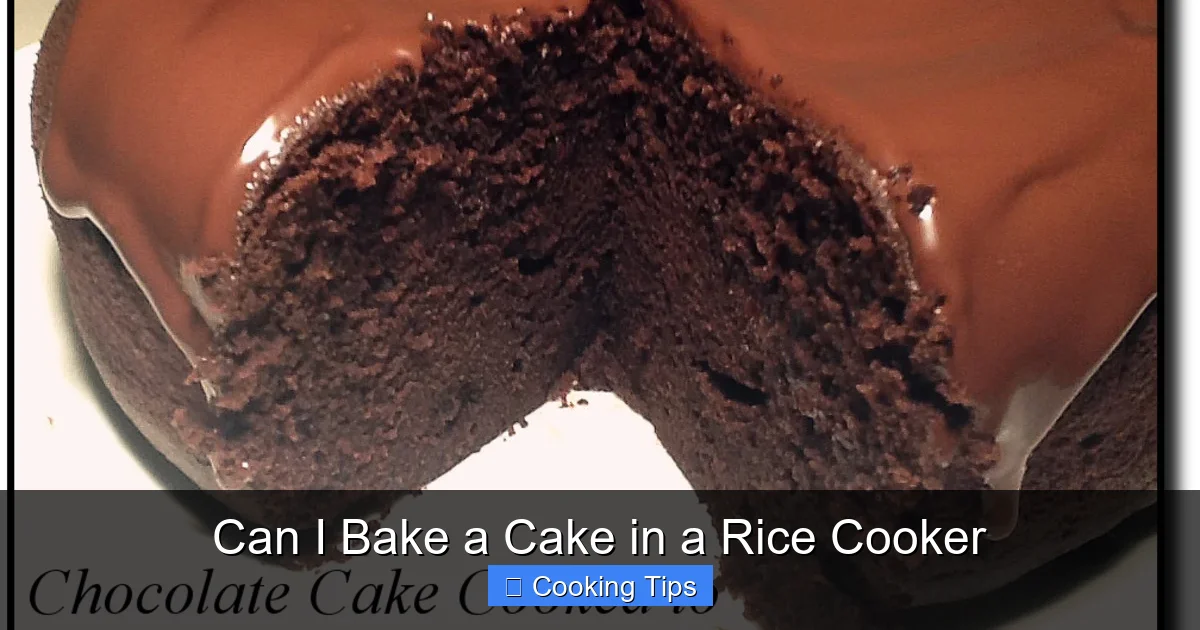
Allow the cake to cool completely on the rack before frosting or serving. Enjoy your homemade rice cooker cake!
Tips for Rice Cooker Cake Success
Here are some extra tips to help you achieve the best results when baking a cake in your rice cooker:
Visual guide about Can I Bake a Cake in a Rice Cooker
Image source: usercontent1.hubstatic.com
- Don’t Overfill: As mentioned, this is crucial to avoid a messy overflow.
- Use a Lighter Colored Batter: Darker batters tend to brown more quickly on the outside before the inside is cooked.
- Consider Parchment Paper: For extra security against sticking, you can line the bottom of the greased pot with a circle of parchment paper.
- Embrace the Moisture: Rice cooker cakes are naturally moist. If you prefer a less moist cake, you can try baking it for slightly longer, but be cautious of drying it out.
- Get Creative with Toppings: Once cooled, your rice cooker cake is a blank canvas. Frost it, dust it with powdered sugar, or serve with fresh fruit and cream.
Troubleshooting Common Rice Cooker Cake Issues
Even with the best intentions, you might encounter a few hiccups. Here’s how to handle them:
My cake is stuck to the pot!
This usually means the pot wasn’t greased and floured sufficiently, or you tried to remove it too soon. Next time, be extra generous with the grease and flour, and let it rest longer in the pot before inverting.
The cake is burnt on the bottom but undercooked in the middle.
Your rice cooker might be cooking at a higher temperature, or your recipe is too dense for the cooker. Try reducing the cooking time slightly on each cycle or ensure your batter is well-mixed and airy.
The cake is dense and heavy.
This can happen if you overmixed the batter or if the recipe wasn’t suitable for this cooking method. Stick to lighter cake mixes or recipes, and mix the batter just until combined.
Conclusion: A Simple Way to Bake Sweet Treats
So, can you bake a cake in a rice cooker? Absolutely! It’s a testament to the versatility of this everyday appliance. With a little preparation and patience, you can whip up a delicious, moist cake that rivals oven-baked versions. It’s a fun, accessible, and energy-efficient way to satisfy your sweet tooth. Don’t be afraid to experiment with different cake mixes and flavorings. Happy baking!
