

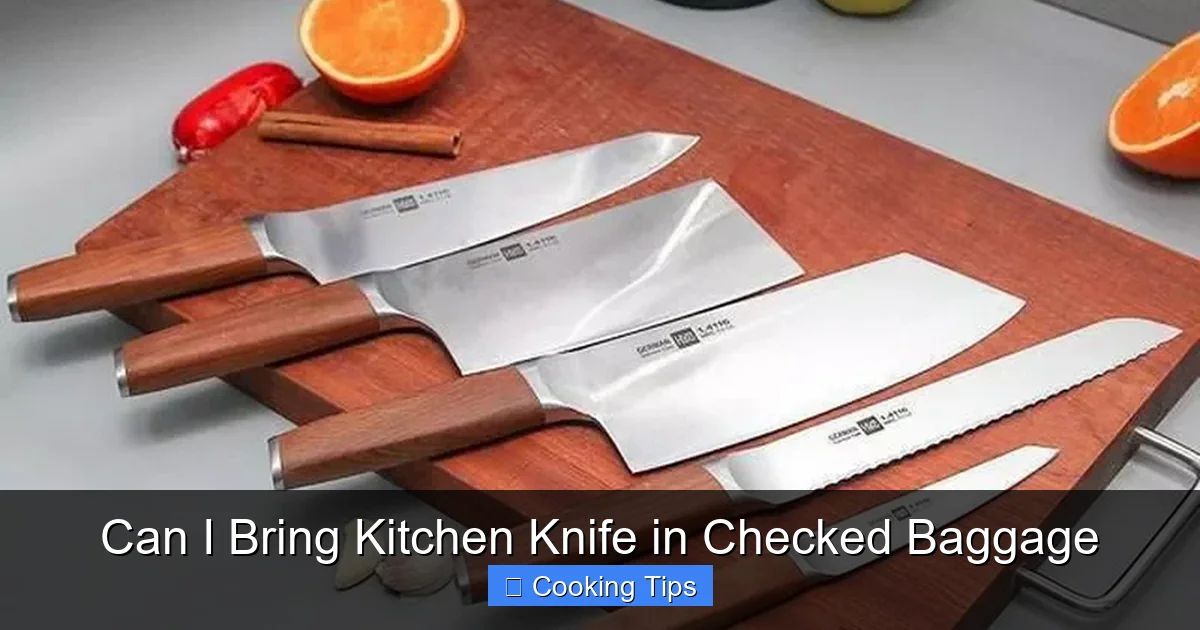
Planning to travel with your favorite kitchen knives in 2026? This comprehensive guide explains how to pack them safely and legally in your checked baggage. You’ll learn about TSA regulations, best practices for securing your knives, and essential tips to ensure they arrive at your destination intact and without issue. Never pack knives in carry-on luggage.
Planning a trip in 2026 and wondering if you can bring your cherished kitchen knives along? Whether you’re a culinary enthusiast heading to a cooking retreat, a chef visiting family, or simply someone who prefers their own sharp tools, understanding the rules and best practices is essential. This guide will walk you through everything you need to know about packing kitchen knives in checked baggage, ensuring a smooth and stress-free journey. We’ll cover TSA regulations, effective packing strategies, and tips to keep your knives safe and sound.
Key Takeaways
- Understand TSA Regulations: In 2026, the Transportation Security Administration (TSA) generally permits kitchen knives in checked baggage, but strict packing rules apply.
- Never in Carry-On: Sharp objects like kitchen knives are strictly prohibited in carry-on baggage for all flights.
- Secure and Protect: Proper packing is crucial to prevent damage to the knife, your luggage, and other passengers.
- Declare if Necessary: While not always mandatory, understanding when and how to declare your knives can prevent issues.
- Consider a Knife Roll or Case: Specialized knife rolls or cases offer the best protection and organization for your kitchen knives.
- Inform Your Airline: Some airlines may have specific policies regarding sporting equipment or sharp objects, so it’s wise to check.
- Know Your Destination’s Rules: Be aware that international destinations or even specific states might have their own regulations on knife possession.
Why Pack Kitchen Knives in Checked Baggage?
The primary reason for packing kitchen knives in checked baggage is safety and compliance. The TSA has strict rules about what can be carried onto an airplane, and sharp objects like knives are a definite no-go in the cabin. Checked baggage is the only legal and safe option for transporting kitchen knives when flying. This allows you to have your preferred culinary tools at your destination, whether for vacation cooking or professional use.
TSA Regulations for Knives in Checked Baggage (2026)

Visual guide about Can I Bring Kitchen Knife in Checked Baggage
Image source: wikihow.com
In 2026, the TSA’s stance on kitchen knives in checked baggage remains largely consistent with previous years: they are generally allowed. However, this permission comes with significant caveats regarding how they are packed. The key is to ensure that the knives cannot be accessed or used as weapons during transit.
Step-by-Step Guide to Packing Kitchen Knives in Checked Baggage
Visual guide about Can I Bring Kitchen Knife in Checked Baggage
Image source: wikihow.com
Packing your kitchen knives correctly is paramount. Follow these steps to ensure your knives are secure, protected, and compliant with TSA regulations.
Step 1: Gather Your Packing Supplies
Before you start packing, ensure you have the right materials. You’ll need:
- A sturdy knife roll, knife block, or a dedicated knife case.
- Cardboard or thick paper (like from a sturdy box).
- Strong, wide packing tape.
- Bubble wrap or foam padding.
- A durable, hard-sided suitcase or duffel bag.
Step 2: Prepare Each Knife for Packing
Safety begins with how you handle each individual knife.
Protect the Blade
The most critical step is to cover the blade.
- For individual knives: If you have blade guards or sheaths, use them. If not, you can create a makeshift guard.
- Creating a makeshift guard: Cut a piece of thick cardboard or sturdy paper to a size that can fold around the blade. Make sure it completely covers the sharp edge. Fold it securely around the blade and secure it with tape.
- For sets in a knife roll: Ensure each knife slot is designed to protect the blade. If there are any gaps or if the material feels thin, consider adding extra padding or a folded piece of cardboard within the slot.
Secure the Handle
While less critical than the blade, ensuring the handle is stable can prevent the knife from shifting.
- For knives packed individually, once the blade is secured, you can wrap the entire knife in bubble wrap or foam padding to provide cushioning.
Step 3: Choose Your Primary Knife Container
The container you use will dictate the next steps.
Option A: Using a Knife Roll or Case
This is the preferred method for serious cooks and chefs.
- Insert knives carefully: Place each prepared knife into its designated slot in the knife roll or case. Ensure they fit snugly.
- Add extra padding: If your knife roll has extra space or if the knives feel loose, add additional bubble wrap or foam between them.
- Secure the roll/case: Close and secure your knife roll or case according to its design. If it has zippers, ensure they are fully closed. For soft rolls, consider wrapping the entire roll in bubble wrap before placing it in your luggage.
Option B: Using a DIY Cardboard and Tape Method (Less Ideal)
If you don’t have a specialized container, you can create a robust package.
- Wrap individual knives thoroughly: As described in Step 2, protect each blade with cardboard and tape. Then, wrap the entire knife in multiple layers of bubble wrap.
- Bundle securely: Group a few wrapped knives together and wrap them as a bundle with more bubble wrap.
- Create a protective outer shell: This is where it gets tricky without a dedicated case. You might need to find a sturdy box that the bundled knives can fit into, filling any empty space with more padding. Alternatively, you can create a very thick, multi-layered cardboard “sandwich” that completely encases the bundled knives. Secure this sandwich with copious amounts of packing tape.
Step 4: Place Knives in Your Checked Luggage
Now it’s time to put your protected knives into your main luggage.
Choose the Right Location
- Center of the suitcase: Place the knife roll, case, or securely packed knives in the center of your suitcase, surrounded by soft items like clothing. This provides extra cushioning and prevents them from being directly impacted.
- Avoid edges: Do not place your knives near the edges or corners of your luggage, where they are more susceptible to impact.
Distribute Weight Evenly
Try to pack other items to balance the weight of the knives.
Ensure No Sharp Edges are Exposed
Double-check that no part of any knife, especially the blade, can poke through your luggage or the knife’s protective wrapping.
Step 5: Inform Relevant Parties (If Necessary)
While you don’t always have to declare knives to the TSA, it’s good practice to be prepared.
Check Airline Policies
Some airlines may have specific rules about sporting equipment or sharp objects. A quick check of your airline’s website for “traveling with knives” or “checked baggage policies” can save you potential headaches.
Consider Verbal Declaration
If you are particularly concerned or traveling internationally, you can inform the airline agent at the check-in counter about the contents of your checked bag. They will advise you on any specific procedures.
Customs and Local Laws
If you are traveling to a different country or even a different state, research their local laws regarding knife possession. Some jurisdictions have restrictions on blade length or types of knives allowed.
Practical Tips for Traveling with Kitchen Knives

Visual guide about Can I Bring Kitchen Knife in Checked Baggage
Image source: ef8jrvasgjc.exactdn.com
* Invest in Quality Protection: A good knife roll or case is an investment that pays for itself in peace of mind and the safety of your knives.
* Don’t Pack Valuables: If your knives are extremely valuable, consider if checking them is the best option. Sometimes, shipping them separately or leaving them at home might be safer.
* Label Your Luggage Clearly: Ensure your luggage is clearly labeled with your contact information.
* Keep Receipts: If you purchased your knives recently, keeping the receipts might be helpful if any questions arise.
* Consider a “Travel Set”: If you fly frequently with knives, a dedicated, less expensive “travel set” might be a good idea to avoid risking your prized, professional-grade knives.
Troubleshooting Common Issues
* TSA Officer Questions: If a TSA officer has questions, be polite and cooperative. Clearly explain that the knives are securely packed for transport and are not intended for carry-on. If you followed all packing guidelines, they should be allowed.
* Damaged Luggage: While proper packing minimizes this, if your luggage is damaged, inspect your knives immediately. If any are damaged, photograph the damage and contact the airline for compensation.
* Lost Luggage: This is an unfortunate risk with any checked baggage. Having a detailed inventory of your knives, along with photos and purchase receipts, can aid in recovery efforts and insurance claims.
Conclusion
Traveling with kitchen knives in checked baggage in 2026 is feasible and permitted by the TSA, as long as you adhere to proper packing procedures. The key is to ensure that your knives are securely sheathed, cushioned, and placed within your checked luggage in a way that prevents any possibility of accidental exposure or misuse. By investing in a good knife roll or case and following the steps outlined in this guide, you can confidently bring your essential culinary tools wherever your travels take you. Remember, safety and compliance are your top priorities when flying with sharp objects.
