

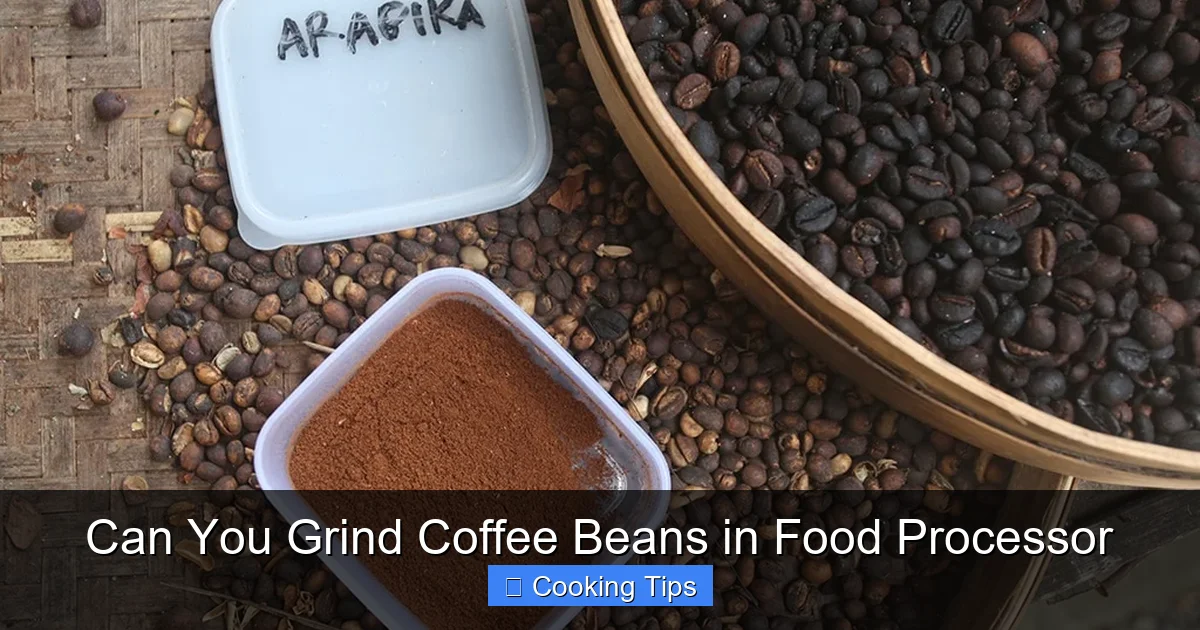
Thinking about grinding your own coffee beans but don’t have a dedicated grinder? You can absolutely use a food processor! This guide walks you through the process, offering practical tips to achieve the ideal grind size for your preferred brewing method. Learn how to prepare your beans, operate the food processor safely, and clean up effectively for consistently delicious coffee.
Can You Grind Coffee Beans in Food Processor
Brewing a perfect cup of coffee often starts with the beans themselves. While a dedicated coffee grinder is the gold standard, many home cooks find themselves wondering if their trusty kitchen gadgets can step in when needed. One question that frequently pops up is: “Can you grind coffee beans in a food processor?” The answer is a resounding yes, with a few important caveats and techniques to master. This guide will walk you through everything you need to know to successfully grind coffee beans using your food processor, ensuring a delicious brew even without specialized equipment.
Key Takeaways
- Achieve a Coarse Grind: Food processors are best suited for producing a coarse to medium grind, ideal for French press or cold brew.
- Control is Key: Short, pulsed bursts are crucial for preventing overheating and achieving an even grind.
- Cleanliness Matters: Thoroughly cleaning your food processor is essential to avoid coffee oils lingering and affecting the taste of future foods.
- Blade Type is Important: While standard S-blades work, some food processors with sharper or multiple blade sets may yield slightly better results.
- Batch Size Matters: Grinding in small batches ensures more consistent particle size and prevents the motor from overheating.
- Not Ideal for Espresso: A food processor generally cannot achieve the superfine grind required for espresso machines.
Why Grind Your Own Coffee?
Before we dive into the “how,” let’s quickly touch on the “why.” Freshly ground coffee beans offer a world of difference in flavor compared to pre-ground coffee. When beans are ground, their surface area increases, exposing more of their volatile aromatic compounds to the air. This leads to a more vibrant, nuanced, and aromatic cup. Grinding just before you brew locks in those desirable flavors, preventing them from dissipating. This is why investing a little effort into grinding your own beans can elevate your daily coffee ritual.
Understanding the Food Processor Grind
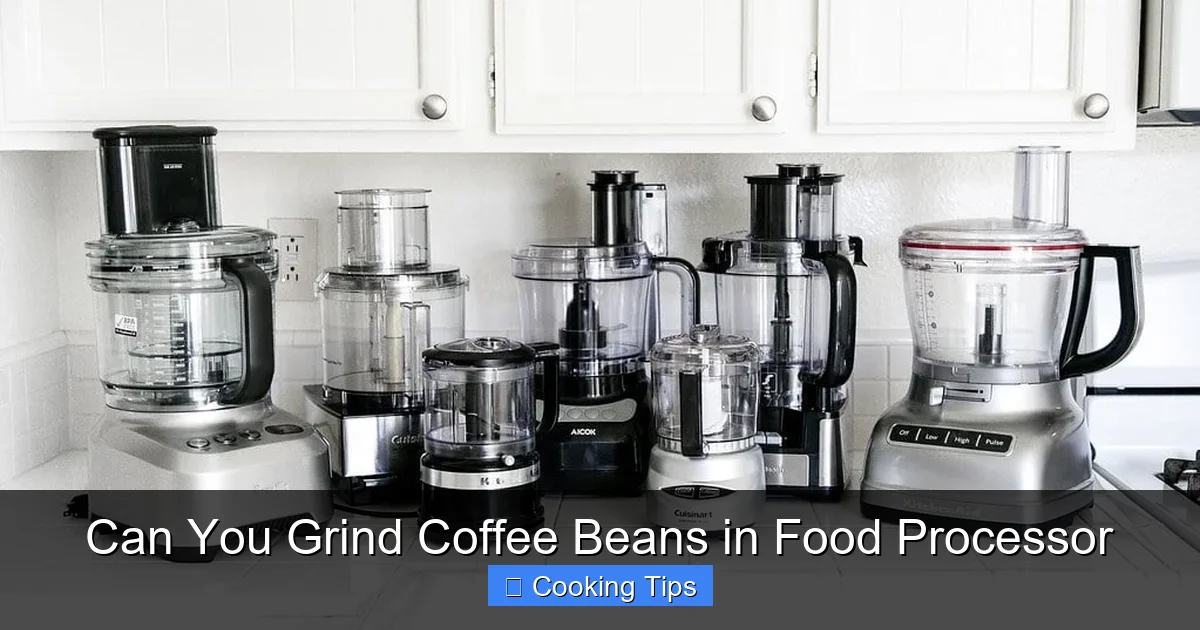
Visual guide about Can You Grind Coffee Beans in Food Processor
Image source: crazycoffeecrave.com
It’s important to set expectations when using a food processor for coffee. Unlike burr grinders, which crush beans between two abrasive surfaces to produce a uniform particle size, food processors chop. This chopping action can result in a less consistent grind, with a mix of larger chunks and finer dust. However, for certain brewing methods, this inconsistency isn’t a deal-breaker.
Best Brewing Methods for Food Processor Grounds
* French Press: This immersion brewing method is quite forgiving with grind size. A coarser grind from a food processor will work well, preventing sediment from passing through the metal filter.
* Cold Brew: Similar to French press, cold brew benefits from a coarser grind. The longer steeping time allows for good extraction even with slightly uneven particles.
* Percolator: While a medium grind is often recommended, a coarser grind from a food processor can also be used in a percolator, though you might get a bit more sediment than usual.
Methods to Avoid
* Espresso: Espresso machines require a very fine, consistent grind to create the necessary pressure for proper extraction. A food processor simply cannot achieve this level of fineness or uniformity. Using grounds from a food processor in an espresso machine will likely result in a weak, bitter, and underextracted shot.
* Pour-Over (Drip Coffee): While a medium grind is ideal for most drip coffee makers, the inconsistency from a food processor might lead to uneven extraction, resulting in a less balanced cup. You might get both over-extracted (bitter) and under-extracted (sour) flavors.
Step-by-Step Guide to Grinding Coffee Beans in a Food Processor
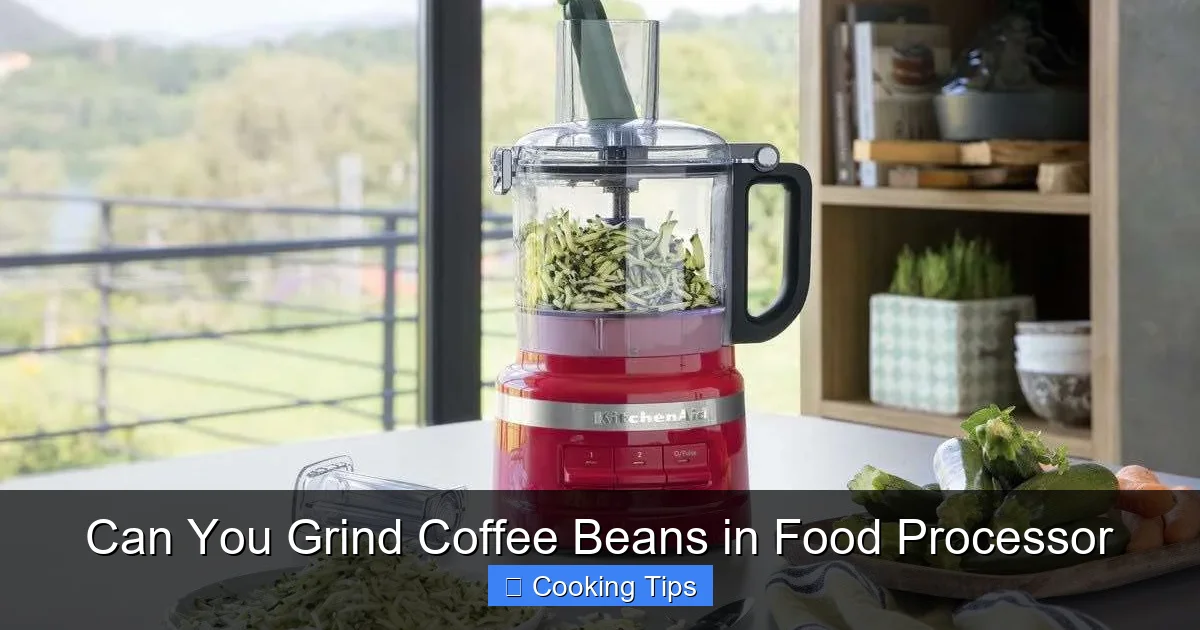
Visual guide about Can You Grind Coffee Beans in Food Processor
Image source: brewingcoffees.com
Ready to give it a try? Follow these steps for the best results.
Step 1: Prepare Your Coffee Beans
Visual guide about Can You Grind Coffee Beans in Food Processor
Image source: typescoffee.com
Before you even think about turning on the food processor, ensure your coffee beans are ready.
H3: Measure Your Beans
Decide how much coffee you want to grind. It’s best to grind in small batches. Overfilling the food processor can lead to uneven grinding and potentially overheat the motor. A good rule of thumb is to fill the food processor’s bowl about one-quarter to one-third full with whole beans.
H3: Use Whole Beans
This might seem obvious, but only grind whole beans. Pre-ground coffee is already ground, and you don’t want to introduce it to your food processor.
Step 2: Set Up Your Food Processor
Ensure your food processor is clean and dry. Any residual food particles or moisture can impart unwanted flavors into your coffee.
H3: Secure the Blade
Make sure the chopping blade is firmly attached to the food processor’s spindle. This is crucial for safety and effective grinding.
H3: Add the Beans
Carefully pour your measured whole coffee beans into the food processor bowl.
Step 3: Grind the Beans
This is where the technique makes all the difference.
H3: Use the Pulse Function
This is the most important tip. Do *not* simply turn the food processor on and let it run continuously. Instead, use the pulse function. This means pressing and releasing the button in short bursts. This method gives you more control over the grind size and prevents the blades from generating too much heat, which can scorch the coffee beans and negatively affect their flavor.
H3: Grind in Short Bursts
Start with short pulses, about 5-10 seconds each. After each pulse, remove the lid and check the consistency of the grounds. You can also give the bowl a gentle shake to redistribute the beans for more even grinding.
H3: Monitor the Grind Size
Continue pulsing and checking until you reach your desired grind size.
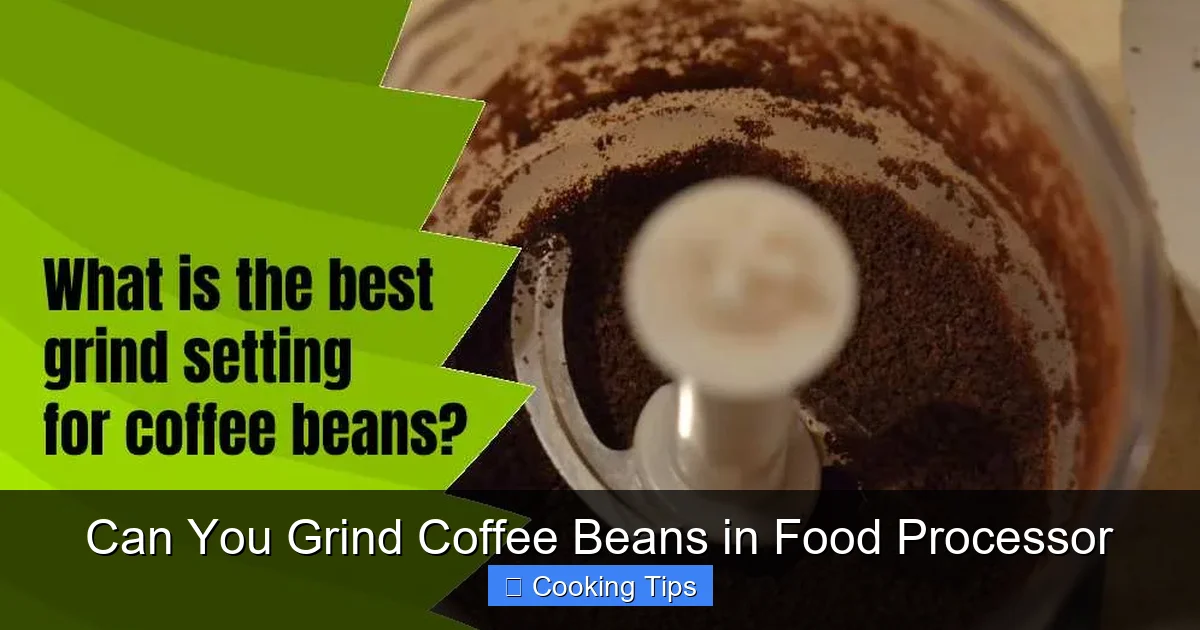
* For Coarse Grind (French Press, Cold Brew): You’ll want larger, roughly uniform pieces, similar in size to coarse sea salt or breadcrumbs. This usually takes fewer pulses.
* For Medium Grind (Percolator, some Drip): Aim for particles resembling granulated sugar. This will require a bit more pulsing.
H3: Avoid Over-Grinding
Keep a close eye on the process. It’s easy to go from a coarse grind to a fine powder very quickly in a food processor. If you see too much fine dust, you’ve likely over-processed.
Step 4: Empty and Store Your Coffee Grounds
Once you’ve achieved the desired grind, it’s time to get your coffee ready for brewing.
H3: Carefully Remove Grounds
Turn off and unplug the food processor. Carefully remove the blade and pour the coffee grounds into an airtight container.
H3: Store Properly
Store your freshly ground coffee in an airtight container in a cool, dark place. For best flavor, use within a week or two of grinding. Avoid storing in the refrigerator or freezer unless you’re planning to store it for an extended period (months), and even then, ensure it’s in a truly airtight, vacuum-sealed bag to prevent moisture and odor absorption.
Step 5: Clean Your Food Processor
This is a crucial step to ensure your food processor remains a versatile kitchen tool and doesn’t make your future meals taste like coffee.
H3: Disassemble and Wash Promptly
As soon as you’re done, disassemble the food processor bowl, lid, and blade. Wash them thoroughly with warm, soapy water. Coffee oils can linger, so a good scrub is necessary.
H3: Use a Brush for Stubborn Residues
If you notice any coffee dust or oils clinging to the blade or inside the bowl, use a soft brush (like an old toothbrush or a vegetable brush) to get into those nooks and crannies.
H3: Dry Thoroughly
Ensure all parts are completely dry before reassembling or storing them. Moisture can lead to mold growth.
H3: Consider a “Rinse Grind” (Optional)
Some people find that running a few tablespoons of white rice or a slice of bread through the clean processor can help absorb residual coffee oils and odors. Follow this with a thorough wash.
Troubleshooting Common Issues
Even with the best intentions, you might encounter a few hiccups.
Uneven Grind?
* Cause: Overfilling the bowl, not using the pulse function enough, or not shaking the bowl between pulses.
* Solution: Grind in smaller batches. Use short, deliberate pulses. Give the bowl a gentle shake or stir the beans with a spoon (with the processor off and unplugged!) between pulses to ensure more even exposure to the blades.
Motor Overheating?
* Cause: Grinding for too long continuously, or attempting to grind too many beans at once.
* Solution: Stick to short, pulsed bursts. Allow the food processor motor to cool down between batches if you’re grinding a large quantity. Never force the motor.
Coffee Tastes Off?
* Cause: Lingering coffee oils or residue in the food processor.
* Solution: Thoroughly clean your food processor, paying extra attention to the blade and the bowl’s interior. Consider the “rinse grind” method mentioned above.
When to Invest in a Dedicated Coffee Grinder
While a food processor is a viable option for occasional use or if you’re in a pinch, it’s not a perfect substitute for a dedicated coffee grinder. If you’re a serious coffee enthusiast who appreciates the subtle nuances of different beans and brewing methods, you’ll eventually want to invest in a quality grinder.
* Burr Grinders: These are the best for consistency. They use abrasive surfaces (burrs) to grind beans to a uniform size, which is crucial for optimal extraction in most brewing methods.
* Blade Grinders: While better than a food processor for coffee, they still chop rather than grind and can produce an inconsistent particle size.
Conclusion
So, can you grind coffee beans in a food processor? Absolutely! By understanding its limitations and employing the right techniques, particularly the judicious use of the pulse function, you can achieve a respectable grind for your favorite brewing methods like French press and cold brew. Remember to grind in small batches, monitor your progress closely, and clean your appliance thoroughly afterward. While it may not replace a high-end burr grinder for espresso aficionados, your food processor can be a surprisingly capable tool for enjoying the superior flavor of freshly ground coffee, making your morning cup all the more satisfying. Happy brewing in 2026!
