

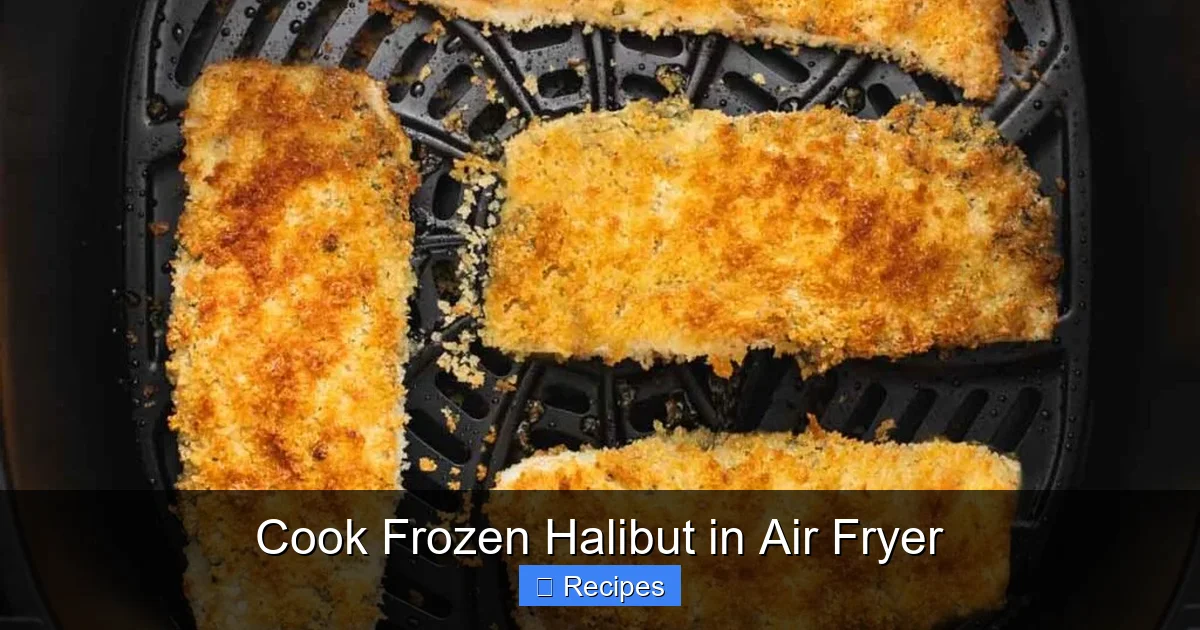
Cooking frozen halibut in an air fryer is fast, easy, and delivers delicious results every time. With minimal prep and no need to thaw, you can enjoy flaky, flavorful fish in under 20 minutes. This method locks in moisture while creating a lightly crisp exterior—ideal for healthy weeknight meals.
[FEATURED_IMAGE_PLACEHOGER]
Key Takeaways
- No thawing required: You can cook frozen halibut directly in the air fryer, saving time and reducing food safety risks.
- Quick cooking time: Most frozen halibut fillets are ready in 12–16 minutes at 400°F (200°C).
- Healthier than frying: The air fryer uses little to no oil, making it a lower-fat alternative to pan-frying or deep-frying.
- Easy seasoning options: Simple spices like garlic powder, paprika, salt, and pepper enhance flavor without overpowering the delicate taste of halibut.
- Perfect texture every time: Air frying prevents overcooking and keeps the fish moist and flaky.
- Great for meal prep: Cook multiple fillets at once and store leftovers for quick lunches or dinners.
- Pairs well with sides: Serve with roasted vegetables, rice, or a fresh salad for a complete meal.
📑 Table of Contents
Why Cook Frozen Halibut in an Air Fryer?
If you’re looking for a fast, healthy, and foolproof way to prepare fish, cooking frozen halibut in an air fryer is a game-changer. Halibut is a lean, mild white fish packed with protein and omega-3 fatty acids, making it a nutritious choice for any meal. But let’s be honest—life gets busy, and defrosting fish overnight isn’t always practical. That’s where the air fryer shines.
Unlike traditional methods that require thawing or risk drying out the fish, air frying frozen halibut delivers consistent results with minimal effort. The circulating hot air cooks the fish evenly, sealing in moisture while giving it a light, crispy exterior. Plus, you skip the mess of oil splatters and the wait time for a skillet to heat up. Whether you’re a beginner or a seasoned home cook, this method simplifies dinner without sacrificing flavor or texture.
What You’ll Need
Before you start, gather your ingredients and tools. The beauty of this recipe is its simplicity—no fancy equipment or hard-to-find spices required.
Ingredients
- Frozen halibut fillets (skin-on or skinless, depending on preference)
- 1–2 teaspoons olive oil or avocado oil (optional, for extra crispiness)
- Salt and black pepper (to taste)
- Garlic powder (½ teaspoon)
- Paprika (½ teaspoon, smoked or sweet)
- Lemon juice or zest (optional, for brightness)
- Fresh herbs like dill or parsley (optional, for garnish)
Equipment
- Air fryer (basket-style or tray model)
- Tongs or spatula
- Paper towels (to pat dry if needed)
- Small bowl (for mixing seasonings)
Pro tip: If your halibut fillets are thick (over 1 inch), consider cutting them in half horizontally to ensure even cooking. This also helps prevent the outside from overcooking before the center is done.
Step-by-Step Instructions
Follow these simple steps to cook perfect frozen halibut in your air fryer every time. No guesswork, no stress—just great-tasting fish in minutes.
Step 1: Preheat the Air Fryer
Set your air fryer to 400°F (200°C) and let it preheat for 3–5 minutes. Preheating ensures even cooking from the start and helps create that desirable crispy texture. While it heats up, take a moment to prepare your seasoning mix.
Step 2: Season the Halibut
Remove the frozen halibut fillets from the packaging. There’s no need to thaw—just pat them lightly with a paper towel to remove excess surface moisture. This helps the seasoning stick and promotes browning.
In a small bowl, mix together salt, pepper, garlic powder, and paprika. Lightly brush or spray each fillet with a small amount of oil—this step is optional but recommended for better crispness and flavor absorption. Then, sprinkle the seasoning blend evenly over both sides of the fish.
Step 3: Arrange in the Air Fryer
Place the seasoned halibut fillets in the air fryer basket in a single layer. Avoid overcrowding—leave a little space between each piece so hot air can circulate freely. If you’re cooking more than 2–3 fillets, you may need to work in batches.
If your fillets have skin, place them skin-side down. This helps protect the delicate flesh from drying out and allows the skin to crisp up nicely.
Step 4: Cook the Halibut
Cook the frozen halibut at 400°F (200°C) for 12–16 minutes. The exact time depends on the thickness of the fillets. Thinner pieces (¾ inch) may be done in 12 minutes, while thicker ones (1½ inches) might need up to 16 minutes.
Halfway through cooking, open the air fryer and flip the fillets using tongs or a spatula. This ensures even browning on both sides. Keep an eye on them during the last few minutes—halibut is done when it flakes easily with a fork and reaches an internal temperature of 145°F (63°C).
Step 5: Rest and Serve
Once cooked, carefully remove the halibut from the air fryer and let it rest for 2–3 minutes. This allows the juices to redistribute, keeping the fish moist and tender. Squeeze fresh lemon juice over the top and garnish with chopped herbs if desired.
Serve immediately with your favorite sides. Roasted broccoli, garlic mashed potatoes, or a crisp garden salad all pair beautifully with air-fried halibut.
Tips for Perfect Results
A few small tweaks can make a big difference in the final outcome. Here are some expert tips to ensure your frozen halibut turns out restaurant-quality every time.
Don’t Overcook
Halibut dries out quickly if left in too long. Use a meat thermometer to check doneness—145°F is the safe internal temperature recommended by the FDA. If you don’t have a thermometer, gently press the thickest part of the fillet; it should feel firm but still slightly springy.
Use Parchment Paper (Optional)
If you’re worried about sticking, especially with skinless fillets, line the air fryer basket with perforated parchment paper. This makes cleanup easier and prevents delicate fish from tearing when flipped.
Add Flavor Variations
While basic seasonings work great, don’t be afraid to experiment. Try a lemon-herb blend with thyme and lemon zest, or a Cajun spice mix for a bolder kick. A light drizzle of honey or maple syrup before cooking adds subtle sweetness that complements the fish’s natural flavor.
Pair with Complementary Dishes
Air-fried halibut pairs well with a variety of sides. For a balanced meal, serve it with air-fried broccoli or crispy air-fryer potatoes. Both cook quickly and can often be prepared in the same appliance—just stagger the cooking times if needed.
Common Mistakes to Avoid
Even simple recipes can go wrong if you skip a few key steps. Here’s what to watch out for when cooking frozen halibut in an air fryer.
Skipping the Flip
Flipping the fillets halfway through ensures even cooking and browning. If you leave them on one side the entire time, one side may become overcooked while the other remains underdone.
Overcrowding the Basket
Cramming too many fillets into the air fryer restricts airflow and leads to steaming instead of crisping. Cook in batches if necessary—it’s better to wait a few extra minutes than end up with soggy fish.
Using Too Much Oil
A light spray or brush of oil is plenty. Too much oil can cause smoking in the air fryer and make the fish greasy rather than crisp.
Ignoring Thickness Differences
Not all frozen halibut fillets are the same size. Adjust cooking time based on thickness, and consider cutting larger pieces in half for more even results.
Why This Method Beats Other Cooking Styles
Compared to baking, pan-frying, or grilling, air frying frozen halibut offers unique advantages. Baking often requires pre-thawing and can dry out the fish. Pan-frying adds extra fat and cleanup. Grilling is great in summer but not always practical indoors or in bad weather.
The air fryer strikes the perfect balance: it’s fast, healthy, and delivers consistent results regardless of your cooking experience. Plus, it’s versatile—you can use the same appliance to cook frozen chicken wings or crispy fries as a side, making it a true kitchen multitasker.
Conclusion
Cooking frozen halibut in an air fryer is one of the easiest ways to enjoy fresh-tasting fish without the hassle. With just a few minutes of prep and no need to thaw, you can have a nutritious, flavorful meal on the table fast. Whether you’re feeding a family or cooking for one, this method delivers tender, flaky fish with a light, crispy finish—every single time.
Give it a try tonight and see how much you love having a reliable go-to recipe for busy days. Once you master this technique, you’ll wonder why you ever waited to defrost your fish!
Frequently Asked Questions
Can you cook frozen halibut in an air fryer without thawing?
Yes! You can cook frozen halibut directly in the air fryer without thawing. This saves time and reduces the risk of bacterial growth from improper thawing. Just adjust the cooking time slightly longer than you would for fresh fish.
How do you prevent frozen halibut from drying out in the air fryer?
To keep halibut moist, avoid overcooking and use a light coating of oil. Cooking at 400°F for no more than 16 minutes (depending on thickness) and flipping halfway helps retain moisture. Letting the fish rest for a few minutes after cooking also helps.
What temperature should halibut be cooked to?
Halibut should reach an internal temperature of 145°F (63°C) to be safely cooked. Use a meat thermometer to check the thickest part of the fillet. The fish should flake easily with a fork when done.
Can I season frozen halibut before air frying?
Absolutely! Seasoning frozen halibut before cooking enhances flavor. Pat the fillets dry, brush with a little oil, and apply your favorite spices. The seasoning will adhere well and infuse the fish as it cooks.
How long does it take to cook frozen halibut in an air fryer?
Cooking time ranges from 12 to 16 minutes at 400°F (200°C), depending on fillet thickness. Flip the fish halfway through for even cooking. Thinner fillets cook faster, so monitor closely toward the end.
What sides go well with air-fried halibut?
Light, fresh sides complement halibut beautifully. Try air-fried vegetables like broccoli or zucchini, roasted potatoes, quinoa, or a simple green salad with lemon vinaigrette. These add color, texture, and nutrition to your meal.
