

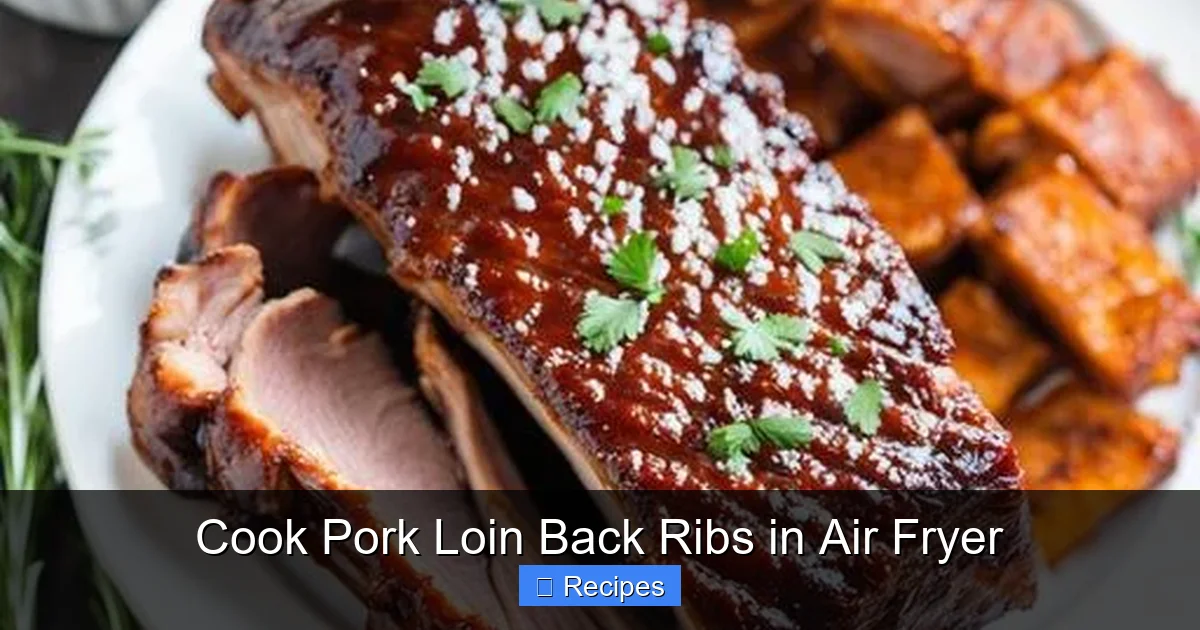
Cooking pork loin back ribs in an air fryer is fast, easy, and delivers tender, flavorful results every time. With minimal oil and no oven needed, this method gives you fall-off-the-bone ribs with a delicious crispy exterior—perfect for weeknight dinners or weekend feasts.
[FEATURED_IMAGE_PLACEHER]
Key Takeaways
- Air fryer ribs cook faster than oven methods: Most pork loin back ribs are done in 30–40 minutes, saving time and energy.
- No need for heavy sauces or deep frying: The air fryer crisps the exterior while keeping the meat juicy using little to no oil.
- Prep is simple: Remove the membrane, season well, and cook—no marinating required for great flavor.
- Perfect for small batches: Ideal for 1–2 people, with easy cleanup and no greasy kitchen.
- Use a meat thermometer: Ribs are safe and tender when the internal temperature reaches 145°F (63°C) with a 3-minute rest.
- Great for reheating leftovers: Try our guide on how to reheat ribs in air fryer to keep them moist and tasty.
- Pair with simple sides: Serve with air-fried vegetables or potato wedges for a complete meal.
📑 Table of Contents
Why Cook Pork Loin Back Ribs in an Air Fryer?
If you’ve ever dreamed of juicy, tender ribs without the hassle of a smoker or hours in the oven, the air fryer is your new best friend. Pork loin back ribs—sometimes called baby back ribs—are leaner and more tender than spare ribs, making them perfect for quick-cooking methods. The air fryer uses rapid hot air circulation to crisp the outside while locking in moisture, giving you that ideal balance of texture and flavor.
Unlike traditional grilling or baking, air frying requires minimal oil and cuts cooking time nearly in half. Plus, cleanup is a breeze—just wipe down the basket and you’re done. Whether you’re cooking for one or feeding a small crowd, this method delivers restaurant-quality ribs with minimal effort. And if you’re new to air frying meat, don’t worry—this guide walks you through every step, from prep to plating.
What Are Pork Loin Back Ribs?
Pork loin back ribs come from the top portion of the pig’s rib cage, directly under the loin muscle. They’re shorter and more curved than spare ribs, with a higher meat-to-bone ratio. Because they’re cut from the loin, they’re naturally leaner and more tender, which means they cook faster and absorb seasonings beautifully.
These ribs are often labeled as “baby back ribs” in stores, though they’re not actually from baby pigs—just a smaller, more refined cut. They’re ideal for air frying because their thin profile allows heat to penetrate quickly and evenly. Unlike fattier rib cuts, pork loin back ribs won’t get overly greasy in the air fryer, making them a healthier, lighter option without sacrificing flavor.
Choosing the Right Cut
When shopping, look for ribs with a nice pink color and even marbling. Avoid packages with excessive liquid or grayish meat. A full rack typically weighs 2–3 pounds and serves 2–3 people. If you’re cooking for one, ask your butcher to cut the rack in half—this fits better in most air fryer baskets and cooks more evenly.
Also, check that the ribs are labeled “pork loin back ribs” or “baby back ribs.” Spare ribs or St. Louis-style ribs are thicker and may require longer cooking times, which can dry them out in the air fryer. For best results, stick with the loin cut for this method.
Essential Tools and Ingredients
You don’t need fancy equipment to make amazing air-fried ribs. Here’s what you’ll need:
- Air fryer: Any standard model (3.5–5.8 quarts) works well. Larger models can fit a full rack; smaller ones may require cutting the rack in half.
- Meat thermometer: Essential for checking doneness. Look for 145°F (63°C) internal temperature.
- Tongs or silicone gloves: For safely handling hot ribs.
- Paper towels: To pat the ribs dry before seasoning.
- Small brush (optional): For applying sauce during the last few minutes of cooking.
As for ingredients, keep it simple:
- 1 rack of pork loin back ribs (2–3 lbs)
- 1–2 tablespoons of your favorite dry rub (see recipe below)
- 1–2 teaspoons of oil (optional, for extra crispiness)
- Bbq sauce or glaze (optional, for finishing)
Recommended Dry Rub
A basic dry rub enhances flavor without overpowering the meat. Try this easy blend:
- 1 tbsp brown sugar
- 1 tsp smoked paprika
- 1 tsp garlic powder
- 1 tsp onion powder
- 1/2 tsp black pepper
- 1/2 tsp salt
- 1/4 tsp cayenne (optional, for heat)
Mix all ingredients in a small bowl and store any leftovers in an airtight container for up to 3 months. This rub works great on pork chops in air fryer too!
Step-by-Step Cooking Instructions
Follow these simple steps for perfect air-fried pork loin back ribs every time.
Step 1: Prep the Ribs
Start by removing the thin, tough membrane on the bone side of the ribs. Use a butter knife to lift one corner, then grab it with a paper towel and pull it off in one piece. This step is crucial—it allows seasonings to penetrate and prevents the ribs from curling during cooking.
Pat the ribs dry with paper towels. Moisture prevents crisping, so this step ensures a better texture. If desired, lightly brush both sides with a teaspoon of oil (like avocado or canola) to help the rub stick and promote browning.
Step 2: Season Generously
Sprinkle the dry rub evenly over both sides of the rack, pressing gently to help it adhere. Don’t be shy—ribs can handle bold flavors. Let them sit at room temperature for 10–15 minutes while you preheat the air fryer. This short rest helps the seasoning penetrate and ensures more even cooking.
Step 3: Preheat the Air Fryer
Preheat your air fryer to 360°F (182°C) for 3–5 minutes. Preheating ensures consistent cooking from the start and helps develop that crispy exterior. If your model doesn’t have a preheat function, just run it empty for a few minutes before adding the ribs.
Step 4: Cook the Ribs
Place the ribs in the air fryer basket bone-side down. If the rack is too long, cut it in half and cook in batches. Avoid overcrowding—cook one rack at a time for even airflow.
Cook at 360°F (182°C) for 25–30 minutes. Flip the ribs halfway through (around the 15-minute mark) to ensure even browning. If you like saucy ribs, brush on a thin layer of BBQ sauce during the last 5 minutes of cooking. Watch closely to prevent burning.
Step 5: Check for Doneness
Use a meat thermometer to check the internal temperature. Insert it between the bones, avoiding the bone itself. Ribs are safe to eat at 145°F (63°C), but for fall-off-the-bone tenderness, aim for 190–203°F (88–95°C). If they’re not quite there, cook in 3-minute increments until done.
Let the ribs rest for 3–5 minutes before slicing. This allows the juices to redistribute, keeping the meat moist.
Serving and Pairing Suggestions
Serve your air-fried pork loin back ribs hot off the basket. Slice between the bones for individual portions, or serve the whole rack for a dramatic presentation. Pair with classic sides like coleslaw, cornbread, or baked beans.
For a complete air fryer meal, try cooking potatoes in air fryer or broccoli in air fryer alongside the ribs. Both cook in under 20 minutes and complement the rich, savory flavor of the meat.
If you’re feeding a crowd, consider doubling the recipe and using two air fryers or cooking in batches. Leftovers? No problem—store in the fridge for up to 3 days and reheat using our guide on how to reheat ribs in air fryer to keep them juicy.
Common Mistakes to Avoid
Even with a simple method like air frying, a few missteps can lead to dry or undercooked ribs. Here’s what to watch out for:
- Skipping the membrane removal: This thin layer traps steam and prevents seasoning from penetrating. Always remove it.
- Overcooking: Pork loin back ribs are lean and can dry out if cooked too long. Use a thermometer and check early.
- Not preheating: Starting in a cold air fryer leads to uneven cooking and soggy results.
- Overloading the basket: Crowding blocks airflow. Cook one rack at a time for best results.
- Using too much sauce too early: Sugar in BBQ sauce burns quickly. Apply only in the final 5 minutes.
By avoiding these pitfalls, you’ll consistently get tender, flavorful ribs that rival any BBQ joint.
Conclusion
Cooking pork loin back ribs in an air fryer is a game-changer for busy home cooks. It’s fast, easy, and delivers juicy, flavorful ribs with minimal cleanup. Whether you’re a seasoned air fryer pro or just starting out, this method is reliable and delicious.
With the right prep, seasoning, and cooking time, you’ll have restaurant-quality ribs in under 40 minutes. So fire up your air fryer, grab a rack of ribs, and enjoy a meal that’s both satisfying and simple. For more air fryer inspiration, check out our guide on best foods to cook in an air fryer and discover your next favorite dish.
Frequently Asked Questions
How long do you cook pork loin back ribs in an air fryer?
Cook pork loin back ribs in the air fryer at 360°F (182°C) for 25–30 minutes, flipping halfway through. Always check the internal temperature—145°F (63°C) is safe, but 190–203°F (88–95°C) gives fall-off-the-bone tenderness.
Do you need to remove the membrane from pork ribs before air frying?
Yes, always remove the thin membrane on the bone side. It prevents even cooking and blocks flavor absorption. Use a paper towel for a better grip when pulling it off.
Can you cook frozen pork loin back ribs in an air fryer?
It’s not recommended to cook frozen ribs directly. Thaw them in the fridge overnight first. If you must cook from frozen, add 8–10 minutes to the cooking time and check the temperature carefully.
Should I use oil when air frying ribs?
Oil is optional. A light brush helps the seasoning stick and improves browning, but the air fryer can crisp the ribs without it. Use just 1–2 teaspoons for best results.
Can I add BBQ sauce to ribs in the air fryer?
Yes, but only in the last 5 minutes of cooking. Sugar in BBQ sauce burns quickly at high heat. Brush it on near the end for a sticky, caramelized glaze.
How do I know when air-fried ribs are done?
Use a meat thermometer. Insert it between the bones—not touching the bone. Ribs are safe at 145°F (63°C), but for maximum tenderness, aim for 190–203°F (88–95°C). Let them rest 3–5 minutes before serving.
