

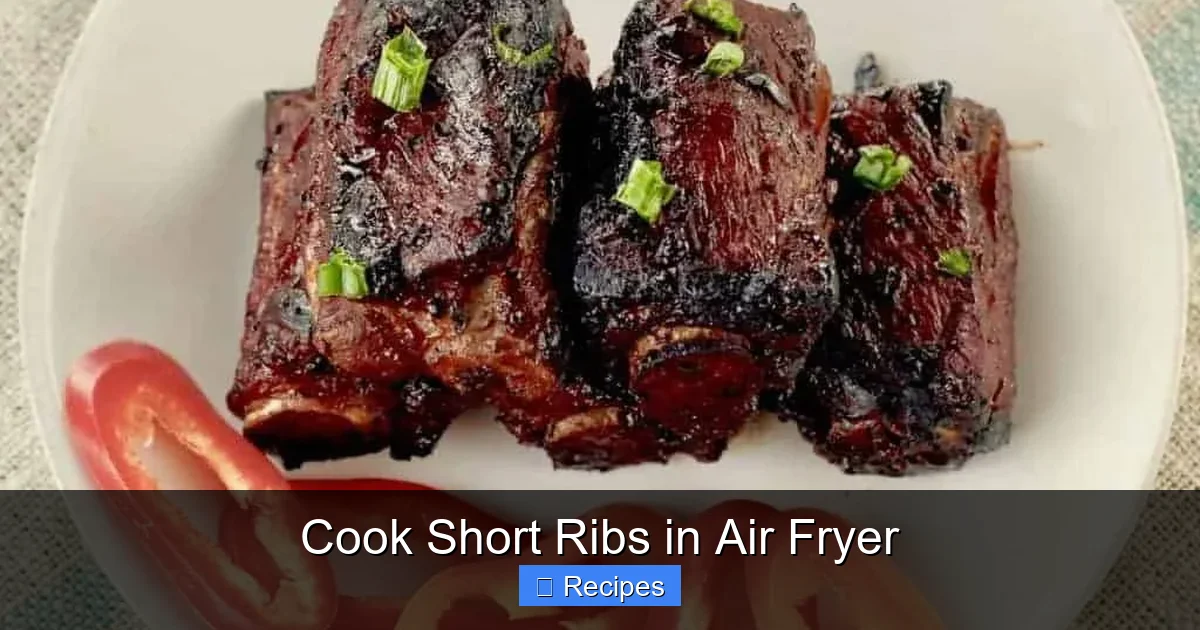
Cooking short ribs in an air fryer is a game-changer for busy home cooks who want rich, fall-off-the-bone flavor without hours of stovetop simmering. With the right prep and timing, your air fryer delivers tender, caramelized ribs that rival slow-cooked versions—all in under an hour.
If you’ve ever dreamed of sinking your teeth into rich, succulent short ribs but dread the hours of braising on the stove, it’s time to meet your new kitchen hero: the air fryer. Yes, that countertop marvel known for crispy fries and golden chicken wings can also deliver melt-in-your-mouth short ribs with surprising ease. No oven preheating, no constant monitoring—just bold flavor and tender meat in under an hour.
Short ribs are naturally tough due to their dense muscle fibers and connective tissue, which is why traditional methods rely on long, slow cooking. But the air fryer’s rapid circulation of hot air mimics both searing and gentle roasting, breaking down collagen efficiently while creating a delicious crust. Whether you’re cooking bone-in English-style ribs or boneless cuts, this method delivers restaurant-quality results with minimal effort. Plus, cleanup is a breeze—just wipe down the basket and tray.
Key Takeaways
- Air fryers save time: Cook short ribs in 45–60 minutes instead of hours.
- Prep is key: Dry the ribs, season generously, and let them rest before cooking.
- Use high heat for browning: Start at 400°F to sear and lock in juices.
- Finish low and slow: Reduce heat to 300°F to tenderize connective tissue.
- Don’t overcrowd: Cook in batches if needed for even crisping.
- Add moisture wisely: A splash of broth or wine prevents drying.
- Rest before serving: Let ribs sit 5 minutes to redistribute juices.
📑 Table of Contents
Why Cook Short Ribs in an Air Fryer?
The air fryer isn’t just for snacks and sides—it’s a versatile tool that excels at transforming tough cuts into tender masterpieces. When you cook short ribs in air fryer, you get the best of both worlds: the Maillard reaction (that beautiful browning that adds depth of flavor) and controlled heat that gently renders fat and softens connective tissue.
Unlike slow cookers or Dutch ovens, air fryers use convection heating, meaning hot air circulates around the food at high speed. This creates even cooking and prevents steaming, which can happen in covered pots. The result? Ribs that are crispy on the outside, juicy on the inside, and never soggy. Plus, you skip the extra oil—most air fryer recipes use little to no added fat, making this a lighter option without sacrificing richness.
Another major perk? Time. Traditional braised short ribs can take 3–4 hours. In the air fryer, you’re looking at 45–60 minutes total, depending on thickness. That’s a huge win for weeknight dinners or last-minute guests. And because the air fryer is compact, it’s perfect for small kitchens or when you don’t want to heat up the whole house with a long oven roast.
Choosing the Right Short Ribs
Not all short ribs are created equal, and your cut choice impacts both flavor and cook time. The two most common types are bone-in English-style and boneless short ribs. English-style ribs are cut between the bones, giving you individual portions with a good mix of meat and marrow. They’re ideal for air frying because their size fits well in the basket and they brown evenly.
Boneless short ribs, often labeled as “braising beef” or “short plate,” are leaner and cook faster. They’re great if you prefer no bones, but they can dry out more easily—so keep an eye on them. For best results, choose ribs that are well-marbled with fat. The fat renders during cooking, basting the meat from within and keeping it moist.
When shopping, look for ribs with a deep red color and firm texture. Avoid packages with excessive liquid or grayish spots. If possible, buy from a butcher who can trim excess fat and ensure even thickness. Thicker ribs (about 1.5 to 2 inches) work best in the air fryer—they won’t overcook before the interior becomes tender.
Essential Prep Steps
Great short ribs start with smart prep. First, pat the ribs completely dry with paper towels. Moisture is the enemy of browning—if the surface is wet, you’ll steam instead of sear. Next, season generously with salt and pepper at least 15 minutes before cooking (or up to 24 hours in the fridge). This not only flavors the meat but also helps draw out moisture, which then reabsorbs for a more concentrated taste.
For extra flavor, consider a dry rub. A simple blend of garlic powder, smoked paprika, onion powder, and a pinch of cayenne works wonders. Rub it in gently—don’t press too hard, or you’ll compact the meat. If you’re feeling adventurous, marinate the ribs in a mixture of soy sauce, brown sugar, minced garlic, and a splash of apple cider vinegar for 2–4 hours. The acidity helps tenderize, while the sugar promotes caramelization.
Before loading the air fryer, let the ribs come to room temperature for 20–30 minutes. Cold meat cooks unevenly, and you’ll risk a tough exterior and undercooked center. Also, make sure your air fryer basket is clean and lightly greased—use a high-smoke-point oil like avocado or canola to prevent sticking.
Step-by-Step Cooking Method
Now for the fun part: cooking. Start by preheating your air fryer to 400°F (200°C) for 3–5 minutes. This ensures immediate searing when the ribs hit the basket. Place the ribs in a single layer, leaving space between each piece. Overcrowding traps steam and leads to uneven cooking—cook in batches if necessary.
Cook the ribs at 400°F for 15 minutes, then flip them carefully using tongs. This step is crucial for even browning. Return to the air fryer and reduce the temperature to 300°F (150°C). Continue cooking for another 20–30 minutes, depending on thickness. Use a meat thermometer to check doneness: aim for an internal temperature of 195–205°F (90–96°C) for fork-tender meat.
To add moisture and prevent drying, place a small oven-safe dish of beef broth, red wine, or water in the bottom of the air fryer basket (not touching the ribs). This creates a gentle steam effect without sacrificing crispness. You can also baste the ribs halfway through with a glaze—try a mix of balsamic vinegar, honey, and Dijon mustard for a sweet-tangy finish.
Once done, remove the ribs and let them rest for 5 minutes. This allows the juices to settle, ensuring every bite is moist and flavorful. Serve immediately over mashed potatoes, polenta, or with roasted vegetables.
Serving and Pairing Ideas
Short ribs are rich and hearty, so balance them with bright, fresh sides. A simple arugula salad with lemon vinaigrette cuts through the fat, while creamy mashed potatoes or garlic mashed cauliflower provide a comforting base. Roasted carrots, Brussels sprouts, or sautéed greens add color and nutrients.
For a complete meal, pair your air-fried short ribs with crusty bread to soak up the pan juices—yes, even in the air fryer, you’ll get delicious drippings! If you made a glaze, drizzle extra over the top just before serving. Garnish with fresh herbs like parsley or thyme for a pop of color and aroma.
Leftovers? Short ribs taste even better the next day. Store in an airtight container in the fridge for up to 3 days, or freeze for up to 2 months. Reheat gently in the air fryer at 300°F for 8–10 minutes to restore crispness without drying out.
Common Mistakes to Avoid
Even with the best intentions, things can go sideways. One common error is skipping the preheat. Cold air fryers won’t sear properly, leading to gray, tough ribs. Another is using too much oil—a light spray is plenty; excess oil can smoke and create off-flavors.
Don’t skip the flip! Uneven cooking leads to one side being overcooked while the other remains tough. And resist the urge to peek constantly—every time you open the basket, heat escapes and cook time increases.
Finally, avoid cooking frozen short ribs directly. Always thaw them in the fridge overnight. Frozen meat releases too much water, which steams instead of roasts, ruining texture and flavor.
Conclusion
Cooking short ribs in an air fryer is a smart, fast, and delicious way to enjoy one of beef’s most flavorful cuts. With proper prep, the right temperature settings, and a little patience, you’ll achieve tender, caramelized ribs that satisfy even the most discerning palate. Whether you’re feeding a crowd or treating yourself to a cozy dinner, this method delivers consistent results with minimal cleanup.
So next time you’re craving comfort food without the hassle, grab your air fryer and give short ribs a try. Your taste buds—and your schedule—will thank you.
Frequently Asked Questions
Can I cook frozen short ribs in an air fryer?
No, it’s not recommended to cook frozen short ribs directly in the air fryer. Always thaw them in the refrigerator overnight first. Frozen meat releases too much water, which prevents proper browning and leads to steaming instead of roasting.
How do I know when short ribs are done?
Use a meat thermometer to check the internal temperature. Short ribs are perfectly tender at 195–205°F (90–96°C). You can also test by inserting a fork—if it twists easily in the meat, they’re ready.
Can I use boneless short ribs in the air fryer?
Yes! Boneless short ribs work well, but they cook faster and can dry out more easily. Reduce cook time by 5–10 minutes and consider adding extra moisture, like broth or wine, to the basket.
Do I need to flip the ribs during cooking?
Absolutely. Flipping ensures even browning and prevents one side from becoming overcooked. Use tongs to turn them carefully after the first 15 minutes at high heat.
What’s the best way to reheat leftover short ribs?
The air fryer is perfect for reheating! Place the ribs in a single layer and heat at 300°F for 8–10 minutes. This restores crispness without drying them out—better than the microwave.
Can I add a sauce or glaze?
Yes! Apply glazes like balsamic-honey or soy-ginger during the last 5–10 minutes of cooking to avoid burning. You can also baste halfway through for extra flavor and shine.
