

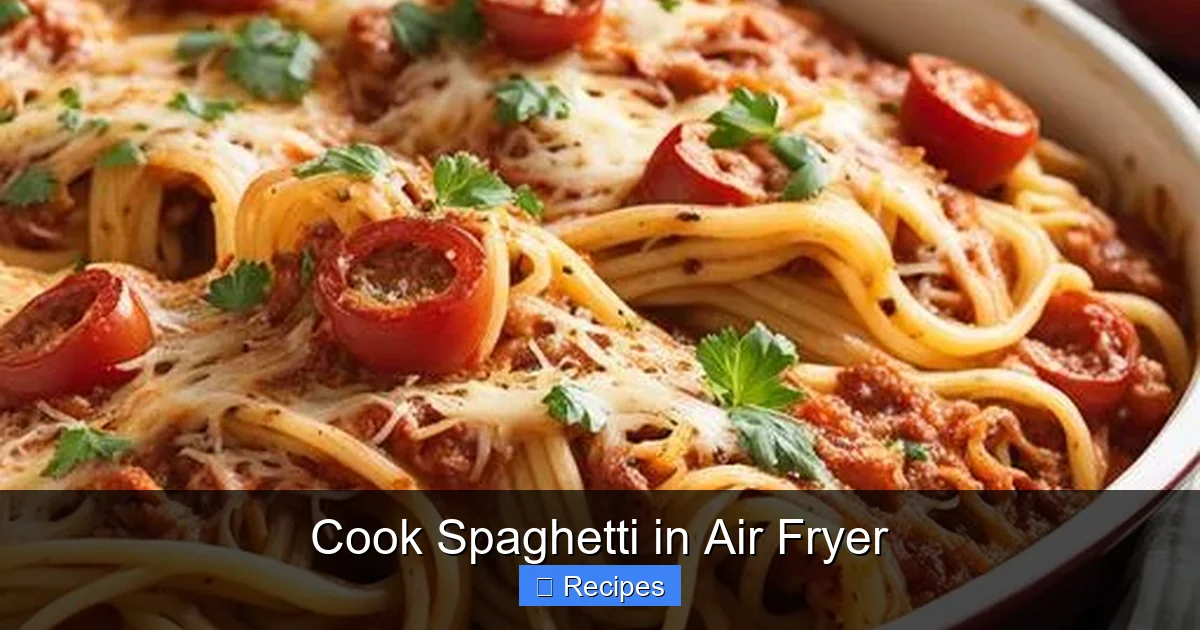
Cooking spaghetti in an air fryer is a game-changer for quick, hands-off meals. This method saves time, reduces cleanup, and delivers perfectly tender pasta every time—no boiling water needed.
Key Takeaways
- No boiling required: Cook spaghetti directly in the air fryer basket using minimal liquid and steam.
- Quick and easy: Ready in under 20 minutes—ideal for busy weeknights or last-minute dinners.
- Less cleanup: One-pot cooking means fewer dishes and less mess compared to traditional boiling.
- Customizable: Add sauce, veggies, or protein like ground beef or Italian sausage for a complete meal.
- Perfect texture: Achieve al dente spaghetti with the right water-to-pasta ratio and timing.
- Great for small batches: Ideal for 1–2 servings; scale up carefully to avoid overcrowding.
- Energy-efficient: Uses less energy than boiling a large pot of water on the stove.
📑 Table of Contents
Can You Really Cook Spaghetti in an Air Fryer?
If you’ve ever stood over a pot of boiling water, waiting for spaghetti to cook, only to deal with sticky noodles and messy cleanup, you’ll love this hack: cooking spaghetti in an air fryer. Yes, it sounds unconventional, but it works—and surprisingly well. The air fryer uses hot circulating air to create steam inside the basket, which gently cooks the pasta until tender. No stove, no overflowing pots, no constant stirring.
This method is perfect for anyone short on time, living in a small space, or just looking to simplify dinner prep. Whether you’re a college student, a busy parent, or an air fryer enthusiast, cooking spaghetti in an air fryer is a smart, efficient way to enjoy a classic comfort food. Plus, it opens the door to creative one-pot meals that go beyond plain noodles.
Why Cook Spaghetti in an Air Fryer?
Traditional spaghetti requires a large pot, plenty of water, salt, and constant monitoring to prevent sticking or overcooking. The air fryer flips this process on its head. By using a small amount of water and the appliance’s convection heating, you can cook spaghetti evenly with minimal effort. It’s not just a novelty—it’s a practical solution for modern cooking.
One of the biggest advantages is time savings. While boiling water can take 10–15 minutes alone, the air fryer heats up quickly and starts cooking immediately. Combined with the shorter cook time, you can have dinner ready in under 20 minutes. It’s also energy-efficient, using less electricity than boiling a large pot on the stove. And let’s not forget the cleanup—just one basket to rinse instead of a pot, colander, and utensils.
Perfect for Small Households
If you’re cooking for one or two people, boiling a full pot of water feels wasteful. The air fryer lets you cook just the right amount of spaghetti without excess. A single serving (about 2 ounces of dry pasta) fits comfortably in most air fryer baskets, making it ideal for solo diners or couples.
Great for Experimentation
Once you master the basics, you can start adding ingredients directly to the basket. Toss in some ground beef, marinara sauce, or sautéed veggies to create a complete meal in one appliance. This method works especially well with Italian sausage or zucchini, adding flavor and nutrition without extra pans.
What You’ll Need
Before you start, gather these simple ingredients and tools. Most are likely already in your kitchen.
Ingredients
- 2–4 ounces of dry spaghetti (adjust for servings)
- 1.5 to 2 cups of water (just enough to cover the pasta)
- 1 teaspoon of salt (optional, for flavor)
- 1 tablespoon of olive oil (prevents sticking)
- Your favorite sauce (marinara, Alfredo, pesto, etc.)
- Optional add-ins: cooked meat, vegetables, garlic, herbs
Equipment
- Air fryer (basket or tray style)
- Tongs or fork (for stirring)
- Measuring cup
- Small bowl or ramekin (for sauce, if heating separately)
Tip: Use a heat-safe bowl if you plan to warm sauce inside the air fryer alongside the pasta. Glass or ceramic works best.
Step-by-Step Instructions
Follow these simple steps to cook perfect spaghetti in your air fryer. The key is balancing water, heat, and timing to avoid undercooked or mushy noodles.
Step 1: Prep the Pasta
Break the spaghetti in half if needed to fit your air fryer basket. This helps the noodles cook evenly and prevents clumping. Place the broken spaghetti in the basket in a single layer if possible. Overcrowding can lead to uneven cooking.
Step 2: Add Water and Seasoning
Pour in 1.5 to 2 cups of water—just enough to cover the pasta. Add a teaspoon of salt and a tablespoon of olive oil. The oil helps prevent the noodles from sticking together and gives them a nice sheen.
Step 3: Cook at 360°F (182°C)
Set your air fryer to 360°F and cook for 10–12 minutes. Check at the 8-minute mark and gently stir the pasta with tongs or a fork. This ensures even cooking and prevents clumping. If the water has evaporated too quickly, add a splash more.
Step 4: Test for Doneness
After 10–12 minutes, test a strand. It should be tender but still have a slight bite—al dente. If it’s too firm, cook for another 1–2 minutes. Avoid overcooking, as the pasta will continue to soften as it sits.
Step 5: Drain and Serve
Carefully remove the basket and tilt it to drain excess water. You can also use a spoon to scoop out the pasta. Toss with your favorite sauce and serve immediately. For extra flavor, top with grated Parmesan, fresh basil, or red pepper flakes.
Tips for Perfect Air Fryer Spaghetti
A few small tweaks can make a big difference in your results. Keep these tips in mind for consistently great spaghetti.
Don’t Skip the Oil
Olive oil is your best friend when cooking pasta in the air fryer. It coats the noodles, reduces sticking, and adds richness. Even a small amount makes a noticeable difference.
Stir Midway
Stirring the pasta halfway through cooking ensures even exposure to heat and steam. This is especially important if your air fryer has hot spots. Use tongs or a fork to gently fluff the noodles.
Adjust Water for Your Model
Air fryers vary in size and power. If your pasta dries out too fast, increase the water slightly. If it’s too watery, reduce it next time. Aim for just enough to cover the noodles at the start.
Use a Sauce-Safe Bowl
Want to heat sauce while the pasta cooks? Place a small heat-safe bowl of marinara or Alfredo in the basket alongside the pasta. Just make sure it doesn’t block airflow. This saves time and keeps everything warm.
Add Protein or Veggies
For a complete meal, toss in pre-cooked ground beef, crumbled Italian sausage, or sautéed zucchini during the last few minutes of cooking. The steam will warm them through without overcooking.
Common Mistakes to Avoid
Even with a simple method, things can go wrong. Here’s how to avoid the most common pitfalls.
Using Too Much Water
Adding too much water can lead to soggy pasta or overflow in the basket. Stick to just enough to cover the noodles—about 1.5 to 2 cups for 2–4 ounces of spaghetti.
Overcooking the Pasta
Air fryers cook quickly. Check your spaghetti early and often. Overcooked pasta becomes mushy and loses its texture. Aim for al dente—firm to the bite.
Skipping the Stir
Stirring is essential. Without it, the noodles at the bottom may cook faster than those on top, leading to uneven results. A quick stir at the 8-minute mark fixes this.
Ignoring Your Air Fryer’s Capacity
Don’t overcrowd the basket. Cook in small batches if needed. Overloading prevents proper airflow and steam circulation, resulting in undercooked or unevenly cooked pasta.
Creative Variations and Serving Ideas
Once you’ve mastered the basics, get creative with your air fryer spaghetti. Turn it into a full meal with bold flavors and fresh ingredients.
Spaghetti Aglio e Olio
Toss cooked spaghetti with olive oil, minced garlic, red pepper flakes, and parsley. Simple, flavorful, and ready in minutes.
Spaghetti with Meat Sauce
Cook ground beef separately, then mix with marinara and simmer. Combine with air-fried spaghetti for a hearty dinner.
Veggie-Packed Spaghetti
Add diced bell peppers, mushrooms, or spinach during the last 2–3 minutes of cooking. The steam wilts the veggies perfectly.
Cheesy Baked Spaghetti
Top cooked spaghetti with marinara, mozzarella, and Parmesan. Return to the air fryer for 3–4 minutes at 375°F until bubbly and golden.
Conclusion
Cooking spaghetti in an air fryer is a smart, fast, and mess-free alternative to traditional methods. It’s perfect for quick dinners, small households, or anyone looking to simplify meal prep. With just a few simple steps, you can enjoy tender, flavorful pasta with minimal effort and cleanup.
Whether you’re making a classic marinara bowl or experimenting with proteins and veggies, the air fryer opens up new possibilities for pasta night. Give it a try—you might never go back to boiling water again.
Frequently Asked Questions
Can you cook spaghetti in an air fryer without boiling it first?
Yes! You can cook dry spaghetti directly in the air fryer using steam from a small amount of water. No pre-boiling is needed—just add water, oil, and salt, then cook at 360°F for 10–12 minutes.
How much water should I use when cooking spaghetti in an air fryer?
Use about 1.5 to 2 cups of water for 2–4 ounces of spaghetti. The goal is to just cover the noodles. Adjust slightly based on your air fryer model and how quickly it evaporates water.
Will the spaghetti stick together in the air fryer?
It can if you don’t stir it or use oil. Add a tablespoon of olive oil and stir the pasta halfway through cooking to prevent sticking and ensure even texture.
Can I add sauce directly to the spaghetti in the air fryer?
It’s not recommended to add thick sauces directly, as they can burn or block airflow. Instead, cook the pasta first, then toss with sauce afterward. Or, heat sauce in a separate heat-safe bowl inside the air fryer.
How do I know when the spaghetti is done?
Test a strand after 10 minutes. It should be tender but still have a slight bite—al dente. If it’s too firm, cook for another 1–2 minutes and check again.
Can I cook other types of pasta in the air fryer?
Yes! This method works well with thin pasta like angel hair or linguine. Thicker shapes like penne or rigatoni may need more water and time. Adjust accordingly and monitor closely.
