


Safeguard your kitchen appliances by understanding why you must never immerse the motor unit in water. This comprehensive guide explains the risks of water damage to electrical components and provides detailed, safe cleaning methods. Proper care extends the life of your valuable kitchen tools, ensuring they remain functional and efficient for years to come.
Do Not Immerse Motor Unit in Water
Welcome to our comprehensive guide on the critical rule of kitchen appliance care: “Do Not Immerse Motor Unit in Water.” If you’re an avid cook, you likely have several kitchen appliances with powerful motor units – think blenders, food processors, stand mixers, and hand mixers. These workhorses make our lives easier, but their longevity depends on proper care. A common mistake, often made out of haste or misunderstanding, is immersing the motor unit in water. This guide will explain exactly why this is a big no-no, what can happen if you do it, and most importantly, how to clean and care for your motor units safely and effectively.
By the end of this guide, you’ll have a clear understanding of the risks associated with water and motor units, and you’ll be equipped with the knowledge to maintain your appliances, ensuring they continue to perform at their best for many years.
Key Takeaways
- Never immerse the motor unit in water: Water and electricity are a dangerous combination, leading to electrical shorts, corrosion, and permanent damage to the motor.
- Understand the construction: Motor units contain sensitive electrical components, wiring, and cooling systems that are not designed for submersion.
- Safe cleaning methods are crucial: Rely on damp cloths, brushes, and specialized cleaning tools to clean the exterior of the motor unit.
- Disassembly for thorough cleaning: When possible, detach removable parts for separate washing, leaving the motor unit untouched.
- Drying is essential: Always ensure all parts are completely dry before reassembling and storing your appliance.
- Preventative measures are key: Avoid spills near the motor unit and clean up accidents immediately to prevent liquid ingress.
Why You Must Never Immerse the Motor Unit in Water
At its core, a motor unit is an electrical device. It houses a motor, which is essentially a complex arrangement of electrical windings, magnets, and other components designed to convert electrical energy into mechanical energy. These parts are sensitive and are not sealed against water intrusion in the way that waterproof electronics are. Think of it like trying to submerge your smartphone in the bathtub – disaster is almost guaranteed. The same principle applies to your kitchen appliance motor units.
The primary reason to keep motor units dry is to prevent:
- Electrical Shorts: Water is a conductor of electricity. When water seeps into the motor unit, it can bridge electrical connections that are not meant to be connected, causing a short circuit. This can instantly damage the motor’s internal wiring, leading to failure.
- Corrosion: Even if an immediate short circuit doesn’t occur, prolonged exposure to moisture will lead to corrosion of metal components within the motor. Rust and mineral deposits can build up, interfering with the motor’s operation and eventually causing it to seize up or overheat.
- Component Damage: Beyond the electrical components, many motor units have cooling systems or internal mechanisms that can be damaged by water. Seals can break down, lubricants can be washed away, and delicate parts can be compromised.
- Safety Hazards: Water inside an electrical appliance creates a significant safety risk. It can lead to electric shock if the appliance is plugged in, and it can also damage the appliance to the point where it becomes a fire hazard.
Understanding the Construction of a Motor Unit
To truly appreciate why immersion is forbidden, it’s helpful to understand what’s inside a typical motor unit:
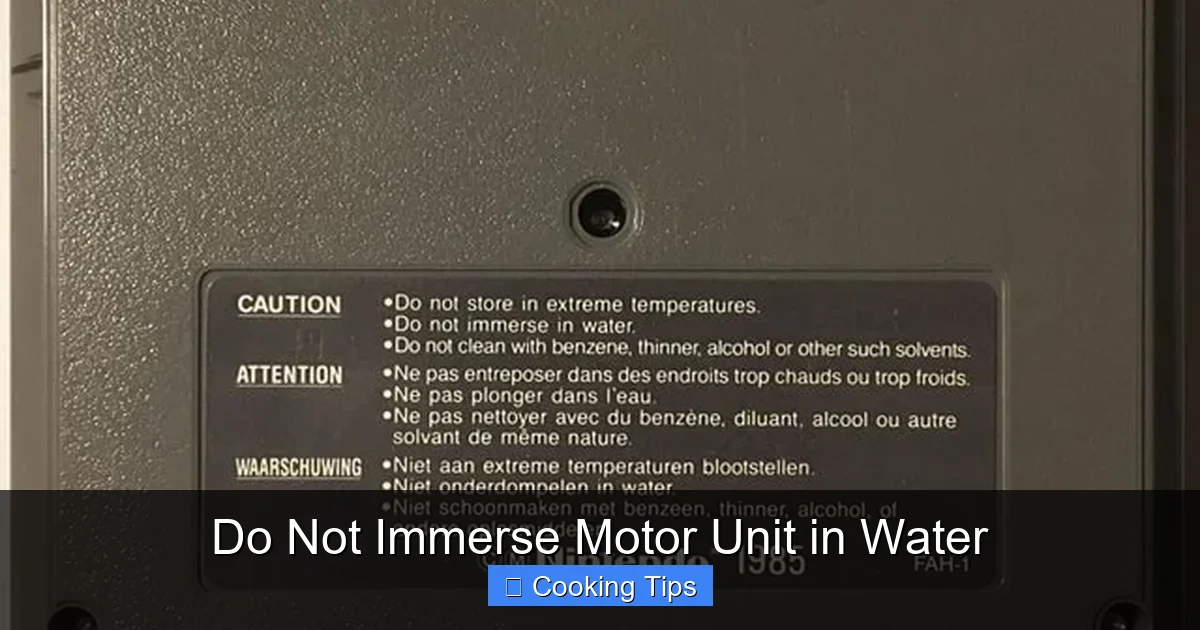
Visual guide about Do Not Immerse Motor Unit in Water
Image source: imageproxy.ifunny.co
- The Motor: This is the heart of the unit. It contains electromagnets, armatures, brushes (in some types of motors), and bearings. These parts are often made of metal and are precisely engineered. Water can interfere with the magnetic fields, cause rust on bearings, and damage brushes.
- Wiring and Circuitry: The motor unit is connected to the power cord via a network of wires and potentially some simple circuitry. These connections are designed to be insulated, but immersion can breach that insulation, leading to shorts.
- Cooling Vents: Many motor units have small vents or openings to allow for airflow and prevent overheating. While these are necessary for function, they also provide potential entry points for liquid if the unit is tilted or exposed to splashes.
- Bearings and Lubrication: The rotating parts within the motor rely on lubrication to move smoothly and quietly. Water can wash away this lubricant, leading to increased friction, heat, and wear.
Given this sensitive internal structure, any attempt to submerge the motor unit in water is a direct assault on its functionality and safety.
Safe and Effective Cleaning Methods for Your Motor Unit
Now that we understand the “why,” let’s focus on the “how” of cleaning your motor units without risking damage. The key is to use methods that clean the exterior without allowing any liquid to penetrate the internal components.

Visual guide about Do Not Immerse Motor Unit in Water
Image source: i.redd.it
Step 1: Disconnect the Appliance
This is the absolute first step for any cleaning operation involving electrical appliances. Always ensure the appliance is unplugged from the power outlet before you begin cleaning. This eliminates the risk of electric shock and prevents accidental activation while you are cleaning.
Step 2: Detach Removable Parts
Most kitchen appliances with motor units are designed with removable attachments or accessories. These are the parts that typically come into contact with food and are meant to be washed. Carefully detach the blender jar, food processor bowl and blade, mixer beaters, or whisk attachments.
Washing Removable Parts
These parts are almost always designed to be washable, often even in a dishwasher. Consult your appliance’s manual to confirm. If washing by hand:
- Use warm, soapy water.
- Employ a soft sponge or brush for scrubbing.
- Rinse thoroughly with clean water.
- Ensure all parts are completely dry before reattaching them to the motor unit or storing them. Use a clean dish towel or allow them to air dry completely.
Step 3: Cleaning the Motor Unit Exterior
This is where the “do not immerse” rule comes into play. You will clean the motor unit itself using dampness, not submersion.
Method A: Using a Damp Cloth
This is the most common and safest method for regular cleaning:
- Take a soft, clean cloth (microfiber cloths work wonderfully) and dampen it slightly with water. Do not wring it out so much that it’s dripping wet; it should be just damp.
- Gently wipe down the exterior surfaces of the motor unit. Pay attention to any areas with visible food splatters or residue.
- For stubborn spots, you can use a very mild, diluted dish soap on the damp cloth. Wipe the area again with a clean, damp cloth to remove any soap residue.
Method B: Using a Soft Brush
For hard-to-reach crevices or areas with dried-on food particles, a soft-bristled brush can be very effective:
- Use a dry, soft brush (like a clean toothbrush or a pastry brush) to gently dislodge any dried-on debris from the motor unit’s exterior.
- Follow up with the damp cloth method described above to wipe away any remaining residue.
Method C: For More Stubborn Stains (Use Sparingly)
If you encounter a particularly stubborn stain, you might consider a very diluted solution of mild dish soap and water on your damp cloth. Again, the key is minimal moisture.
- Dip the very edge of your cloth into a small bowl of water with a tiny drop of mild dish soap.
- Wring out the cloth thoroughly so it is barely damp.
- Wipe the stained area gently.
- Immediately follow up with a separate, clean, damp cloth (rinsed thoroughly) to remove any soap residue.
- Finally, use a dry cloth to wipe the area and ensure it is completely dry.
Step 4: Drying the Motor Unit
After cleaning the exterior, it’s crucial to ensure the motor unit is thoroughly dry before storing or reassembling the appliance. Use a clean, dry, soft cloth to wipe down all surfaces. Pay extra attention to any seams or openings where moisture might have lingered.
Step 5: Storage
Store your appliance in a clean, dry place. If you are storing it for an extended period, ensure all components are completely dry and reassemble the appliance if the manual suggests it for storage, or store parts separately in a protected manner.
Practical Tips and Examples
Let’s look at some specific examples of how to apply these principles to common kitchen appliances:
Visual guide about Do Not Immerse Motor Unit in Water
Image source: bunnomatic-parts.com
- Blender: The motor base is the part you never immerse. Wash the blender jar, lid, and blade assembly according to the manufacturer’s instructions. Wipe down the motor base with a damp cloth, paying attention to the control panel and any areas where the jar attaches.
- Food Processor: Similarly, the motor base of a food processor should never be submerged. Wash the bowl, lid, and blade or disc attachments. Use a damp cloth to clean the base, ensuring no water seeps into the motor housing. If there are dried food particles near the vent openings, use a dry brush first.
- Stand Mixer: The main body of a stand mixer contains the motor. Never immerse this part. The mixing bowl, whisk, dough hook, and paddle attachments are washable. Wipe down the mixer head and base with a damp cloth. For any splatters on the tilting head mechanism, use a damp cloth very carefully.
- Hand Mixer: The hand mixer itself, with the motor inside, is not submersible. The beaters or whisks are usually removable and dishwasher-safe or hand-washable. Wipe down the plastic housing of the hand mixer with a damp cloth. Ensure no water gets into the slots where the beaters insert.
Example Scenario: You’ve just finished making a smoothie, and some of the fruit mixture splashed onto the side of your blender’s motor base. Don’t rinse the whole base under the tap! Instead, grab a paper towel or a clean cloth, dampen it slightly with water, and carefully wipe away the splatter. Follow up with a dry cloth to ensure the area is dry.
Troubleshooting Common Cleaning Issues
Here are some common issues and how to address them safely:
- Smell of Burning Plastic/Electrical Odor: If you smell this, immediately unplug the appliance. This could indicate the motor is overheating or there’s a short circuit. Do not use the appliance. If cleaning was the last action before the smell appeared, it’s possible you used too much moisture. Let the unit dry completely for at least 24-48 hours in a warm, dry place. If the smell persists or the appliance doesn’t work afterwards, it likely requires professional repair or replacement.
- Sticky Residue on the Motor Unit: This is usually dried-on food. Use the damp cloth method, potentially with a very mild soap solution as described in Method C. Be persistent but gentle.
- Mold or Mildew (If Stored Improperly): If you find mold or mildew, it means the appliance wasn’t dried properly before storage or was stored in a damp environment. For the motor unit exterior, clean with a damp cloth and a very mild soap solution. Ensure the area is completely dry afterward. If mold has gotten *inside* the motor unit, it’s a serious issue and may necessitate professional cleaning or replacement, as it’s very difficult to access and clean safely.
Conclusion
Understanding and adhering to the rule “Do Not Immerse Motor Unit in Water” is fundamental to maintaining the health and longevity of your kitchen appliances. These devices are marvels of engineering, but their electrical components are delicate. By using safe cleaning practices – relying on damp cloths, gentle brushes, and ensuring thorough drying – you can keep your blenders, mixers, and food processors in peak condition.
Regular, proper cleaning not only prevents damage but also ensures your appliances are hygienic and ready for your next culinary adventure. Invest a little time in gentle care, and your trusty kitchen companions will serve you faithfully for years to come. Remember, a little caution goes a long way in protecting your valuable kitchen tools.
