

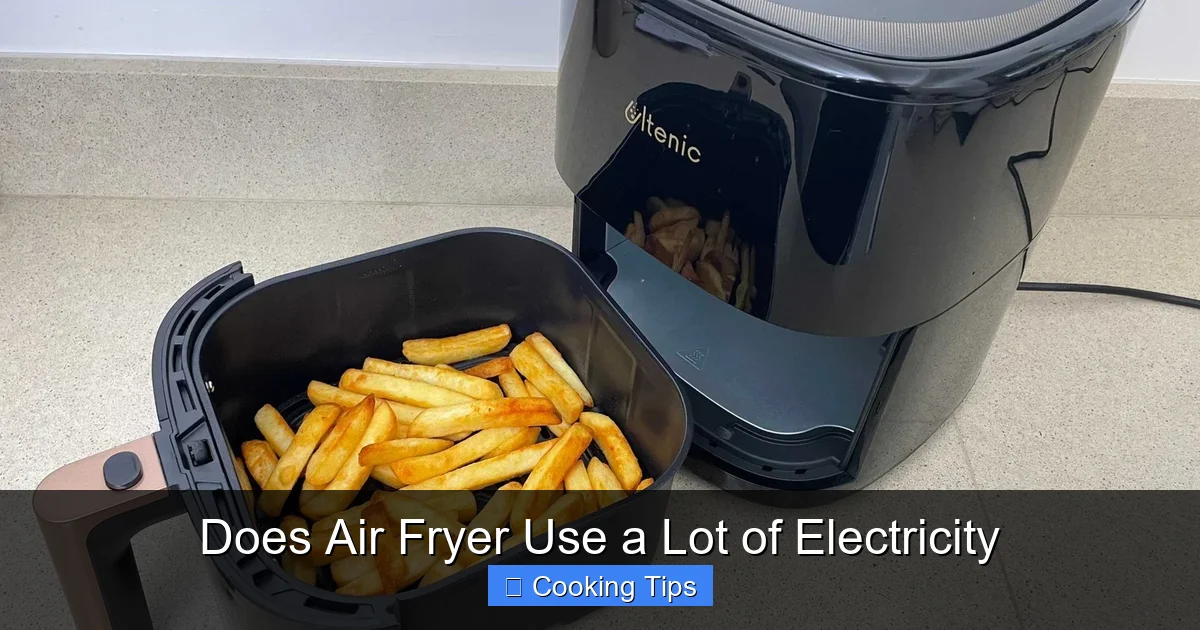
Curious about your air fryer’s energy consumption? This comprehensive guide explores how much electricity air fryers use in 2026. We’ll break down wattage, compare them to other appliances, and offer practical tips to optimize your air fryer’s energy efficiency for cost savings and a greener kitchen.
Does Air Fryer Use a Lot of Electricity
Welcome to your ultimate guide on understanding air fryer electricity usage in 2026! If you’ve recently jumped on the air fryer bandwagon or are considering one, you’re likely wondering about its impact on your energy bill. It’s a common question: does an air fryer use a lot of electricity? The answer, like many things in the kitchen, is a bit nuanced.
In this guide, we’ll demystify the power consumption of your favorite countertop appliance. We’ll delve into what wattage means for your air fryer, how it stacks up against other kitchen gadgets, and most importantly, provide actionable tips to ensure you’re using your air fryer as efficiently as possible. By the end of this article, you’ll have a clear understanding of your air fryer’s energy footprint and how to minimize it.
Key Takeaways
- Air Fryers Have Moderate Wattage: While they have higher wattage than some appliances, they cook food quickly, often offsetting this with shorter run times.
- Cooking Time is Key: The longer an air fryer runs, the more electricity it uses. Smaller, faster cooking times are more energy efficient.
- Size Matters: Larger air fryers with bigger capacities generally consume more power due to the need to heat a larger space and more food.
- Comparison to Ovens: For smaller portions, air fryers are typically more energy-efficient than preheating a full-sized oven.
- Best Practices for Efficiency: Simple habits like not overcrowding the basket and maintaining the appliance can significantly reduce electricity usage.
- Smart Usage for Savings: Understanding when to use your air fryer versus other appliances can lead to notable savings on your electricity bill.
Understanding Air Fryer Wattage
The first step to understanding electricity usage is to know about wattage. Wattage is a measure of power. A higher wattage appliance uses more electricity at any given moment it’s running.
What is Wattage?
Wattage tells you how much electrical power an appliance draws. For air fryers, you’ll typically see ratings ranging from 800 watts to 1700 watts, and sometimes even higher for larger, more powerful models in 2026. A higher wattage generally means the appliance can heat up faster and cook food more quickly.
How Wattage Affects Electricity Bills
The total electricity consumed by any appliance is calculated by multiplying its wattage by the number of hours it’s used. The formula is:
Kilowatt-hours (kWh) = (Wattage / 1000) * Hours of Use
So, a 1500-watt air fryer running for 10 minutes (which is 1/6 of an hour) will use:
(1500 / 1000) * (10/60) = 1.5 kW * 0.167 hours = 0.25 kWh
Your electricity bill is charged in kWh. Therefore, understanding both wattage and usage time is crucial for estimating costs.
Air Fryer vs. Other Kitchen Appliances
It’s helpful to compare air fryer energy consumption to other common kitchen appliances. This context will give you a better perspective on whether your air fryer is a power hog or a relatively efficient choice.
Comparison with a Conventional Oven
One of the most frequent comparisons is between an air fryer and a conventional oven. For small to medium-sized meals, air fryers generally come out as the more energy-efficient option.
Visual guide about Does Air Fryer Use a Lot of Electricity
Image source: bestairfryerhub.com
Preheating: A full-sized oven can take 10-20 minutes to preheat, using a significant amount of electricity during that time. An air fryer typically preheats much faster, often in 2-5 minutes, or sometimes can be used without preheating.
Cooking Time: Air fryers cook food more quickly due to their concentrated heat and fan system. Shorter cooking times mean less overall electricity used, even if the wattage is high.
Portion Size: If you’re cooking for one or two people, using an air fryer is almost always more efficient than heating up a large oven. However, for cooking a large Thanksgiving turkey, your oven is the only practical choice, and thus, the most efficient in that specific scenario.
Comparison with Microwaves and Toasters
Microwaves: Microwaves are very energy-efficient for reheating and cooking specific items because they use specific frequencies to heat water molecules in food. However, they don’t provide the same crispy results as an air fryer for things like fries or chicken wings.
Toasters/Toaster Ovens: A toaster oven’s energy usage can be comparable to an air fryer, as they often have similar wattage. However, air fryers are generally more efficient at circulating hot air for crispier, more evenly cooked food.
Factors Affecting Air Fryer Electricity Usage
Several factors influence how much electricity your air fryer consumes. Being aware of these can help you make smarter choices in how you use it.
Appliance Size and Capacity
Larger air fryers, with bigger baskets and higher maximum capacities, naturally require more energy to heat the increased volume of air and food. If you typically cook for a large family, you might have a larger unit, and its energy consumption will reflect that. Conversely, a compact air fryer for single servings will use less electricity.

Visual guide about Does Air Fryer Use a Lot of Electricity
Image source: airfryeraid.com
Cooking Temperature and Time
This is perhaps the most direct correlation. Higher temperatures and longer cooking times mean your air fryer will run for longer, thus consuming more electricity. Recipes that call for lower temperatures or shorter cooking durations will be more energy-efficient.
Preheating Requirements
As mentioned, preheating takes time and energy. If your air fryer model recommends preheating, factor that into your cooking time and energy calculation. Some modern air fryers are designed to work effectively without preheating, which can be a significant energy saver.
Food Type and Quantity
Dense, frozen foods that require longer cooking times will naturally use more electricity than quick-cooking items like small vegetables or reheating leftovers. Overcrowding the air fryer basket also hinders proper air circulation, leading to longer cooking times and increased energy use.
How to Use Your Air Fryer More Efficiently
Now that we understand the factors involved, let’s focus on practical ways to make your air fryer a more energy-efficient appliance in your 2026 kitchen.
Harness the Power of Shorter Cook Times
The air fryer’s biggest advantage is its speed. Embrace it!

Visual guide about Does Air Fryer Use a Lot of Electricity
Image source: airfryeraid.com
- Cook in Batches: Instead of overloading the basket, cook in smaller, multiple batches. While this might seem like it uses more energy, it often leads to faster overall cooking and more evenly crisped food, saving time and energy in the long run.
- Reduce Preheat Time: If your model allows, skip preheating for many recipes. If preheating is recommended, do it while you’re preparing your ingredients to minimize the dedicated preheating time.
Maintain Optimal Air Circulation
Proper airflow is crucial for efficient cooking and lower energy use.
- Don’t Overcrowd the Basket: This is a cardinal rule of air frying. Leave space between food items so hot air can circulate freely. Overcrowding leads to uneven cooking and longer cook times.
- Shake or Flip Food: Halfway through cooking, give the basket a good shake or flip larger items. This ensures even browning and crisping, reducing the need for extended cooking.
Smart Usage Habits
Small changes in your routine can make a difference.
- Clean Your Air Fryer Regularly: A clean appliance functions better and more efficiently. Food debris can insulate heating elements and hinder airflow.
- Consider Your Meal Size: For single servings or small portions, an air fryer is usually the most energy-efficient choice. For larger family meals, you might need to weigh the efficiency benefits against using your oven.
- Use the Right Accessories: If your air fryer comes with accessories like racks, use them to cook multiple layers of food simultaneously, which can save energy and time.
Troubleshooting: My Air Fryer Seems to Be Using Too Much Electricity
If you feel your air fryer is consuming more power than it should, consider these troubleshooting steps.
Check the Wattage Rating
First, confirm the wattage of your specific air fryer model. If you purchased a high-wattage model, expect it to use more power than a lower-wattage one. The manual or the appliance itself should have this information.
Review Your Cooking Habits
Are you consistently cooking at very high temperatures for extended periods? Are you overcrowding the basket? Revisit the efficient usage tips mentioned earlier. Sometimes, a change in habit is all that’s needed.
Is the Appliance Functioning Correctly?
If your air fryer is taking unusually long to cook food that used to cook quickly, or if you notice any odd noises or smells, it might not be functioning optimally. This could lead to inefficient energy use. In such cases, consult your user manual or contact the manufacturer for support.
Conclusion: Air Fryers and Your Electricity Bill
So, does an air fryer use a lot of electricity? In summary, air fryers have a moderate to high wattage, but their efficiency comes from their ability to cook food quickly and their suitability for smaller portions. Compared to preheating and running a conventional oven for small tasks, an air fryer is often the more energy-conscious choice.
By understanding the wattage, comparing it to other appliances, and implementing smart usage habits like not overcrowding the basket and leveraging shorter cooking times, you can ensure your air fryer remains an energy-efficient workhorse in your kitchen. In 2026, with growing awareness of energy conservation, using your air fryer wisely is a simple yet effective way to save money on your electricity bill and contribute to a more sustainable lifestyle. Happy air frying!
