

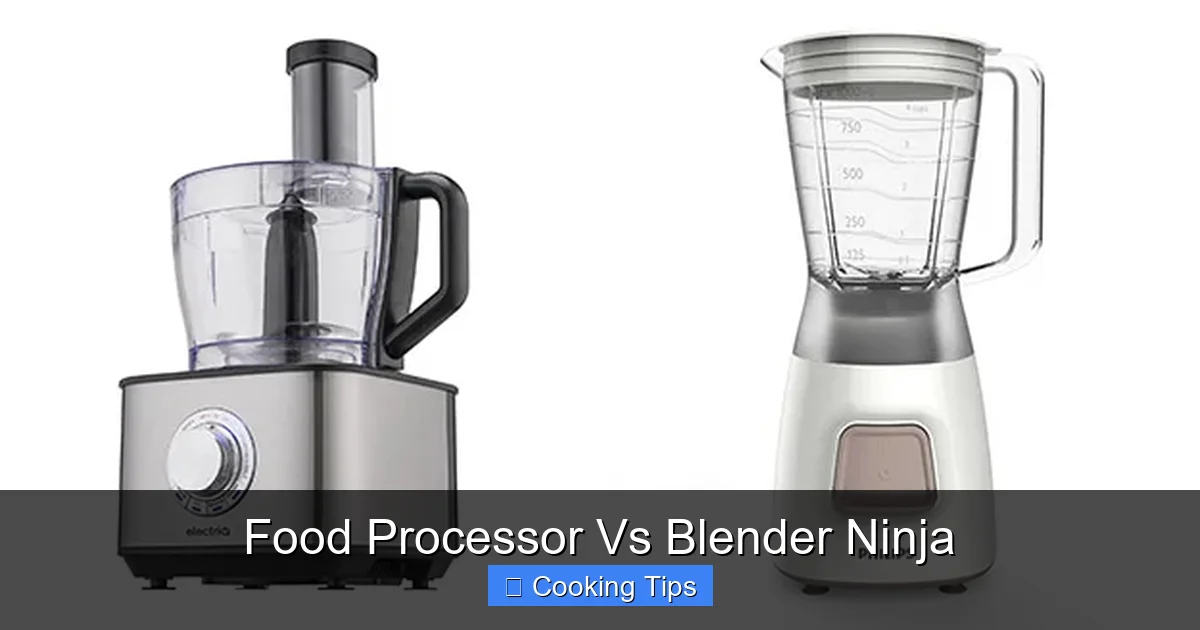
Navigating the kitchen appliance aisle can be tricky. This guide breaks down the differences between a Ninja food processor and a Ninja blender, helping you understand their unique strengths. We’ll explore what each appliance excels at, offer practical tips, and guide you in making the right choice for your cooking needs.
Key Takeaways
- Food processors excel at chopping, slicing, shredding, and dough making due to their wider bowls and specialized blade attachments.
- Blenders are designed for liquefying and pureeing, creating smooth textures for drinks, sauces, and soups with their taller jars and more aggressive blade systems.
- Ninja offers versatile appliances, with some models blurring the lines between food processors and blenders, offering interchangeable components.
- Consider your primary cooking tasks: If you frequently prep ingredients like vegetables or make dough, a food processor is likely your best bet.
- For smooth beverages and purees, a blender is the superior choice, especially models designed for crushing ice and creating ultra-fine textures.
- Ninja’s integrated systems can sometimes offer both functionalities, making them a good option if counter space is limited.
Food Processor Vs Blender Ninja
Welcome to the ultimate guide on choosing between a food processor and a blender, specifically focusing on the popular Ninja brand. In the busy world of cooking and food preparation, having the right tools can make all the difference. You might be standing in front of the appliance aisle, wondering, “Do I really need both? And what exactly does each one do best?” This guide is here to simplify that decision. We’ll dive deep into the capabilities of both Ninja food processors and Ninja blenders, explore their distinct functions, and help you figure out which one, or perhaps which combination, will be your new best friend in the kitchen.
By the end of this guide, you’ll have a clear understanding of what each appliance is designed for. We’ll cover their strengths, their limitations, and how to use them effectively for a wide range of culinary tasks. Let’s get started on unlocking the full potential of your kitchen!
Understanding the Core Differences
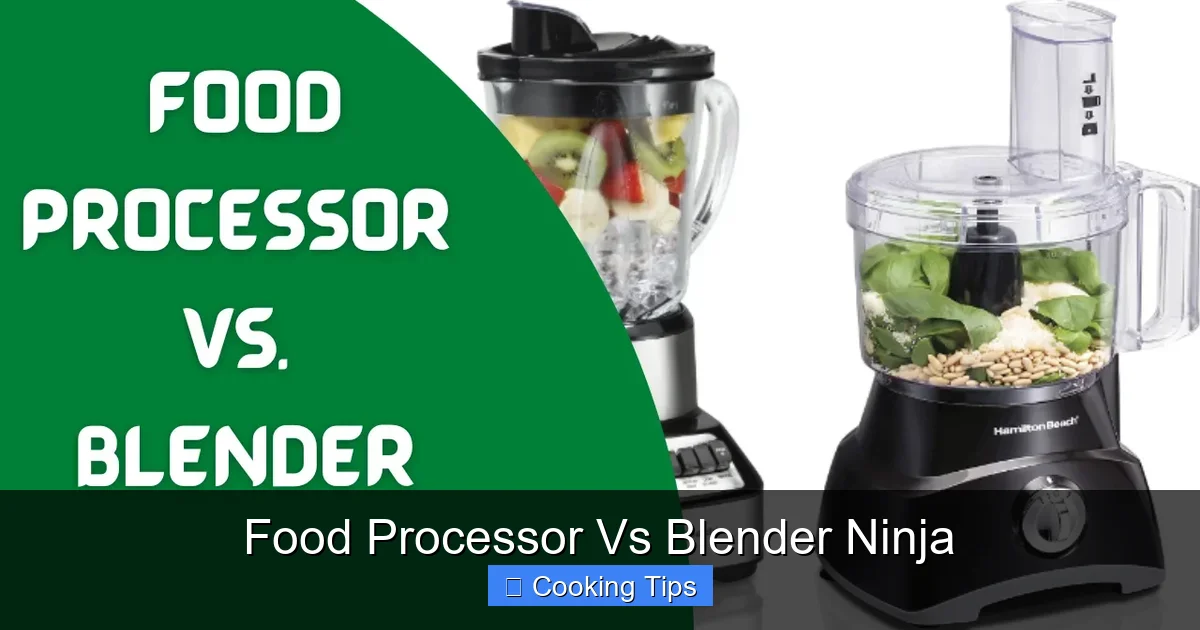
At first glance, a food processor and a blender might seem similar. Both have motors, blades, and containers to hold food. However, their designs are fundamentally different, leading to very different performance capabilities. Think of it like this: a screwdriver and a hammer can both pound things in, but one is far more effective for driving screws, while the other is better for nails.
Visual guide about Food Processor Vs Blender Ninja
Image source: pantryraider.org
The primary distinction lies in their intended purpose and the way their blades and containers interact with food. This difference dictates what they can and cannot do well. Ninja, being a prominent brand, offers a range of models that often showcase these distinctions clearly.
The Ninja Food Processor: Your Prep Master
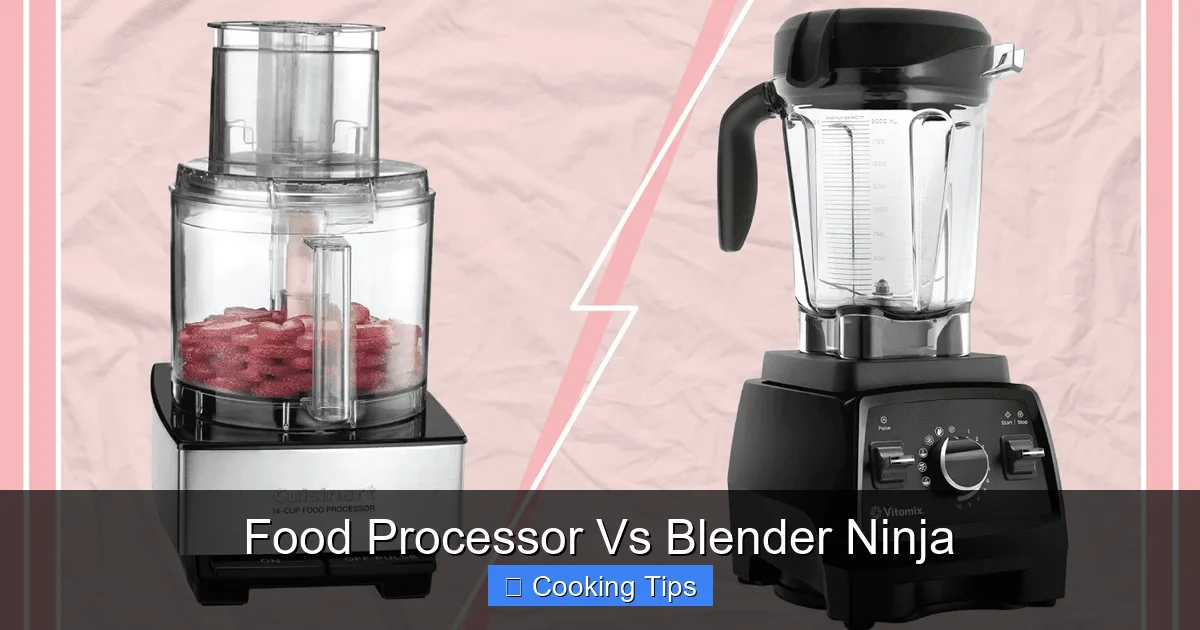
A Ninja food processor is built for versatility in food preparation. Its primary function is to break down ingredients quickly and efficiently. It’s your go-to appliance for tasks that involve altering the texture and form of solid foods.
Visual guide about Food Processor Vs Blender Ninja
Image source: thespruceeats.com
Key Functions of a Ninja Food Processor
The magic of a food processor lies in its ability to handle a variety of prep tasks that would otherwise be time-consuming and tedious.
- Chopping: From onions and garlic to nuts and herbs, a food processor can achieve uniform chopping in seconds. This is far more efficient than manual chopping, especially for large quantities.
- Slicing and Shredding: Many Ninja food processors come with interchangeable discs for slicing vegetables like cucumbers and potatoes, and shredding cheese or carrots. This is a game-changer for meal prep and salads.
- Pureeing (Coarser Textures): While not its primary strength for ultra-smooth results, a food processor can create purees for things like chunky salsas or dips.
- Dough Making: This is where food processors truly shine. They can knead dough for bread, pizza, and pastries much faster and more evenly than by hand.
- Grinding: Some models can even handle grinding tasks, like making breadcrumbs or coarsely grinding meat.
Ninja Food Processor Design Features
The design of a Ninja food processor is optimized for these specific tasks.
- Wide Bowl: The bowls are typically wider and shorter than blender jars. This allows ingredients to spread out and come into contact with the blades more evenly for chopping and slicing.
- Multiple Blade Attachments: Food processors often come with a variety of blades and discs. You’ll usually find a main chopping blade, and then separate discs for slicing and shredding.
- Powerful Motor: Despite the varied tasks, the motor is designed to handle the resistance of solid foods.
When to Choose a Ninja Food Processor
You should opt for a Ninja food processor if your kitchen tasks frequently involve:
- Prepping large batches of vegetables for meals.
- Making doughs for baking.
- Creating homemade dips, pestos, or salsas where a slightly coarser texture is desired.
- Shredding cheese or slicing vegetables for salads and side dishes.
The Ninja Blender: Your Smooth Operator
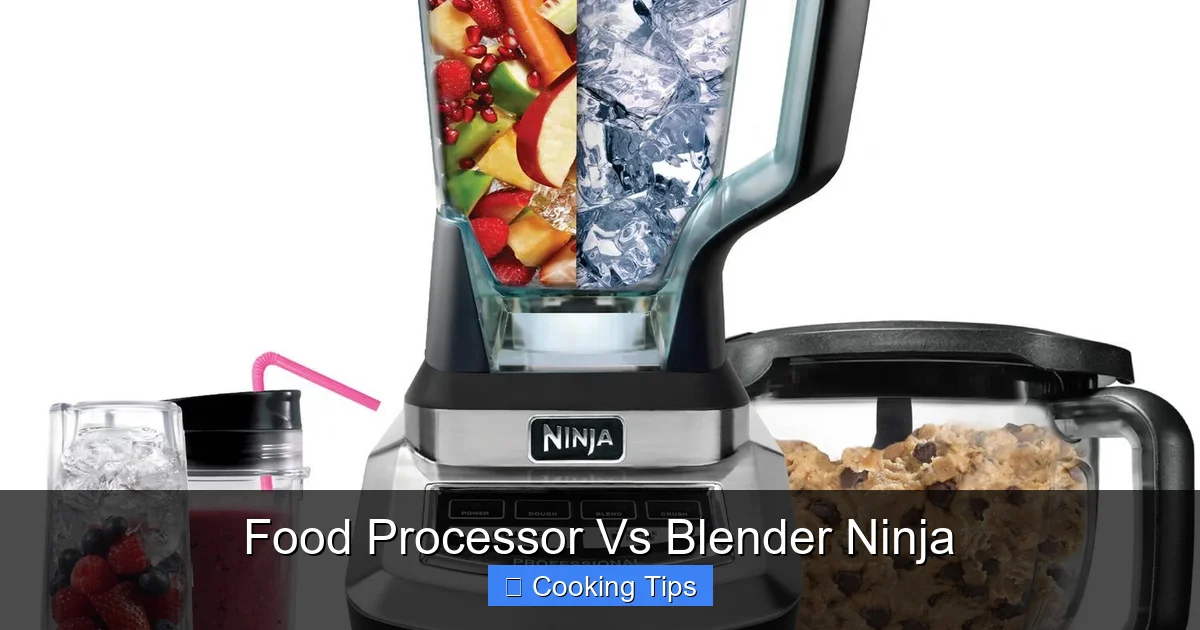
A Ninja blender, on the other hand, is engineered for creating smooth, liquidized, or pureed consistencies. Its strength lies in its ability to break down ingredients with liquid, transforming them into a uniform, drinkable, or spoonable form.
Visual guide about Food Processor Vs Blender Ninja
Image source: images-na.ssl-images-amazon.com
Key Functions of a Ninja Blender
Blenders are about transformation, turning solid ingredients into something fluid.
- Liquefying: This is the blender’s bread and butter. It excels at turning fruits, vegetables, and ice into smooth smoothies and juices.
- Pureeing: Blenders can achieve very fine purees, perfect for creamy soups, sauces, baby food, and smooth dips like hummus or guacamole.
- Crushing Ice: Many Ninja blenders, particularly those from their professional lines, are designed to crush ice efficiently, making them ideal for frozen drinks.
- Emulsifying: They can create stable emulsions for dressings and sauces, blending oil and vinegar seamlessly.
- Making Powders: Some high-powered blenders can even break down dry ingredients like nuts or oats into a fine powder.
Ninja Blender Design Features
The design of a Ninja blender is optimized for creating smooth textures.
- Tall, Narrow Jar: The shape of the blender jar is crucial. It’s typically taller and narrower, which helps to create a vortex. This vortex pulls ingredients down towards the blades, ensuring consistent blending and preventing air pockets.
- Aggressive Blade System: Ninja blenders often feature stacked blade assemblies or powerful single blades designed to spin at very high speeds. This high speed is what breaks down ingredients into a smooth consistency.
- Sealed Lid: A secure, sealed lid is essential to prevent spills during the high-speed blending process.
When to Choose a Ninja Blender
A Ninja blender is the superior choice if your kitchen tasks primarily involve:
- Making smoothies and protein shakes daily.
- Preparing creamy soups and sauces.
- Creating baby food or purees.
- Making frozen cocktails or slushies.
- Blending ingredients with significant liquid content to achieve a uniform smoothness.
Ninja’s Innovative Designs: Where Lines Blur
Ninja is known for innovation, and some of their appliances cleverly combine features of both food processors and blenders. This is where the decision can become even more nuanced. For instance, some Ninja “blenders” come with attachments that allow them to function somewhat like food processors, and vice versa.
The Ninja Nutri-Bullet Series
This popular series often includes personal blenders with cups that can be directly used for blending and then taken on the go. While primarily blenders, their ability to handle small chopping tasks is a notable feature.
Ninja Foodi Power Blender and Food Processor
Ninja has introduced multi-functional appliances that aim to be the best of both worlds. These models often feature interchangeable jars and blades, allowing you to switch between blending and food processing functions. This can be an excellent solution if counter space is limited and you want the versatility without owning two separate appliances.
Understanding the Trade-offs
While these multi-functional Ninja appliances are convenient, it’s important to understand that they might not perform *as* exceptionally in one category as a dedicated appliance. For example, a blender attachment for a food processor might not create as silky-smooth a puree as a standalone high-powered blender. Conversely, a food processor attachment on a blender might not slice or shred as uniformly as a dedicated food processor with specialized discs.
Making Your Choice: Practical Considerations
Deciding between a Ninja food processor and a Ninja blender, or even considering a multi-functional unit, comes down to your personal cooking habits and priorities.
Step 1: Assess Your Cooking Needs
Be honest with yourself about what you actually cook most often. Make a list of the tasks you perform regularly in the kitchen.
- Do you bake a lot and need to make doughs or chop nuts for recipes? (Food Processor)
- Are you constantly making smoothies for breakfast or post-workout? (Blender)
- Do you love making homemade sauces, pureed soups, or baby food? (Blender)
- Do you frequently chop onions, peppers, or grate cheese for weeknight meals? (Food Processor)
- Are you looking to create homemade dips like hummus or pesto? (Both can do this, but the texture preference matters – blender for smoother, processor for coarser.)
Step 2: Consider Your Counter Space
If you have a small kitchen, a dedicated appliance for each function might take up too much valuable counter space. In this scenario, a multi-functional Ninja appliance might be the most practical solution, even with potential minor compromises.
Step 3: Think About Your Budget
Generally, a dedicated, high-quality food processor or a high-powered blender can be a significant investment. Multi-functional units can sometimes offer a more cost-effective way to get a range of capabilities, but be sure to compare specific models and their features.
Step 4: Read Reviews and Compare Models
Once you have a better idea of what you need, dive into product reviews. Look for reviews that specifically address the tasks you want to perform. For Ninja, this means checking reviews for specific food processor models or blender models based on your intended use. Pay attention to feedback on motor power, ease of cleaning, durability, and how well the appliance handles specific ingredients.
Tips for Using Your Ninja Appliances
No matter which Ninja appliance you choose, here are some tips to get the most out of it.
For Your Ninja Food Processor:
- Don’t Overfill: Respect the maximum fill line on the bowl. Overfilling can lead to uneven processing and strain on the motor.
- Cut Ingredients into Uniform Sizes: For chopping tasks, cut your ingredients into roughly equal pieces. This ensures consistent results.
- Use the Pulse Function: For controlling texture, the pulse function is your best friend. Use it to achieve the desired chop or grind, stopping before it becomes too fine.
- Scrape Down the Sides: Periodically stop the processor and scrape down the sides of the bowl with a spatula to ensure all ingredients are incorporated and processed evenly.
- Experiment with Blades: Understand which blade is best for which task. The main chopping blade is versatile, but specialized discs are for specific slicing and shredding jobs.
- For Doughs: Start with the machine on a low speed and gradually increase if needed. Don’t over-process, as this can make dough tough.
For Your Ninja Blender:
- Add Liquids First: For most blending tasks, add your liquids (water, milk, juice) to the blender jar first. This helps the blades move freely and prevents solid ingredients from getting stuck.
- Layer Ingredients Properly: After liquids, add softer ingredients like leafy greens or yogurt, then harder ingredients like fruits or ice.
- Start Slow, Then Ramp Up: Begin blending on a lower speed to break down larger chunks, then gradually increase to high speed for a smooth finish.
- Don’t Overfill: Similar to food processors, don’t exceed the max fill line.
- Secure the Lid Tightly: Always ensure the lid is locked in place before starting the blender to prevent messy accidents.
- Hot Liquids: If blending hot liquids, fill the blender jar only halfway, remove the center cap from the lid, and cover the opening with a folded kitchen towel. This allows steam to escape and prevents pressure buildup.
Troubleshooting Common Issues
Even with the best appliances, occasional hiccups can occur.
Ninja Food Processor Issues:
- Uneven Chopping: This is often due to overfilling or ingredients not being cut into uniform sizes. Try processing in smaller batches or cutting pieces smaller. Ensure the blade is properly seated.
- Motor Stops or Overheats: This can happen if you’re trying to process too much at once or if the ingredients are too tough for the motor’s capacity. Let the motor cool down, reduce the amount of food, or cut it into smaller pieces.
- Leaking: Ensure the lid is securely fastened and the seal is in good condition. Check that the bowl is properly attached to the base.
Ninja Blender Issues:
- Blender Not Starting: Check that the blender jar is properly seated on the base and that the lid is securely locked. Ensure it’s plugged in and the power outlet is working.
- Ingredients Not Blending Smoothly: This could be due to insufficient liquid, not layering ingredients correctly, or the blender not being powerful enough for very hard ingredients. Add more liquid, rearrange ingredients, or use the pulse function to break up chunks.
- Motor Smells Burnt: This is a sign of overheating, often from overfilling, blending tough ingredients for too long, or a motor issue. Turn it off immediately and let it cool. If it persists, contact Ninja customer support.
Conclusion
Choosing between a Ninja food processor and a Ninja blender is less about which is “better” and more about which is “better for you.” Your culinary habits are the most important factor in this decision. A food processor is a powerhouse for prepping ingredients, making dough, and tasks requiring chopping, slicing, and shredding. A blender is your champion for creating smooth beverages, creamy soups, and fine purees.
Ninja offers a fantastic range of options, including innovative multi-functional appliances that can bridge the gap if you need both capabilities. By understanding the distinct strengths of each appliance and carefully considering your own kitchen needs, you can make an informed choice that will enhance your cooking experience for years to come. Happy cooking!
