

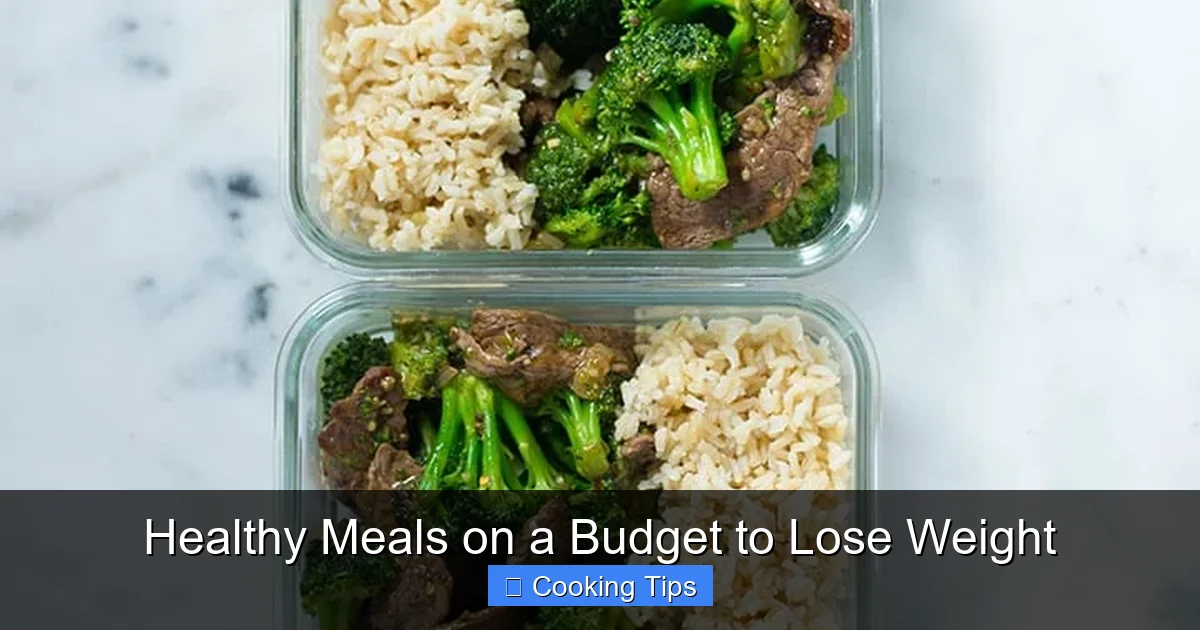
Achieve your weight loss goals while keeping your wallet happy with this comprehensive guide. We’ll show you how to create delicious, nutrient-dense meals on a budget, proving that healthy eating doesn’t have to be expensive. Learn smart shopping strategies, meal prep hacks, and budget-friendly recipes that will nourish your body and support your weight loss journey.
Healthy Meals on a Budget to Lose Weight
Embarking on a weight loss journey is a fantastic step towards a healthier you. But what if you’re also trying to stick to a tight budget? The good news is, you absolutely can achieve both! In 2026, healthy eating on a budget for weight loss is more accessible than ever. This guide will equip you with the knowledge and practical tips to create delicious, nutrient-dense meals that support your weight loss goals without emptying your wallet.
We’ll cover everything from smart grocery shopping to budget-friendly meal planning and preparation. Get ready to transform your kitchen into a hub of healthy, affordable eating!
- Prioritize Whole Foods: Focus on inexpensive staples like beans, lentils, oats, eggs, and seasonal vegetables. These are packed with nutrients and fiber, keeping you full and aiding weight loss.
- Smart Shopping Strategies: Buy in bulk, utilize coupons and loyalty programs, and always shop with a list to avoid impulse buys. Compare prices and consider store brands.
- Master Meal Prep: Dedicate time each week to prepare components or entire meals. This saves time, reduces food waste, and prevents costly last-minute unhealthy choices.
- Embrace Budget-Friendly Proteins: Opt for affordable protein sources such as eggs, chicken thighs, canned tuna, tofu, and legumes. These are crucial for satiety and muscle building during weight loss.
- Creative Use of Leftovers: Transform yesterday’s dinner into today’s lunch or a new meal. This minimizes waste and stretches your food budget further.
- Hydration is Key and Free: Drink plenty of water throughout the day. It aids digestion, boosts metabolism, and can help curb appetite, all at no cost.
Understanding the Pillars of Budget-Friendly Weight Loss
Losing weight sustainably on a budget relies on a few core principles. It’s not about deprivation; it’s about making smart, informed choices. Here’s what we’ll focus on:
Nutrient Density: Choosing foods that offer the most nutrients for their calorie count and cost. This ensures you’re getting essential vitamins and minerals while feeling satisfied.
Portion Control: Being mindful of how much you eat is crucial for weight loss. Budget-friendly meals often naturally lend themselves to sensible portions.
Minimizing Processed Foods: Whole, unprocessed foods are generally cheaper and healthier than their pre-packaged counterparts. They also tend to be lower in unhealthy fats, sugars, and sodium.
Step 1: Smart Shopping for Savings and Health
Your grocery store is your first battleground for budget-friendly weight loss. Making strategic choices here will set you up for success.
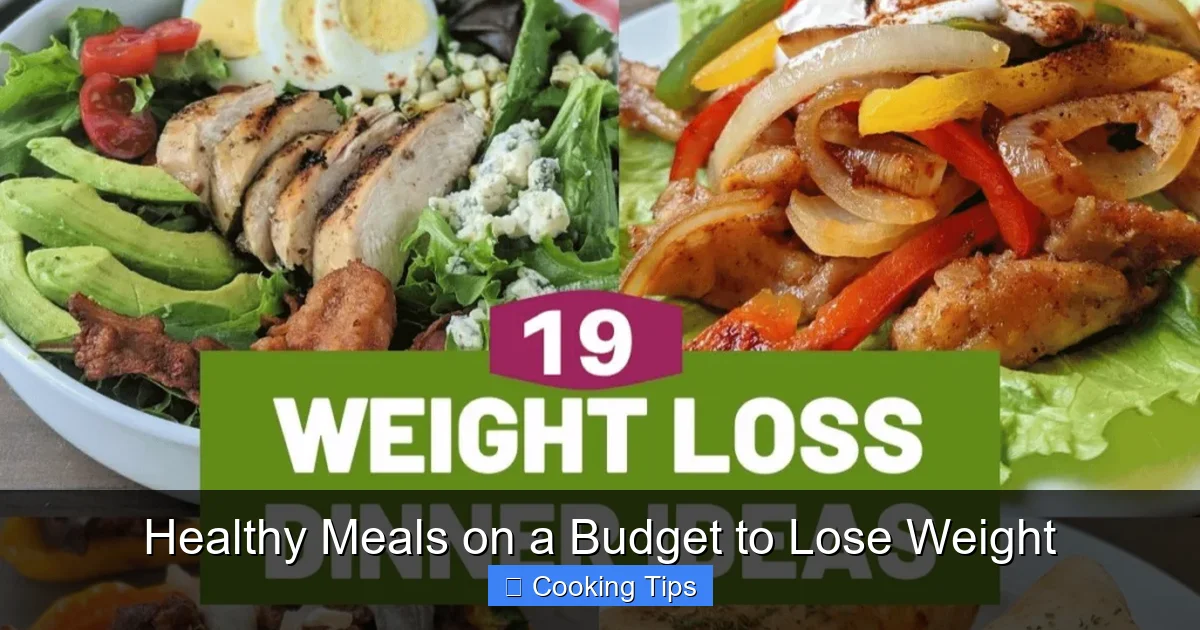
Visual guide about Healthy Meals on a Budget to Lose Weight
Image source: english.cpe3035.com
Plan Your Purchases
Create a Grocery List: Before you even leave the house, plan your meals for the week and create a detailed grocery list. Stick to this list religiously to avoid impulse buys. This is arguably the most important step for both saving money and eating healthy.
Check Your Pantry and Fridge First: See what you already have on hand to avoid buying duplicates and to inspire meals based on existing ingredients.
Choose Budget-Friendly Staples
Legumes are Your Best Friend: Dried beans and lentils are incredibly cheap, versatile, and packed with protein and fiber. They keep you feeling full, which is excellent for weight loss. Think black beans, chickpeas, red lentils, and pinto beans.
Grains Galore: Oats (rolled oats are best for versatility and cost), brown rice, quinoa (buy in bulk when on sale), and barley are excellent, filling carbohydrate sources. Opt for whole grains whenever possible.
Eggs: A Protein Powerhouse: Eggs are a relatively inexpensive source of high-quality protein. They can be enjoyed at any meal.
Seasonal Produce: Fruits and vegetables are cheapest when they are in season and locally sourced. Visit farmers’ markets towards the end of the day for potential deals, or check your local supermarket flyers for weekly specials.
Frozen and Canned Produce: Don’t shy away from frozen fruits and vegetables. They are often picked at peak ripeness and flash-frozen, retaining most of their nutrients, and they can be cheaper and last longer than fresh. Canned goods like tomatoes, corn, and green beans can also be budget-friendly, just opt for low-sodium varieties.
Smart Protein Choices
Chicken Thighs and Drumsticks: Often cheaper than chicken breasts, these cuts are still excellent sources of protein and can be very flavorful when cooked correctly.
Canned Fish: Tuna, salmon, and sardines in water or olive oil are affordable protein sources rich in omega-3 fatty acids.
Tofu and Tempeh: Plant-based proteins that are generally affordable and can be used in a variety of dishes.
Savvy Shopping Tactics
Buy in Bulk: For non-perishable items like rice, oats, dried beans, and spices, buying in bulk can significantly reduce your cost per serving.
Compare Unit Prices: Don’t just look at the total price. Compare the price per ounce, pound, or unit to find the best deal.
Utilize Coupons and Loyalty Programs: Sign up for supermarket loyalty cards and keep an eye out for digital and paper coupons.
Store Brands: Generic or store brands are often just as good as name brands but significantly cheaper.
Avoid Pre-Cut and Pre-Packaged: While convenient, pre-cut fruits, vegetables, and individually packaged snacks are almost always more expensive. The extra few minutes spent chopping your own produce will save you money.
Step 2: Meal Planning for Efficiency and Success
Meal planning is your secret weapon for both healthy eating and saving money. It eliminates the guesswork and the temptation to order takeout.
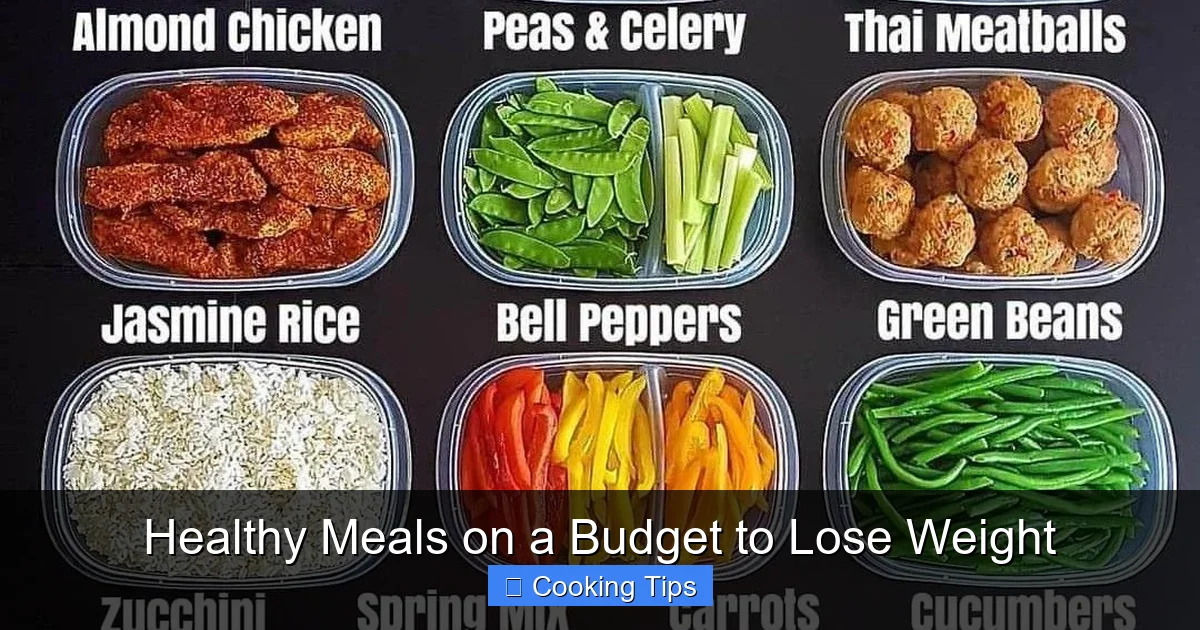
Visual guide about Healthy Meals on a Budget to Lose Weight
Image source: i.pinimg.com
Batch Cooking and Meal Prep
Dedicate a Prep Day: Set aside a few hours each week, perhaps on a Sunday, to prepare components or entire meals for the week ahead. This is a game-changer.
Cook Grains in Bulk: Make a large batch of brown rice, quinoa, or barley at the beginning of the week. This can be used as a base for salads, bowls, or as a side dish.
Roast a Sheet Pan of Vegetables: Chop up a variety of seasonal vegetables (broccoli, carrots, bell peppers, onions, sweet potatoes) and roast them with a little olive oil and your favorite seasonings. These can be added to meals throughout the week.
Cook a Large Batch of Legumes: If you’re using dried beans, cook a big pot and portion them out for use in salads, soups, stews, or as a side.
Pre-Cook Protein: Grill or bake a batch of chicken thighs, hard-boil a dozen eggs, or bake some tofu to have ready to go.
Build Balanced Meals
The Plate Method: Aim to fill half your plate with non-starchy vegetables, one-quarter with lean protein, and one-quarter with whole grains or starchy vegetables. This provides balanced nutrition and keeps you feeling full.
Think Versatile Components: Prepare ingredients that can be used in multiple ways. For example, shredded chicken can be used in salads, wraps, or stir-fries.
Step 3: Budget-Friendly Recipe Ideas
Here are some simple, healthy, and budget-friendly meal ideas to get you started:
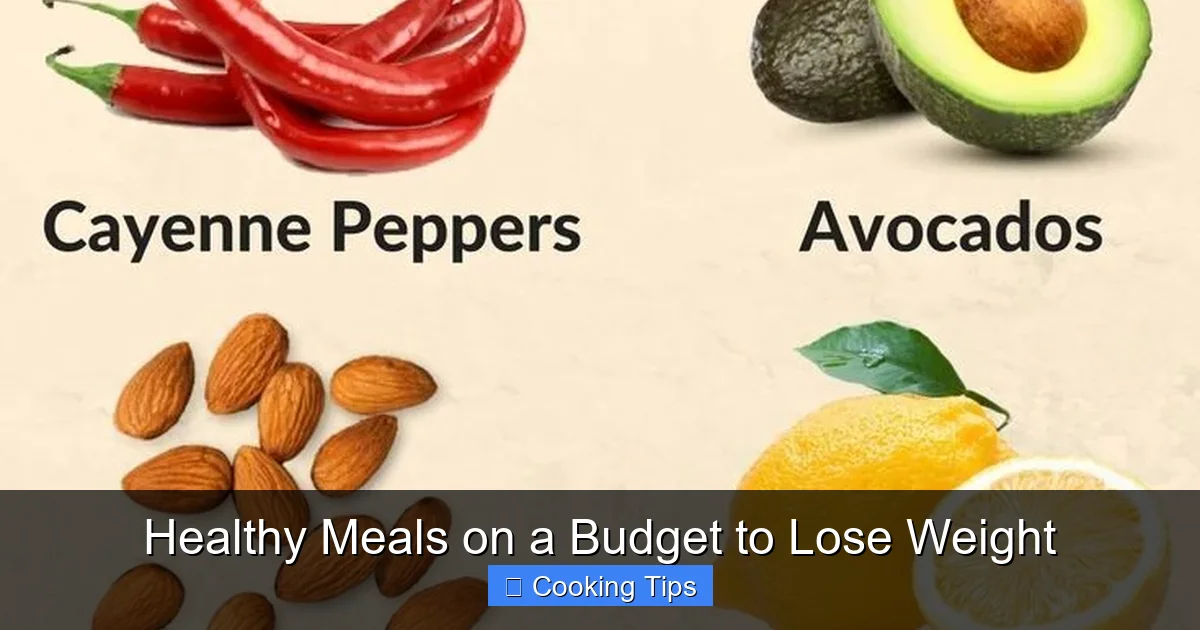
Visual guide about Healthy Meals on a Budget to Lose Weight
Image source: i.pinimg.com
Breakfast Ideas
- Oatmeal with Fruit: Rolled oats cooked with water or milk (plant-based or dairy), topped with a handful of frozen berries or a sliced banana. Add a sprinkle of cinnamon for flavor.
- Scrambled Eggs with Veggies: Two eggs scrambled with chopped onions, bell peppers, or spinach. Serve with a slice of whole-wheat toast.
- Yogurt Parfait: Plain Greek yogurt (higher in protein) layered with a small amount of granola and seasonal fruit.
Lunch Ideas
- Lentil Soup: A hearty and filling soup made with dried lentils, carrots, celery, onions, and vegetable broth. Make a big pot and have it for several lunches.
- Bean Salad: Mix canned chickpeas, black beans, and kidney beans with chopped bell peppers, red onion, and a simple vinaigrette dressing. Serve over lettuce or with whole-wheat crackers.
- Tuna Salad (Light Version): Canned tuna mixed with a small amount of Greek yogurt or light mayonnaise, celery, and onion. Serve in a whole-wheat wrap or on lettuce leaves.
- Leftover Reinvention: Transform last night’s chicken and roasted vegetables into a quick stir-fry with a splash of soy sauce or a simple bowl over rice.
Dinner Ideas
- Chicken and Vegetable Stir-Fry: Sliced chicken thighs stir-fried with a variety of budget-friendly vegetables like broccoli, carrots, and onions in a light soy-ginger sauce. Serve over brown rice.
- Baked Chicken Thighs with Roasted Root Vegetables: Season chicken thighs with herbs and spices and roast alongside chopped potatoes, carrots, and parsnips.
- Chili (Vegetarian or with Lean Ground Meat): A classic budget meal. Use kidney beans, black beans, diced tomatoes, onions, and spices. If adding meat, opt for lean ground turkey or beef.
- Sheet Pan Sausage and Veggies: Slice a budget-friendly sausage (like chicken or turkey sausage) and toss with chopped bell peppers, onions, and broccoli. Roast on a sheet pan until cooked through.
- One-Pot Pasta with Vegetables: Cook whole-wheat pasta in a pot with vegetable broth, diced tomatoes, spinach, and any other quick-cooking vegetables.
Step 4: Staying Hydrated for Free
Water is essential for weight loss, and it’s completely free! Staying hydrated can help boost your metabolism, curb your appetite, and keep your body functioning optimally. Aim for at least 8 glasses of water a day. Carry a reusable water bottle with you to sip on throughout the day.
Troubleshooting: Common Challenges and Solutions
Even with the best intentions, you might face a few bumps in the road. Here’s how to handle them:
Challenge: Lack of Time for Cooking
Solution: Embrace minimal-prep meals and batch cooking. Utilize frozen vegetables, pre-cooked grains, and canned beans that require no prior preparation beyond opening the can. Even 15-minute meals are possible with smart prep.
Challenge: Food Boredom
Solution: Rotate your staple ingredients and experiment with different spices and herbs. Look for inexpensive ways to add flavor, like using lemon juice or vinegar for acidity, or making your own spice blends.
Challenge: Unexpected Expenses or Cravings
Solution: Have a few emergency healthy snacks on hand (apples, bananas, hard-boiled eggs, a small bag of nuts bought in bulk). If you have a craving, try drinking a glass of water first. If it persists, choose a healthier version of what you’re craving if possible.
Challenge: Food Waste
Solution: Store food properly to maximize its shelf life. Get creative with leftovers and consider freezing portions of meals you’ve cooked in advance that you might not get to.
Conclusion
Losing weight on a budget in 2026 is entirely achievable. By adopting smart shopping habits, embracing meal planning and prep, focusing on nutrient-dense whole foods, and staying consistent, you can nourish your body, reach your weight loss goals, and feel great about your finances. Remember, it’s about progress, not perfection. Start small, implement one or two of these strategies at a time, and celebrate your successes along the way. Your healthy, budget-friendly weight loss journey starts now!
