

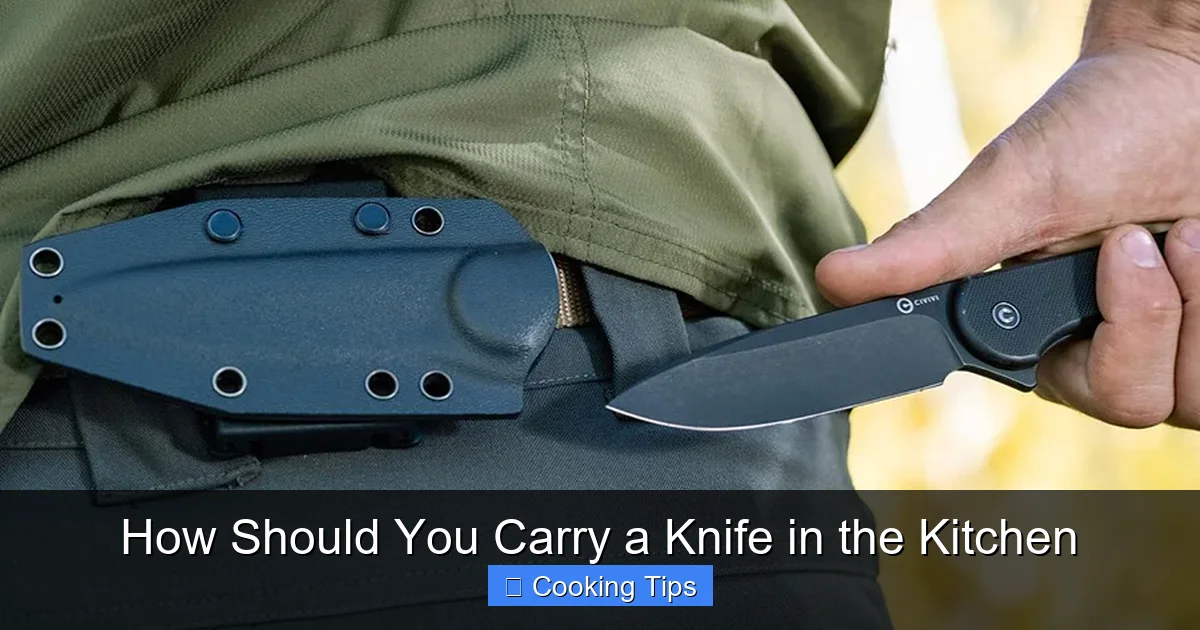
Properly carrying a kitchen knife is crucial for safety and efficiency. This guide covers everything from transporting knives to storing them, ensuring you minimize accidents and maximize your cooking experience. Learn the best techniques for carrying knives from one station to another, and understand why a secure grip and mindful movement are paramount in any kitchen environment.
How Should You Carry a Knife in the Kitchen
Welcome to the essential guide on how to carry a knife in the kitchen! Whether you’re a seasoned chef or just starting your culinary journey, understanding the proper way to handle and transport your knives is paramount. It’s not just about efficiency; it’s about safety. A misplaced knife or an insecure grip can lead to painful accidents that can put you out of commission and ruin your culinary passion.
In this guide, we’ll break down the best practices for carrying knives in various kitchen scenarios. We’ll cover everything from moving a single knife from your cutting board to the sink, to transporting your entire knife collection. You’ll learn the techniques that professional chefs use to stay safe and efficient. Let’s dive in and make your kitchen a safer place to create delicious meals!
Key Takeaways
- Secure Grip is Paramount: Always maintain a firm, controlled grip on the handle, away from the blade, to prevent slippage and accidental cuts.
- Blade Pointed Down: When walking with a knife, the blade should always point downwards and slightly behind you, away from your body and others.
- Communicate Your Movement: Announce your intention to move with a knife, especially in a busy kitchen, to alert others and prevent collisions.
- Use the Right Carrier: Employ knife rolls, blocks, or sheaths when transporting multiple knives or for long-term storage to protect blades and prevent injuries.
- Mindful Transitions: Be deliberate and focused when moving a knife between tasks or locations; avoid distractions.
- Clean and Dry Hands: Ensure your hands are clean and dry before handling a knife to improve grip and reduce the risk of dropping.
Why Proper Knife Carrying Matters
Before we get into the “how,” let’s talk about the “why.” Carrying a knife incorrectly is one of the leading causes of kitchen injuries. Sharp knives are incredibly useful tools, but they demand respect.
- Preventing Cuts: The most obvious reason is to avoid cutting yourself or others. A dropped or mishandled knife can inflict serious wounds.
- Protecting the Knife: A good knife is an investment. Improper carrying can lead to chipped blades or damaged handles, shortening the lifespan of your favorite tools.
- Maintaining Focus: Being mindful of how you carry a knife keeps you focused on the task and your surroundings, which is essential for overall kitchen safety.
- Efficiency: When you can move your knife with confidence, you can transition between tasks more quickly, making your cooking process smoother.
Carrying a Single Knife for Short Distances
This is the most common scenario in any kitchen. You’ve just finished chopping vegetables and need to move the knife to rinse it or place it in the dishwasher.
The Secure Grip
This is the foundation of safe knife carrying. Your grip should be firm but relaxed enough to allow for control.
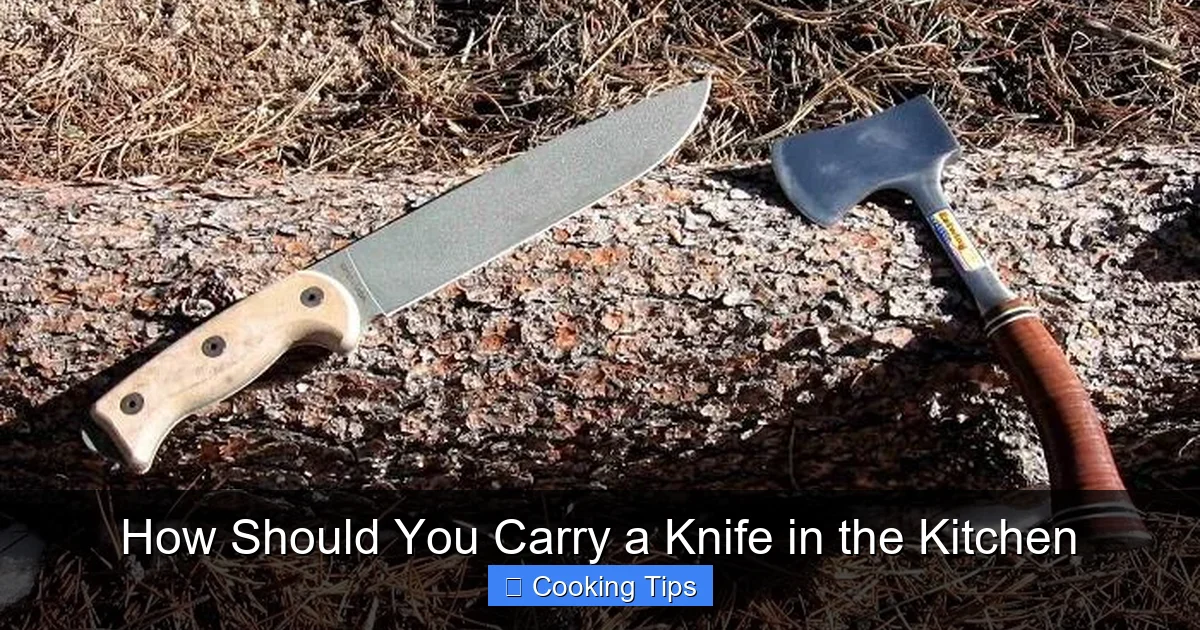
Visual guide about How Should You Carry a Knife in the Kitchen
Image source: offthegridnews.com
- Grip the Handle: Hold the knife by the handle, ensuring your fingers are wrapped securely around it. Avoid gripping too tightly, as this can lead to hand fatigue and a less precise hold.
- Keep Fingers Away from the Blade: Crucially, ensure all your fingers are on the handle and well away from the blade’s edge.
- Use Your Thumb for Stability: Many chefs use their thumb on the spine of the blade for added stability and control, especially for larger knives. This is often called a “pinch grip.”
The Blade Position
Where the blade is positioned is just as important as how you hold it.
- Blade Pointing Down: When you are walking with a knife, the blade should always point downwards. This significantly reduces the risk of accidentally cutting yourself or someone else if you stumble or have to react suddenly.
- Blade Behind You (When Walking): If you are walking, position the knife so the blade points downwards and slightly behind you. This keeps the sharp edge away from your body and any people in front of you. Imagine you are carrying a sword; you wouldn’t have the blade facing forward!
- Blade Parallel to the Ground (When Moving Side-to-Side): If you are moving sideways, keep the blade parallel to the ground and pointing away from your body and others.
Mindful Movement
It’s not just about holding the knife; it’s about how you move with it.
- Make Eye Contact: Before moving, scan your surroundings. Make eye contact with anyone who might be in your path.
- Communicate Your Intentions: A simple “Coming through!” or “Knife!” can prevent collisions and ensure others are aware of your presence and what you’re carrying.
- Walk, Don’t Run: Never run with a knife. Move at a steady, deliberate pace.
- Clear Your Path: Ensure there are no obstacles in your way.
Example: Moving from Cutting Board to Sink
You’ve finished dicing onions. Pick up your chef’s knife with a secure grip. Ensure your fingers are clear of the blade. Point the blade downwards and slightly behind you. Look around to ensure your path is clear. Walk at a normal pace towards the sink, announcing your movement if necessary. Place the knife carefully in the sink, away from the edge, or proceed to wash it immediately.
Carrying Multiple Knives or for Longer Distances
When you need to transport several knives, perhaps to a different area of the kitchen, to a class, or for storage, dedicated tools are essential.
Knife Rolls and Bags
These are the professional standard for carrying multiple knives. They are designed to protect both the knives and the user.
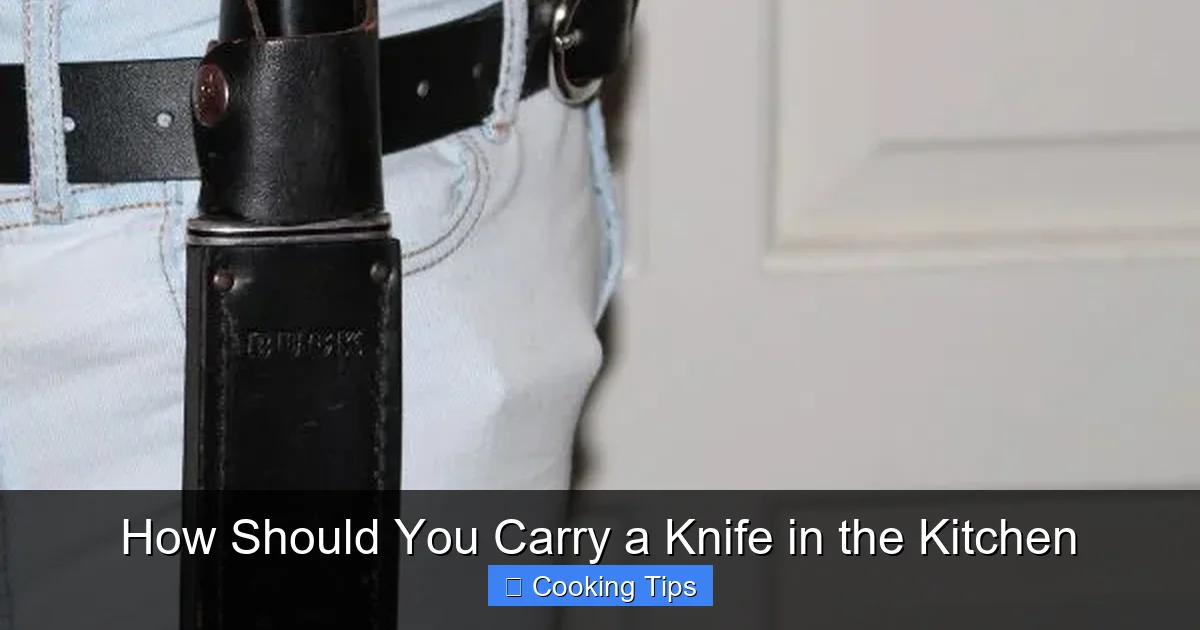
Visual guide about How Should You Carry a Knife in the Kitchen
Image source: primalsurvivor.net
- Secure Each Knife: Most knife rolls have individual slots or pockets for each knife. Insert the knife carefully, ensuring the blade is fully covered by the fabric or leather slot.
- Roll Tightly: Once all knives are in their slots, roll the bag or case up tightly. This keeps the knives snug and prevents them from shifting.
- Fasten Securely: Use the ties, zippers, or clasps provided to ensure the roll stays closed. This is vital to prevent knives from falling out.
- Carry with Care: Even when rolled and secured, carry the knife roll with the same mindfulness as a single knife. Avoid swinging it or placing it where it could fall.
Knife Blocks and Guards
For home cooks, knife blocks are common for storage, but guards are also useful for temporary transport.
- Blade Guards: These are plastic or wooden sleeves that slide over the blade of a single knife. They protect the blade from damage and, more importantly, prevent accidental cuts when the knife is being stored in a drawer or transported.
- How to Use: Ensure the guard is the correct size for your knife. Slide the knife into the guard until the blade is fully covered. You should hear or feel a slight click when it’s properly seated.
- Knife Blocks: While excellent for storage, you generally wouldn’t “carry” a knife from a block unless you’re moving the block itself. If you are moving the block, do so with two hands, holding it from the base, and ensure knives are seated firmly within their slots.
Example: Packing for a Cooking Class
You’re heading to a special cooking class and need to bring your favorite chef’s knife and paring knife. You’d use your knife roll. First, ensure your hands are clean and dry. Carefully slide your chef’s knife into its designated slot, making sure the blade is fully covered. Do the same for your paring knife. Roll the knife roll tightly, starting from the end with the smaller knives. Secure it firmly with the ties. Carry the roll using the handle, keeping it close to your body and being mindful of your surroundings, especially in public spaces.
What NOT to Do When Carrying a Kitchen Knife
Knowing what to avoid is as important as knowing what to do.
- Never carry a knife by the blade. This is an immediate invitation to a serious cut.
- Don’t hold a knife loosely or casually. Every movement with a knife should be deliberate and controlled.
- Avoid distractions. Don’t try to carry a knife while talking on the phone, looking at a recipe book, or engaging in a deep conversation. Focus on the knife and your path.
- Don’t leave knives unattended on counters or tables. This is especially dangerous in households with children or pets.
- Never throw a knife. This is a recipe for disaster.
- Don’t carry a knife with wet or greasy hands unless absolutely necessary, and even then, take extreme precautions.
Troubleshooting Common Issues
Even with the best intentions, you might encounter minor challenges.
Slippery Grip
Issue: Your hands are slightly damp, and you’re worried about dropping the knife.
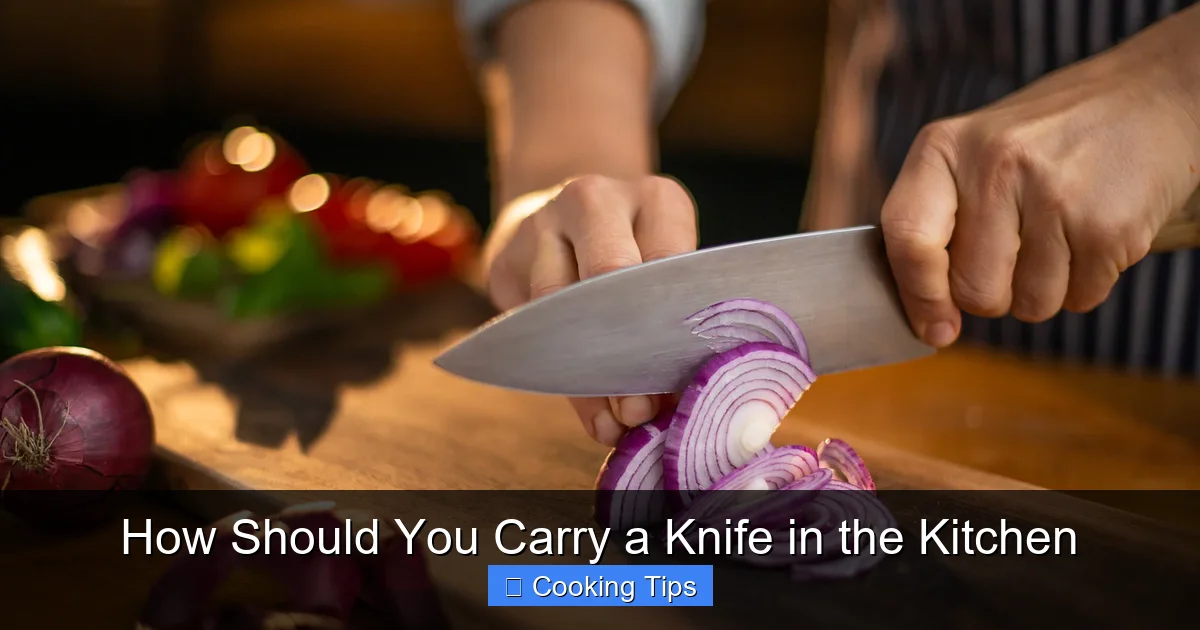
Visual guide about How Should You Carry a Knife in the Kitchen
Image source: mashed.com
Solution: Find a dry towel and wipe both your hands and the knife handle thoroughly before you pick it up. If a towel isn’t immediately available, pause and try to dry them as best you can on your apron or clothing.
Unexpected Obstruction
Issue: Someone walks directly into your path while you’re carrying a knife.
Solution: Stop immediately. Hold the knife steady and still. Wait for them to pass. You can then resume your movement, perhaps re-announcing your presence if it feels necessary.
Large or Awkward Knife
Issue: You’re carrying a very large knife (like a chef’s knife or a cleaver) and feel it’s unbalanced.
Solution: For these knives, the “pinch grip” with your thumb on the spine of the blade is particularly helpful for stability. If you’re truly struggling, consider using a blade guard or a knife roll even for a short walk.
Conclusion
Mastering the art of carrying a kitchen knife is a fundamental skill for anyone who spends time in the kitchen. It’s a practice that blends respect for your tools with a mindful awareness of your surroundings. By adopting a secure grip, always pointing the blade downwards when moving, and communicating your actions, you significantly reduce the risk of accidents.
Remember, consistency is key. Make these practices a habit, and you’ll not only protect yourself and others but also become a more confident and efficient cook. Invest in the right tools, like knife rolls and blade guards, when needed, and always prioritize safety over speed. Happy cooking, and stay sharp and safe!
