

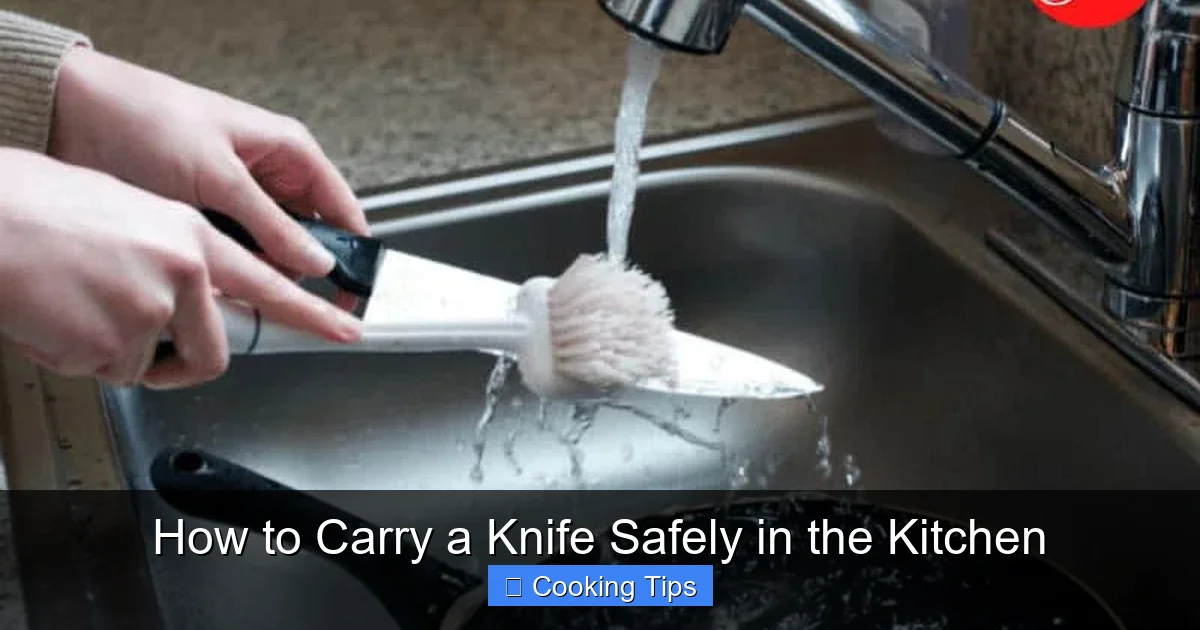
This guide provides essential knowledge on how to carry a knife safely in the kitchen. Learn proper techniques for handling, transporting, and storing knives to prevent accidents and injuries. By following these steps, you’ll increase your confidence and efficiency in the kitchen.
How to Carry a Knife Safely in the Kitchen
The kitchen is a place of creativity and delicious meals, but it can also be a place of potential danger if we’re not careful. Among the most important tools in any kitchen is the knife. A sharp knife is a chef’s best friend, making food preparation easier and more efficient. However, a sharp knife can also cause serious injury if not handled with respect and caution. Learning how to carry a knife safely in the kitchen is not just about avoiding cuts; it’s about cultivating a mindful and respectful approach to your tools.
This guide will walk you through everything you need to know about safely handling, transporting, and storing knives in your kitchen. Whether you’re a seasoned home cook or just starting out, these principles are fundamental to your safety and the longevity of your knives. We’ll cover the basic grip, how to move around the kitchen with a knife, and the best ways to keep them out of harm’s way when not in use.
Key Takeaways
- Understanding Knife Types: Different knives have different purposes, and knowing their intended use is the first step in safe handling.
- The Safe Carry Method: Always carry a knife with the blade pointing down and away from your body, keeping fingers clear of the sharp edge.
- Transporting Knives: When moving a knife from one location to another, use a sheath or a clean towel to cover the blade.
- Hand Washing is Crucial: Wash knives carefully by hand, never leaving them to soak in a sink where their blades can be a hazard.
- Proper Storage: Store knives in a knife block, magnetic strip, or drawer with blade guards to protect both the blades and yourself.
- Awareness and Focus: Maintain a clean workspace and stay focused on the task at hand to avoid distractions that can lead to accidents.
Understanding Your Knife and Its Purpose
Before you even pick up a knife, it’s important to understand that different knives are designed for different tasks. A chef’s knife is your workhorse for chopping and dicing, while a paring knife is for smaller, more intricate tasks. A serrated knife is best for bread and tomatoes. Using the right knife for the job not only makes your cooking easier but also safer. When you try to force a knife to do something it wasn’t designed for, you increase the risk of slipping and injury.
Always ensure your knives are sharp. A dull knife requires more force to cut, making it more likely to slip. A sharp knife cuts cleanly and predictably. Maintaining your knives, including regular sharpening, is a key part of safe knife handling.
The Basic Safe Carry: When You Need to Move
This is perhaps the most critical skill for safe knife handling in the kitchen. Accidents often happen when we’re moving around, perhaps heading to the sink or another counter. Here’s how to carry a knife correctly:
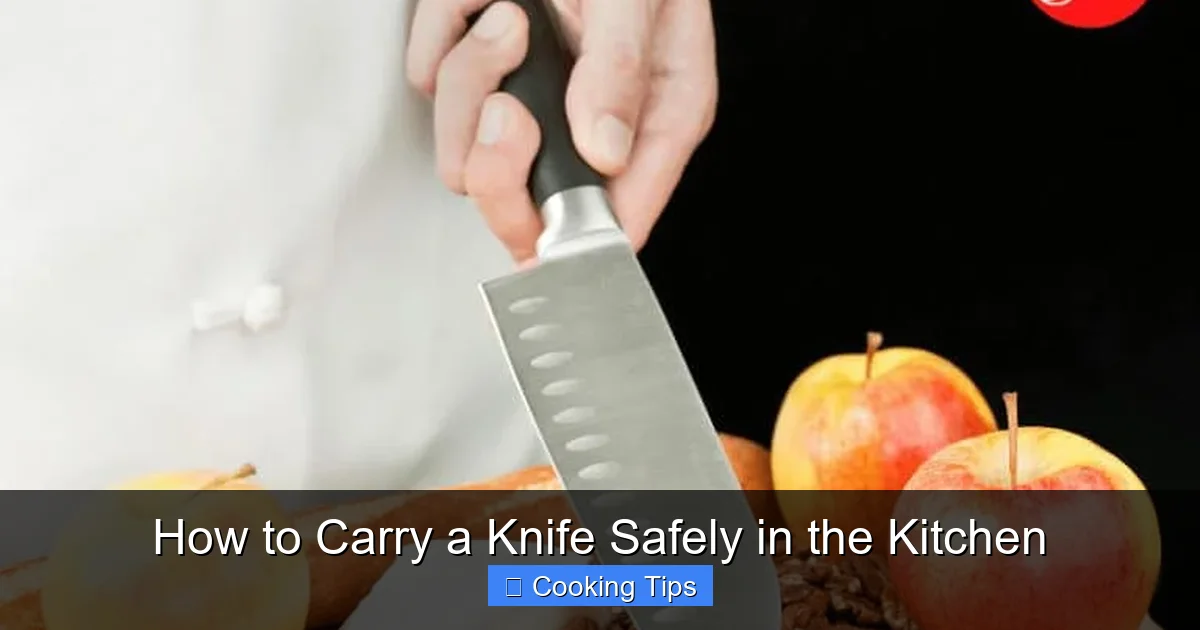
Visual guide about How to Carry a Knife Safely in the Kitchen
Image source: foodandfizz.b-cdn.net
The “Chef’s Carry” or “Kitchen Carry”
This is the standard and most recognized safe way to carry a knife. It’s simple, intuitive, and significantly reduces the risk of accidental cuts. When you need to move with a knife:
- Grip the Handle Firmly: Hold the knife by its handle as you normally would for cutting.
- Blade Pointing Down: The most crucial element is to ensure the blade is pointing downwards.
- Blade Away from Your Body: Position the blade so it faces away from you. This means the sharp edge should not be facing your torso or legs.
- Keep Fingers Clear: Ensure your fingers are well away from the blade’s edge and the point. The grip should be secure but relaxed enough to maintain control.
- Walk Carefully and Mindfully: Move at a moderate pace. Avoid rushing or juggling other items while carrying a knife. Be aware of your surroundings, especially other people who might bump into you.
Imagine you’re walking with a pencil, but the pencil is sharp. You’d hold it pointing down, away from yourself, right? It’s that same principle of control and intention. This method ensures that if you stumble or are bumped, the knife is less likely to cause injury.
Transporting Knives for Specific Purposes
Sometimes, you need to transport a knife for a longer distance, such as moving it to a dishwasher, another room, or to a knife sharpener. In these situations, extra precautions are necessary.
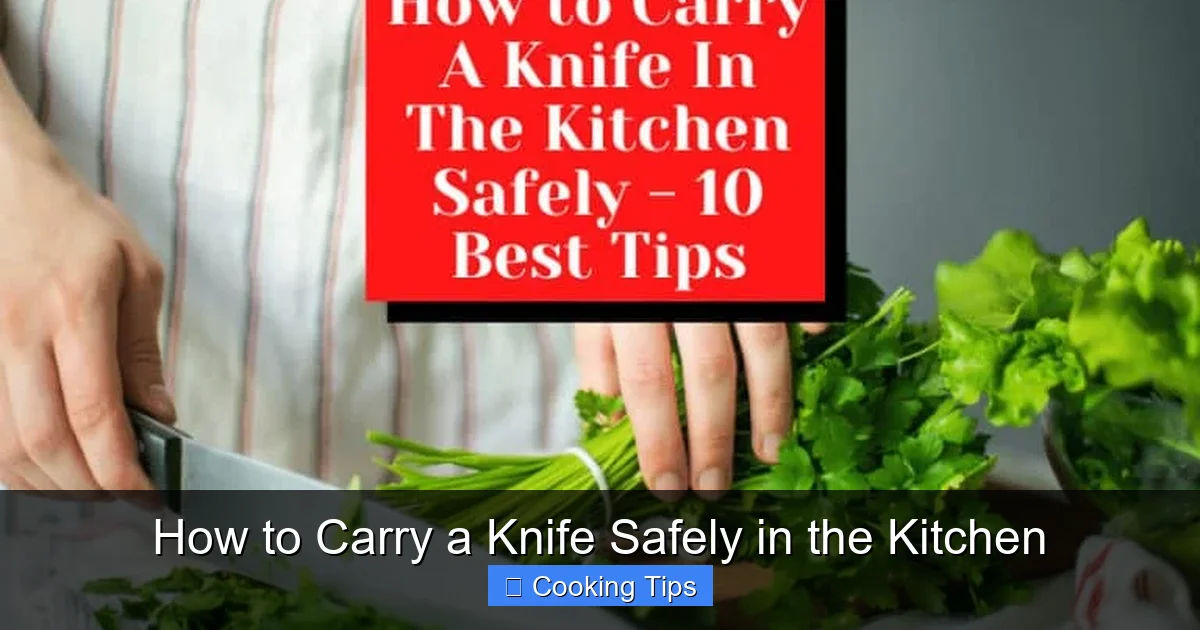
Visual guide about How to Carry a Knife Safely in the Kitchen
Image source: foodandfizz.b-cdn.net
Using a Sheath or Protective Cover
If your knife came with a sheath (a cover for the blade), always use it when the knife is not actively in use, especially during transport. If you don’t have a sheath:
- Clean and Dry the Knife: Ensure the blade is clean and dry.
- Use a Clean Towel or Cloth: Fold a thick, clean kitchen towel or a piece of sturdy cardboard.
- Wrap the Blade: Carefully slide the blade into the folded material, ensuring the entire sharp edge and the tip are completely covered. Wrap it securely so it doesn’t shift.
- Carry the Wrapped Knife: Hold the knife by the handle, with the blade pointing down and away from your body, as described in the “Chef’s Carry.” The wrapping provides an extra layer of protection.
Never leave a knife exposed when transporting it, even for a short distance. A moment of inattention can lead to a nasty cut.
Washing Knives Safely
Dishwashers are convenient, but they are the enemy of good knives and a potential hazard for your hands. The high heat and harsh detergents can dull and damage the blade, and knives can tumble around, striking other items or the racks. More importantly, reaching into a dishwasher filled with dirty dishes where sharp knives might be hidden is incredibly dangerous.
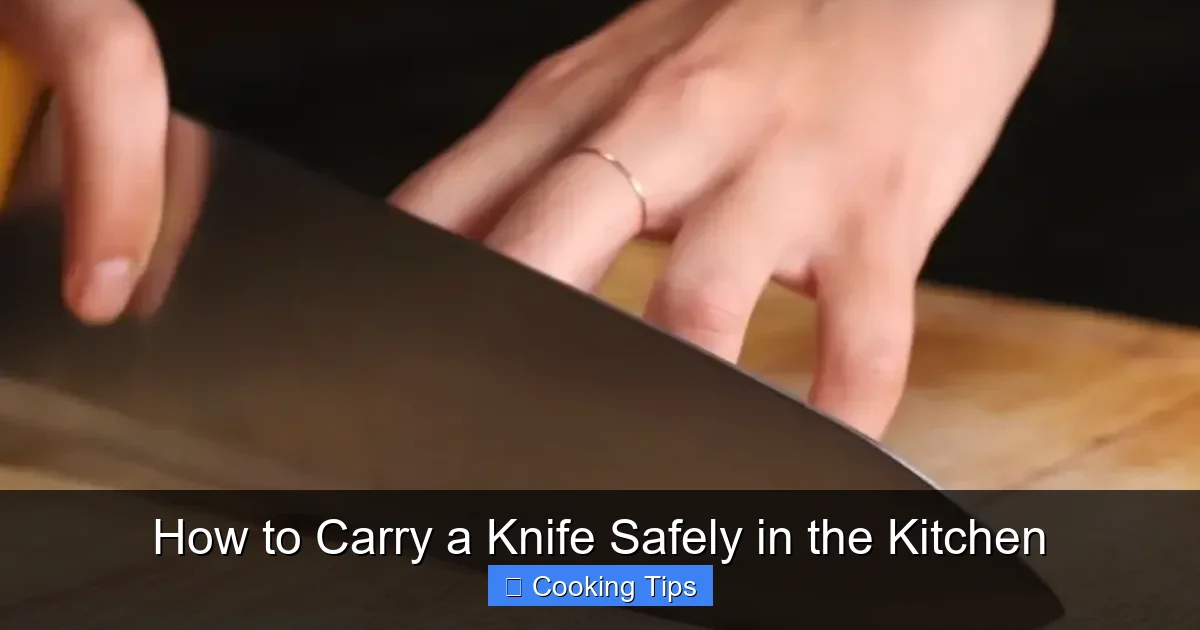
Visual guide about How to Carry a Knife Safely in the Kitchen
Image source: kitchenprofy.com
Hand Washing is Essential
Always wash your knives by hand immediately after use:
- Clear the Sink: Make sure the sink is empty and free of other dishes.
- Wash One Knife at a Time: Don’t pile up knives to wash them all at once.
- Hold the Handle: Grip the knife firmly by the handle.
- Wipe Away from the Blade: Use a damp sponge or cloth to wipe the blade from the spine (the dull side) towards the edge, and from the heel (near the handle) towards the tip. Always move the wiping material away from the sharp edge.
- Rinse Carefully: Rinse the blade under running water, keeping your fingers away from the edge.
- Dry Immediately: Use a clean, dry towel to thoroughly dry the knife. Again, wipe away from the blade.
- Store Promptly: Once dried, immediately put the knife into its proper storage.
Never leave a washed knife to air dry in the sink or on the counter where it can be accidentally grabbed or stepped on.
Proper Knife Storage: Prevention is Key
Safe storage is paramount to preventing accidents when knives are not in use. An improperly stored knife is a silent danger waiting to happen.
Options for Safe Storage
Here are the best ways to store your kitchen knives:
- Knife Block: This is a common and effective method. Slots in the block hold each knife securely, keeping blades protected and out of reach. Ensure you insert and remove knives carefully, always knowing which slot is which and what knife is inside.
- Magnetic Strip: Mounted on the wall, these strips hold knives securely by their metal blades. This keeps knives visible and accessible but also easily reachable by anyone. Ensure the strip is mounted at a height that is safe for your household, especially if you have young children. Place knives carefully on and off the strip to avoid accidental drops or cuts.
- In-Drawer Knife Organizers: These are inserts designed to fit inside drawers. They have slots or compartments that hold knives horizontally, keeping blades protected and preventing them from rattling around and becoming a hazard when you open the drawer.
- Blade Guards (Sheaths): As mentioned earlier, if you don’t have a block or magnetic strip, individual blade guards are a great option, especially for storing knives in a drawer or for transport.
Avoid the temptation to toss knives into a drawer loose. This is incredibly dangerous. It damages the blades and creates a significant risk of severe cuts every time the drawer is opened or items are rummaged through.
General Safety Tips for Knife Handling
Beyond the specific techniques, maintaining a safe mindset and environment is crucial.
- Stay Focused: Pay attention to what you are doing. Avoid distractions like phone calls or conversations when you are actively using or carrying a knife.
- Clean Workspace: Keep your countertops clear of clutter. A clean workspace reduces the chances of knocking a knife over or having it slide off the counter.
- Use a Stable Cutting Board: Ensure your cutting board is stable and won’t slip. Place a damp cloth or paper towel underneath it if necessary.
- Cut Away from Yourself: When making cuts, always direct the blade away from your body and fingers.
- Never Try to Catch a Falling Knife: This is a common instinct, but it’s extremely dangerous. Step back and let it fall. You are more likely to get seriously injured trying to catch it than by letting it drop.
- Teach Children Safely: If you have children in the kitchen, teach them about knife safety from a young age. Supervise them closely when they are learning to use knives, and ensure they understand the importance of respect for sharp tools.
Troubleshooting Common Knife Safety Issues
Even with the best intentions, accidents can happen. Here’s how to address common scenarios:
What if I cut myself?
Even a minor cut needs attention. Apply direct pressure to the wound with a clean cloth or paper towel. Elevate the injured limb if possible. If the bleeding is severe or doesn’t stop after a few minutes, seek medical attention.
My knife feels awkward or hard to control.
This could be due to a few things. Ensure you have a firm, comfortable grip on the handle. Check if the knife is too large or too small for your hand or the task. A sharp knife is also easier to control than a dull one. If the problem persists, consider investing in different knives or practicing with less intimidating ones.
I’m worried about my child using knives.
Start with very basic tasks using a dull spreader or a child-safe knife. Gradually introduce them to sharper knives under constant, close supervision. Emphasize the rules of safe knife carrying and handling repeatedly. The goal is to build respect and understanding, not to rush their skill development.
Conclusion
Mastering how to carry a knife safely in the kitchen is a fundamental aspect of confident and enjoyable cooking. By understanding the right techniques for holding, transporting, washing, and storing your knives, you significantly reduce the risk of accidents and injuries. Remember that a knife is a tool that deserves respect. Treat it with care, maintain its sharpness, and always prioritize safety. A mindful approach to your kitchen knives will not only protect you and others but also enhance your overall culinary experience.
