

Choosing the right electric kettle can make your daily routine smoother. This guide breaks down the essential factors to consider, from capacity and material to specialized features and safety considerations. By following these steps, you’ll be able to find an electric kettle that perfectly suits your needs and budget.
Key Takeaways
- Understand Your Needs: Before buying, assess how much water you typically boil and for what purpose (tea, coffee, cooking).
- Material Matters: Stainless steel is durable and easy to clean, glass offers visibility and aesthetics, and plastic is budget-friendly but can impart taste.
- Capacity is Crucial: Opt for a size that matches your household demand to avoid frequent reboiling or wasted energy.
- Feature Focus: Consider variable temperature control for precise brewing, keep-warm functions for convenience, and cordless bases for ease of use.
- Safety First: Look for auto shut-off, boil-dry protection, and cool-touch exteriors to prevent accidents.
- Budget Wisely: Electric kettles range from basic models to feature-rich appliances; determine your budget and prioritize essential features.
How to Choose the Perfect Electric Kettle
Welcome! Are you tired of waiting for your stovetop kettle to whistle? Or maybe you’re looking for a faster, more efficient way to heat water for your morning coffee, that soothing cup of tea, or even for cooking? If so, an electric kettle is likely your next kitchen essential. But with so many options on the market, how do you pick the one that’s just right for you?
Choosing an electric kettle might seem straightforward, but there are several important factors to consider that can significantly impact your user experience. This comprehensive guide will walk you through everything you need to know, from understanding your needs and exploring different materials to diving into features, safety aspects, and budget considerations. By the end of this guide, you’ll be equipped with the knowledge to make an informed decision and find an electric kettle that perfectly complements your kitchen and lifestyle.
1. Assess Your Needs and Usage
The very first step in choosing any appliance is to understand how you’ll be using it. This applies perfectly to selecting an electric kettle. Think about:
Visual guide about How to Choose Electric Kettle
Image source: m.media-amazon.com
How Much Water Do You Typically Boil?
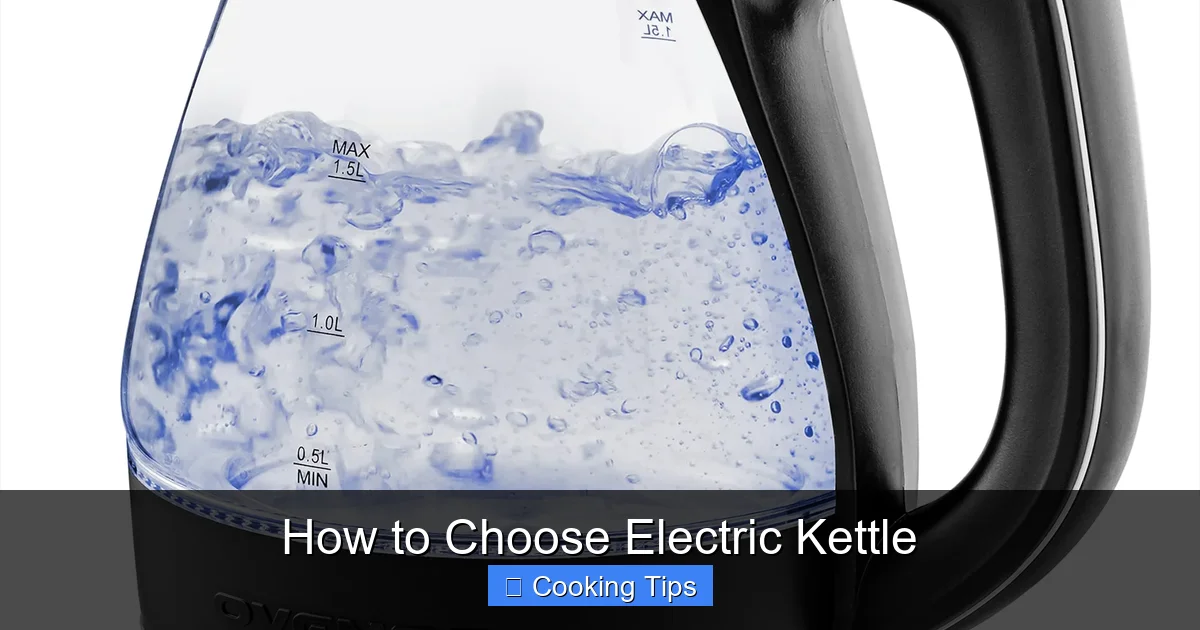
Are you usually just making a single cup of tea or coffee? Or do you often need to boil water for multiple people, perhaps for a French press, a pot of pasta, or even sanitizing baby bottles? The amount of water you need to heat at one time will directly influence the capacity you should look for.
What Will You Use It For?
While most electric kettles are designed for boiling water, some offer specialized features. For example, if you’re a serious tea aficionado, you might need a kettle with variable temperature settings to brew different types of tea at their optimal temperatures. If you just need hot water for instant noodles, a basic model might suffice.
How Important is Speed?
Electric kettles are generally faster than stovetop kettles, but some models are designed for even quicker boiling. If speed is a top priority, look for kettles with higher wattage.
2. Explore Different Kettle Materials
The material of your electric kettle not only affects its durability and appearance but can also influence the taste of your water. Here are the most common materials:
Visual guide about How to Choose Electric Kettle
Image source: m.media-amazon.com
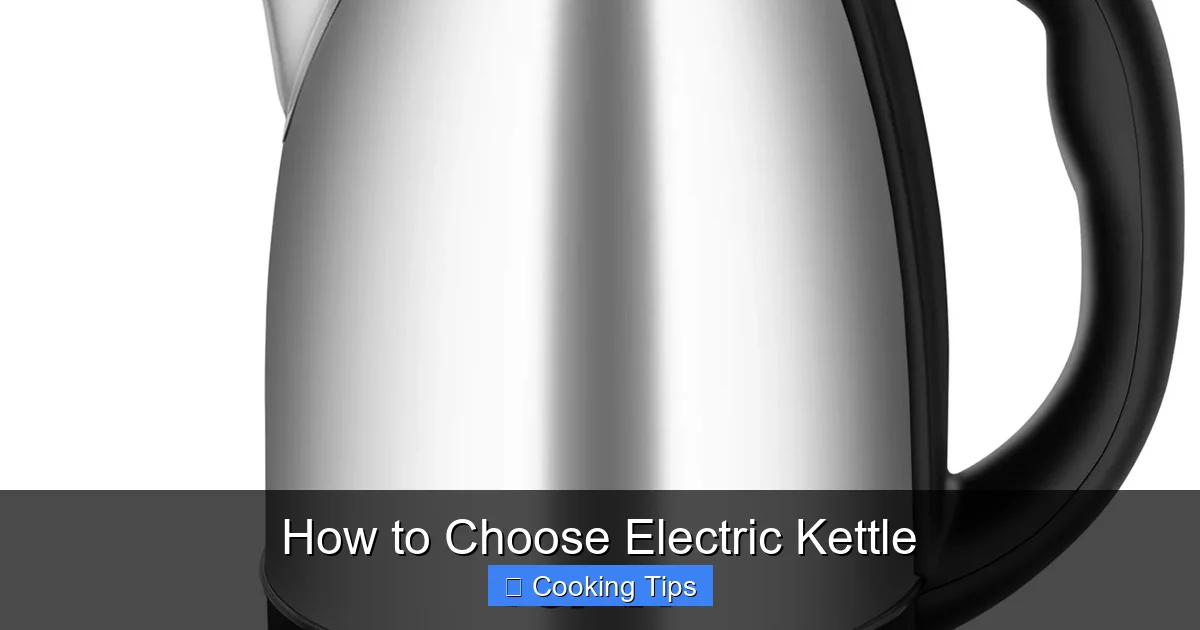
Stainless Steel Kettles
Pros: Stainless steel is a popular choice for good reason. It’s incredibly durable, resistant to rust and corrosion, and doesn’t impart any metallic taste to the water. They also tend to look sleek and modern in any kitchen. Cleaning is usually a breeze, too.
Cons: Some stainless steel kettles can get quite hot on the exterior when in use, so caution is advised. They can also show fingerprints and water spots if not wiped down regularly.
Best for: Those seeking durability, longevity, and a classic, reliable appliance.
Glass Kettles
Pros: Glass kettles offer a beautiful aesthetic. You can see the water boiling, which many people find satisfying, especially if the kettle has LED lighting. Glass is also non-reactive, meaning it won’t affect the taste of your water.
Cons: Glass can be more fragile than stainless steel, so you need to be careful not to drop it or subject it to sudden temperature changes. They can also be heavier.
Best for: Those who prioritize aesthetics, enjoy watching the boiling process, and want a taste-neutral material.
Plastic Kettles
Pros: Plastic kettles are generally the most affordable option. They are lightweight and the exteriors usually stay cooler to the touch than metal or glass models.
Cons: Some people worry about chemicals leaching from plastic into their water, especially at high temperatures. Cheaper plastics can also degrade over time or even impart a plastic taste to the water. Durability can also be an issue compared to other materials.
Best for: Budget-conscious buyers who prioritize lightweight design and cooler exteriors, and are comfortable with plastic construction.
Other Materials (e.g., Ceramic, Copper)
While less common for electric kettles, you might occasionally find models made from ceramic or copper. Ceramic can offer a stylish, retro look, but is prone to chipping. Copper kettles are excellent conductors of heat but require significant maintenance and can be expensive.
3. Determine the Right Capacity
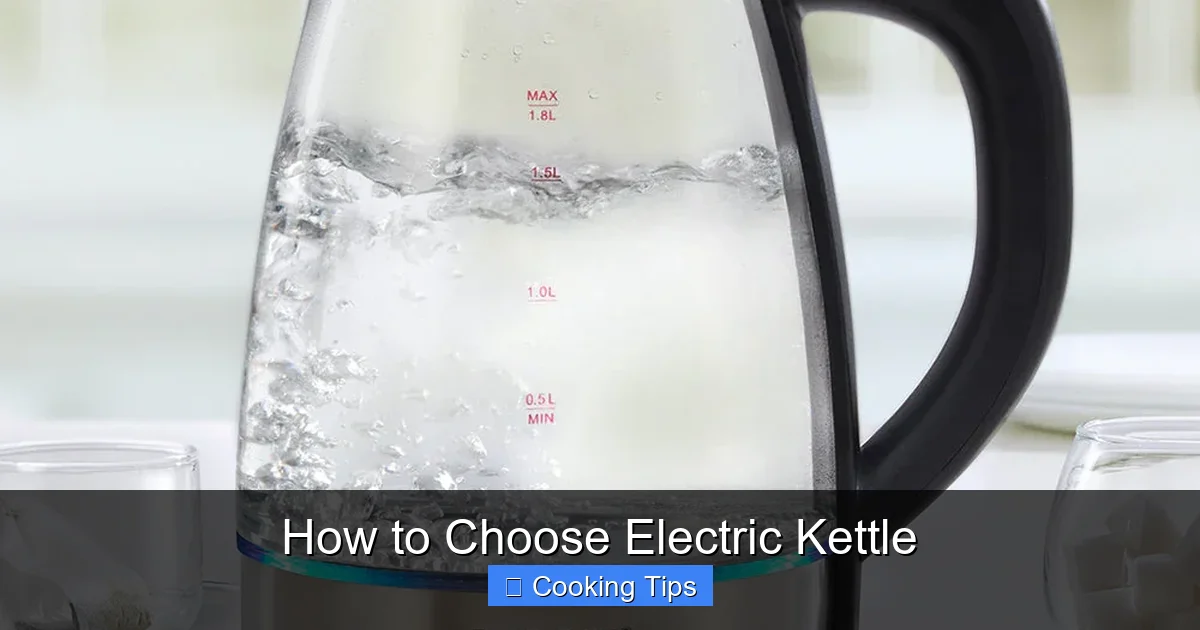
Kettle capacity is measured in liters (L) or cups. Choosing the right capacity is crucial for convenience and efficiency.
Visual guide about How to Choose Electric Kettle
Image source: myborosil.com
Small Capacity (0.5L – 1.0L)
These are ideal for individuals or couples who primarily make one or two cups at a time. They boil water quickly and are very compact, taking up minimal counter space.
Medium Capacity (1.2L – 1.7L)
This is the most common capacity range and is suitable for most households, typically serving 4-6 people. It’s a good balance between speed and volume, allowing you to make enough hot water for several cups of tea or coffee, or for some light cooking needs.
Large Capacity (1.8L – 2.0L and above)
If you have a large family, entertain frequently, or need to boil significant amounts of water for cooking, a large capacity kettle is the way to go. Be aware that larger kettles take longer to boil and occupy more space.
Tip: Always consider boiling slightly more water than you need. This way, you have some hot water on hand for a quick top-up or if an unexpected guest arrives.
4. Understand Key Features
Beyond the basics, electric kettles come with a range of features that can enhance their functionality and your user experience. Here are some of the most important ones:
Variable Temperature Control
This is a game-changer for tea and coffee lovers. Different beverages require different water temperatures for optimal flavor extraction. For instance, green tea is best brewed around 80°C (175°F), while black tea and coffee prefer boiling water (100°C / 212°F). Kettles with variable temperature settings allow you to select the precise temperature you need, preventing scorching delicate leaves or over-extracting coffee.
- How it works: These kettles have a thermostat that allows you to set your desired temperature. Some have pre-set buttons for common temperatures, while others allow for fine-tuning.
- Who needs it: Serious tea drinkers, coffee enthusiasts, and anyone who wants to perfect their hot beverage brewing.
Keep Warm Function
If you often find yourself making multiple cups of tea or coffee throughout the morning, or if you’re a slow sipper, a keep-warm function is incredibly convenient. Once the water reaches its boiling point (or the selected temperature), the kettle can maintain that temperature for a set period, usually 30 minutes to an hour, without re-boiling.
- How it works: The kettle’s heating element cycles on and off to maintain the set temperature.
- Who needs it: Busy individuals, families with varied schedules, or anyone who appreciates having hot water readily available.
Cordless Base
Virtually all modern electric kettles feature a cordless base. This means the heating element is integrated into the base, and the kettle itself lifts off the base for pouring. This makes filling, pouring, and cleaning much easier and safer.
- How it works: The base contains the electrical connection. The kettle has a coupling that connects to the base to receive power.
- Who needs it: Everyone! This is a standard feature that enhances usability and safety.
Water Level Indicator
This is a simple but essential feature. A clear window or markings on the side of the kettle indicate the minimum and maximum water levels. This helps you avoid overfilling (which can lead to boiling over) or underfilling (which can damage the heating element).
- How it works: A transparent strip or etched markings on the kettle body.
- Who needs it: All users, to ensure efficient operation and prevent damage.
Filter
Many kettles come with a removable filter, usually located at the spout. This filter helps to catch mineral deposits (limescale) that can build up over time, preventing them from entering your cup and keeping your water clearer.
- How it works: A fine mesh screen that is often removable for cleaning.
- Who needs it: Users in hard water areas to improve water quality and kettle longevity.
Fast Boil Technology
Some kettles boast “fast boil” or “rapid boil” technology. These often have higher wattage (e.g., 1500W or more) which heats water more quickly. Some may also have specific designs that optimize water circulation for faster heating.
- How it works: Higher wattage and potentially optimized internal design.
- Who needs it: Those in a hurry who prioritize speed above all else.
Swivel Base
The kettle’s base can often rotate 360 degrees. This is especially useful in busy kitchens where you might need to place the kettle down from any angle, or if you are left-handed or right-handed.
- How it works: The kettle sits on a turntable on the base.
- Who needs it: Anyone who values convenience and flexibility in their kitchen setup.
5. Prioritize Safety Features
Safety is paramount, especially when dealing with boiling water. Look for these essential safety features:
Auto Shut-Off
This is a non-negotiable safety feature. An auto shut-off mechanism will automatically turn the kettle off once the water has reached boiling point or the set temperature. This prevents the water from boiling dry and also saves energy.
- Why it’s important: Prevents overheating, reduces fire risk, and saves electricity.
Boil-Dry Protection
This is a crucial addition to auto shut-off. If the kettle is accidentally switched on without enough water (or no water at all), boil-dry protection will detect this and immediately turn off the heating element. This prevents damage to the kettle and potential hazards.
- Why it’s important: Protects the heating element from burning out and prevents dangerous situations.
Cool-Touch Exterior
Kettles with cool-touch exteriors, often found in models with double-wall construction or specific plastic designs, have an outer layer that remains cool to the touch even when the water inside is boiling. This significantly reduces the risk of accidental burns.
- Why it’s important: Minimizes the risk of burns during handling.
Lid Lock and Secure Spout
A secure lid prevents hot water from splashing out when the kettle is tipped or boiling vigorously. A well-designed spout ensures a controlled pour, minimizing drips and spills.
- Why it’s important: Enhances safety during pouring and handling.
6. Consider Wattage and Energy Efficiency
Wattage indicates how much power the kettle uses. Higher wattage generally means faster boiling but can also consume more electricity.
- Standard Wattage: Most kettles range from 1000W to 1500W.
- Fast Boil Wattage: Kettles designed for rapid boiling can go up to 2000W or even 3000W.
While higher wattage means quicker boiling, consider the overall energy efficiency. Some kettles are designed to boil water using less energy for a given volume. Look for energy star ratings if available, though these are less common for small appliances like kettles in some regions.
7. Set Your Budget
Electric kettles come in a wide price range:
- Budget-Friendly (Under $30): Basic models, usually plastic, with essential features like auto shut-off.
- Mid-Range ($30 – $70): Often stainless steel or glass, with good capacity, some convenience features like keep-warm, and better build quality.
- Premium ($70+): Feature-rich kettles with variable temperature control, premium materials, advanced safety features, and stylish designs.
Decide what your budget is before you start shopping. This will help you narrow down your options and focus on models that offer the best value for your money.
8. Think About Design and Aesthetics
Your electric kettle will be a visible appliance in your kitchen, so you’ll want it to match your style. Kettles come in a vast array of colors, finishes, and designs, from retro to ultra-modern. Consider:
- Color and Finish: Does it match your other appliances or kitchen décor?
- Size and Shape: Will it fit comfortably on your counter and under your cabinets?
- Cord Storage: Some models have integrated cord storage in the base, which helps keep your countertop tidy.
Troubleshooting Common Electric Kettle Issues
Even the best electric kettles can encounter minor issues. Here are a few common problems and their solutions:
Kettle Not Turning On
Possible Causes: Not plugged in, power outlet not working, kettle not seated properly on the base, faulty fuse in the plug or kettle.
Solutions: Ensure the kettle is securely placed on its base. Check if the power outlet is working with another appliance. Inspect the power cord and plug for damage.
Kettle Leaking
Possible Causes: Cracked casing, faulty seal around the base or lid, overfilling.
Solutions: Check for visible cracks. If the kettle is old, the seals might be worn out. Ensure you are not filling it beyond the maximum line.
Limescale Buildup
Possible Causes: Hard water deposits over time.
Solutions: Regular descaling is key. Fill the kettle with a 50/50 mixture of white vinegar and water, let it sit for an hour (or overnight for heavy buildup), then boil. Rinse thoroughly. Many manufacturers also sell specific descaling solutions.
Water Tastes Funny
Possible Causes: Plastic taste from new plastic kettles, mineral buildup, residue from cleaning agents.
Solutions: For new kettles, boil several full kettles of water and discard them to remove any manufacturing residues. Ensure the kettle is thoroughly rinsed after descaling. If it’s a persistent plastic taste, consider a stainless steel or glass model.
Conclusion
Choosing the right electric kettle doesn’t have to be a daunting task. By carefully considering your personal needs, the available materials, the essential capacity, and the multitude of useful features and safety aspects, you can confidently select a kettle that will serve you well for years to come. Whether you prioritize speed, precision temperature control, elegant design, or budget-friendliness, there’s an electric kettle out there perfect for you. Happy brewing!
