


Keeping your electric kettle free of limescale is crucial for optimal performance and clean-tasting water. This guide provides easy, step-by-step instructions using common household ingredients to descale your electric kettle. Learn how to restore its efficiency and enjoy a better brewing experience.
How to Descale Electric Kettle
Welcome to your ultimate guide on how to descale an electric kettle! Do you ever notice your electric kettle taking longer to boil water? Or perhaps the water you brew doesn’t taste quite right, maybe with a slightly chalky or metallic undertone? These are classic signs of limescale buildup, a common problem for electric kettles, especially in areas with hard water.
Limescale, a hard, chalky deposit, forms when minerals like calcium and magnesium in hard water are heated. Over time, this mineral deposit clings to the heating element and the interior walls of your electric kettle. Not only does this buildup look unsightly, but it also significantly impacts your kettle’s performance. It acts as an insulator, making the heating element work harder and longer to reach boiling point, thus consuming more energy and slowing down your morning routine. More importantly, limescale can leach into your water, affecting the taste of your tea, coffee, or other hot beverages.
But don’t worry! Descaling your electric kettle is a straightforward process that you can easily do yourself using simple, everyday household items. This guide will walk you through everything you need to know, from understanding why descaling is important to step-by-step instructions for various methods, along with helpful tips and troubleshooting advice. By the end of this guide, you’ll be equipped to restore your electric kettle to its former glory, ensuring fast boiling times, pure-tasting water, and a longer lifespan for your appliance. Let’s get started on making your kettle sparkle again!
Key Takeaways
- Regular descaling prevents limescale buildup, which can affect boiling speed and water taste.
- Vinegar and lemon juice are effective natural descalers, readily available in most kitchens.
- Following the correct descaling process ensures safety and prevents damage to your kettle.
- Rinsing thoroughly after descaling is essential to remove any lingering taste or smell.
- Frequency of descaling depends on water hardness and usage, typically every 1-3 months.
- Troubleshooting common issues like stubborn stains or persistent smells can be easily addressed.
Why is Descaling Your Electric Kettle Important?
Before we dive into the “how-to,” let’s briefly touch on the “why.” Understanding the importance of descaling can motivate you to make it a regular part of your appliance maintenance.
Performance and Efficiency
Limescale is a poor conductor of heat. When it accumulates on the heating element, it forms an insulating layer. This means your electric kettle has to work much harder and longer to heat the water to boiling point. This not only wastes electricity, increasing your energy bills, but also means you’re waiting longer for that much-needed hot beverage. Regular descaling ensures your kettle heats water efficiently, saving you time and energy.
Water Quality and Taste
The minerals that form limescale can dissolve into your water, affecting its taste. You might notice a chalky, metallic, or unpleasant flavor in your tea, coffee, or even just plain hot water. Descaling removes these mineral deposits, ensuring that the water you drink is pure and tastes as it should.
Appliance Longevity
A heavily scaled heating element is under constant strain. This extra stress can shorten the lifespan of your electric kettle. By regularly descaling, you protect the heating element and other internal components from damage, helping your kettle last longer.
Hygiene
While not as significant as mold or bacteria, limescale buildup can create a surface where microbes might potentially thrive, although this is less common in the high temperatures of boiling water. Still, a clean kettle is a more hygienic kettle.
When Should You Descale Your Electric Kettle?
The frequency of descaling depends on several factors, primarily the hardness of your water and how often you use your kettle.
*
Hard Water Areas: If you live in an area with very hard water, you might need to descale your kettle as often as once a month.
Visual guide about How to Descale Electric Kettle
Image source: irrorwxhiqijjr5q.ldycdn.com
*
Medium Water Hardness: For areas with moderate water hardness, descaling every 1-3 months is usually sufficient.
*
Soft Water Areas: Even in areas with soft water, some mineral buildup can occur. Descaling every 3-6 months should be adequate.
*
Visible Signs: The most obvious indicator is visible limescale. If you see white, chalky deposits on the bottom or sides of your kettle, it’s definitely time to descale.
*
Slower Boiling: If your kettle starts taking noticeably longer to boil water than it used to, this is a strong sign of limescale interference.
*
Changes in Taste: A metallic or chalky taste in your hot water is another tell-tale sign.
Common Descaling Agents
There are several effective and readily available agents you can use to descale your electric kettle. The most popular and effective ones are natural acids.
1. White Vinegar
White distilled vinegar is a pantry staple and a fantastic natural descaler. Its acetic acid content effectively breaks down limescale.
2. Lemon Juice
Fresh or bottled lemon juice is another excellent option. The citric acid in lemon juice is also very effective at dissolving mineral deposits.
3. Citric Acid Powder
If you don’t have vinegar or lemon juice on hand, citric acid powder (often found in baking aisles or online) is a concentrated and effective alternative.
4. Commercial Descalers
Specialized electric kettle descalers are available in stores. While effective, they are often more expensive and contain stronger chemicals than natural alternatives. For most situations, natural methods are perfectly adequate and safer.
How to Descale Your Electric Kettle: Step-by-Step Guide
This section will guide you through the most common and effective descaling methods using household ingredients.
Method 1: Using White Vinegar
This is a tried-and-true method that’s both effective and economical.
What You’ll Need:
- White distilled vinegar
- Water
- A clean cloth or sponge
Step-by-Step Instructions:
Step 1: Prepare the Vinegar Solution
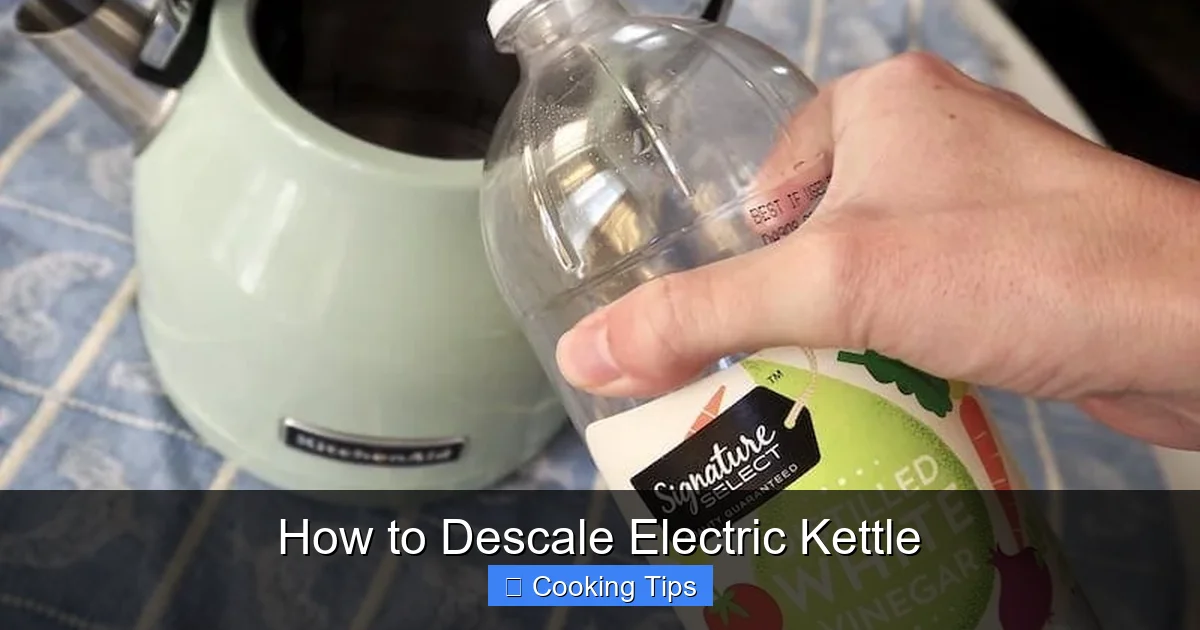
Pour equal parts white vinegar and water into your electric kettle. For instance, if your kettle has a capacity of 1.7 liters, you might use about 850 ml of vinegar and 850 ml of water. Ensure the solution covers the limescale deposits. If the scale is concentrated on the bottom, you don’t necessarily need to fill it to the brim, but make sure the affected areas are submerged.
Visual guide about How to Descale Electric Kettle
Image source: cornercoffeestore.com
Visual guide about How to Descale Electric Kettle
Image source: irrorwxhiqijjr5q.ldycdn.com
Step 2: Boil the Solution
Close the lid of your electric kettle and turn it on to boil the vinegar and water mixture. Let it boil for a few minutes. Once it boils, turn off the kettle and let it sit for at least 30 minutes to an hour. For heavily scaled kettles, you might need to let it soak for longer, even up to a few hours. You can also repeat the boiling process if necessary.
Step 3: Empty and Inspect
Carefully pour the hot vinegar and water solution down the drain. Use a clean cloth or sponge to gently scrub away any loosened limescale. You might need to use a non-abrasive sponge or brush to get into corners or around the heating element. Be gentle to avoid scratching the interior of your kettle.
Step 4: Rinse Thoroughly
This is a crucial step to remove any lingering vinegar smell or taste. Fill the kettle with fresh water and boil it. Discard the water. Repeat this rinsing process at least 2-3 times, or until you no longer detect any scent of vinegar. Some people prefer to boil a kettle of plain water and then pour it out, and then repeat this rinsing process again for good measure.
Step 5: Final Wipe Down
After the final rinse, empty the kettle and wipe the interior dry with a clean, soft cloth. This will help prevent immediate water spots and leave your kettle looking pristine.
Method 2: Using Lemon Juice
Lemon juice offers a pleasant alternative to vinegar, leaving a fresh scent and effectively tackling limescale.
What You’ll Need:
- Fresh lemons or bottled lemon juice
- Water
- A clean cloth or sponge
Step-by-Step Instructions:
Step 1: Prepare the Lemon Solution
If using fresh lemons, cut one or two lemons in half and squeeze the juice directly into the kettle. You can also add the lemon halves themselves into the kettle. If using bottled lemon juice, pour about ½ cup of lemon juice into the kettle. Then, add enough water to cover the limescale deposits, similar to the vinegar method.
Step 2: Boil the Solution
Close the lid and bring the lemon mixture to a boil. Let it boil for a few minutes, then turn off the kettle. Allow the solution to sit for at least 30 minutes to an hour. For tougher scale, you can let it soak for longer or repeat the boiling process.
Step 3: Empty and Clean
Carefully empty the kettle. If you used lemon halves, remove them. Use a soft cloth or sponge to gently wipe away any loosened limescale. The acidity of the lemon should have loosened most of it, making it easy to clean.
Step 4: Rinse Thoroughly
Rinse the kettle with fresh water. Boil a full kettle of fresh water and discard it. Repeat this rinsing process 2-3 times to ensure all traces of lemon flavor and acidity are gone. You should notice a fresh, clean smell after this.
Step 5: Dry the Kettle
Wipe the interior of the kettle dry with a clean cloth.
Method 3: Using Citric Acid Powder
Citric acid powder is a concentrated form of the acid found in lemons, making it a very efficient descaler.
What You’ll Need:
- Citric acid powder (usually found in baking aisles or health food stores)
- Water
- A clean cloth or sponge
Step-by-Step Instructions:
Step 1: Prepare the Citric Acid Solution
Add 1-2 tablespoons of citric acid powder to your electric kettle. Then, fill the kettle with water, ensuring the solution covers the limescale. Stir gently to help dissolve the powder.
Step 2: Boil and Soak
Boil the mixture in the kettle. Once it reaches a boil, turn off the kettle and let it sit for about 15-30 minutes. Citric acid is quite potent, so it might not need to soak as long as vinegar or lemon juice.
Step 3: Empty and Scrub
Pour out the solution. Gently scrub any remaining scale with a soft cloth or sponge. The citric acid should have done most of the hard work.
Step 4: Rinse, Rinse, Rinse!
This is vital for citric acid as it can leave a taste. Fill the kettle with fresh water and boil it. Discard the water. Repeat this rinsing process at least 3-4 times, or until the water has no residual smell or taste.
Step 5: Final Dry
Wipe the kettle dry with a clean cloth.
Important Safety Tips and Precautions
While descaling is a simple process, it’s important to follow these safety tips:
*
Always unplug your kettle before cleaning the exterior or performing any manual scrubbing inside.
*
Never use abrasive cleaners, steel wool, or harsh scouring pads inside your electric kettle, as they can scratch the interior and damage the heating element.
*
Ensure the kettle is cool before handling the hot descaling solutions.
*
Avoid getting water or descaling solution into the electrical components or the base of the kettle.
*
Rinse thoroughly! This cannot be stressed enough, especially when using vinegar or citric acid, to avoid unpleasant tastes in your hot drinks.
*
Never use bleach to descale your kettle, as it can be harmful and leave toxic residues.
*
If your kettle has a removable filter, clean it separately according to the manufacturer’s instructions. Some can be descaled with the same solution, while others may require a gentler cleaning.
Troubleshooting Common Descaling Issues
Even with the best intentions, you might encounter a few hiccups. Here’s how to deal with them:
Stubborn Limescale Stains
If after the initial descaling process, some stubborn limescale remains, don’t despair. You can try repeating the process, perhaps allowing the solution to soak for a longer period. For very tough spots, you can make a more concentrated solution (e.g., use a higher ratio of vinegar to water, or more citric acid) and apply it directly to the spot with a sponge (ensure the kettle is unplugged and cool) and let it sit for a while before gently scrubbing.
Persistent Vinegar/Lemon Smell or Taste
This usually means the rinsing wasn’t thorough enough. Repeat the rinsing process (boiling fresh water and discarding) several more times. Boiling a kettle of plain water with a tablespoon of baking soda can also help neutralize odors. Ensure you rinse again after using baking soda. Airing out the kettle with the lid open for a few hours can also help dissipate lingering smells.
Discoloration of the Kettle Interior
In rare cases, very old or heavily scaled kettles might show some minor discoloration after descaling, especially around the heating element. This is usually cosmetic and doesn’t affect performance, but it’s worth keeping an eye on. If it’s significant or concerning, consult your kettle’s manual or the manufacturer.
Conclusion
Descaling your electric kettle is a simple yet essential maintenance task that ensures it functions optimally, heats water quickly, and delivers pure-tasting beverages every time. By following the step-by-step guides using common household ingredients like white vinegar or lemon juice, you can effectively remove stubborn limescale buildup without resorting to harsh chemicals. Remember to descale regularly, especially if you live in a hard water area, and always rinse thoroughly to avoid any lingering tastes. A clean kettle is not just aesthetically pleasing; it’s a testament to a well-maintained appliance that will serve you reliably for years to come. So, go ahead, give your electric kettle the spa treatment it deserves, and enjoy the full flavor of your favorite hot drinks!
