

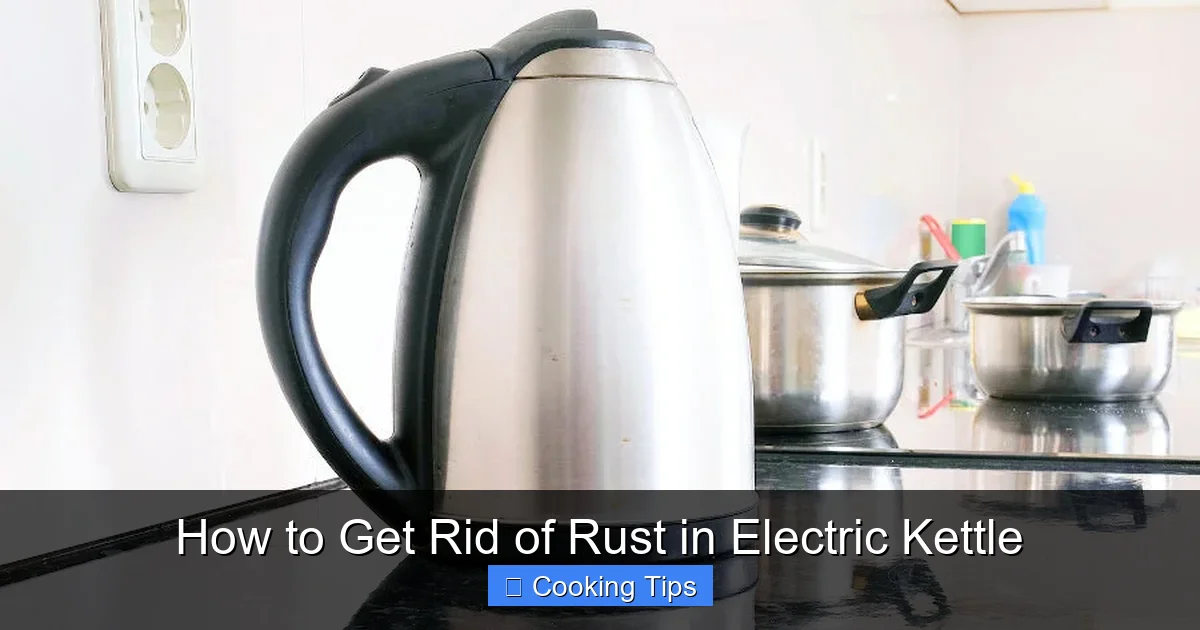
Rust in your electric kettle can affect the taste of your drinks and potentially pose health risks. This guide provides effective and safe methods to remove rust using common household ingredients. You’ll learn step-by-step instructions, important safety precautions, and tips to prevent rust from returning, ensuring clean and pure water every time.
Key Takeaways
- Identify the Cause: Rust in electric kettles often stems from mineral deposits, especially in hard water areas, or a damaged protective coating.
- Natural Cleaning Agents are Key: Vinegar and baking soda are highly effective and safe for removing rust from your kettle’s interior.
- Gentle Scrubbing is Essential: Avoid abrasive materials that can further damage the kettle’s surface. Use a soft cloth or sponge.
- Thorough Rinsing is Crucial: Always rinse the kettle multiple times after cleaning to remove any residue and prevent off-flavors.
- Regular Maintenance Prevents Rust: Descaling your kettle regularly and drying it properly are vital steps in rust prevention.
- Check for Damage: If rust persists or the kettle shows significant damage, it might be time to consider replacing it for safety.
How to Get Rid of Rust in Electric Kettle
An electric kettle is a staple in many kitchens, making our lives easier with quick access to hot water for tea, coffee, and cooking. But what happens when you start noticing unsightly rust spots forming inside your kettle? It’s not just an aesthetic issue; rust can affect the taste of your water and, in some cases, raise health concerns. Don’t worry! Getting rid of rust in your electric kettle is usually a straightforward process using common household items. This guide will walk you through safe, effective, and easy methods to restore your kettle to its former glory and ensure you’re always enjoying pure, great-tasting water.
We’ll cover everything from identifying the likely causes of rust to step-by-step cleaning instructions, important safety tips, and how to prevent rust from reappearing.
Why Does Rust Form in Electric Kettles?
Before we dive into the cleaning process, it’s helpful to understand why rust might be appearing in your electric kettle. The most common culprit is **hard water**. Water that is rich in minerals like calcium and magnesium can leave deposits inside the kettle. Over time, these deposits can react with the metal, especially if the kettle’s protective coating is compromised, leading to rust.
Another reason can be the kettle’s material and its manufacturing. Some kettles, particularly those with stainless steel interiors, have a protective layer. If this layer is scratched or damaged, the underlying metal can be exposed to oxygen and moisture, initiating the rusting process. Age and wear and tear can also contribute to this.
Safety First: Precautions Before You Clean
Before you start any cleaning process, it’s crucial to prioritize safety.
- Unplug the Kettle: Always ensure your electric kettle is unplugged from the power outlet before you begin cleaning. Water and electricity are a dangerous combination.
- Let it Cool: If you’ve recently used the kettle, allow it to cool down completely. Hot surfaces can cause burns.
- Ventilation: Some cleaning agents, like vinegar, can produce fumes. Ensure the area is well-ventilated by opening a window or turning on an exhaust fan.
- Avoid Harsh Chemicals: Never use abrasive cleaners, steel wool, or harsh chemical rust removers. These can damage the kettle’s interior and leave harmful residues.
Now that we’ve covered safety, let’s move on to the cleaning methods.
Method 1: The Power of Vinegar
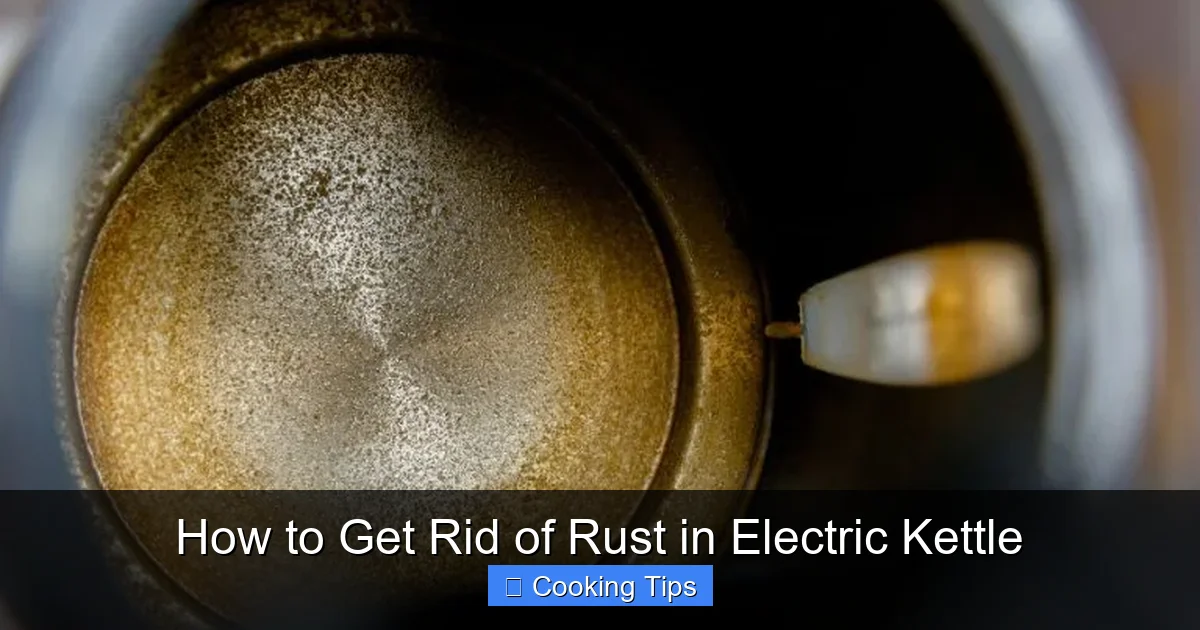
Visual guide about How to Get Rid of Rust in Electric Kettle
Image source: azrust.com
White vinegar is a fantastic natural cleaning agent. Its acidity helps to break down mineral deposits and rust effectively.
Step 1: Prepare the Vinegar Solution
1. **Mix the Solution:** In your electric kettle, combine equal parts white vinegar and water. For example, if your kettle has a 1-liter capacity, you might use 500ml of white vinegar and 500ml of water. Ensure the solution covers all the rusted areas. If rust is concentrated in one spot, you can adjust the ratio to be more vinegar-heavy.
2. **Soak (Optional but Recommended):** For stubborn rust, you can let this solution sit in the kettle for at least 30 minutes to an hour. For very severe rust, you might even leave it overnight.
Step 2: Heat the Solution
1. **Boil the Mixture:** Plug in your electric kettle and bring the vinegar-water mixture to a boil.
2. **Let it Sit:** Once it boils, turn off the kettle and let the hot solution sit inside for another 15-30 minutes. This allows the heat to further accelerate the rust-loosening process.
Step 3: Scrub and Rinse
1. **Empty the Kettle:** Carefully pour out the hot vinegar-water solution.
2. **Gentle Scrubbing:** Use a soft cloth or a non-abrasive sponge to gently scrub the inside of the kettle. You should find that the rust comes off relatively easily. Pay attention to any remaining rust spots.
3. **Rinse Thoroughly:** This is a crucial step. Rinse the kettle with clean water multiple times (at least 3-4 times) to remove all traces of vinegar. You don’t want your morning tea to taste like salad dressing!
4. **Boil Fresh Water:** Fill the kettle with fresh water and boil it. Discard this water. Repeat this boiling process with fresh water once more to ensure any lingering vinegar smell or taste is completely gone.
Method 2: Baking Soda for Gentle Cleaning
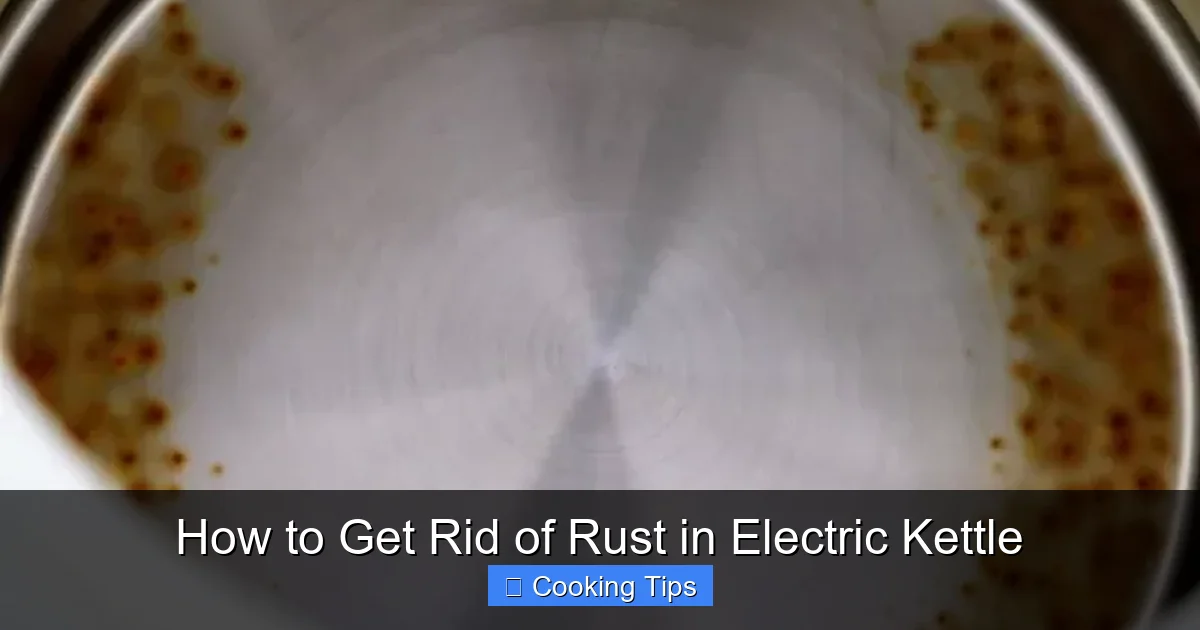
Visual guide about How to Get Rid of Rust in Electric Kettle
Image source: irrorwxhiqijjr5q.ldycdn.com
Baking soda is another excellent, non-toxic cleaner that can help lift rust and mineral deposits. It’s slightly abrasive but still gentle enough for most kettle interiors.
Step 1: Create a Baking Soda Paste
1. **Mix Baking Soda and Water:** In a small bowl, mix a few tablespoons of baking soda with just enough water to create a thick paste.
2. **Apply the Paste:** Apply this paste directly to the rusted areas inside the kettle. Let it sit for about 15-30 minutes.
Step 2: Scrub and Rinse
1. **Gentle Scrubbing:** Use a soft cloth or a non-abrasive sponge to gently scrub the pasted areas. The baking soda will act as a mild abrasive to help lift the rust.
2. **Rinse Thoroughly:** Rinse the kettle thoroughly with clean water to remove all baking soda residue. Ensure no paste remains.
3. **Boil Fresh Water (Optional but Recommended):** As with the vinegar method, it’s a good idea to boil a kettle of fresh water and discard it to remove any potential lingering tastes.
Method 3: Lemon Juice for Mild Rust
Visual guide about How to Get Rid of Rust in Electric Kettle
Image source: chemy-shop.com
Lemon juice, with its natural citric acid, can also be effective for tackling mild rust spots.
Step 1: Prepare the Lemon Juice Solution
1. **Juice Lemons:** Squeeze the juice of 1-2 lemons into the kettle.
2. **Add Water:** Fill the kettle with enough water to cover the rusted areas, or fill it about halfway.
3. **Soak:** Let the lemon juice and water mixture sit in the kettle for at least 30 minutes.
Step 2: Scrub and Rinse
1. **Gentle Scrubbing:** Use a soft cloth or sponge to gently scrub the rust spots.
2. **Rinse:** Rinse the kettle thoroughly with clean water.
3. **Boil Fresh Water:** Boil a kettle of fresh water and discard it.
Combining Methods for Tough Rust
For particularly stubborn rust, you might find that combining methods yields the best results.
* **Vinegar followed by Baking Soda:** After using the vinegar method and rinsing, if some rust remains, you can then apply a baking soda paste to the remaining spots and scrub gently.
* **Vinegar Soak then Lemon Juice Rinse:** You could also try soaking with vinegar, rinsing, and then using lemon juice as a final polishing agent before another rinse.
Troubleshooting: What If Rust Persists?
Sometimes, despite your best efforts, rust might still be present, or it might reappear quickly. Here are a few things to consider:
* **Is the Kettle Old?** If your kettle is several years old, the internal coating might be significantly degraded, making it difficult to keep rust at bay.
* **Is the Kettle Damaged?** Inspect the interior carefully. If you see deep pitting or significant damage to the metal, it might be beyond repair.
* **Water Quality:** If you live in an area with very hard water, rust and mineral buildup might be a constant battle. Regular descaling becomes even more critical.
* **Material of the Kettle:** Some lower-quality kettles might be more prone to rusting than others, even with careful use.
If rust is persistent and you’re concerned about the safety or integrity of your kettle, it might be time to consider purchasing a new one. Look for kettles with high-quality stainless steel interiors or glass exteriors to minimize the risk of rust.
Preventing Rust in Your Electric Kettle
The best way to deal with rust is to prevent it from forming in the first place. Here are some tips:
* **Regular Descaling:** Make descaling a habit. Aim to descale your kettle every 1-3 months, depending on your water hardness. Use the vinegar or a commercial descaler specifically designed for kettles.
* **Empty After Use:** Don’t leave water sitting in the kettle for extended periods. Empty it out after each use.
* **Dry the Interior:** After emptying, wipe the interior of the kettle dry with a soft cloth. This simple step significantly reduces the chances of rust forming.
* **Avoid Metal Utensils:** Never use metal spoons or other abrasive tools to stir or scrape the inside of your kettle.
* **Use Filtered Water:** If you have very hard water, consider using filtered or distilled water in your kettle. This will reduce mineral buildup and the likelihood of rust.
Conclusion
Dealing with rust in your electric kettle doesn’t have to be a daunting task. With simple, natural ingredients like vinegar and baking soda, you can effectively remove rust and restore your kettle to a clean, functional state. Remember to always prioritize safety, perform thorough rinsing, and adopt preventative measures to keep your kettle rust-free for longer. Enjoying a clean kettle means enjoying purer, better-tasting hot beverages, cup after cup.
