

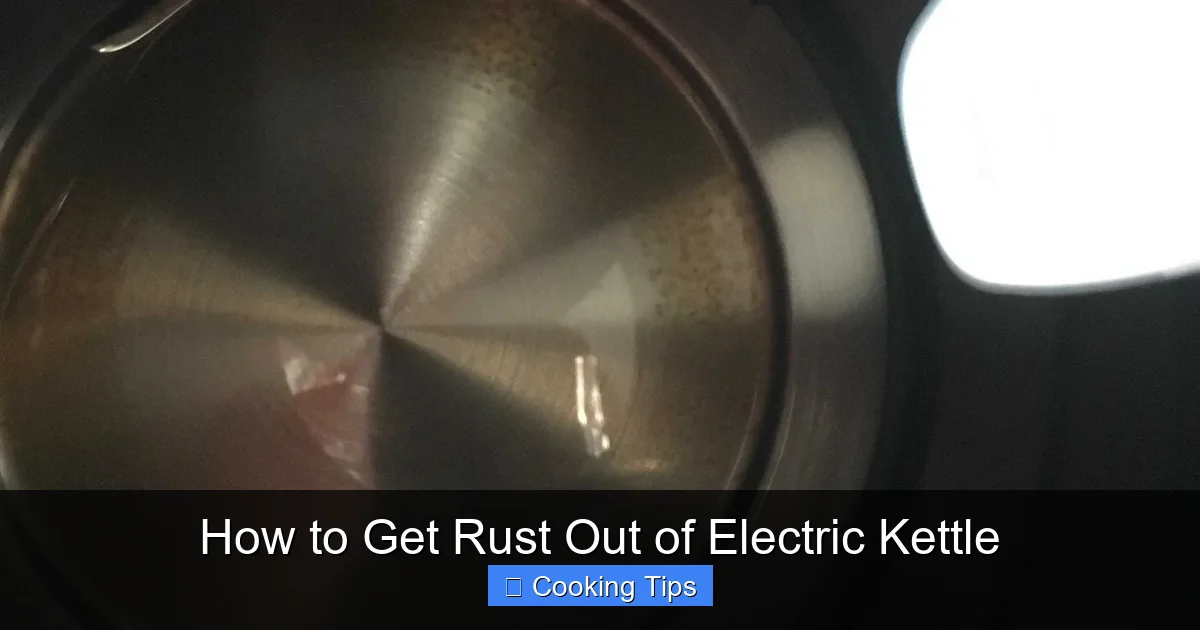
Dealing with rust in your electric kettle? This guide provides safe and effective methods to remove it, ensuring your water is pure and your kettle lasts longer. We cover natural solutions like vinegar and lemon juice, along with essential cleaning tips and preventative measures. Get your kettle sparkling clean again!
How to Get Rust Out of Electric Kettle
Are you noticing unsightly rust spots inside your electric kettle? It’s a common problem, especially in areas with hard water, and can be a real nuisance. Rust isn’t just unattractive; it can also affect the taste of your water and, in the long run, potentially impact your kettle’s performance. But don’t worry, getting rust out of your electric kettle is a manageable task. This comprehensive guide will walk you through safe, effective, and easy-to-follow steps to restore your kettle to its former glory. By the end of this guide, you’ll know exactly how to tackle rust and keep your kettle in top condition for brewing your favorite hot beverages.
- Identify the cause of rust: Understanding why rust forms is the first step to preventing its return.
- Natural cleaning power: Vinegar and lemon juice are excellent, food-safe options for dissolving rust.
- Gentle yet effective scrubbing: Use soft materials to avoid damaging your kettle’s interior.
- Rinse thoroughly: Always rinse the kettle completely after cleaning to remove any residue.
- Regular maintenance is key: Simple, routine cleaning prevents stubborn rust build-up.
- Safety first: Always unplug the kettle and ensure it’s cool before starting any cleaning process.
Understanding the Causes of Kettle Rust
Before we dive into the cleaning methods, it’s helpful to understand why rust appears in the first place. The most common culprit is the presence of minerals in tap water, particularly iron and manganese. When these minerals come into contact with oxygen and moisture, they can oxidize, leading to rust. Hard water, which has a high mineral content, is more prone to causing this issue. Metal parts within the kettle, especially heating elements, can also be susceptible to corrosion over time. Sometimes, even minor scratches or imperfections on the kettle’s interior surface can provide a starting point for rust formation. Understanding these causes helps us tackle the problem effectively and take steps to prevent it in the future.
Preparation for Cleaning
Before you start any cleaning process, it’s crucial to prepare your electric kettle and your workspace. Safety and efficiency are paramount here.
Step 1: Unplug and Cool Down
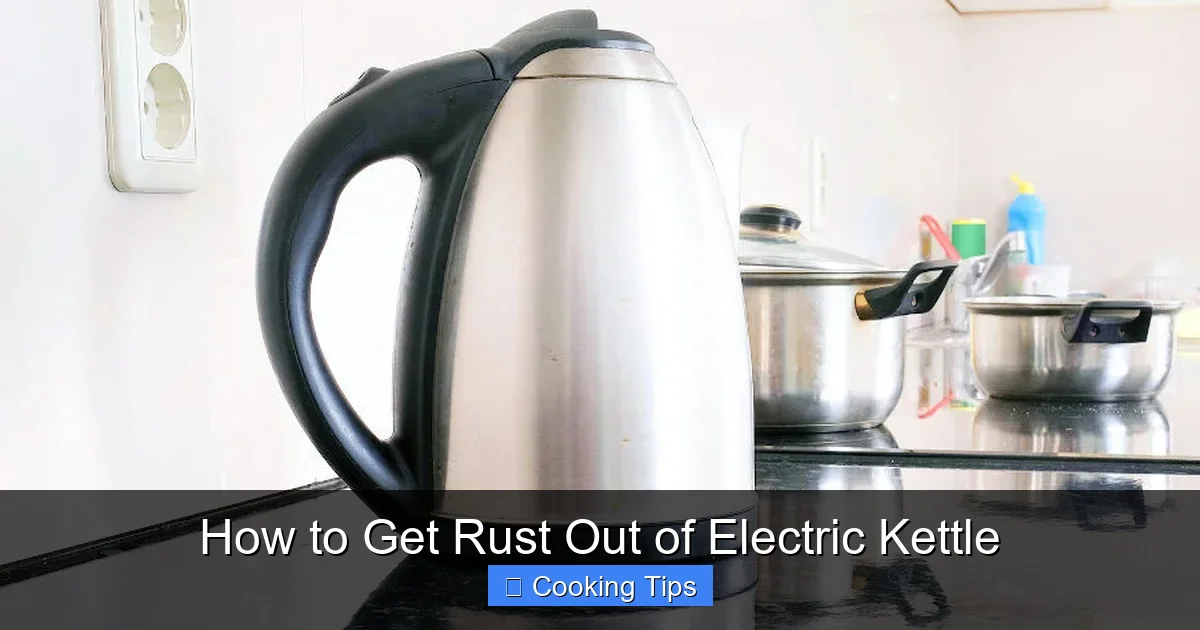
The very first and most important step is to ensure your electric kettle is unplugged from the power outlet. Never attempt to clean an electric appliance while it is connected to electricity. Also, make sure the kettle has cooled down completely. Attempting to clean a hot kettle can lead to burns.
Visual guide about How to Get Rust Out of Electric Kettle
Image source: azrust.com
Step 2: Empty the Kettle
Pour out any remaining water from the kettle. If there’s any visible loose rust or sediment, you can try rinsing it out with plain water once or twice to remove the bulk of it before proceeding with the cleaning solutions.
Step 3: Gather Your Supplies
Having all your cleaning supplies ready before you begin will make the process smoother. You’ll likely need:
- White vinegar or lemon juice
- Water
- A soft cloth or sponge
- A non-abrasive brush (optional, for stubborn spots)
- Baking soda (optional, for extra cleaning power)
Natural Rust Removal Methods
Fortunately, you don’t need harsh chemicals to get rid of rust. Natural, food-safe ingredients are highly effective.
Method 1: White Vinegar Soak
White vinegar is a powerhouse when it comes to tackling mineral deposits and rust due to its acetic acid content.
Step 1: Mix the Solution
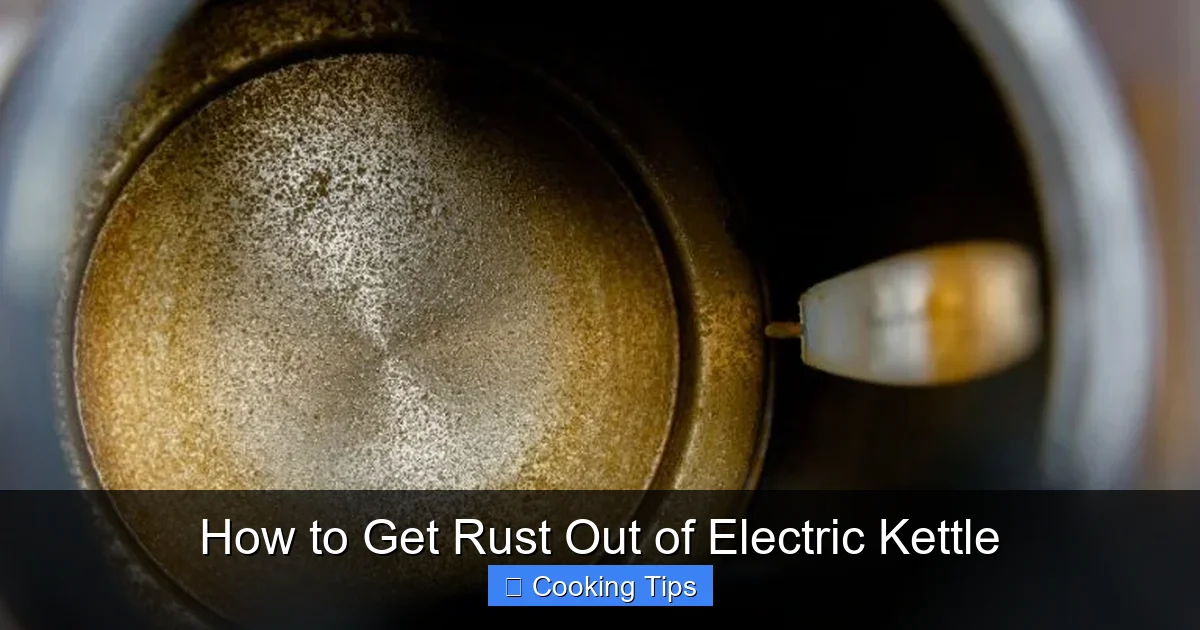
Fill your electric kettle with a solution of equal parts white vinegar and water. For instance, if your kettle has a 1-liter capacity, you might use 500ml of vinegar and 500ml of water. Ensure the rusty areas are submerged.
Visual guide about How to Get Rust Out of Electric Kettle
Image source: azrust.com
Step 2: Let It Soak
Bring the vinegar-water solution to a boil in the kettle. Once it boils, turn off the kettle and let the solution sit inside for at least 1 to 2 hours. For tougher rust, you can leave it overnight. The acidity of the vinegar will work to break down the rust.
Step 3: Scrub (If Necessary)
After the soaking period, carefully empty the kettle. You should see that much of the rust has loosened or disappeared. For any remaining stubborn spots, use a soft cloth or sponge to gently scrub the interior. A non-abrasive brush can be helpful for hard-to-reach areas, but be careful not to scratch the metal.
Step 4: Rinse Thoroughly
This is a crucial step. Rinse the kettle multiple times with clean, fresh water. Make sure to rinse until you can no longer smell any vinegar. Boiling a kettle full of plain water and discarding it can also help remove any lingering vinegar scent or taste.
Method 2: Lemon Juice Power
Lemon juice is another excellent natural option, offering a pleasant scent and effective cleaning power due to its citric acid.
Step 1: Prepare the Lemon Solution
Cut one or two lemons in half and squeeze their juice directly into the kettle. You can also add the squeezed lemon halves to the kettle. Fill the kettle with water, enough to cover the rusty areas.
Step 2: Boil and Soak
Bring the lemon-water mixture to a boil. After boiling, turn off the kettle and let it sit for at least 1 to 2 hours. The citric acid in the lemon juice will help dissolve the rust.
Step 3: Clean and Rinse
Empty the kettle and use a soft cloth or sponge to wipe away any loosened rust. Rinse the kettle thoroughly with clean water several times. You can boil a kettle of plain water and discard it to ensure no lemon flavor remains.
Method 3: Baking Soda Paste (For Stubborn Spots)
If you have particularly stubborn rust spots that vinegar or lemon juice alone couldn’t handle, baking soda can provide a little extra abrasive power without being too harsh.
Step 1: Create the Paste
In a small bowl, mix baking soda with a little water to form a thick paste. The consistency should be like toothpaste.
Step 2: Apply the Paste
Dip a soft cloth or sponge into the baking soda paste and gently apply it to the rusty areas inside the kettle. Let the paste sit for about 30 minutes.
Step 3: Gently Scrub and Rinse
Use the damp cloth or sponge to gently scrub the rust spots. Be mindful not to apply too much pressure. After scrubbing, rinse the kettle thoroughly with clean water multiple times until all baking soda residue is gone.
Troubleshooting Common Issues
Sometimes, even with these methods, you might encounter a few hiccups. Here’s how to address them.
Very Deep-Set Rust
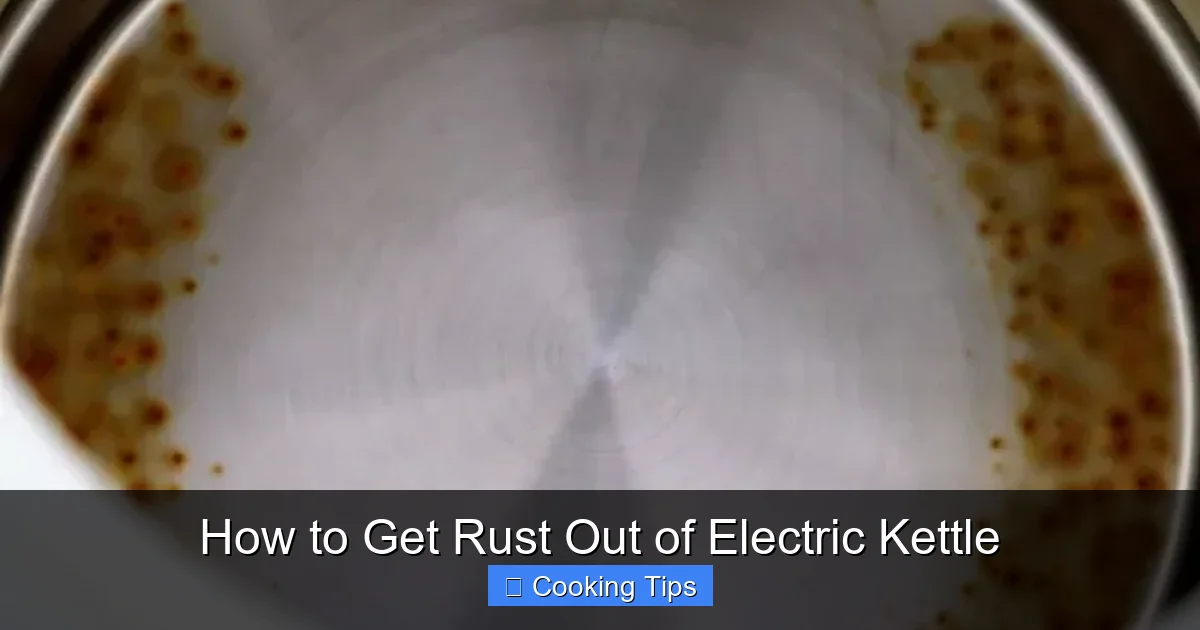
If your rust is very old and deeply ingrained, you might need to repeat the vinegar or lemon juice soak and scrub process more than once. For extremely persistent rust, some sources suggest a very dilute solution of oxalic acid, but this should be used with extreme caution, with thorough rinsing, and only if other methods fail. Always prioritize safer, natural methods first.
Visual guide about How to Get Rust Out of Electric Kettle
Image source: irrorwxhiqijjr5q.ldycdn.com
Unpleasant Odors Lingering
If you notice a lingering smell of vinegar or lemon even after rinsing, boil a kettle of plain water and discard it. Repeat this a couple of times. You can also add a teaspoon of baking soda to a full kettle of water, boil it, and then discard. This helps neutralize any residual odors.
Surface Scratches
If you accidentally scratch the interior of your kettle while cleaning, this can make it more prone to future rust. Always use soft cloths and non-abrasive materials. Small scratches are usually not a major concern for functionality, but it’s good to be aware of them.
Preventing Future Rust
Prevention is always better than cure. Here are some tips to keep your electric kettle rust-free:
- Descaling Regularly: The most effective way to prevent rust is to descale your kettle regularly, especially if you have hard water. Aim to do this once a month or more often if you notice mineral build-up.
- Empty After Use: Don’t leave water standing in your kettle for extended periods, especially overnight. Empty it after each use to minimize moisture exposure.
- Wipe Down the Interior: After emptying, give the interior a quick wipe with a dry, soft cloth. This removes residual moisture that can contribute to rust.
- Consider a Water Filter: If you have very hard water, using a water filter for your kettle can significantly reduce the mineral content and thus the risk of rust.
- Inspect the Heating Element: If your kettle has a visible heating element, check it periodically for any signs of damage or corrosion.
Conclusion
Getting rust out of your electric kettle doesn’t have to be a daunting task. With simple, natural ingredients like white vinegar and lemon juice, you can effectively restore your kettle’s interior and ensure the purity of your water. Remember to always prioritize safety by unplugging the appliance and letting it cool down. Regular cleaning and preventative measures are your best allies in keeping your electric kettle in excellent condition for years to come. Enjoy your perfectly brewed, rust-free beverages!
