

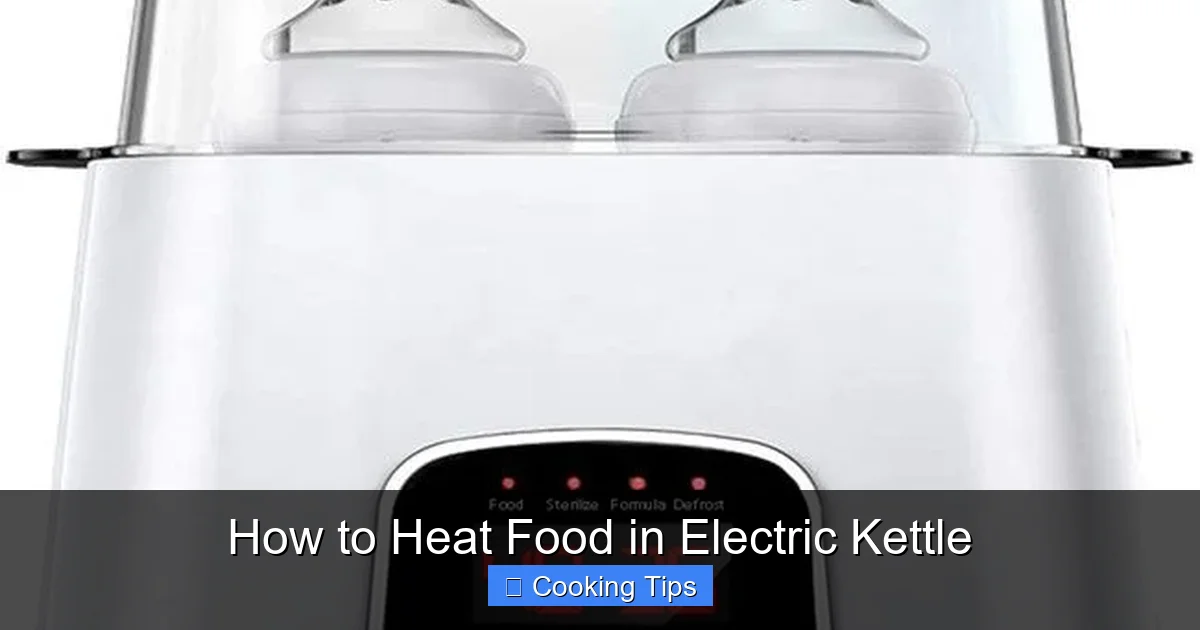
Unlock the versatility of your electric kettle beyond boiling water! This comprehensive guide details how to safely and effectively heat various foods, from leftovers to simple meals, using your electric kettle in 2026. Discover practical techniques, essential safety precautions, and clever tips to make your electric kettle a convenient cooking companion.
How to Heat Food in Electric Kettle
In today’s fast-paced world of 2026, convenience is king. We’re always looking for ways to simplify our routines, especially when it comes to meal preparation. You might think your electric kettle is solely for boiling water for your morning coffee or tea. But what if we told you it can be a surprisingly useful tool for heating up a variety of foods? Yes, you read that right! While it’s not a replacement for a stove or microwave, your electric kettle can be a handy ally for warming leftovers, preparing simple meals, or even for those times when you’re away from a traditional kitchen.
This comprehensive guide will walk you through everything you need to know about heating food in your electric kettle. We’ll cover the safest and most effective methods, essential precautions to take, and offer practical tips to help you get the most out of this often-underestimated appliance. Get ready to discover a new dimension to your kitchen arsenal!
Key Takeaways
- Safety First: Always use heat-safe containers and never submerge the kettle’s heating element directly in food.
- Container Choice is Crucial: Opt for stainless steel, glass, or food-grade silicone containers that fit comfortably inside the kettle.
- Gentle Heating is Key: Electric kettles are best for warming, not rapid cooking. Be patient for optimal results.
- Water-Based Heating is Standard: Most methods involve using the kettle’s primary function – heating water – to indirectly heat your food.
- Not for All Foods: Avoid heating delicate items, raw ingredients requiring precise cooking, or foods prone to burning easily.
- Cleanliness is Paramount: Thoroughly clean your kettle after each use to prevent contamination and maintain its lifespan.
Understanding the Electric Kettle’s Heating Mechanism
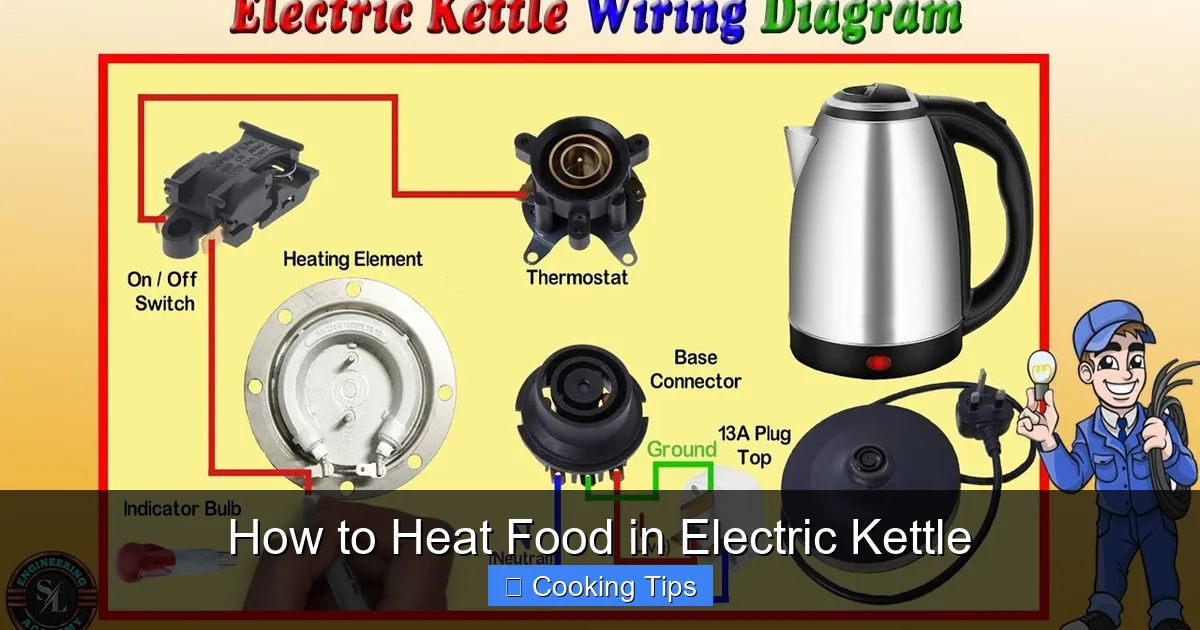
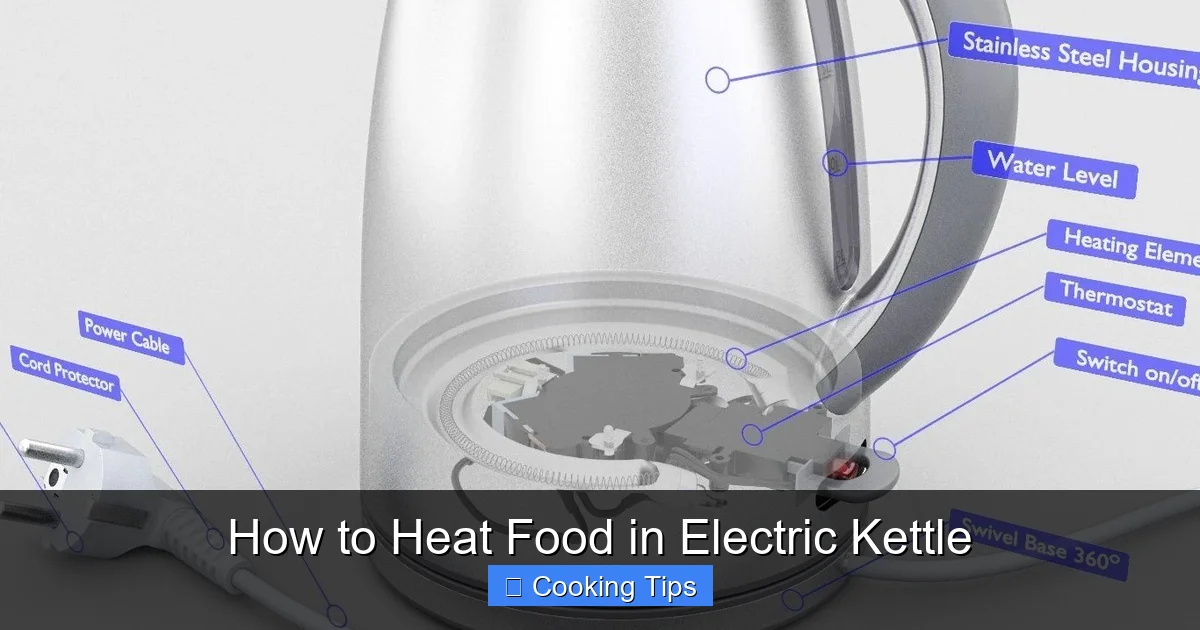
Before we dive into the “how-to,” it’s important to understand how an electric kettle works. Most electric kettles use a concealed heating element at the base. When you fill it with water and switch it on, this element heats up rapidly, transferring its energy to the water. This hot water is then used to create steam or directly heat other items placed within the kettle. This indirect heating method is what makes it possible, and safe, to heat food.
Safety First: Essential Precautions Before You Begin
Visual guide about How to Heat Food in Electric Kettle
Image source: m.media-amazon.com
Safety should always be your top priority. Electric kettles, while convenient, have specific limitations. Ignoring these can lead to damage to your appliance, a mess, or even a safety hazard.
Never Submerge the Heating Element
This is the golden rule. Never, ever place food directly into the kettle’s main chamber if it will cover the heating element. This can cause the element to overheat, damage the kettle, or even create an electrical hazard. The food must always be in a separate, heat-safe container.
Use Appropriate Containers
Not all containers are created equal when it comes to electric kettle heating.
- Heat-Safe Materials: Stick to containers made of stainless steel, glass (Pyrex or borosilicate), or high-quality, food-grade silicone. These materials can withstand heat and won’t leach harmful chemicals.
- Avoid Plastics (Mostly): While some BPA-free plastics are marketed as heat-resistant, it’s best to err on the side of caution. Many plastics can warp, melt, or release toxins when exposed to prolonged heat, especially in direct contact with water. If you must use a plastic container, ensure it explicitly states it’s safe for boiling water or steaming.
- Proper Size: The container must fit comfortably inside your electric kettle without being so large that it obstructs the lid or prevents water from circulating. It should also be stable.
Ensure Adequate Water Level
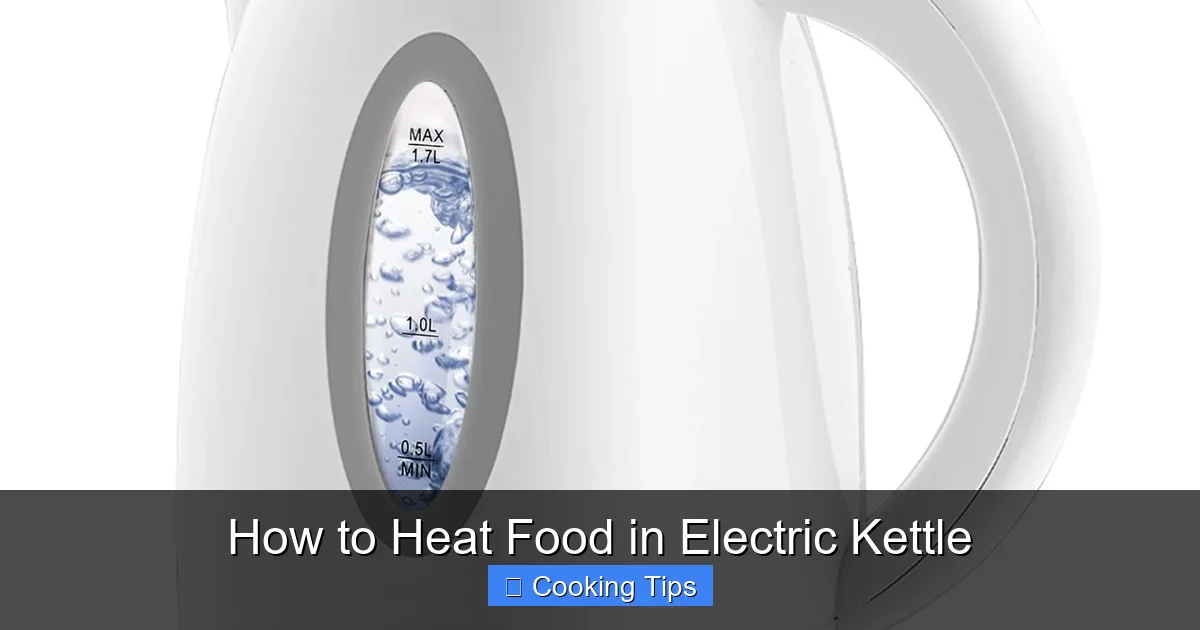
You’ll always need water in the kettle to facilitate the heating process. Ensure the water level is sufficient to create steam or heat the container, but not so high that it overflows when the container is placed inside. Always adhere to the minimum and maximum fill lines indicated on your kettle.
Supervise the Process
Never leave a heating electric kettle unattended, especially when heating food. Keep an eye on it to ensure everything is proceeding as expected and to prevent any accidents.
Methods for Heating Food in Your Electric Kettle
Visual guide about How to Heat Food in Electric Kettle
Image source: i.ytimg.com
Now that we’ve covered safety, let’s explore the practical ways you can heat food using your electric kettle.
Method 1: The Double Boiler (Indirect Water Bath) Technique
Visual guide about How to Heat Food in Electric Kettle
Image source: preview.free3d.com
This is the most common and safest method. It works similarly to a traditional double boiler, using the steam generated by hot water to gently heat your food.
Step 1: Prepare Your Food
Portion the food you wish to heat into a suitable heat-safe container (as discussed in the safety section). This could be leftovers, a small portion of soup, baby food, or even ingredients for a simple instant noodle dish.
Step 2: Add Water to the Kettle
Fill your electric kettle with water to the desired level. Ensure there’s enough water to create sufficient steam but also to avoid boiling dry. As a general guideline, fill it about halfway, or according to your kettle’s minimum fill line, plus enough to submerge the base of your food container by at least an inch.
Step 3: Place the Food Container Inside
Carefully place the container with your food into the empty kettle. Ensure it sits upright and is stable. If the container floats, you might need to place a smaller, heavier heat-safe object inside the kettle to help keep it submerged.
Step 4: Boil and Steam
Close the lid of your electric kettle and switch it on. The kettle will heat the water, generating steam. This steam will then circulate around your food container, gently warming the contents.
Step 5: Monitor and Stir (If Necessary)
The heating time will vary depending on the type and quantity of food, as well as your kettle’s power. For liquids like soups or stews, you might want to open the lid cautiously after a few minutes to stir the food. This helps ensure even heating and prevents the bottom from scorching. Be careful of escaping steam!
Step 6: Check for Warmth and Serve
Once your food is heated to your desired temperature, carefully remove the container using oven mitts or tongs. Be extremely cautious of hot steam and the hot container.
Practical Tip: For foods like instant noodles or couscous, you can add the dry ingredients to the container and pour the just-boiled water from the kettle directly over them, then cover the container. This method uses the kettle’s primary function for a quick meal.
Method 2: Direct Heating of Water for Other Uses
While not directly heating food *in* the kettle, this method leverages the kettle’s primary function to prepare ingredients for a meal.
Step 1: Boil Water
Fill your electric kettle with the required amount of water for your recipe.
Step 2: Prepare Other Ingredients
While the water is boiling, get your food items ready in a separate bowl or pot. This could be instant oatmeal, dried pasta, or ingredients for a simple soup.
Step 3: Pour and Cook
Once the kettle has boiled the water, carefully pour it directly over your food in the separate container. Cover and let it cook according to the food’s instructions.
Example: Making instant oatmeal. Add oatmeal to a bowl, boil water in your electric kettle, pour the hot water over the oatmeal, stir, and let it sit for a few minutes.
Method 3: Heating Small Portions of Liquids (with extreme caution)
This method is best suited for very small portions of liquids like baby formula or powdered drinks, and it requires utmost care.
Step 1: Use a Specific Heat-Safe Bottle or Cup
You will need a heat-safe baby bottle (glass or medical-grade silicone) or a small, narrow heat-safe cup.
Step 2: Fill Kettle with Water
Fill the kettle with water to just below the desired level for your food.
Step 3: Place Bottle/Cup Inside
Carefully place the bottle or cup inside the kettle. Ensure it is stable and doesn’t tip over.
Step 4: Heat Water to Desired Temperature
Turn on the kettle. You are aiming to warm the water in the bottle/cup, not to boil it vigorously. Monitor the process closely. You might need to switch the kettle on and off to achieve the right temperature, especially for delicate items like baby formula which shouldn’t exceed a certain temperature.
Step 5: Carefully Remove and Check Temperature
Once the liquid reaches the desired temperature, carefully remove the bottle/cup. For baby formula, always test the temperature on your wrist before feeding.
Important Note: This method is not recommended for regular use. It’s best for emergencies or when no other heating option is available. Overheating baby formula can destroy essential nutrients and create a scalding hazard.
Foods That Work Well (and Those to Avoid)
Not all foods are suitable candidates for electric kettle heating. Here’s a general guide:
Foods That Work Well:
- Leftover Soups, Stews, and Chilis: These are excellent candidates as they are already cooked and just need warming.
- Instant Noodles and Ramen: A classic use for boiling water, but you can also use the double boiler method for a more controlled heat.
- Oatmeal and Porridge: Especially instant varieties.
- Baby Food/Formula (with extreme caution): As detailed in Method 3, requires strict temperature control.
- Rehydrating Dried Foods: Such as dried fruits or certain types of beans (though cooking dried beans thoroughly this way is not advised).
- Warming Small Portions of Sauces: If you have a small amount of sauce that needs to be heated gently.
Foods to Avoid:
- Raw Meats, Poultry, or Fish: Electric kettles are not designed for cooking raw proteins. The indirect heating is not sufficient for safe cooking and can lead to unevenly cooked food, increasing the risk of foodborne illness.
- Delicate Foods: Such as eggs (unless pre-cooked and being gently warmed), delicate fish fillets, or some vegetables that require precise cooking.
- Foods Prone to Burning: Sugary sauces, dairy products that can scorch easily, or thick, starchy mixtures might not heat evenly and could burn at the bottom of the container.
- Large Quantities of Food: Electric kettles are typically small appliances and are best for single servings or small portions.
- Anything in a Non-Heat-Safe Container: As previously emphasized.
Troubleshooting Common Issues
Even with the best intentions, you might encounter a few bumps along the road.
My Food Isn’t Heating Up Enough
- Check Water Level: Ensure there’s enough water in the kettle to generate sufficient steam.
- Container Material: Thicker-walled containers might take longer to heat.
- Food Density: Very dense or frozen foods will naturally take longer.
- Kettle Power: Older or lower-wattage kettles might be less efficient.
- Lid Seal: Ensure the kettle lid is properly closed to trap heat and steam.
My Food is Heating Unevenly
- Stirring is Key: For liquids and semi-liquids, stir the food halfway through the heating process.
- Container Shape: A wider, shallower container might heat more evenly than a deep, narrow one.
- Container Placement: Ensure the container isn’t blocking the steam circulation in an odd way.
My Kettle Smells Funny After Heating Food
- Clean Thoroughly: This is the most common reason. Food residue can cling to the kettle’s interior. See the cleaning section below.
- Food Type: Certain strong-smelling foods (like curry) can leave lingering odors.
Cleaning and Maintaining Your Electric Kettle
After using your electric kettle to heat food, proper cleaning is essential. This not only prevents odors but also maintains the hygiene and longevity of your appliance.
Step 1: Unplug and Cool Down
Always unplug the kettle and allow it to cool down completely before cleaning.
Step 2: Empty and Rinse
Empty any remaining water and food residue. Rinse the interior with warm water.
Step 3: Gentle Scrubbing
For stubborn residue, use a soft cloth or sponge with a small amount of mild dish soap. Avoid abrasive scrubbers or steel wool, as these can scratch the interior.
Step 4: Descale Regularly
Mineral deposits (limescale) can build up over time, especially in hard water areas. Regularly descale your kettle by boiling a mixture of equal parts water and white vinegar, or by using a commercial descaling solution. Rinse thoroughly afterward to remove any vinegar smell.
Step 5: Wipe the Exterior
Wipe down the exterior of the kettle with a damp cloth.
Step 6: Dry Thoroughly
Ensure the kettle is completely dry before storing it to prevent moisture buildup.
Conclusion
In 2026, your electric kettle can be more than just a water boiler. With a little creativity and a strong emphasis on safety, you can transform it into a surprisingly versatile tool for heating a variety of foods. Remember to always prioritize safety by using appropriate containers and never submerging the heating element. The double boiler method is your best friend for indirect heating, ensuring your food warms up gently and evenly. While it won’t replace your main cooking appliances, mastering the art of heating food in your electric kettle can offer a convenient solution for quick meals, warming leftovers, or when you’re on the go. So, the next time you reach for your electric kettle, remember its hidden potential – it might just surprise you with its culinary capabilities!
