

Making delicious green tea with an electric kettle is surprisingly simple. This guide walks you through the entire process, from selecting the right tea to achieving the perfect steep. You’ll learn the importance of water temperature for green tea and how to get it right with your electric kettle, ensuring a smooth and flavorful experience. Get ready to enjoy a healthier, more enjoyable cup of green tea!
How to Make Green Tea in Electric Kettle
Welcome to the world of perfectly brewed green tea! If you’re looking to unlock the full, nuanced flavors of your favorite green tea leaves and avoid the common pitfall of bitterness, you’ve come to the right place. Many people think making a great cup of green tea is complicated, but with the right knowledge and your trusty electric kettle, it’s incredibly straightforward.
In this comprehensive guide, we’ll walk you through everything you need to know. We’ll cover how to choose the right green tea, the vital role of water temperature (and how your electric kettle can help you nail it!), the best brewing techniques, and even some troubleshooting tips. By the end, you’ll be confidently brewing a delicious, healthy, and refreshing cup of green tea every single time. Let’s get started on your journey to green tea perfection!
Key Takeaways
- Precise Temperature is Crucial: Green tea is sensitive to high temperatures; overheating can lead to a bitter taste. Your electric kettle can be a precise tool for this.
- Know Your Kettle’s Features: Many modern electric kettles offer variable temperature settings, which are ideal for green tea.
- Measure Your Tea Correctly: The right tea-to-water ratio is key to a balanced flavor.
- Steeping Time Matters: Over-steeping green tea will result in bitterness.
- Rinse Your Kettle: Regular cleaning ensures your tea tastes pure and free from mineral buildup.
- Experiment with Varieties: Different green teas have unique ideal brewing temperatures and times.
Why Your Electric Kettle is Perfect for Green Tea
Electric kettles have revolutionized the way we boil water. Gone are the days of guessing when water is hot enough. Modern electric kettles, especially those with variable temperature control, offer a level of precision that is absolutely essential for brewing green tea.
Green tea is a delicate beverage. Unlike black tea, which can often withstand boiling water, green tea leaves are easily scorched by excessive heat. This scorching releases tannins, which are the compounds responsible for that unpleasant, bitter taste that can ruin a good cup.
This is where your electric kettle shines. By allowing you to set a specific temperature, you can heat the water to the ideal range for your green tea without ever reaching a boil. This simple step makes a world of difference in the final taste of your brew.
Choosing Your Green Tea
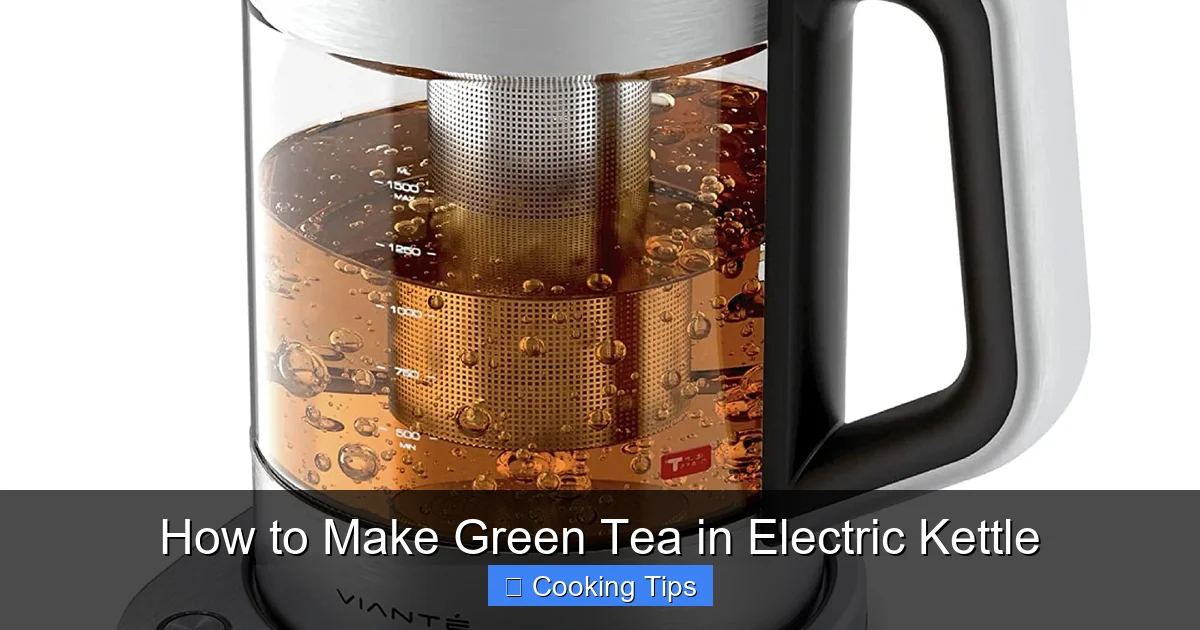
Visual guide about How to Make Green Tea in Electric Kettle
Image source: m.media-amazon.com
Before we get to brewing, let’s briefly touch on the tea itself. There’s a vast world of green teas out there, each with its own unique characteristics. Some popular varieties include:
- Sencha: A Japanese green tea, often grassy and slightly sweet.
- Matcha: A finely ground powder, traditionally whisked. (While not typically brewed in an electric kettle as a loose leaf, understanding its preparation highlights temperature sensitivity.)
- Gunpowder: A Chinese green tea, rolled into small pellets, with a slightly smoky flavor.
- Dragon Well (Longjing): A famous Chinese green tea known for its flat leaves and nutty, roasted notes.
- Jasmine Green Tea: Green tea leaves scented with jasmine blossoms, offering a floral aroma and taste.
The type of green tea you choose can influence the ideal water temperature and steeping time. Generally, lighter, more delicate green teas benefit from cooler water, while more robust ones can handle slightly hotter temperatures.
Step-by-Step Guide to Brewing Green Tea
Visual guide about How to Make Green Tea in Electric Kettle
Image source: m.media-amazon.com
Now, let’s get to the good part – brewing your perfect cup!
Step 1: Gather Your Supplies
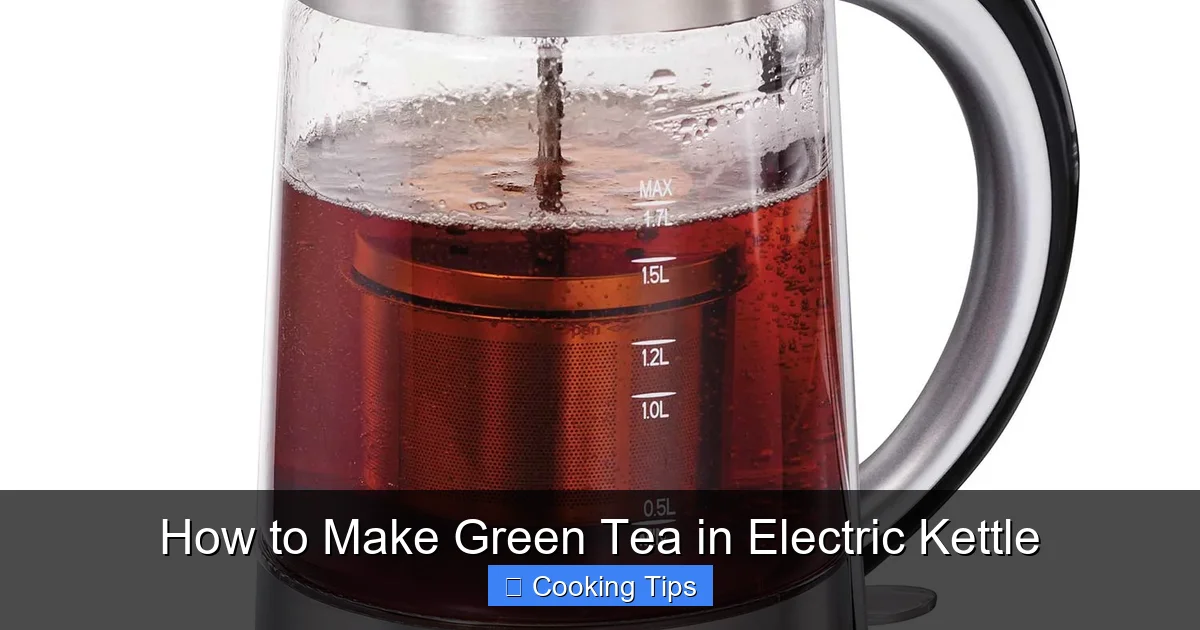
Visual guide about How to Make Green Tea in Electric Kettle
Image source: hamiltonbeach.com
You’ll need a few things to get started:
- Your chosen green tea leaves (loose leaf is generally preferred for flavor, but tea bags work too!)
- Your electric kettle
- A mug or teapot
- A tea infuser or strainer (if using loose leaf tea)
- Optional: A thermometer if your kettle doesn’t have temperature control
Step 2: Measure Your Green Tea
Getting the ratio right is key to a balanced flavor. A good starting point is:
- For loose leaf tea: Use about 1 teaspoon (2-3 grams) of tea leaves per 6-8 ounces (180-240 ml) of water.
- For tea bags: Use one tea bag per cup.
You can adjust this based on your personal preference for a stronger or weaker brew. If you’re using a teapot, you might want to add a little extra tea for the first cup, as some heat is lost when pouring.
Step 3: Heat Your Water to the Correct Temperature
This is the most crucial step for green tea. The ideal water temperature for most green teas falls between 160°F and 180°F (70°C to 82°C).
Using an Electric Kettle with Variable Temperature Control
If your electric kettle has a temperature setting feature, this is incredibly easy:
- Fill your electric kettle with fresh, cold water. Avoid using re-boiled water, as it can lose oxygen and affect the taste.
- Select the desired temperature setting on your kettle. If you’re unsure, start with 175°F (80°C).
- Press the start button and let the kettle heat the water. Most kettles with this feature will beep or shut off automatically when the target temperature is reached.
Using a Standard Electric Kettle
If your electric kettle doesn’t have temperature control, don’t worry! You can still achieve the right temperature with a little observation:
- Fill your electric kettle with fresh, cold water.
- Bring the water to a full boil (212°F / 100°C).
- Once it boils, unplug the kettle or turn it off.
- Let the water sit for about 1-3 minutes. The exact time will depend on your kettle and the ambient temperature of your kitchen. You’re aiming for the water to cool down to that 160°F-180°F (70°C-82°C) range.
Tip: If you have an instant-read thermometer, you can use it to check the water temperature after it’s been sitting. This is a great way to learn how long to let your kettle cool. Look for small bubbles forming at the bottom of the kettle or on the sides; this is often an indicator that the water is in the right temperature zone.
Step 4: Steep Your Green Tea
Now that your water is at the perfect temperature, it’s time to steep!
- If you’re using a teapot, warm it up by swirling some of the hot water inside and then discarding it. This helps maintain the brewing temperature.
- Place your loose leaf tea in an infuser or strainer, or place your tea bag in your mug or teapot.
- Pour the heated water over the tea leaves or tea bag.
- Cover the mug or teapot to retain heat.
Step 5: Time Your Steep
Steeping time is another critical factor. Over-steeping green tea can quickly lead to bitterness.
- General Guideline: Most green teas should steep for 1 to 3 minutes.
- Lighter Green Teas (e.g., Japanese Sencha): Often do well with shorter steeps, around 1-2 minutes.
- More Robust Green Teas (e.g., some Chinese varieties): Might benefit from 2-3 minutes.
Start with the lower end of the recommended time and taste your tea. You can always steep it a little longer if you prefer a stronger flavor, but you can’t undo bitterness. Many electric kettles can be programmed to start a timer after they’ve heated the water, which is a helpful feature.
Step 6: Remove the Tea Leaves or Bag
Once your steeping time is up, remove the tea infuser, strainer, or tea bag from your mug or teapot. This stops the brewing process and prevents the tea from becoming bitter.
Step 7: Enjoy Your Green Tea!
Your perfectly brewed cup of green tea is ready! Sip and savor the delicate flavors. You can enjoy it plain, or add a touch of honey or a slice of lemon if you prefer, though many green tea enthusiasts prefer it without any additions to fully appreciate its natural taste.
Practical Tips for Green Tea Perfection
* Use Fresh Water: Always use fresh, cold, filtered water for the best taste. Re-boiled water can taste flat.
* Don’t Overcrowd Your Infuser: Give your loose leaf tea plenty of room to expand and release its flavor.
* Consider a Second Steep: Many high-quality loose leaf green teas can be steeped multiple times. The flavor profile can change with each steep, often becoming more nuanced. Just add hot water (at the correct temperature!) to the same leaves.
* Adjust to Taste: These are general guidelines. Don’t be afraid to experiment with tea quantity, water temperature, and steeping time to find what you love.
* Clean Your Kettle: Regularly clean your electric kettle to prevent mineral buildup, which can affect the taste of your water and your tea.
Troubleshooting Common Green Tea Issues
Even with the best intentions, you might encounter a less-than-perfect cup. Here are some common issues and how to fix them:
My Green Tea is Bitter!
This is the most common problem. It’s almost always due to:
- Water that was too hot: You scalded the delicate green tea leaves. Next time, use cooler water, or let your boiled water sit longer.
- Steeped for too long: You over-extracted the tannins. Reduce your steeping time in future brews.
My Green Tea Tastes Weak or Watery
This usually means:
- Not enough tea: Use more loose leaf tea or an extra tea bag.
- Water not hot enough: While green tea needs cooler water than black tea, it still needs sufficient heat to extract flavor. Ensure your water is within the 160°F-180°F range.
- Too short a steeping time: Try steeping for a minute or two longer.
My Electric Kettle Has Scale Buildup
Mineral deposits (scale) can build up inside your kettle over time, affecting its performance and the taste of your water.
- Solution: Descale your kettle regularly. Most manufacturers provide instructions for this. A common method is to fill the kettle with equal parts white vinegar and water, bring it to a boil, let it sit for an hour, and then rinse thoroughly.
Conclusion
Brewing a perfect cup of green tea in your electric kettle is an achievable and rewarding process. By understanding the importance of water temperature and steeping time, and by utilizing the precision your electric kettle offers, you can transform your daily tea ritual into an experience of pure flavor and relaxation. Remember to experiment with different teas and adjust the parameters to suit your personal taste. With a little practice, you’ll be consistently brewing delicious, healthy green tea that you’ll look forward to every day. Happy brewing!
