

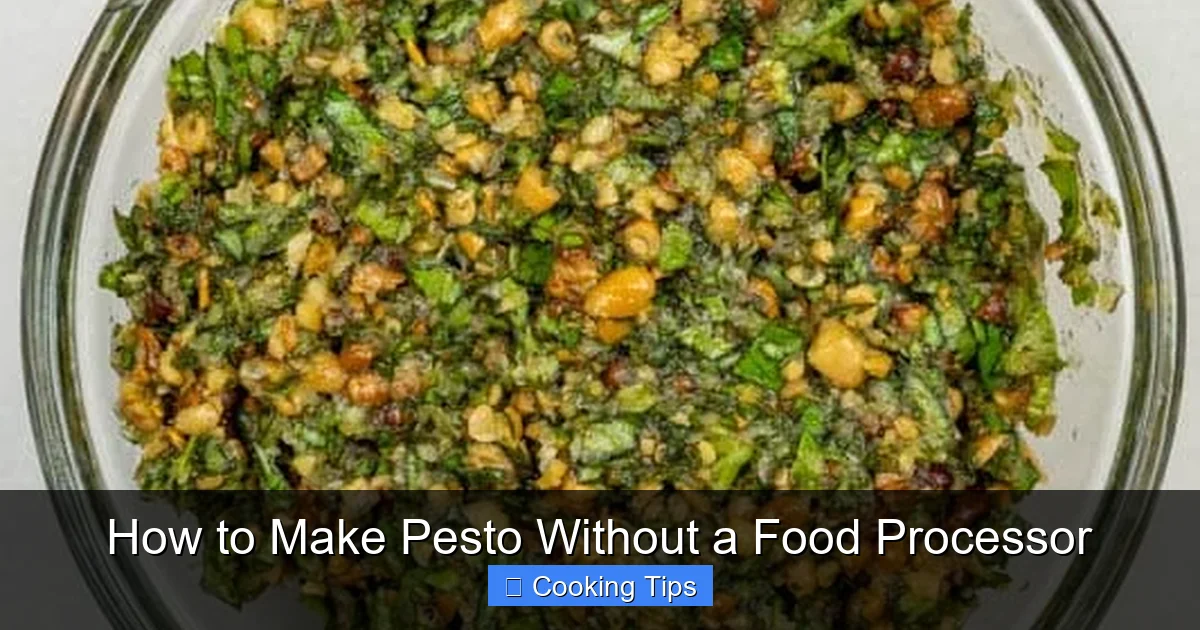
Discover how to create vibrant, flavorful pesto using traditional kitchen tools. This guide details methods like using a mortar and pestle or a knife, ensuring you can enjoy homemade pesto anytime. You’ll learn the essential steps to achieve the perfect texture and taste, proving that a food processor isn’t a necessity for this classic Italian sauce.
- Mastering the Mortar and Pestle: Understand the traditional technique for achieving a finely textured pesto by grinding ingredients slowly and methodically.
- Knife Skills for Pesto: Learn how to finely mince herbs and nuts with a sharp knife for a pesto that still boasts great flavor, even without a machine.
- Ingredient Selection is Key: Emphasize the importance of fresh, high-quality basil, good olive oil, and toasted nuts for the best flavor outcome.
- Texture Control: Discover how different tools and techniques influence the final texture of your pesto, from smooth to delightfully chunky.
- Customization is Encouraged: Explore ways to adapt the recipe with different nuts, cheeses, and herbs to suit your personal taste preferences.
- Storage Tips for Freshness: Learn how to properly store your homemade pesto to maintain its vibrant color and delicious taste for longer.
How to Make Pesto Without a Food Processor
Pesto. Just the word can evoke images of vibrant green sauce, bursting with the fresh flavor of basil, garlic, pine nuts, and Parmesan cheese. It’s a staple in Italian cuisine and a fantastic way to elevate pasta dishes, sandwiches, pizzas, and more. Traditionally, pesto is made using a mortar and pestle, a testament to its rustic origins. While many modern kitchens rely on food processors for speed and convenience, you absolutely do not need one to make delicious, authentic pesto. In fact, some argue that the manual method yields a superior flavor and texture.
If your food processor is out of commission, or if you simply want to connect with a more traditional culinary approach, this guide is for you. We’ll walk you through two primary methods for making pesto without a food processor: the classic mortar and pestle technique and a handy knife-based approach. Get ready to discover the satisfaction of creating this beloved sauce with just a little elbow grease and some basic kitchen tools.
Understanding the Core Ingredients
Before we dive into the methods, let’s quickly touch on the star players in any pesto recipe:
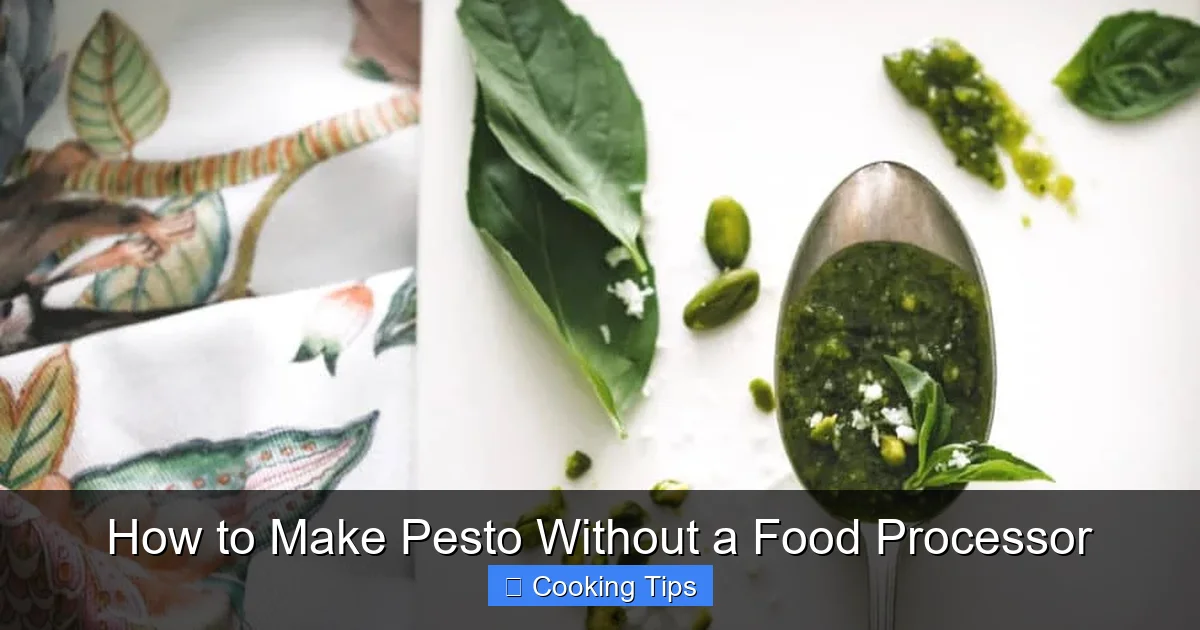
Visual guide about How to Make Pesto Without a Food Processor
Image source: georgiapellegrini.com
- Fresh Basil: This is non-negotiable. Use the freshest, most vibrant basil leaves you can find. Genovese basil is the traditional choice, known for its sweet, slightly peppery flavor.
- Garlic: Fresh garlic is essential. You can adjust the amount to your liking, but start with a clove or two.
- Pine Nuts: These small nuts offer a delicate, buttery flavor. Toasting them lightly before use intensifies their aroma and taste.
- Parmesan Cheese: Freshly grated Parmesan-Reggiano is ideal. Its salty, nutty notes are crucial.
- Olive Oil: A good quality extra virgin olive oil will bind everything together and contribute to the overall flavor.
- Salt: To enhance all the flavors.
Method 1: The Classic Mortar and Pestle Technique
This is the time-honored way to make pesto, and it’s a wonderfully meditative cooking process. The slow grinding action breaks down the ingredients, releasing their essential oils and creating a unique, slightly coarser texture that many prefer.
Visual guide about How to Make Pesto Without a Food Processor
Image source: kitchenadvising.com
Step 1: Prepare Your Ingredients
Gather your fresh basil leaves. You’ll want about 2 cups, packed. Gently wash and thoroughly dry them. Any excess water will dilute the flavor and affect the consistency. Peel and mince your garlic. If you’re using pine nuts, toast them lightly in a dry skillet over medium-low heat until they are fragrant and just starting to turn golden. Watch them closely; they burn quickly!
Step 2: Grind the Garlic and Pine Nuts
Place your peeled garlic cloves into the mortar. Add a pinch of coarse salt. The salt acts as an abrasive, helping to break down the garlic more effectively. Begin to pound and grind the garlic against the sides and bottom of the mortar with the pestle. Work in a circular motion, crushing the garlic into a paste.
Next, add your toasted pine nuts to the mortar. Continue to grind and pound, working the pine nuts into the garlic paste. You want to break them down, but not completely pulverize them. A slightly textured result is desirable.
Step 3: Add the Basil
Add the basil leaves to the mortar, a handful at a time. This is where the patience comes in. You need to grind the basil against the sides of the mortar with the pestle, crushing it as you go. Don’t just mash it straight down; use a rolling and grinding motion. As the basil breaks down, it will release its vibrant green color and fragrant oils.
Continue adding basil and grinding until all the leaves are incorporated and you have a coarse paste. You’re aiming for a consistency where the basil is finely chopped but still has some discernible texture. This is what differentiates it from a food processor’s puree.
Step 4: Incorporate the Cheese and Olive Oil
Once the basil is well-ground, add your freshly grated Parmesan cheese to the mortar. Grind and stir to combine it with the basil mixture. Finally, slowly drizzle in the extra virgin olive oil while stirring. Start with about 1/4 cup and add more as needed until you reach your desired consistency. You’re looking for a thick but pourable sauce. Taste and adjust seasoning with salt if necessary.
Method 2: The Knife and Cutting Board Technique
Don’t have a mortar and pestle? No problem! With a sharp knife and a sturdy cutting board, you can achieve a fantastic pesto. This method relies on finely mincing your ingredients to mimic the texture you’d get with a food processor, but with a bit more control over the chop.
Visual guide about How to Make Pesto Without a Food Processor
Image source: homesguide.co.uk
Step 1: Prepare Your Ingredients
As with the mortar and pestle method, start with fresh basil, peeled garlic, toasted pine nuts, and grated Parmesan cheese. Make sure your basil leaves are dry. Toast your pine nuts for enhanced flavor. Peel and mince your garlic cloves very finely.
Step 2: Finely Mince the Basil
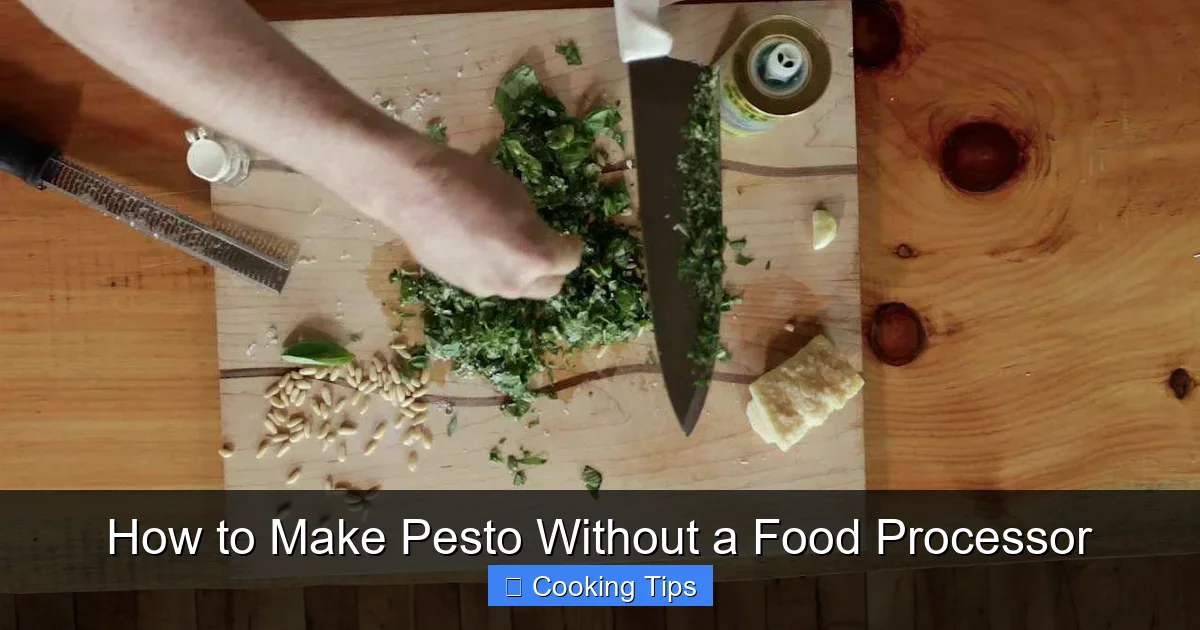
Gather your basil leaves and stack them neatly on your cutting board. You can also roll them up into a tight cylinder (this is called a “chiffonade” technique) before stacking for easier cutting. Using a very sharp chef’s knife, begin to finely chop the basil. Work in a back-and-forth motion, mincing the leaves until they are as fine as you can get them. The goal is to break down the cell walls to release the aromatic oils.
You can continue to mince until you have a fine green paste-like consistency, or leave it slightly chunkier, depending on your preference. Scrape the minced basil into a bowl.
Step 3: Mince the Garlic and Pine Nuts
Finely mince the garlic cloves. You can do this separately or mince them very finely with the toasted pine nuts. If mincing together, place the garlic and pine nuts on the cutting board and chop them together until they form a coarse paste.
Add the minced garlic and pine nut mixture to the bowl with the minced basil.
Step 4: Combine and Add Cheese and Olive Oil
Add your freshly grated Parmesan cheese to the bowl. Stir everything together with a spoon. Now, begin to drizzle in the extra virgin olive oil, stirring constantly. Add the olive oil gradually, about 1 tablespoon at a time, until you achieve your desired pesto consistency. You want a sauce that’s thick enough to coat pasta but not stiff.
Taste and season with salt as needed. The salt will help to meld all the flavors together.
Tips for Success
No matter which method you choose, here are a few extra tips to elevate your homemade pesto:
- Quality Matters: Use the best ingredients you can find. Fresh basil, good olive oil, and real Parmesan cheese make a significant difference.
- Toast Your Nuts: This step is crucial for flavor. It only takes a few minutes and is well worth the effort.
- Don’t Overdo the Garlic: Start with less garlic if you’re unsure. You can always add more, but you can’t take it away.
- Adjust the Texture: If you prefer a smoother pesto, keep grinding (with the mortar and pestle) or mincing (with the knife) for longer. For a chunkier pesto, stop sooner.
- Experiment with Variations: Don’t be afraid to swap ingredients! Try walnuts or almonds instead of pine nuts, or add a pinch of red pepper flakes for a little heat. You can also mix in other herbs like parsley or mint along with the basil.
Troubleshooting Common Pesto Problems
Even with the best intentions, things can sometimes go awry. Here are a few common issues and how to fix them:
- Pesto is too bitter: This can sometimes happen with basil. Ensure your basil is fresh and hasn’t wilted. If it’s still a bit bitter, a tiny pinch of sugar can help balance it, or a bit more Parmesan cheese.
- Pesto is too oily: You’ve likely added too much olive oil. You can try to salvage it by adding a bit more basil or cheese to absorb some of the oil. Next time, add the oil more gradually.
- Pesto is too dry/thick: This is an easy fix! Simply stir in more olive oil, a tablespoon at a time, until you reach the desired consistency.
- Pesto is brown or oxidized: This usually happens if pesto is exposed to air for too long. The best way to prevent this is to store it properly. If it has already turned, it might still be edible, but the fresh flavor and color will be diminished.
Storing Your Homemade Pesto
Once your pesto is made, you’ll want to store it properly to keep it fresh. The key is to prevent oxidation.
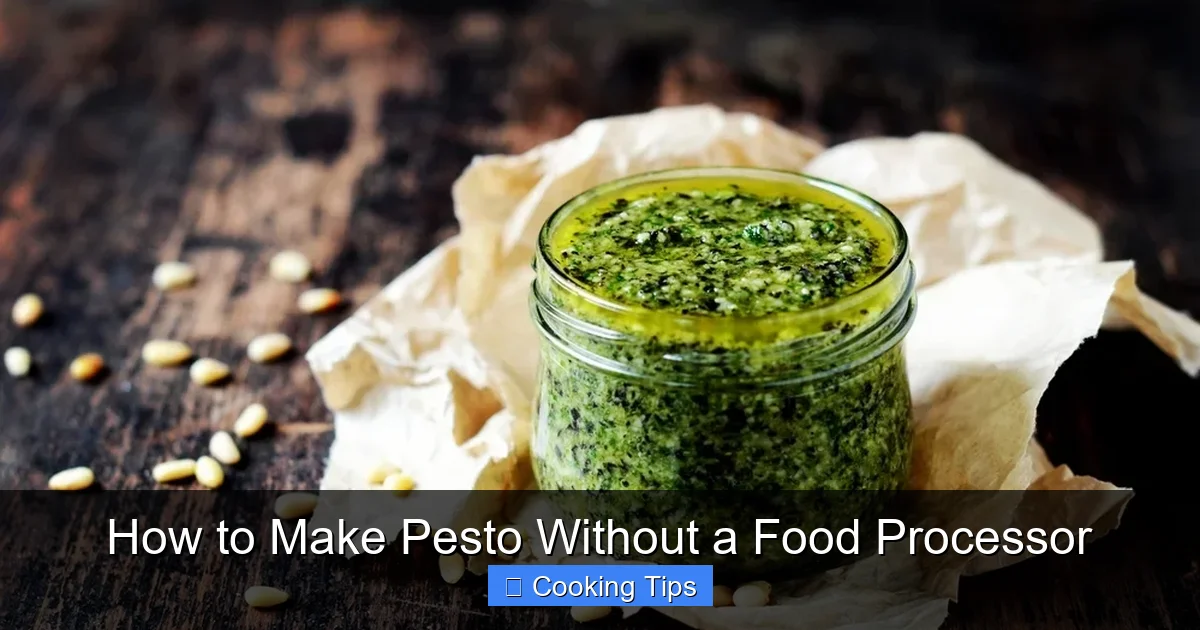
- In the Refrigerator: Transfer your pesto to an airtight container. To further protect it from air, pour a thin layer of olive oil over the top of the pesto before sealing the container. It should keep well in the refrigerator for about 3-5 days.
- Freezing: Pesto freezes beautifully! You can freeze it in an ice cube tray, which is perfect for portioning out smaller amounts. Once frozen, transfer the pesto cubes to a freezer-safe bag or container. Frozen pesto can last for several months.
Conclusion
Making pesto without a food processor is not only possible but can be a truly rewarding culinary experience. Whether you embrace the rhythmic pounding of the mortar and pestle or the precise chopping of a knife, you’re creating a fresh, vibrant sauce from scratch. The process itself can be a calming ritual, and the resulting flavor is often richer and more nuanced than what a machine can produce. So, the next time you crave that classic pesto flavor, don’t let the absence of a food processor deter you. Roll up your sleeves, gather your ingredients, and enjoy the delicious outcome of your own handcrafted pesto!
