

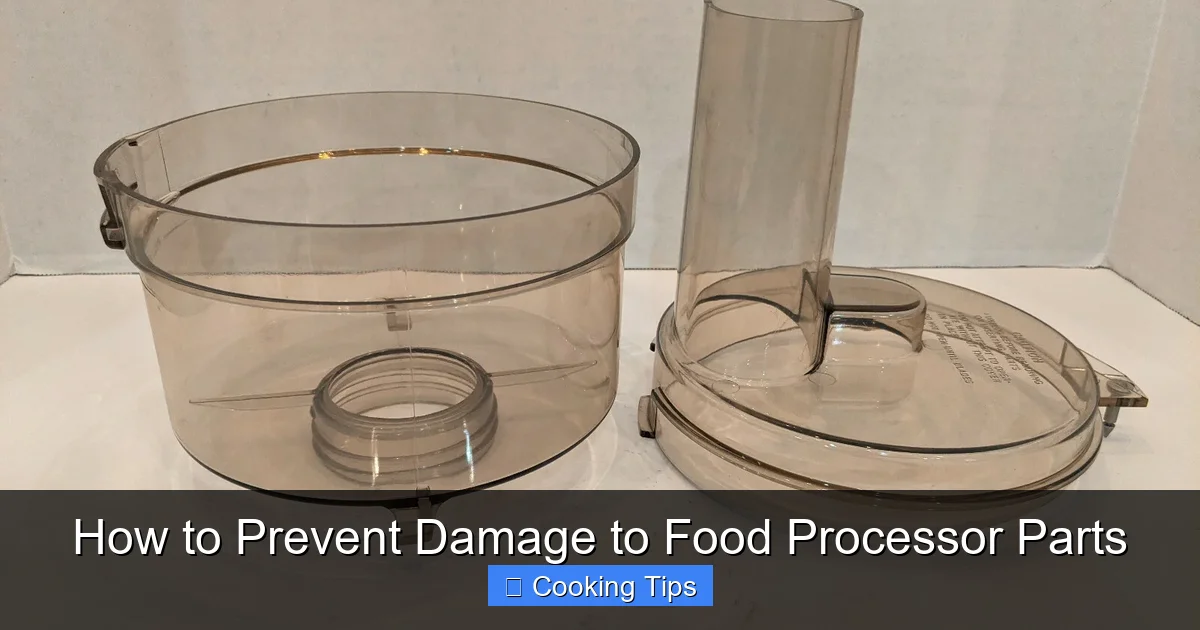
Keep your food processor in top condition to enjoy effortless meal prep for years to come. This guide offers practical advice on cleaning, assembly, and maintenance to prevent damage to your food processor’s vital parts. By following these steps, you’ll extend its lifespan and ensure it always performs at its best.
Key Takeaways
- Proper Cleaning is Crucial: Always disassemble and thoroughly clean parts after each use to prevent food buildup that can cause corrosion or damage.
- Handle Blades with Care: Food processor blades are extremely sharp. Use caution during assembly, disassembly, and cleaning to avoid cuts and prevent dulling or bending them.
- Correct Assembly Prevents Stress: Ensure all parts are correctly seated and locked into place before operating. Misalignment can lead to motor strain and part breakage.
- Avoid Overloading: Never force large quantities of food into the processor. Overloading strains the motor and can damage the blade assembly or bowl.
- Understand Your Model: Familiarize yourself with your specific food processor’s manual for unique operating and care instructions.
- Regular Maintenance Pays Off: Periodically check for wear and tear on seals, blades, and the motor housing to address issues before they become serious.
How to Prevent Damage to Food Processor Parts
Your food processor is a kitchen workhorse. It can chop, blend, puree, and mix with amazing speed. But like any appliance, it needs a little TLC to keep it running smoothly. Damaged parts can mean costly repairs or even a premature end to your beloved kitchen gadget. This guide will show you exactly how to prevent damage to your food processor parts, ensuring it stays a reliable companion for years to come.
We’ll cover everything from proper handling and cleaning to assembly and storage. By the end of this guide, you’ll have the knowledge to keep your food processor in pristine condition and avoid common pitfalls that lead to damage. Let’s dive in and protect your investment!
Understanding Your Food Processor Parts
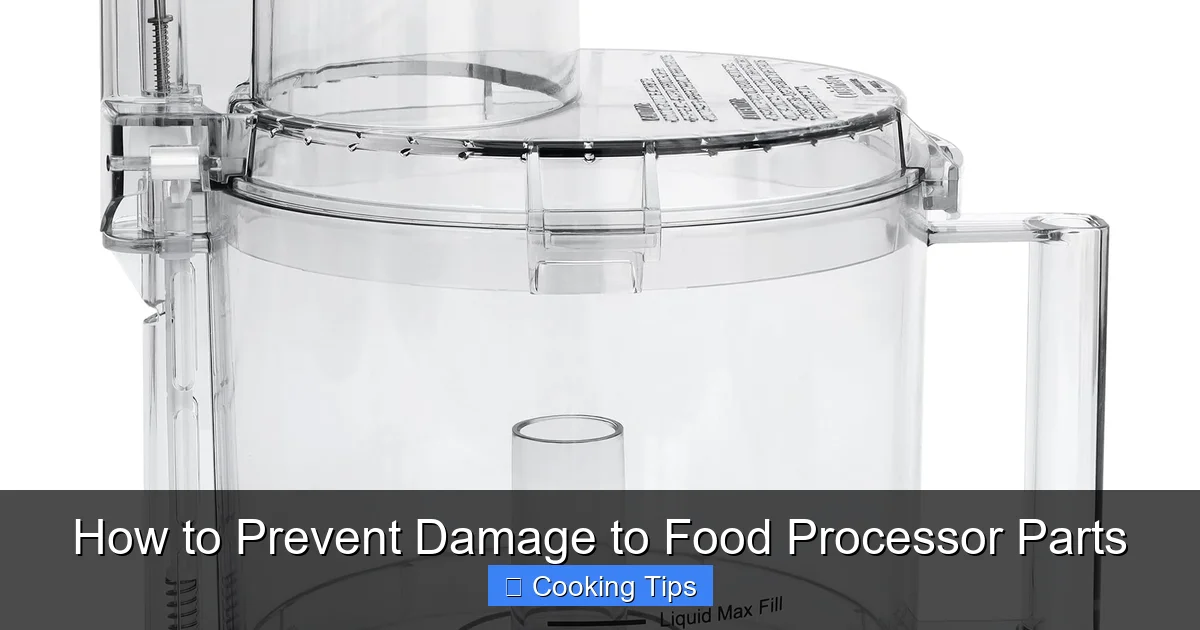
Before we get into prevention, it’s helpful to know the key components of your food processor. Each part plays a vital role, and understanding them will help you appreciate how to care for them.
Visual guide about How to Prevent Damage to Food Processor Parts
Image source: m.media-amazon.com
- Motor Base: This is the heart of your food processor, housing the powerful motor. It should never be submerged in water.
- Work Bowl: This is where the magic happens. It’s typically made of durable plastic and attaches securely to the motor base.
- Lid: The lid secures the bowl and usually has a feed tube for adding ingredients while the processor is running.
- Feed Tube and Pusher: The feed tube allows you to add ingredients. The pusher helps guide them down safely.
- Blades and Discs: These are the sharpest and most crucial parts. They come in various shapes and sizes for different tasks (e.g., chopping blade, slicing disc, shredding disc).
- Seals and Gaskets: These rubber or silicone parts create a watertight seal between the bowl, lid, and sometimes the blade assembly.
Step-by-Step Guide to Preventing Damage
Preventing damage is all about mindful usage and consistent care. Follow these steps to keep your food processor in top shape.
Visual guide about How to Prevent Damage to Food Processor Parts
Image source: cuisinart.com
1. Proper Assembly and Disassembly
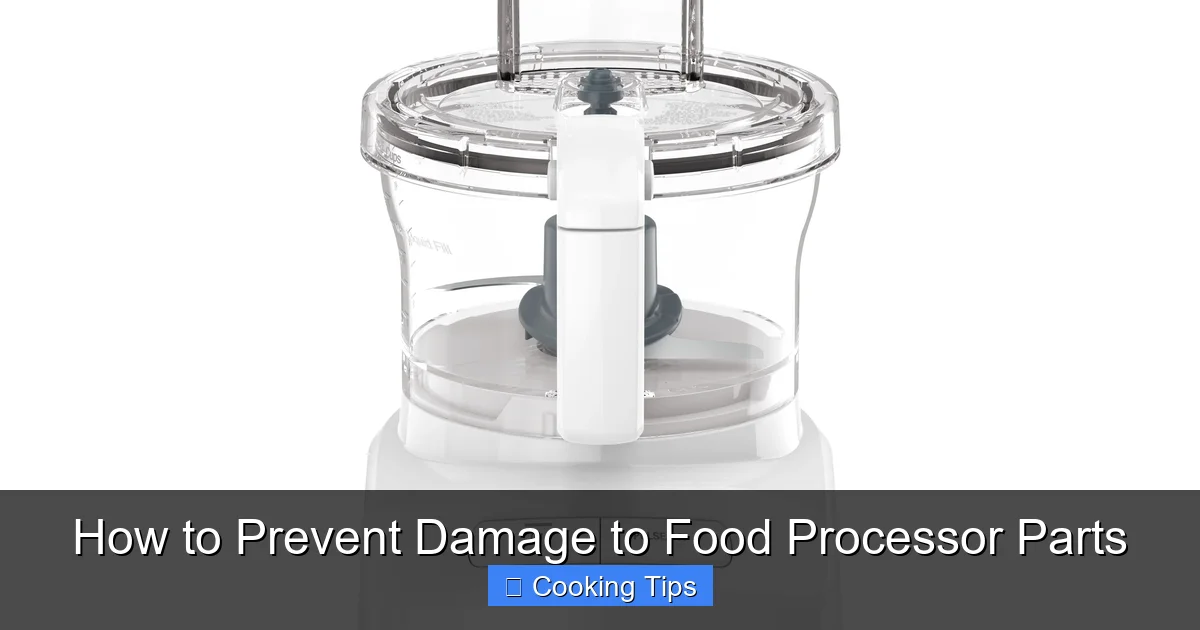
Incorrect assembly is a common culprit behind damaged food processor parts. Take your time to ensure everything is aligned and secured.
Visual guide about How to Prevent Damage to Food Processor Parts
Image source: i.ebayimg.com
Always Consult Your Manual
Every food processor is a bit different. Your user manual is the ultimate guide for your specific model. It will detail how to properly lock the bowl, attach the lid, and insert the blades or discs. Don’t assume all food processors work the same way!
Secure the Bowl and Lid
Before adding any ingredients or attachments, ensure the work bowl is properly seated on the motor base. You should hear or feel it click into place. Similarly, the lid must be securely locked onto the bowl. Many food processors have safety mechanisms that prevent them from operating if the bowl or lid isn’t correctly secured. Forcing them can damage the locking tabs.
Handle Blades and Discs with Extreme Caution
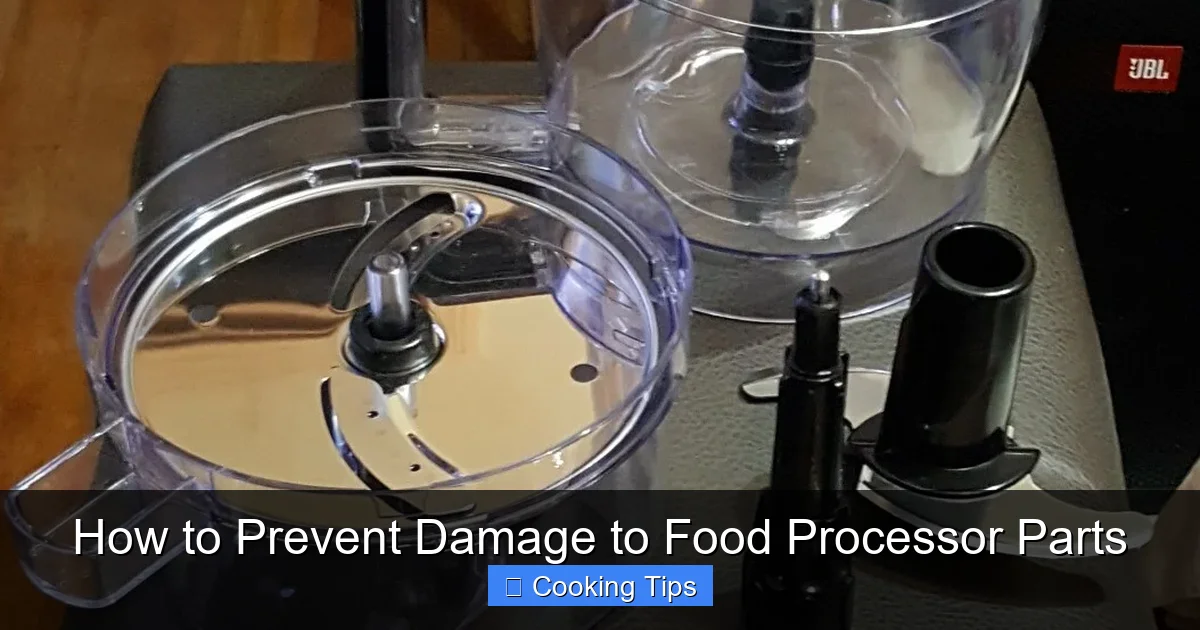
These parts are incredibly sharp. Always handle them by their central hub, avoiding the cutting edges. When inserting or removing them, do so slowly and deliberately. Rushing can lead to nicks on your fingers or damage to the blade’s edge if it hits the side of the bowl forcefully.
Ensure Proper Seating of Attachments
Whether it’s a blade, disc, or dough hook, make sure it’s fully seated on its post or spindle within the bowl. A loosely fitted attachment can wobble during operation, causing undue stress on the motor and potentially chipping or breaking the attachment itself.
2. Smart Operation and Usage
How you use your food processor directly impacts its longevity. Avoid common mistakes that can lead to strain and breakage.
Don’t Overload the Bowl
This is perhaps the most critical rule. Overfilling the work bowl forces the motor to work harder, leading to overheating and potential burnout. It can also strain the blade assembly. Follow the maximum fill lines indicated in your manual. If you have a large batch, process it in several smaller batches.
Cut Food into Manageable Pieces
Before adding ingredients, cut them into smaller, uniform pieces. Large, whole items are harder for the blades to process, leading to uneven results and motor strain. This also helps prevent larger pieces from jamming the blade assembly.
Avoid Processing Very Hard or Frozen Items (Unless Specified)
Most standard food processors are not designed to handle extremely hard items like ice cubes, coffee beans, or rock-hard frozen fruits for extended periods. These can dull or even chip the blades. If your model has a specific function for these tasks, use it as directed. Otherwise, opt for a blender or other specialized appliance.
Use the Pulse Function Appropriately
The pulse function is your friend for controlling texture and preventing over-processing. Use short bursts of power to chop or mix. Holding the button down continuously can sometimes lead to over-processing and excessive motor heat.
Scrape Down the Sides
Periodically stop the processor and use a spatula to scrape down the sides of the bowl. This ensures even processing and reduces the need to overwork the motor trying to catch those stray bits.
3. Meticulous Cleaning and Maintenance
Regular and proper cleaning is essential for preventing damage and maintaining hygiene.
Immediate Cleaning is Best
The sooner you clean your food processor after use, the easier it will be. Dried-on food particles are harder to remove and can sometimes cause staining or even corrosion on plastic or metal parts.
Disassemble Completely
Always take apart all removable components for cleaning. This includes the bowl, lid, feed tube, pusher, and blade assembly. Don’t forget to check the seal around the blade spindle for trapped food.
Hand Wash Delicate Parts
While many food processor parts are dishwasher-safe, it’s often best to hand wash the blades and the seals. The high heat and harsh detergents in dishwashers can dull blades over time and degrade the rubber or silicone seals, making them less effective and prone to cracking.
Tip: Use a soft sponge or brush and warm, soapy water. For stubborn bits, you can soak the parts for a short period.
Clean the Motor Base Carefully
Never submerge the motor base in water. This can cause irreparable electrical damage. Wipe it down with a damp cloth. If there’s dried-on food, use a slightly damp cloth and mild soap, ensuring no liquid seeps into the vents or motor housing. Dry it thoroughly immediately.
Dry All Parts Thoroughly
Before reassembling or storing, ensure all parts are completely dry. Moisture can lead to mold growth or rust on metal components over time.
Inspect for Wear and Tear
As you clean, take a moment to inspect your parts. Look for any cracks in the plastic bowl or lid, nicks or dullness on the blades, or tears in the seals. Addressing these issues early can prevent more significant problems.
4. Proper Storage
How you store your food processor can also prevent damage.
Store Assembled (Carefully) or Separately
Some people prefer to store their food processor partially assembled, with the blade inside the bowl and the lid loosely on top. If you do this, ensure the blade is placed in a way that it doesn’t come into contact with the bowl’s sides, which can cause scratches or dull the blade. Alternatively, store the bowl, lid, and blades separately to protect each component.
Protect Blades
If storing blades separately, consider using blade covers if your model came with them. This protects the sharp edges and prevents accidental cuts when reaching into storage areas.
Keep it Clean and Dry
Ensure the storage area is clean and dry to prevent dust accumulation and moisture damage.
Troubleshooting Common Damage Issues
Sometimes, despite our best efforts, minor issues can arise. Here’s how to address them:
- Wobbly Blade: This could indicate an improperly seated blade or a worn-out spindle on the motor base. Ensure the blade is fully locked in. If the problem persists, contact the manufacturer.
- Leaking Bowl: Check the seal at the bottom of the blade assembly and the seal between the bowl and the lid. These might need replacing if they are cracked or degraded.
- Motor Overheating: This is usually a sign of overloading. Ensure you’re not processing too much food at once and that the food is cut into manageable pieces. Allow the motor to cool down completely before using it again.
- Cracked Bowl or Lid: Unfortunately, a cracked work bowl or lid usually means the part needs to be replaced. Minor hairline cracks might still be usable, but larger ones pose a safety risk.
Conclusion
By implementing these simple practices, you can significantly extend the life of your food processor and ensure it continues to be a valuable asset in your kitchen. Remember, gentle handling, thorough cleaning, and mindful operation are the keys to preventing damage to its delicate and essential parts. Treat your food processor with care, and it will reward you with years of efficient and enjoyable food preparation.
