

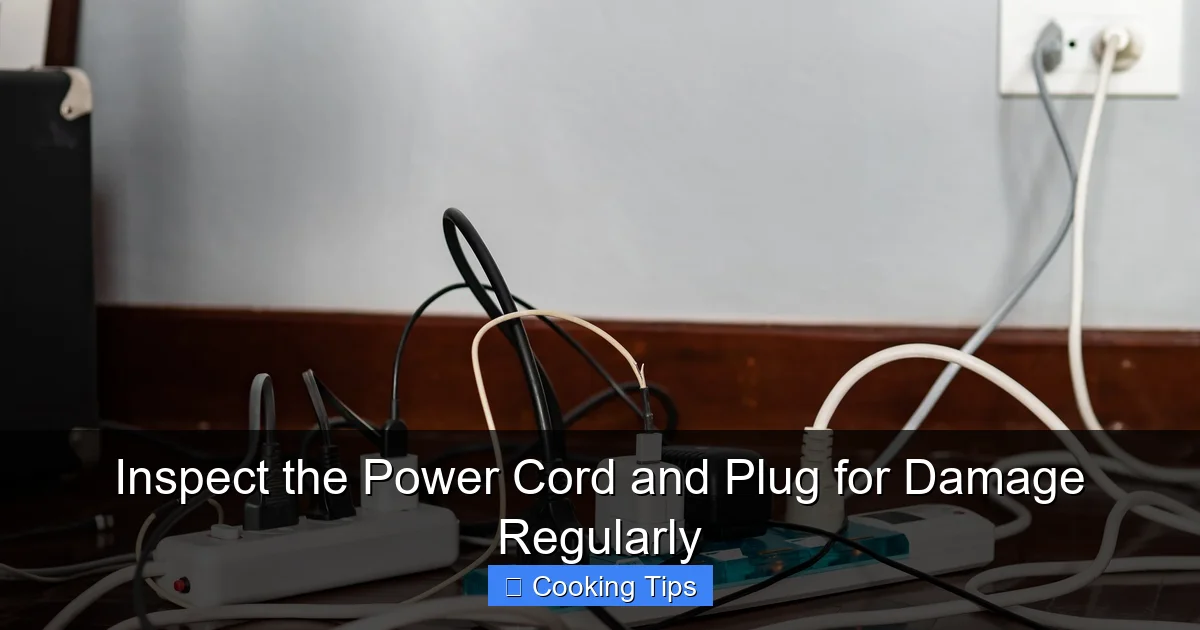
This guide teaches you how to safely and regularly inspect power cords and plugs for your kitchen appliances. Discover the tell-tale signs of damage, understand the risks of neglecting this simple maintenance, and learn how to perform a thorough inspection. Protect yourself and your home by making this essential safety check a habit.
Are you tired of worrying about the safety of your kitchen appliances? Do you ever wonder if that frayed power cord is a ticking time bomb? You’re not alone! In our busy kitchens, it’s easy to overlook the simple yet vital task of inspecting the power cord and plug for damage regularly. But this small act can make a huge difference in preventing electrical fires, shocks, and ensuring your appliances last longer.
This guide is your comprehensive resource for mastering the art of power cord and plug inspection. We’ll walk you through exactly what to look for, how to do it safely, and what to do if you find something concerning. By the end of this guide, you’ll have the confidence and knowledge to keep your kitchen a safe haven for delicious creations. Let’s dive in and make appliance safety a priority!
Key Takeaways
- Regular Inspection Prevents Hazards: Consistently checking power cords and plugs is crucial for preventing electrical fires, shocks, and appliance malfunctions.
- Know What to Look For: Learn to identify common signs of damage like frayed wires, cracked insulation, bent prongs, and burn marks.
- Safe Handling is Key: Always unplug appliances before inspecting their power cords to avoid accidental shocks.
- Proper Usage Matters: Understand how correct usage, such as avoiding kinks and strain, prolongs the life of power cords.
- When to Replace: Recognize when a damaged cord or plug is beyond repair and requires immediate replacement for safety.
- Professional Help is Sometimes Needed: For complex issues or uncertainty, consult a qualified electrician for repairs or advice.
Why Regular Inspection is Crucial
It might seem like a minor detail, but a damaged power cord or plug can have serious consequences. Think of the power cord as the lifeline for your appliance, carrying electricity from the wall outlet to the device. If this lifeline is compromised, it opens the door to several dangers.
Firstly, **electrical fires** are a significant risk. Exposed wires can short circuit, creating sparks that can easily ignite nearby flammable materials, such as dish towels or paper products. This is especially concerning in a kitchen environment where grease and dust can accumulate.
Secondly, **electric shock** is another serious hazard. Damaged insulation on a cord means the live wires are exposed. Touching these exposed wires can result in a painful and potentially life-threatening electric shock. This is particularly dangerous for children and pets who might not understand the risks.
Finally, a damaged cord can **damage your appliance**. If the connection is loose or intermittent due to a faulty plug or cord, it can lead to inconsistent power supply, causing the appliance to malfunction or even break down completely. Regular inspection helps identify these issues before they cause more extensive damage.
When and How Often Should You Inspect?
Visual guide about Inspect the Power Cord and Plug for Damage Regularly
Image source: jjkellersafety.com
The frequency of your inspections depends on how often you use the appliance. For frequently used appliances like your toaster, coffee maker, or microwave, a **quick visual check every week or two** is a good idea. For less frequently used items, such as your stand mixer or blender, an inspection **once a month** should suffice.
Beyond a regular schedule, it’s also wise to inspect your power cords and plugs **anytime you notice something unusual**. This includes:
* If an appliance is behaving erratically (e.g., making strange noises, not powering on consistently).
* If you accidentally yank, pull, or strain a cord.
* After cleaning an appliance, especially if you had to move its power cord.
* If you’ve recently moved or rearranged your kitchen appliances.
Step-by-Step Guide to Inspecting Power Cords and Plugs
Visual guide about Inspect the Power Cord and Plug for Damage Regularly
Image source: c8.alamy.com
Safety first! Before you begin any inspection, always ensure the appliance is **unplugged from the wall outlet**. This is the most critical step to prevent any risk of electric shock.
Step 1: Inspect the Plug
Visual guide about Inspect the Power Cord and Plug for Damage Regularly
Image source: hls.ie
The plug is the part that connects your appliance to the electrical outlet. It’s subjected to a lot of plugging and unplugging, so it’s prone to wear and tear.
1.1 Check the Prongs
* **Look for bending or distortion:** The prongs should be straight and firm. If they are bent, try to gently straighten them with pliers, but be careful not to apply too much force, as they can break.
* **Examine for discoloration or burn marks:** Any brown or black marks on the prongs indicate overheating or arcing, which is a serious fire hazard.
* **Ensure they are securely attached:** Gently wiggle the prongs where they connect to the plug body. They should feel solid and not loose.
1.2 Inspect the Plug Body
* **Look for cracks or damage:** The plastic casing of the plug should be intact. Cracks can expose the internal wiring.
* **Check for melted or discolored areas:** This is a sign of overheating.
* **Ensure the cord is firmly secured to the plug:** The strain relief (the flexible part where the cord enters the plug) should not be cracked or pulling away from the plug body.
Step 2: Inspect the Power Cord
The power cord runs from the plug to the appliance. This is often the most vulnerable part, as it can be pinched, frayed, or cut.
2.1 Examine the Entire Length of the Cord
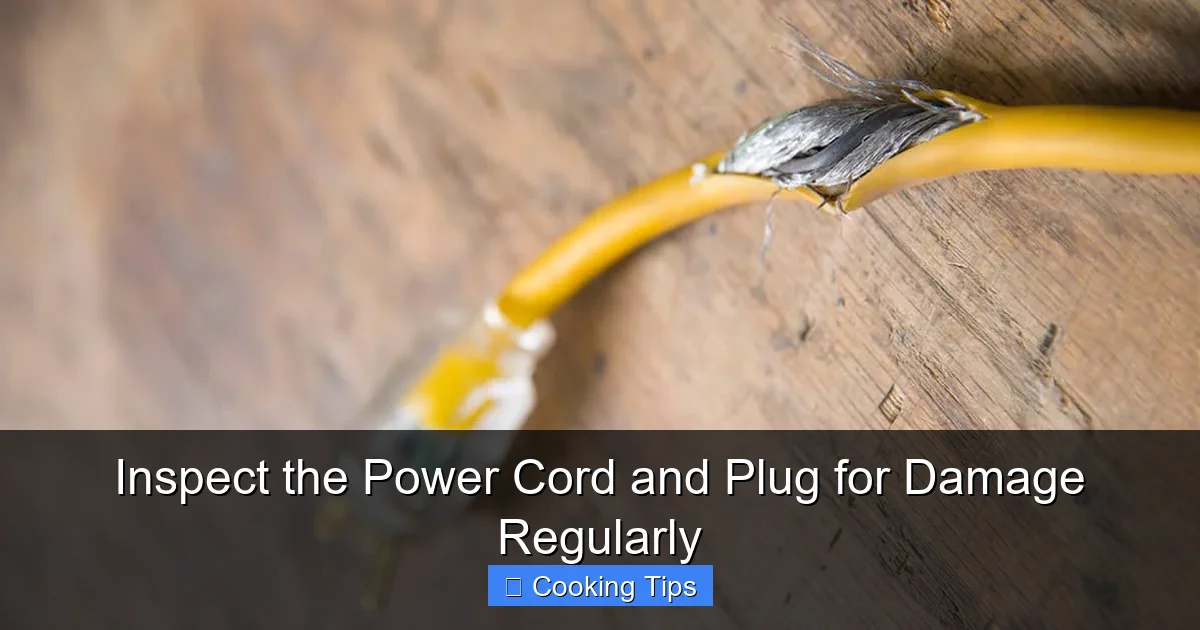
* **Look for frays or exposed wires:** Gently run your fingers along the entire length of the cord, feeling for any rough patches or areas where the outer insulation is damaged, revealing inner wires. Pay close attention to areas that bend or are often moved.
* **Check for cuts, nicks, or punctures:** Any breach in the outer insulation is a potential hazard.
* **Inspect for signs of melting or burning:** Similar to the plug, these indicate overheating.
* **Ensure there are no kinks or knots:** While not always a sign of immediate danger, persistent kinks can weaken the cord over time by stressing the internal wires.
2.2 Pay Special Attention to Stress Points
These are areas where the cord is most likely to get damaged:
* **Where the cord enters the plug:** As mentioned earlier, the strain relief here is critical. If it’s cracked or the cord is pulling out, it needs attention.
* **Where the cord enters the appliance:** This is another common point of stress. The insulation might be damaged from repeated flexing or rubbing against the appliance’s casing.
Step 3: Inspect the Appliance Connection Point (if visible)
Some appliances have a visible connection point where the power cord enters the device.
* **Check for any gaps or damage:** Ensure the cord is securely housed and that there are no cracks or openings around it.
* **Look for loose connections:** If you can see the wiring, ensure it’s neatly secured and not frayed.
Practical Tips for Safe Cord Usage
Preventing damage starts with how you use your appliances. Here are some tips to keep your power cords in good condition:
* **Unplug by the plug, not the cord:** Always grip the plug itself when unplugging an appliance. Yanking the cord can damage the connection at the plug or the appliance.
* **Avoid kinking and sharp bends:** Don’t wrap cords too tightly around appliances, and avoid sharp bends that can stress the internal wires.
* **Keep cords away from heat and moisture:** Don’t let cords touch hot surfaces like stovetops or ovens, and keep them away from sinks or areas where they could get wet.
* **Don’t overload outlets or extension cords:** Overloading can cause cords to overheat.
* **Use the correct cord for the appliance:** Always use the original cord provided with the appliance. If you need a replacement, ensure it’s rated for the appliance’s power requirements.
* **Store cords properly:** When not in use, coil cords loosely rather than tightly winding them.
Troubleshooting: What to Do If You Find Damage
Discovering damage to a power cord or plug can be unsettling. Here’s what you should do:
If You Find Minor Damage (e.g., a slight kink, a small scuff)
* **Assess the severity:** If it’s just a superficial mark and the insulation is intact, you might be able to continue using the cord. However, monitor it closely in future inspections.
* **Improve usage habits:** Implement the practical tips mentioned above to prevent further damage.
If You Find Moderate Damage (e.g., a small nick in the insulation, slightly bent prongs)
* **Minor bending of prongs:** If the prongs are only slightly bent, you can try to gently straighten them with needle-nose pliers. Be very careful not to break them.
* **Small nicks in insulation:** For very small nicks where no wires are exposed, you can use electrical tape to cover the area. Ensure the tape is applied firmly and covers the damaged section completely. However, this is a temporary fix.
If You Find Serious Damage (e.g., frayed wires, exposed wires, cracked insulation, burn marks, melted plastic)
* **STOP USING THE APPLIANCE IMMEDIATELY.**
* **Do not attempt to repair it yourself if you are not qualified.** Exposed wires are extremely dangerous.
* **Consider replacement:** For most modern appliances, replacing the entire power cord is often the safest and most cost-effective solution. You can often purchase replacement cords from the manufacturer or reputable appliance parts stores.
* **When in doubt, consult a professional:** If you are unsure about the extent of the damage, or if it involves internal wiring of the appliance, it’s best to consult a qualified electrician or appliance repair technician. They can assess the damage and advise on the best course of action, which might involve repairing or replacing the cord, or even the appliance itself if the damage is too extensive.
Conclusion
Taking a few moments to regularly inspect the power cords and plugs of your kitchen appliances is an incredibly effective way to ensure safety and longevity. It’s a simple habit that can prevent fires, shocks, and costly appliance repairs. By familiarizing yourself with what to look for and by practicing safe usage habits, you can transform your kitchen from a place of potential hazard into a truly safe and enjoyable space. Remember, your power cords are vital for your appliances to function, so treat them with care and inspect them regularly. Happy (and safe) cooking!
