

Choosing between the Keurig B40, B60, and B70 can be confusing. This guide breaks down each model’s features, helping you understand their differences. Discover which Keurig brewer best suits your needs and budget by exploring their capacities, brewing options, and convenience factors.
Welcome to your comprehensive guide to choosing the perfect Keurig brewer! If you’re standing at a crossroads, trying to decide between the popular Keurig B40, B60, and B70 models, you’ve come to the right place. These machines, while all part of the renowned Keurig family, offer distinct features that cater to different brewing needs and preferences. In this guide, we’ll dive deep into each model, comparing their functionalities, benefits, and drawbacks. By the end, you’ll have a clear understanding of which Keurig B40, B60, or B70 is the ideal fit for your kitchen and your coffee-drinking habits.
Understanding these Keurig models can seem a bit daunting at first, especially when they share similar names and purposes. However, the subtle differences can make a significant impact on your daily coffee ritual. We’ll cover everything from water reservoir size and brew options to ease of use and overall value. So, grab your favorite mug, and let’s get started on this journey to finding your perfect Keurig.
Key Takeaways
- Understanding the Core Differences: The primary distinctions between the Keurig B40, B60, and B70 lie in their water reservoir size, brew strength control, and temperature settings, offering varying levels of customization and convenience.
- Keurig B40: The Essential Brewer: This model is a straightforward, no-frills option, ideal for single users or those who prioritize simplicity and a lower price point, with a smaller water capacity for frequent refills.
- Keurig B60: A Step Up in Convenience: The B60 introduces a larger water reservoir and enhanced brewing options, making it a better choice for small households or those who enjoy more flexibility without breaking the bank.
- Keurig B70: The Premium Choice: Offering the most features, including the largest water reservoir and advanced brew customization, the B70 is designed for coffee lovers who want control over their brew and convenience for a larger household.
- Brew Strength and Temperature Control: Only the B60 and B70 provide options to adjust brew strength and temperature, allowing for a more personalized coffee experience compared to the standard brew of the B40.
- Water Reservoir Capacity Matters: Consider how many cups of coffee you brew daily. The B40’s smaller reservoir requires more frequent refilling, while the B60 and B70 offer greater capacity for continuous brewing.
- Budget and Feature Alignment: Your budget will significantly influence your choice. The B40 is the most affordable, the B60 offers a good balance, and the B70 represents the higher-end option with more advanced features.
Understanding the Keurig B40, B60, and B70: A Comparative Overview
Before we dissect each model, it’s helpful to have a general understanding of what sets them apart. Keurig has a system of numbering their brewers, and the B40, B60, and B70 represent different tiers within a specific generation of their single-serve coffee makers. Generally, as the number increases, so do the features and the price point. The B40 is typically the most basic, the B60 offers a good middle ground, and the B70 is the most feature-rich.
The core functionality of all Keurig brewers is to brew a single cup of coffee, tea, or hot cocoa using K-Cup pods. However, the experience of brewing and the customization available can vary significantly.
Keurig B40: The Simple and Straightforward Brewer
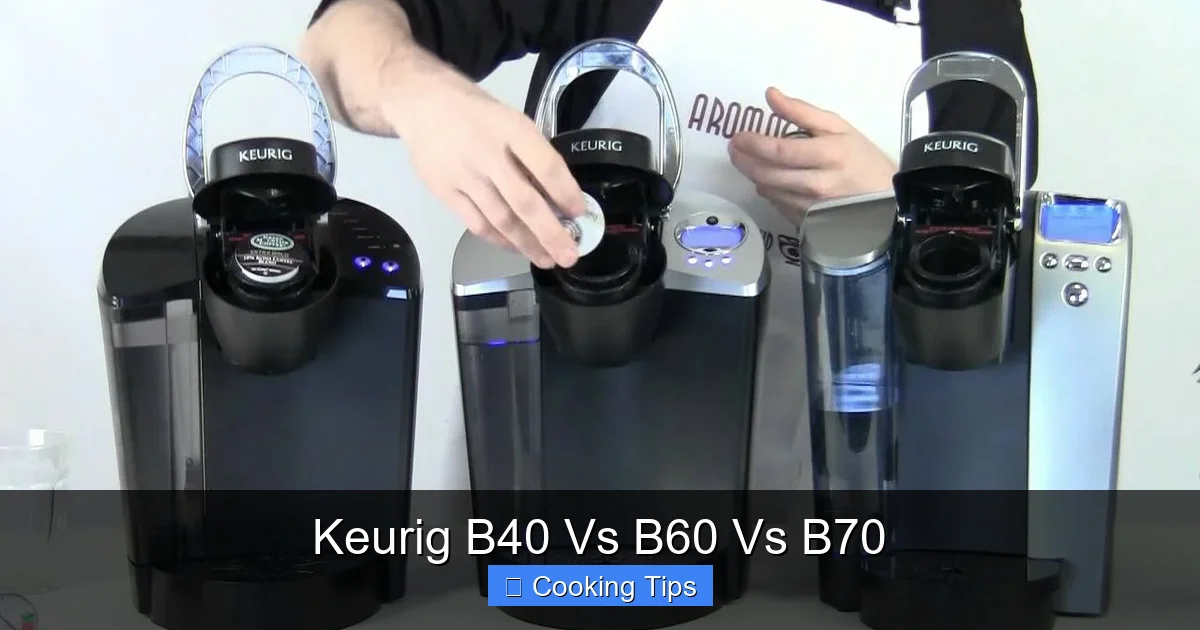
Visual guide about Keurig B40 Vs B60 Vs B70
Image source: i.ytimg.com
Let’s start with the Keurig B40. This model is often considered the entry-level option for those who want the convenience of Keurig without unnecessary bells and whistles.
Key Features of the Keurig B40
* Water Reservoir Capacity: The B40 typically comes with a smaller water reservoir, often around 40 ounces. This means you’ll need to refill it more frequently, especially if you’re brewing multiple cups throughout the day.
* Brew Sizes: It usually offers a few standard brew sizes, such as 6 oz, 8 oz, and 10 oz. This provides some flexibility but lacks the wider range of larger cup options.
* Ease of Use: The B40 is renowned for its simplicity. Its operation is very intuitive, making it easy for anyone to use right out of the box.
* Indicator Lights: Basic indicator lights will show you when the water is heating and when brewing is complete.
* No Advanced Controls: You won’t find features like brew strength control or temperature adjustment on the B40. It brews at a standard strength and temperature.
Pros of the Keurig B40
* Affordability: The B40 is usually the most budget-friendly option among these three, making it an excellent choice for those on a tight budget or who are new to Keurig.
* Compact Size: Its smaller footprint can be a significant advantage in kitchens with limited counter space.
* Simplicity: If you prefer a machine that’s easy to operate with minimal buttons and settings, the B40 is perfect.
* Reliability: As a more basic model, it has fewer complex components, which can sometimes translate to greater long-term reliability.
Cons of the Keurig B40
* Frequent Refills: The smaller water reservoir means more frequent trips to the sink to refill it.
* Limited Customization: You cannot adjust brew strength or temperature, meaning your coffee will always be brewed the same way.
* Fewer Brew Size Options: While it offers basic sizes, you might miss out on larger cup options if you prefer them.
Who is the Keurig B40 For?
The Keurig B40 is ideal for:
* Single individuals or couples who only brew one or two cups at a time.
* Those who prioritize simplicity and ease of use above all else.
* Students or individuals living in dorm rooms or small apartments where counter space is at a premium.
* Anyone looking for a budget-friendly introduction to the Keurig system.
Keurig B60: The Balanced Performer
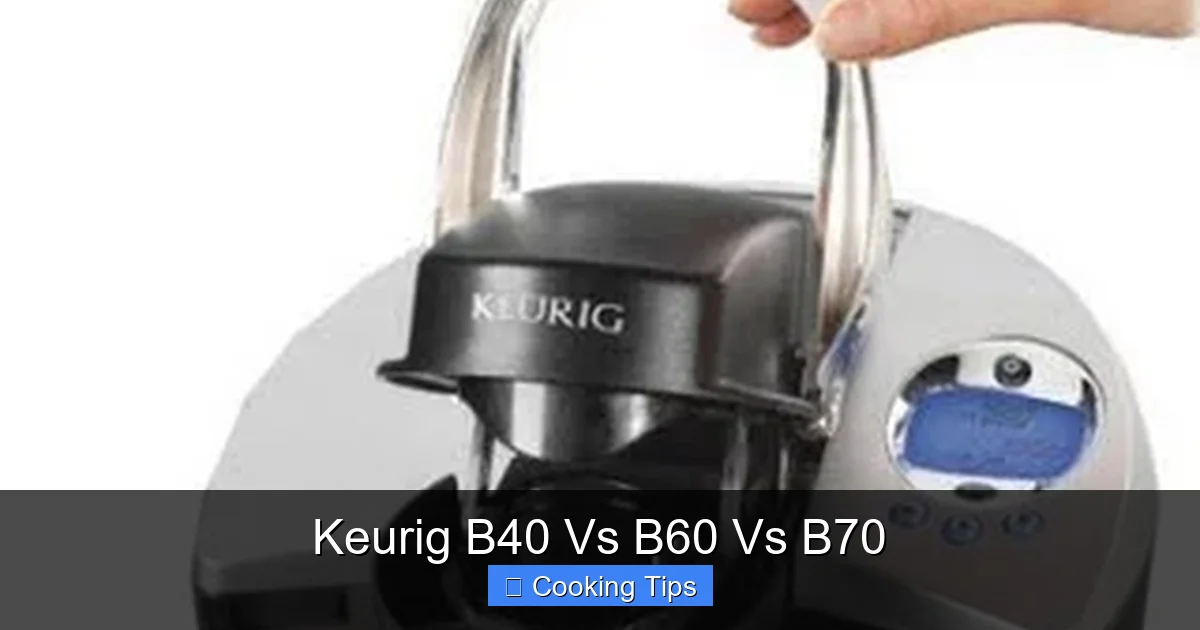
Visual guide about Keurig B40 Vs B60 Vs B70
Image source: 1.bp.blogspot.com
Moving up, we encounter the Keurig B60. This model strikes a nice balance between the simplicity of the B40 and the more advanced features of the B70. It offers enhanced convenience and brewing options that many users appreciate.
Key Features of the Keurig B60
* Water Reservoir Capacity: The B60 boasts a larger water reservoir, often around 60 ounces. This is a significant upgrade from the B40, allowing you to brew more cups before needing a refill, which is a great convenience for small families or offices.
* Brew Sizes: It typically offers a wider range of brew sizes, often including 6 oz, 8 oz, 10 oz, and sometimes even a 12 oz option.
* Brew Strength Control: A key differentiator is the brew strength control. The B60 usually allows you to select a “strong” brew option, which uses more hot water to extract more flavor from the K-Cup.
* Temperature Control (Limited): While not as precise as some higher-end models, the B60 might offer some basic temperature adjustment options, or a generally hotter brewing temperature than the B40.
* User-Friendly Interface: The interface is still easy to navigate but offers more options than the B40.
Pros of the Keurig B60
* Larger Water Reservoir: Less frequent refilling means more time enjoying your coffee.
* Brew Strength Option: This feature is a game-changer for those who like their coffee bolder.
* More Brew Size Variety: Accommodates different mug sizes and preferences.
* Good Value: It offers a significant step up in features without the premium price tag of the B70.
* Suitable for Small Households: The increased capacity makes it practical for 2-4 people.
Cons of the Keurig B60
* **No Precise Temperature Customization:** While better than the B40, it may not offer the fine-tuned temperature control of higher models.
* **Slightly Larger Footprint:** The larger reservoir means it will take up a bit more counter space than the B40.
Who is the Keurig B60 For?
The Keurig B60 is a fantastic choice for:
* Small families or households where multiple people drink coffee or tea regularly.
* Individuals who enjoy the flexibility of choosing their brew strength.
* Those who want a more customizable coffee experience without overspending.
* Anyone looking for a reliable, convenient brewer that offers more than the most basic models.
Keurig B70: The Feature-Rich and Customizable Brewer
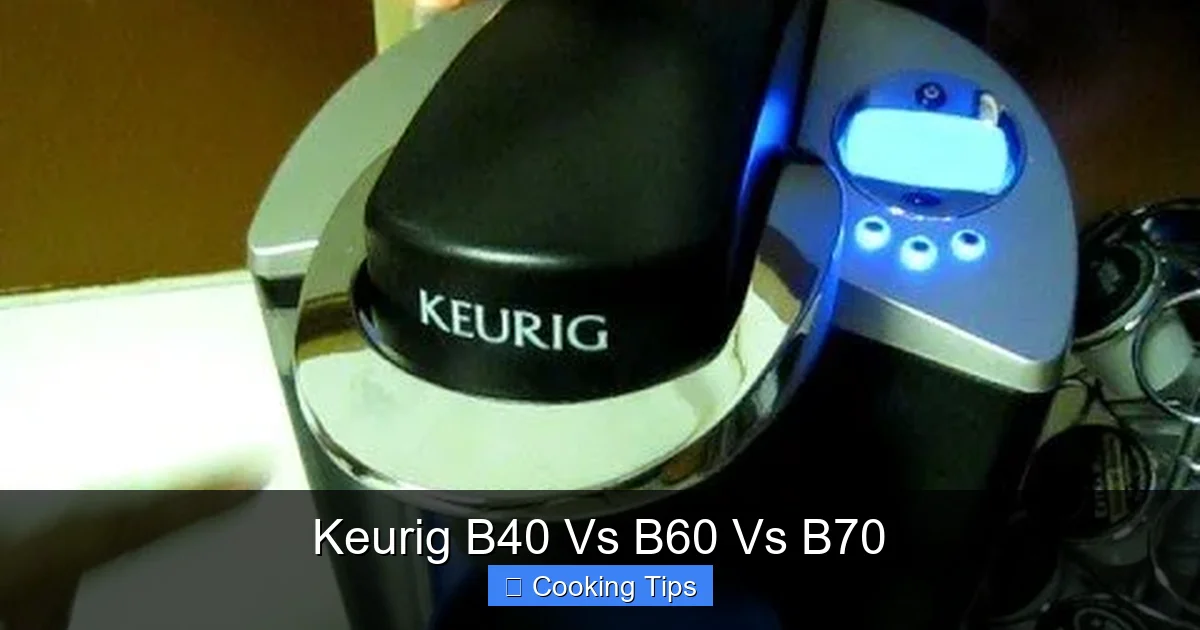
Visual guide about Keurig B40 Vs B60 Vs B70
Image source: img.youtube.com
Finally, we arrive at the Keurig B70. This model is designed for the discerning coffee drinker who wants maximum control and convenience. It’s the most advanced of the three in terms of features.
Key Features of the Keurig B70
* Water Reservoir Capacity: The B70 typically features the largest water reservoir among the three, often around 75 ounces. This is ideal for larger households or busy offices, minimizing the need for refills.
* Multiple Brew Sizes: It offers a comprehensive selection of brew sizes, commonly including 6 oz, 8 oz, 10 oz, and 12 oz, ensuring you can fill almost any mug.
* Adjustable Brew Strength: Like the B60, the B70 offers brew strength control, allowing you to choose between a standard or a stronger brew.
* Adjustable Temperature Control: This is a standout feature. The B70 usually allows you to select from several temperature settings, giving you precise control over how hot your beverage is brewed. This is great for optimizing the flavor of different K-Cup varieties.
* Programmable Settings: Some B70 models might include programmable features, allowing you to set auto-off times or even program your preferred brew settings.
* LCD Display: Often features a more advanced LCD screen that provides clear feedback on brewing status, settings, and maintenance reminders.
Pros of the Keurig B70
* Maximum Customization: Adjustable brew strength and temperature offer unparalleled control over your beverage.
* Largest Water Reservoir: Perfect for large families, busy households, or if you brew many cups throughout the day.
* Advanced Features: Programmable options and a clear display enhance the user experience.
* Ideal for Coffee Enthusiasts: Those who appreciate fine-tuning their brew will love the B70.
* High Convenience: Less refilling and more control translate to a smoother coffee routine.
Cons of the Keurig B70
* **Higher Price Point:** The advanced features come with a higher cost compared to the B40 and B60.
* **Larger Size: It will likely occupy the most counter space among the three models.
* **Potentially Overkill for Some: If you only need a basic cup of coffee, the extra features might be unnecessary.
Who is the Keurig B70 For?
The Keurig B70 is best suited for:
* Large families or households with high coffee or tea consumption.
* Coffee aficionados who enjoy experimenting with brew strength and temperature.
* Anyone who wants the most convenient and feature-rich single-serve coffee experience.
* Those who are willing to invest a bit more for enhanced control and capacity.
Step-by-Step Guide to Brewing with Your Keurig
Once you’ve chosen your model, brewing your perfect cup is straightforward. Here’s a general guide that applies to all three models:
1. Setup and Preparation
* Unpack and Clean: Remove all packaging materials. Wash the drip tray, K-Cup holder, and water reservoir with warm, soapy water. Rinse thoroughly and dry.
* Positioning: Place your Keurig on a stable, flat surface near an electrical outlet and a water source.
* Initial Rinse Cycle: Before brewing your first cup, it’s recommended to run a rinse cycle.
* Ensure the water reservoir is filled with fresh, cold water.
* Place a mug on the drip tray.
* Close the handle without inserting a K-Cup.
* Select any brew size and press the brew button.
* Discard the hot water. Repeat this process 2-3 times.
2. Brewing Your Beverage
* Fill the Water Reservoir: Lift the water reservoir lid and fill it with fresh, cold water to the desired fill line. Do not overfill.
* Turn On the Brewer: Press the power button. The brewer will begin heating the water. This typically takes a few minutes. Indicator lights will show the heating status.
* Place Your Mug: Position your favorite mug on the drip tray. Ensure it’s large enough for the selected brew size.
* Insert K-Cup Pod: Lift the handle and place a K-Cup pod into the K-Cup holder. Push the handle down firmly to close it. This pierces the pod.
* Select Brew Size: Choose your desired brew size (e.g., 6 oz, 8 oz, 10 oz) by pressing the corresponding button.
* Adjust Strength/Temperature (B60/B70 only): If you have a B60 or B70, you can now select your preferred brew strength (if available) and temperature setting.
* Press the Brew Button: Once all settings are selected, press the brew button.
* Enjoy Your Beverage: The brewer will dispense your perfectly brewed cup of coffee, tea, or hot cocoa.
3. After Brewing
* Remove K-Cup Pod: Carefully lift the handle to eject the used K-Cup pod. Dispose of it properly.
* Clean the K-Cup Holder: Briefly rinse the K-Cup holder if needed, especially if you notice coffee grounds.
* Empty Drip Tray: The drip tray can be removed and emptied as needed to prevent overflow.
Maintenance and Troubleshooting
To ensure your Keurig brewer functions optimally and delivers delicious beverages, regular maintenance is crucial.
Regular Cleaning
* Exterior: Wipe down the exterior of the brewer with a damp cloth.
* Drip Tray: Remove and wash the drip tray regularly with warm, soapy water.
* Water Reservoir: Wash the water reservoir with mild soap and water periodically. Avoid using abrasive cleaners.
* K-Cup Holder and Pod Assembly: These parts can usually be washed in the top rack of your dishwasher. Refer to your manual for specific instructions.
Descaling Your Keurig
Over time, mineral deposits from water can build up inside your Keurig, affecting brewing temperature and taste. Descaling removes these deposits.
* Frequency: Descale your Keurig every 3-6 months, or when the “descale” indicator light illuminates.
* What You’ll Need: Keurig descaling solution or a mixture of white vinegar and water (50/50 ratio).
* Steps:
1. Empty the water reservoir and remove any K-Cup pod.
2. Pour the descaling solution or vinegar-water mixture into the reservoir.
3. Place a large mug on the drip tray.
4. Run multiple brew cycles (without K-Cups) until the reservoir is empty.
5. Discard the hot liquid.
6. Rinse the reservoir thoroughly with fresh water.
7. Fill the reservoir with fresh, cold water and run at least 12 rinse cycles to remove any remaining descaling solution.
Common Troubleshooting Issues
* Brewer Not Turning On:
* Ensure the power cord is securely plugged into a working outlet.
* Check your home’s circuit breaker.
* Brewer Not Brewing:
* Make sure the water reservoir is filled.
* Ensure the handle is fully closed and the K-Cup pod is properly seated.
* Check for any clogs in the exit needle (refer to your manual for cleaning instructions).
* Coffee is Too Weak or Too Strong:
* For B60/B70, adjust the brew strength setting.
* Try a different K-Cup pod brand or variety.
* Ensure you are using the correct brew size for your preference.
* Brewer Making Strange Noises:
* This can sometimes indicate a need for descaling.
* Ensure the water reservoir is properly seated.
* Water Leaking:
* Check that the water reservoir is not overfilled and is seated correctly.
* Inspect the drip tray for clogs or damage.
Always refer to your specific Keurig model’s user manual for detailed troubleshooting steps and maintenance recommendations.
Conclusion: Making the Right Keurig Choice for You
Choosing between the Keurig B40, B60, and B70 ultimately comes down to your individual needs, preferences, and budget.
* The Keurig B40 is your go-to for simplicity and affordability. It’s a workhorse for those who just want a good cup of coffee without fuss.
* The Keurig B60 offers a fantastic middle ground, adding convenience with a larger reservoir and the valuable option to control brew strength, making it perfect for small households and those who like a bit more control.
* The Keurig B70 is for the enthusiast, providing the most capacity and the ultimate in customization with adjustable temperature, ideal for larger families or anyone who treats their morning brew like an art form.
By understanding the key features, pros, and cons of each, you can confidently select the Keurig brewer that will best complement your lifestyle and deliver your perfect cup, every time. Happy brewing!
