

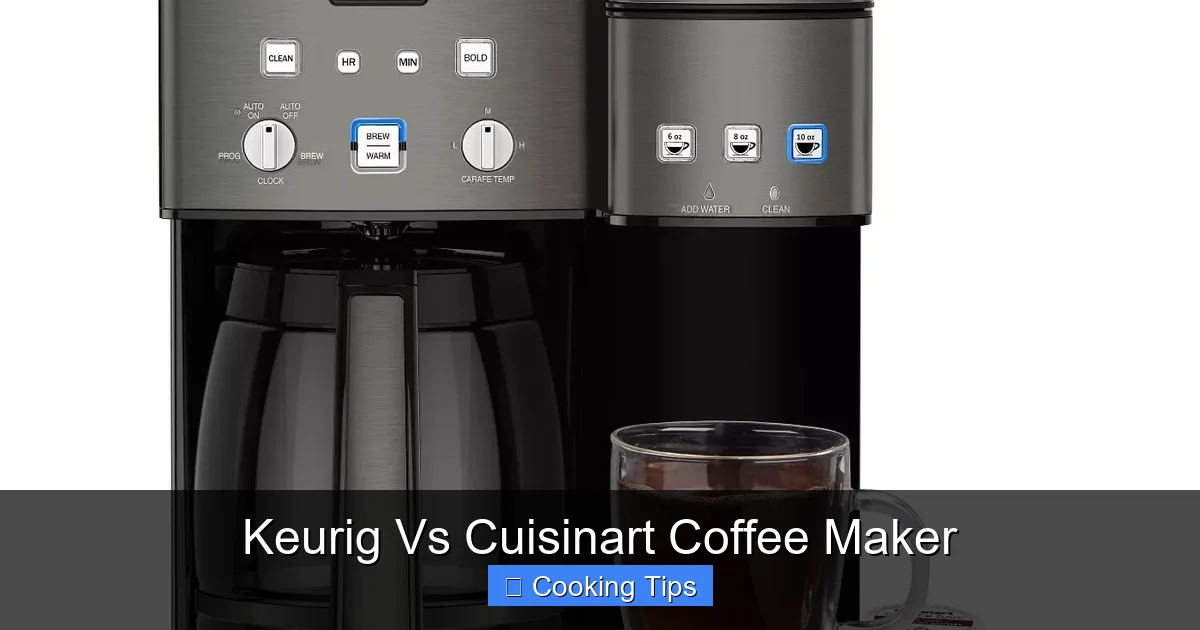
Choosing between a Keurig and a Cuisinart coffee maker can be tough. This guide breaks down the key differences, helping you understand their features, brewing methods, and overall value. Discover which machine best suits your lifestyle and coffee preferences, whether you prioritize speed and convenience or variety and customization. Make an informed decision for your perfect morning brew.
Key Takeaways
- Keurig excels in speed and convenience for single servings, ideal for busy individuals or households with diverse coffee tastes.
- Cuisinart offers more versatility, often brewing larger pots and supporting ground coffee, making it a strong choice for families or those who enjoy brewing larger batches.
- Pod-based systems like Keurig offer incredible variety but can be more expensive per cup and generate more waste compared to traditional ground coffee brewing.
- Cuisinart machines generally provide more control over brewing variables, allowing for finer tuning of taste and strength for coffee enthusiasts.
- Consider your budget, the number of coffee drinkers in your household, and your desire for customization when deciding between Keurig and Cuisinart.
Keurig vs Cuisinart Coffee Maker: Your Ultimate Buying Guide
The morning ritual of brewing a fresh cup of coffee is a cherished moment for many. But when it comes to selecting the right coffee maker, the choices can be overwhelming. Two of the most popular names that consistently pop up are Keurig and Cuisinart. While both brands deliver caffeine, they do so in distinctly different ways. Are you a fan of quick, single-serve options, or do you prefer the aroma of a freshly brewed pot? This guide is designed to help you navigate the world of Keurig and Cuisinart coffee makers, breaking down their strengths, weaknesses, and helping you decide which one is the perfect fit for your kitchen and your coffee cravings.
We’ll explore what makes each brand unique, from their brewing technology and features to their convenience and cost-effectiveness. By the end of this guide, you’ll have a clear understanding of how Keurig and Cuisinart stack up against each other, empowering you to make an informed purchase that will elevate your daily coffee experience. Let’s dive in and find your ideal brew!
Understanding the Core Differences: Pods vs. Ground Coffee
The most significant distinction between Keurig and Cuisinart coffee makers lies in their primary brewing methods. Keurig is synonymous with its K-Cup pod system, while Cuisinart predominantly uses traditional ground coffee. This fundamental difference impacts everything from convenience and variety to cost and environmental impact.
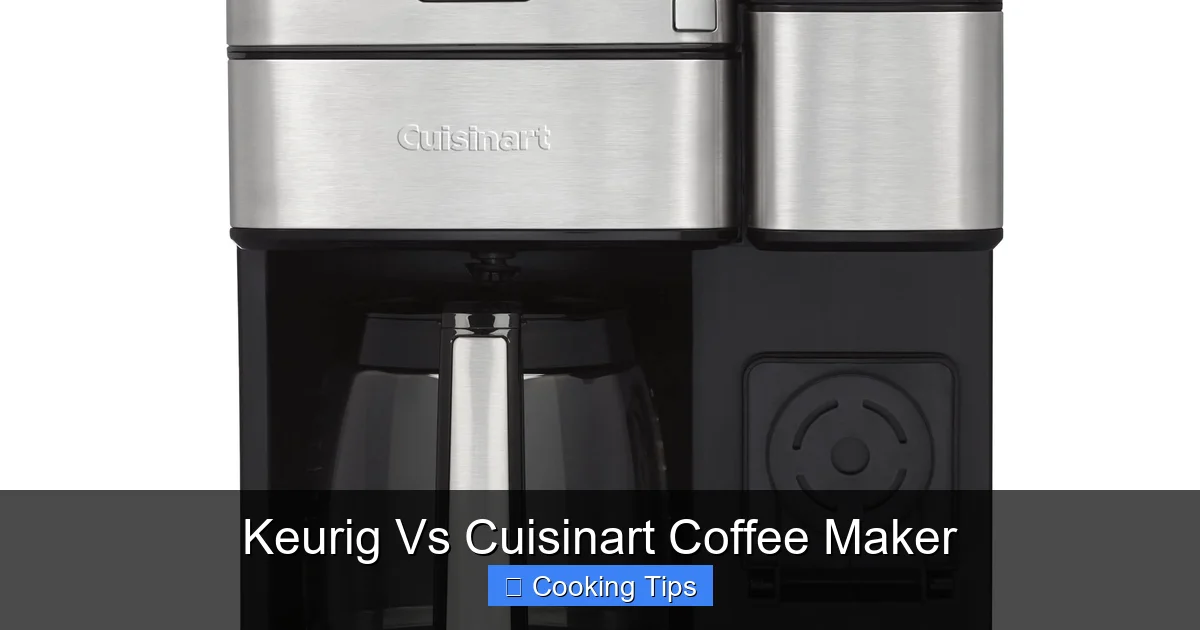
Visual guide about Keurig Vs Cuisinart Coffee Maker
Image source: m.media-amazon.com
Keurig: The Convenience of K-Cups
Keurig machines are built around the K-Cup. These are pre-portioned, sealed pods containing ground coffee, tea, or hot chocolate. You simply insert a pod, select your brew size, and within minutes, you have a single cup of your chosen beverage.
How Keurig Works
- Water Reservoir: You fill a water tank, which the machine heats.
- Pod Insertion: A K-Cup pod is placed into a designated holder.
- Puncturing and Brewing: The machine punctures the pod and forces hot water through it at high pressure.
- Dispensing: Your freshly brewed coffee is dispensed directly into your mug.
Pros of Keurig
- Unmatched Speed: Brew a cup in under a minute.
- Incredible Variety: Thousands of K-Cup options from numerous brands, including coffee, tea, hot chocolate, and even specialty drinks.
- No Measuring: Eliminates the need for measuring coffee grounds.
- Single-Serve Focus: Perfect for households where everyone prefers a different type of coffee or drinks at different times.
- Cleanliness: Minimal mess, as the used pod is easily discarded.
Cons of Keurig
- Cost Per Cup: K-Cups are generally more expensive than brewing with ground coffee.
- Environmental Impact: Single-use plastic pods generate significant waste, although recyclable options are becoming more common.
- Limited Customization: Less control over brew strength and flavor compared to traditional brewing.
- Pod Availability: While vast, you are limited to what K-Cup options are available.
Cuisinart: The Art of Ground Coffee Brewing
Cuisinart offers a more traditional approach to coffee making, focusing on brewing from ground coffee beans. This allows for greater flexibility and often results in a richer, more nuanced flavor profile for coffee aficionados. Cuisinart machines come in various forms, from standard drip coffee makers to more sophisticated espresso machines and single-serve brewers that accept ground coffee.
How Cuisinart (Drip Coffee Makers) Work
- Water Reservoir: You fill a water tank.
- Filter and Grounds: A filter (paper or permanent) is placed in a basket, and you add your desired amount of ground coffee.
- Heating and Dripping: Water is heated and then drips over the coffee grounds, extracting flavor as it flows into the carafe.
Pros of Cuisinart
- Cost-Effective: Brewing with ground coffee is significantly cheaper per cup.
- Environmental Friendliness: Less waste generated with reusable filters and bulk coffee.
- Greater Control: More ability to adjust grind size, coffee-to-water ratio, and brew time for a customized taste.
- Flavor Nuance: Allows for the full spectrum of flavors from fresh beans to be experienced.
- Brew Larger Batches: Ideal for households that drink multiple cups or host guests.
Cons of Cuisinart
- More Involved: Requires measuring coffee grounds and cleaning the brew basket.
- Slower Brewing Time: Typically takes longer to brew a full pot compared to a single K-Cup.
- Less Variety: Limited to the coffee beans you purchase and grind.
- Potential for Mess: Ground coffee can spill or create a mess during preparation and cleaning.
Key Features and Functionality: What to Look For
Beyond the core brewing method, both Keurig and Cuisinart offer a range of features that can enhance your coffee experience. Understanding these features will help you narrow down your choices based on your needs and preferences.
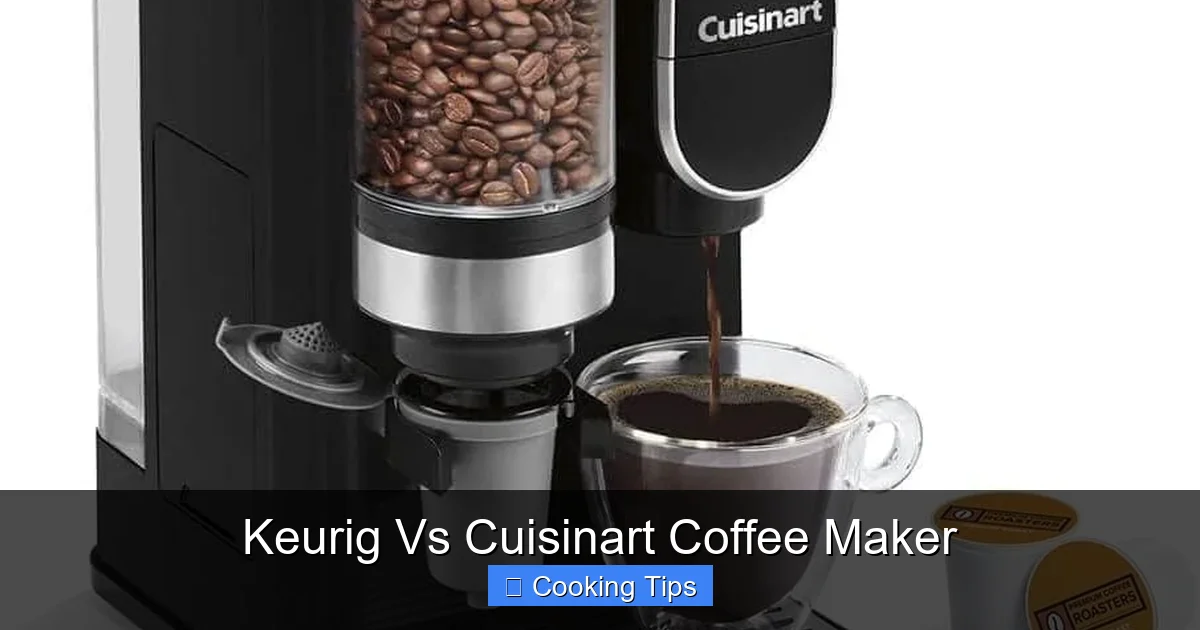
Visual guide about Keurig Vs Cuisinart Coffee Maker
Image source: m.media-amazon.com
Keurig Specific Features
- Brew Size Options: Most Keurig models offer multiple cup sizes (e.g., 6, 8, 10, 12 oz) to suit your mug.
- Strength Control: Some models allow you to select a “strong” brew option, forcing more water through the pod for a bolder taste.
- Water Reservoir Size: Varies from small, removable tanks to larger, plumbed-in options for heavy use.
- Hot Water Dispenser: Many models can dispense hot water without brewing a pod, useful for tea or oatmeal.
- Descaling Alerts: Reminds you when it’s time to clean the machine to maintain optimal performance.
- Programmable Features: Some higher-end models allow you to schedule brew times.
Cuisinart Specific Features (Focusing on Drip Coffee Makers)
- Carafe Material: Available in glass (more affordable, but can break) and thermal (keeps coffee hot longer, more durable).
- Brew Strength Control: Some models offer a “bold” setting to slow down the brew process for richer flavor.
- Programmable Timer: Set your coffee to be ready when you wake up.
- Pause-and-Serve: Allows you to grab a cup mid-brew without the rest of the pot dripping everywhere.
- Built-in Grinder: Some premium Cuisinart models feature an integrated grinder for the freshest possible coffee.
- Water Filter: Many Cuisinart machines include a charcoal water filter to improve taste by removing impurities.
- Adjustable Temperature Control: For precise brewing temperature, a feature favored by coffee enthusiasts.
- Single-Serve Options: Some Cuisinart models also offer single-serve functionality using ground coffee, bridging the gap between the two brands.
Brewing Quality and Taste: A Subjective Comparison
This is where personal preference plays a huge role. However, general consensus and expert opinions can offer some guidance.
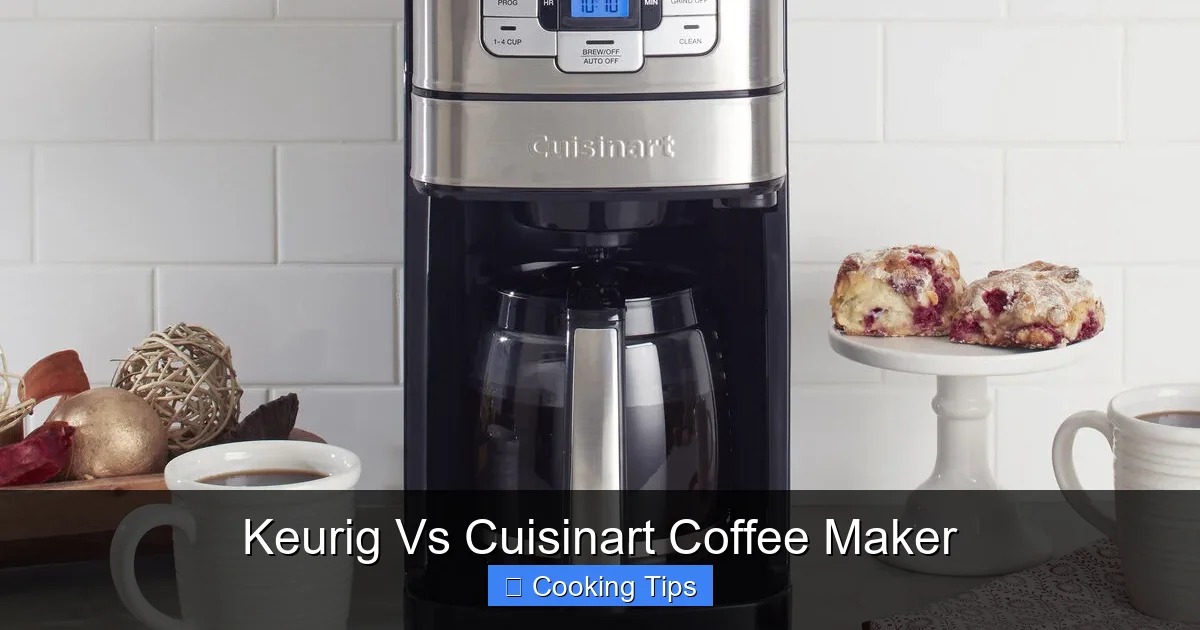
Visual guide about Keurig Vs Cuisinart Coffee Maker
Image source: cuisinart.com
Keurig Taste Profile
Keurig’s single-serve system brews quickly, which can sometimes lead to a less complex flavor profile. The water is forced through the pod at high pressure, which is efficient but might not extract the full range of flavors that slower drip methods can. However, with the vast array of K-Cup brands and roasts available, you can find many delicious options. For those who prioritize convenience, the taste is more than satisfactory. The key is to choose high-quality K-Cups.
Cuisinart Taste Profile
Cuisinart’s drip coffee makers, especially those with features like bloom settings (where a small amount of hot water is initially used to saturate the grounds, allowing them to release CO2 before the main brew cycle) and adjustable temperature, tend to offer a more nuanced and full-bodied flavor. This is because they allow for a more controlled extraction process. Using fresh, high-quality whole beans that you grind yourself will undoubtedly yield the best results, allowing the true characteristics of the coffee bean to shine through.
Cost and Value: What’s the Long-Term Investment?
When considering the long-term cost, it’s important to look beyond the initial purchase price.
Keurig Cost Considerations
- Initial Machine Cost: Keurig machines range from budget-friendly basic models to more feature-rich premium units.
- K-Cup Cost: This is the ongoing expense. While prices vary by brand and retailer, K-Cups are typically $0.50 to $1.00+ per cup. Over time, this can add up significantly for frequent drinkers.
- Reusable K-Cups: Many users opt for reusable K-Cups that allow them to use their own ground coffee, significantly reducing the per-cup cost and environmental impact.
Cuisinart Cost Considerations
- Initial Machine Cost: Cuisinart coffee makers also span a wide price range, from affordable drip models to more expensive espresso machines.
- Ground Coffee Cost: Buying coffee in bulk or by the pound is generally much more economical than individual pods. A pound of coffee can yield many cups, often costing less than $0.20 per cup.
- Filters: If using paper filters, this is a minor ongoing cost. Permanent filters are a one-time purchase.
Example: If you drink two cups of coffee per day, using K-Cups at $0.75 each would cost you approximately $547.50 per year. Brewing the same amount with ground coffee at $0.20 per cup would cost around $146 per year, a substantial saving.
Environmental Impact: A Growing Concern
The environmental footprint of your coffee maker is an important consideration for many consumers.
Keurig’s Environmental Footprint
The primary concern with Keurig is the waste generated by single-use K-Cup pods. While some brands and Cuisinart itself are now offering recyclable pods, the sheer volume of plastic waste is undeniable. The manufacturing process for these pods also contributes to the overall environmental impact.
Cuisinart’s Environmental Footprint
Cuisinart coffee makers, particularly those using ground coffee and reusable filters, have a significantly lower environmental impact. The main waste is typically coffee grounds, which can be composted. The use of bulk coffee also reduces packaging waste.
Who is Keurig Best For?
- The Busy Bee: If you’re always on the go and need a quick caffeine fix without the fuss.
- The Indecisive Drinker: Perfect for households with multiple people who have different coffee, tea, or hot chocolate preferences.
- The Convenience Seeker: If ease of use and minimal cleanup are your top priorities.
- The Occasional Brewer: If you only drink one cup a day or want a coffee option for guests without brewing a whole pot.
Who is Cuisinart Best For?
- The Coffee Connoisseur: If you appreciate nuanced flavors and want control over your brew.
- The Budget-Conscious Household: If you want to save money on your daily coffee in the long run.
- The Eco-Conscious Consumer: If minimizing waste is a priority.
- The Family or Group Brewer: If you regularly brew multiple cups of coffee for several people.
- The Enthusiast of Variety (via beans): If you enjoy exploring different roasts, origins, and brewing them yourself.
Troubleshooting Common Issues
Both Keurig and Cuisinart coffee makers can encounter minor issues. Here are a few common problems and their solutions.
Keurig Troubleshooting
- Coffee Not Brewing: Ensure the water reservoir is full, the K-Cup is properly inserted, and the machine is plugged in. Check if the “brew” button is illuminated.
- Weak Coffee: Try selecting a smaller brew size or the “strong” option if available. Ensure you are using a reputable K-Cup brand.
- Machine Not Heating Water: This could indicate a heating element issue. Try unplugging the machine for a few minutes and plugging it back in. If the problem persists, contact customer support.
- Error Codes: Refer to your Keurig manual for specific error code explanations and troubleshooting steps.
Cuisinart Troubleshooting (Drip Coffee Makers)
- Coffee Not Brewing: Check if the water reservoir is filled and the carafe is properly seated. Ensure the brew basket is correctly inserted.
- Slow Brewing: This can happen if the machine needs descaling. Follow the manufacturer’s instructions for descaling.
- Coffee Tastes Burnt or Bitter: Ensure you are using the correct grind size for your machine. Over-extraction can lead to bitterness. Also, clean the machine regularly.
- Leaking: Check for cracked carafes, damaged gaskets, or overfilling the water reservoir.
Conclusion: Making Your Final Choice
The battle of Keurig vs. Cuisinart isn’t about which brand is definitively “better,” but rather which one aligns best with your personal coffee habits, budget, and values. Keurig offers unparalleled convenience and variety for the individual who values speed and diverse single-serve options. It’s the epitome of “set it and forget it.”
On the other hand, Cuisinart champions the art of traditional coffee brewing, providing greater control, cost savings, and a more eco-friendly approach for those who enjoy the ritual of making coffee and appreciate a richer, more customizable cup. Whether you’re a busy student, a parent of four, or a solo coffee enthusiast, the perfect machine awaits.
Consider your daily routine, how many people you’re typically brewing for, and what’s most important to you – speed, variety, taste, cost, or environmental impact. By weighing these factors, you can confidently select the Keurig or Cuisinart coffee maker that will bring you joy, one delicious cup at a time.
