

This guide delves into the nuanced differences between Keurig and drip coffee taste. We’ll explore how each brewing method impacts flavor, aroma, and overall coffee experience. By understanding the variables involved, you can make informed decisions to consistently brew your ideal cup, whether you prefer the convenience of a Keurig or the tradition of drip coffee.
Keurig Vs Drip Coffee Taste: Unraveling the Flavor Differences
Coffee lovers, rejoice! We’re diving deep into one of the most common brewing debates: Keurig versus drip coffee. Which one reigns supreme when it comes to taste? It’s a question that sparks lively discussions, and the truth is, there’s no single right answer. The “best” taste is subjective and depends on your personal preferences, the beans you use, and how you brew.
In this comprehensive guide, we’ll explore the distinct characteristics of Keurig and drip coffee taste. We’ll break down the brewing processes, examine the factors that influence flavor, and offer practical tips to help you achieve your perfect cup, no matter which machine you choose. By the end, you’ll have a clearer understanding of what makes each method unique and how to get the most out of your morning brew.
Key Takeaways
- Different Brewing Mechanisms: Keurig uses pressure and hot water forced through a pod, while drip coffee relies on gravity to saturate grounds. This fundamental difference significantly impacts extraction and taste.
- Flavor Profile Variations: Keurig coffee can sometimes taste brighter and less nuanced due to quicker extraction, while drip coffee often yields a richer, more complex flavor profile with better body.
- Freshness Matters: Drip coffee brewed with freshly ground beans generally offers superior aroma and taste compared to pre-ground beans often used in Keurig pods.
- Control Over Variables: Drip coffee makers offer more control over water temperature, brew time, and coffee-to-water ratio, allowing for greater customization of taste. Keurig offers less control.
- Pod vs. Loose Grounds: The pre-packaged nature of Keurig pods can limit freshness and variety, whereas drip coffee allows for experimentation with a vast array of whole beans and grind sizes.
- Environmental and Cost Considerations: While convenient, Keurig pods can be more expensive per cup and generate more waste than drip coffee, which can be more economical and eco-friendly with reusable filters.
Understanding the Brewing Basics: How They Differ
The most crucial difference between Keurig and drip coffee lies in their brewing mechanisms. This fundamental difference is the primary driver behind their contrasting taste profiles.
Keurig’s Pressure-Driven Extraction
Keurig machines, also known as single-serve brewers, employ a method called pressure brewing. Here’s how it works:
When you insert a K-Cup pod and press the brew button, the machine punctures the pod. Then, it heats a precise amount of water to a specific temperature. This hot water is then forced under pressure through the coffee grounds within the pod. This process is quick, typically taking less than a minute to produce a single cup of coffee.
Think of it like an espresso machine, but on a much smaller scale and with less pressure. The pressure helps to extract flavor compounds rapidly. This rapid extraction is key to understanding why Keurig coffee can taste the way it does.
Drip Coffee’s Gravity-Fed Saturation
Drip coffee makers, on the other hand, rely on a much simpler, gravity-assisted brewing process.
In a drip coffee maker, you place ground coffee into a filter basket. Then, the machine heats water and dispenses it over the grounds. Gravity takes over, allowing the hot water to slowly saturate the coffee grounds. As the water passes through, it extracts the soluble flavor compounds. This brewed coffee then drips through the filter into a carafe or directly into your mug.
This method is often referred to as percolation. It’s a slower, more gradual process that allows for different types of extraction compared to the pressurized method of a Keurig.
The Impact of Brewing Method on Flavor
Now that we understand the mechanical differences, let’s explore how these affect the taste of your coffee.
Keurig Coffee: Brightness and Consistency
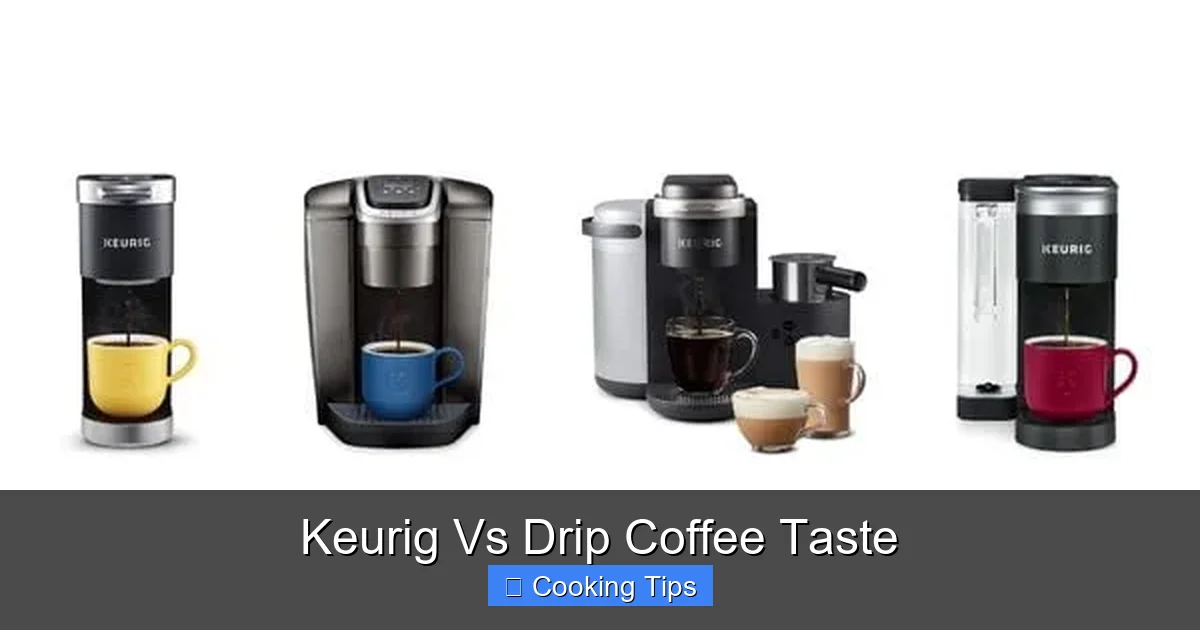
Because Keurig machines force water through the grounds quickly, the extraction process is intense and fast. This can often lead to a brighter, sometimes sharper, flavor profile.
Visual guide about Keurig Vs Drip Coffee Taste
Image source: coffeeabout.com
Potential Taste Characteristics of Keurig Coffee:
- Brighter Acidity: The rapid extraction can highlight the inherent acidity of the coffee beans. This isn’t necessarily a bad thing; some people enjoy a lively, vibrant cup.
- Less Nuance: The quick brew time can sometimes prevent the full spectrum of flavor compounds from being extracted. This means you might miss out on some of the subtle, complex notes that can be found in drip-brewed coffee.
- Consistent Results: One of Keurig’s strengths is its consistency. Because the machine controls water temperature, volume, and pressure, you’re likely to get a very similar cup of coffee every time, assuming you use the same pod.
- Sometimes a “Watery” or “Weak” Perception: If the coffee-to-water ratio is off, or if the pod isn’t optimally filled, the coffee can sometimes taste a bit thin or lacking in body.
Drip Coffee: Richness and Complexity
The slower, gravity-driven process of drip coffee brewing allows for a more thorough and nuanced extraction.
Potential Taste Characteristics of Drip Coffee:
- Richer Body: The extended contact time between water and grounds often results in a fuller, more viscous mouthfeel.
- More Complex Flavor Notes: The gradual extraction can bring out a wider range of flavors, from fruity and floral to chocolatey and nutty. You’re more likely to discern the specific origin characteristics of the beans.
- Smoother Finish: Often, drip coffee has a smoother, less sharp finish due to the more balanced extraction of acids and other compounds.
- Potential for Variation: While this offers more complexity, it also means the taste can vary more depending on the quality of your beans, your grind size, and the brew settings.
Factors Beyond the Machine: What Else Affects Taste?
While the brewing method is paramount, several other factors play a significant role in determining the final taste of your coffee, regardless of whether you’re using a Keurig or a drip machine.
1. The Coffee Beans Themselves
This is arguably the most critical factor. Even the most advanced brewer can’t make bad beans taste good.
Visual guide about Keurig Vs Drip Coffee Taste
Image source: cornercoffeestore.com
- Origin and Roast Level: Beans from different regions have distinct flavor profiles. Light roasts tend to be brighter and more acidic, while dark roasts are bolder and more bitter. Medium roasts offer a balance.
- Freshness: Coffee is best enjoyed when brewed with freshly roasted beans. As beans age, they lose their volatile aroma compounds, leading to a duller taste.
2. Grind Size and Freshness
The way your coffee is ground has a huge impact.
- Drip Coffee: For drip coffee, a medium grind is generally recommended. Too fine a grind can lead to over-extraction and bitterness, while too coarse a grind can result in under-extraction and a weak, sour cup. Using a burr grinder for freshly ground beans is ideal.
- Keurig: K-Cup pods come pre-ground. The grind size is optimized for the machine’s brewing system. However, the freshness of that pre-ground coffee is often compromised because it’s sealed for a long time.
3. Water Quality and Temperature
Coffee is over 98% water, so the quality of your water matters!
- Filtered Water is Best: Tap water can contain minerals and chemicals that can negatively affect the taste of your coffee. Using filtered water will allow the true coffee flavors to shine through.
- Optimal Temperature: The ideal brewing temperature for coffee is between 195°F and 205°F (90°C and 96°C). Both Keurig and quality drip coffee makers aim for this range, but some drip machines offer more precise control.
4. Coffee-to-Water Ratio
The golden ratio of coffee to water is crucial for balanced flavor.
- Drip Coffee: You have direct control over this. A common starting point is about 1-2 tablespoons of coffee grounds per 6 ounces of water. Experiment to find your preference.
- Keurig: The ratio is determined by the pod. While some machines offer different cup sizes, you can’t adjust the amount of coffee grounds. This limits your ability to tweak the strength.
How to Get the Best Taste from Your Keurig
While Keurig machines offer less control, you can still elevate your K-Cup experience.
Choosing the Right K-Cups
Not all K-Cups are created equal. Look for:
Visual guide about Keurig Vs Drip Coffee Taste
Image source: coffeeabout.com
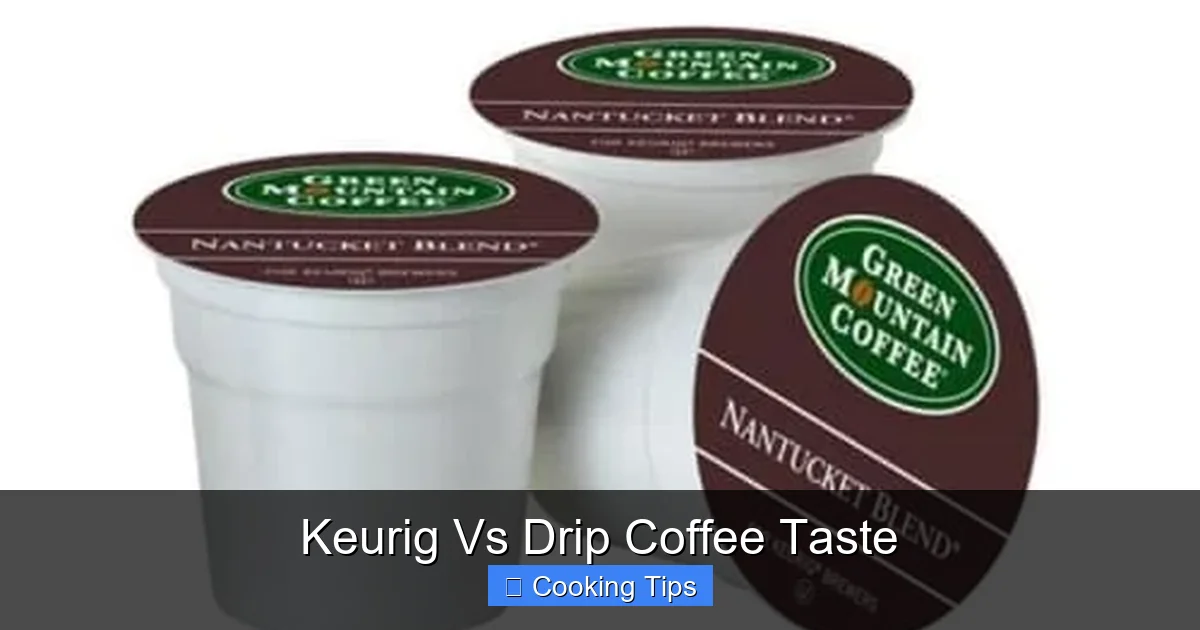
- Reputable Brands: Many coffee roasters now offer K-Cup versions of their popular blends.
- Fresher Packaging: While pods inherently limit freshness, some brands use nitrogen flushing or other methods to preserve flavor.
- Variety: Don’t be afraid to try different roasts and origins to see what you prefer.
Beyond the K-Cup: Reusable Filters
For the environmentally conscious and flavor-focused, reusable K-Cup filters are a game-changer.
How to Use a Reusable Filter:
- Purchase a reusable filter: These are readily available and designed to fit most Keurig models.
- Grind your own beans: Use your favorite whole beans and grind them to a medium consistency, similar to what you’d use for drip coffee.
- Fill the filter: Don’t overfill. A general guideline is about 1-2 tablespoons of grounds per brew.
- Brew as usual: Place the filled reusable filter in your Keurig and select your desired cup size.
This allows you to use your preferred fresh coffee, giving you much greater control over the taste and potentially a superior cup.
How to Get the Best Taste from Your Drip Coffee Maker
Drip coffee makers offer a canvas for customization. Here’s how to make yours sing.
Start with Quality Beans
As mentioned, this is non-negotiable. Invest in freshly roasted, whole bean coffee. Buying from local roasters or reputable online sources is a great start.
Grind Just Before Brewing
This is where the magic happens. Invest in a good burr grinder and grind your beans right before you brew. The difference in aroma and flavor will be astonishing.
Grind Size Guide for Drip Coffee:
- Coarse: Looks like sea salt. For French press.
- Medium-Coarse: Slightly finer than coarse. For Chemex.
- Medium: Looks like regular sand. Ideal for most drip coffee makers.
- Medium-Fine: Slightly finer than medium. For pour-over cones.
- Fine: Looks like table salt. For espresso.
For drip, a medium grind is your go-to.
Use Filtered Water
Seriously, it makes a difference. Use a water filter pitcher or a faucet filter.
Master the Coffee-to-Water Ratio
Experiment! Use a kitchen scale for precision. A good starting point is a ratio of 1:15 to 1:18 (coffee to water by weight). For example, for 30 grams of coffee, use 450-540 grams of water.
Clean Your Machine Regularly
Coffee oils can build up and turn rancid, affecting the taste of fresh brews. Descale your machine according to the manufacturer’s instructions. Wash the carafe and brew basket after each use.
Troubleshooting Common Taste Issues
Even with the best intentions, you might encounter less-than-ideal coffee. Here are some common issues and how to fix them.
For Keurig:
- Coffee tastes weak or watery:
- Try a different brew size (smaller cup).
- Ensure the K-Cup is fully seated.
- Consider using a reusable filter with more grounds.
- Try a darker roast coffee pod.
- Coffee tastes bitter:
- This is harder to control with pods.
- Ensure your machine is clean (descale it!).
- Try a lighter roast or a blend with more floral/fruity notes.
For Drip Coffee:
- Coffee tastes bitter:
- Grind is too fine.
- Water temperature is too high.
- Brew time is too long.
- Machine needs cleaning.
- Beans are over-roasted or stale.
- Coffee tastes sour or weak:
- Grind is too coarse.
- Not enough coffee grounds used.
- Water temperature is too low.
- Brew time is too short.
- Using stale beans.
- Coffee tastes “off” or metallic:
- Water quality is poor.
- Machine needs cleaning (especially the water reservoir and carafe).
Conclusion: Your Perfect Cup Awaits
The Keurig versus drip coffee taste debate isn’t about declaring a winner, but rather understanding the nuances of each brewing method. Keurig offers unparalleled convenience and consistency, delivering a reliably bright cup for those on the go. Drip coffee, with its greater control and traditional brewing process, often yields a richer, more complex, and customizable flavor profile for those who enjoy the ritual of brewing.
Ultimately, the best way to determine your preference is to experiment. Use fresh, quality beans. Pay attention to your grind size and water. And most importantly, taste with an open mind! Whether you’re a Keurig devotee or a drip coffee purist, the journey to your perfect cup is a delicious one. Happy brewing!
