

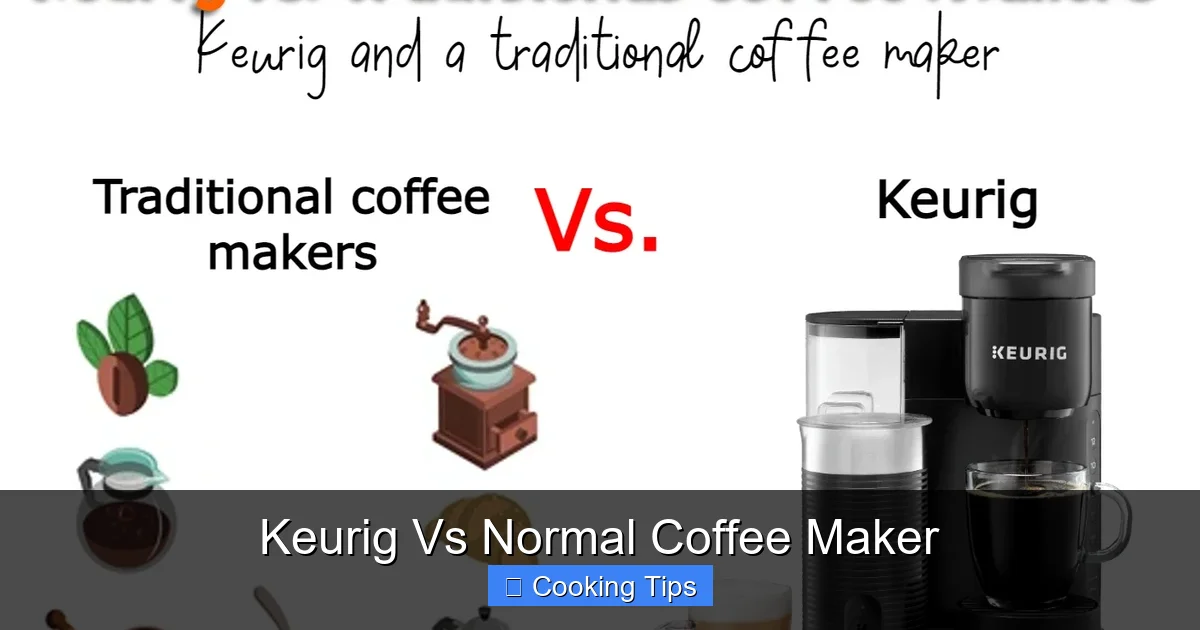
Choosing between a Keurig and a normal coffee maker? This guide breaks down the differences to help you make the perfect choice. We’ll explore convenience, cost, variety, and environmental impact. Get ready to brew your ideal cup with confidence, whether you prioritize speed or a more traditional coffee experience.
Navigating the world of coffee makers can be a delightful, yet sometimes confusing, journey. Two of the most popular contenders are the single-serve Keurig machines and the traditional drip coffee makers. You might be wondering: which one is truly better? The answer isn’t a simple yes or no. It depends entirely on your lifestyle, your coffee preferences, and what you value most in your daily brew.
This comprehensive guide will walk you through the ins and outs of Keurig versus normal coffee makers. We’ll dive deep into their unique features, explore the pros and cons of each, and offer practical tips to help you make an informed decision. By the end of this guide, you’ll have a clear understanding of which coffee maker will best suit your needs and elevate your morning routine.
Key Takeaways
- Speed and Convenience: Keurig machines offer unparalleled speed and single-serve convenience, perfect for busy mornings.
- Variety of Options: Keurig provides a vast array of K-Cup flavors, catering to diverse tastes, while normal makers excel with bulk brewing and custom blends.
- Cost Considerations: While Keurigs have a higher initial cost and K-Cups are generally more expensive per cup, normal coffee makers have lower upfront and running costs.
- Brewing Control and Quality: Normal coffee makers often allow for more control over brewing variables, potentially leading to a more nuanced flavor profile for coffee enthusiasts.
- Environmental Impact: K-Cups generate significant plastic waste, whereas using reusable filters with normal makers is a more eco-friendly choice.
- Maintenance and Cleaning: Both require regular cleaning, but Keurigs can have specific descaling needs, while normal makers might involve more frequent filter changes and pot scrubbing.
- Ideal User: Keurig suits individuals or households prioritizing speed and variety, while normal coffee makers are better for those who enjoy the brewing ritual, value cost-effectiveness, or drink larger quantities.
Understanding the Basic Differences
Before we pit them head-to-head, let’s establish what we mean by “Keurig” and “normal coffee maker.”
Keurig Coffee Makers
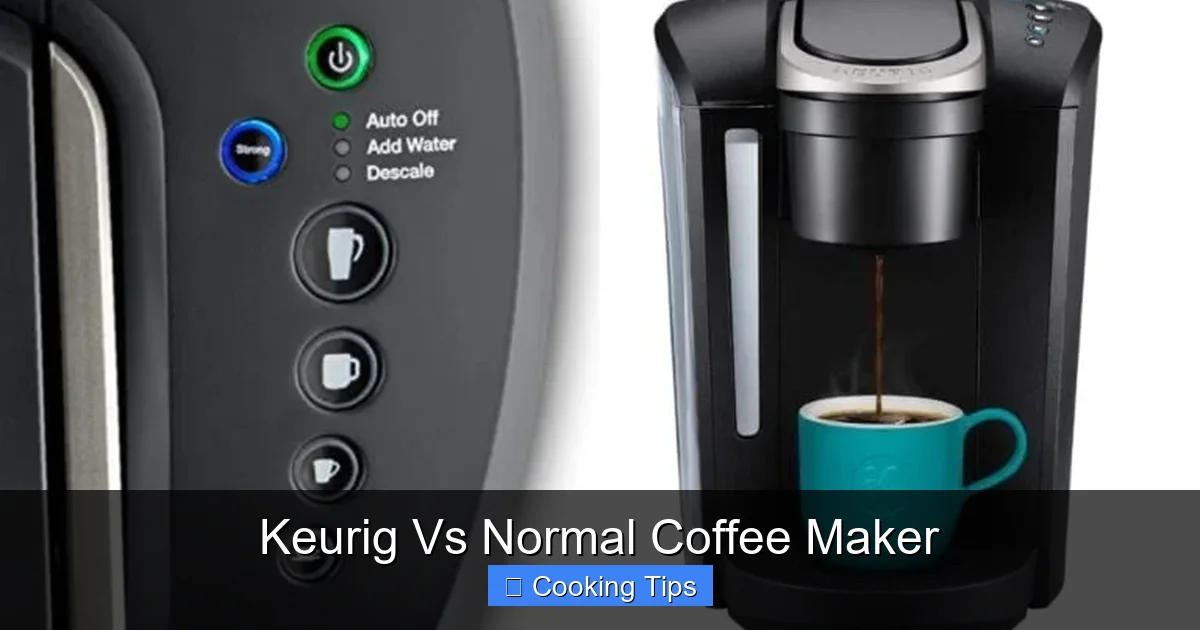
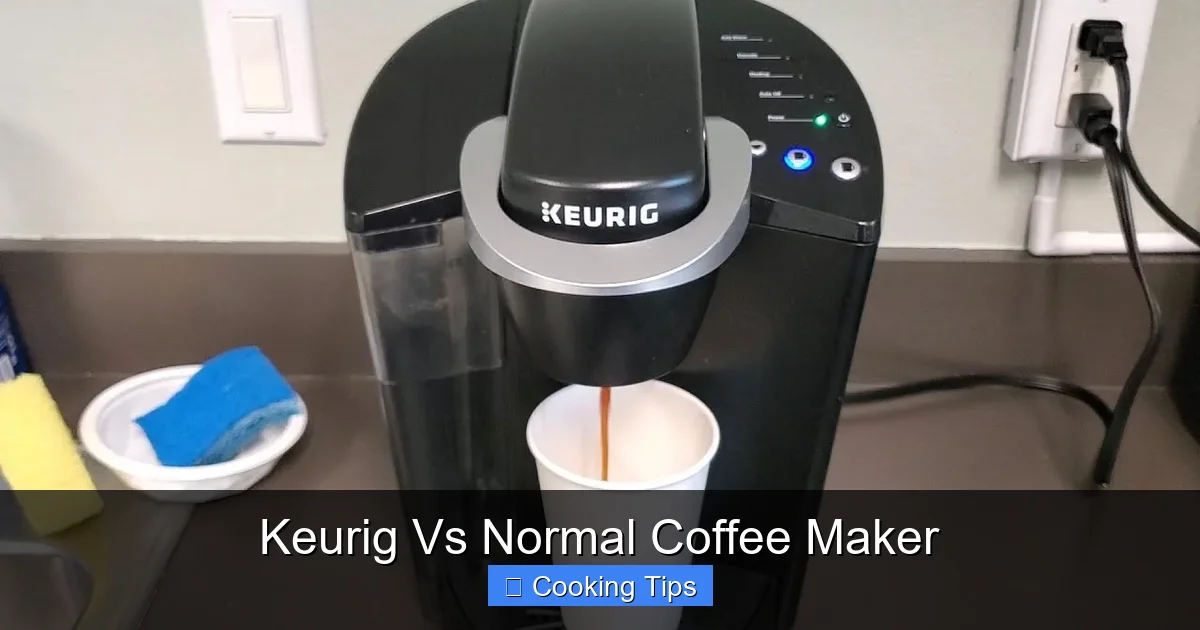
Keurig machines are renowned for their single-serve brewing system. They use pre-packaged coffee pods, known as K-Cups, to brew a single cup of coffee at a time. You simply insert a K-Cup, select your brew size, and press a button. Within minutes, you have a fresh cup of coffee, tea, or hot chocolate.
Normal Coffee Makers (Drip Coffee Makers)
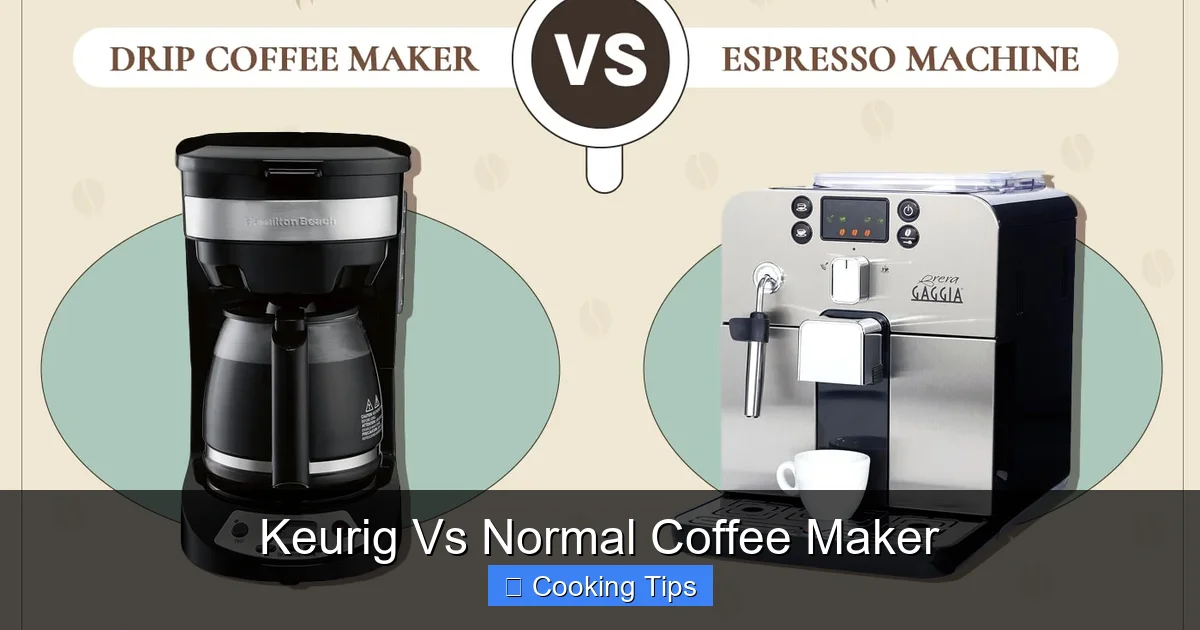
A “normal” coffee maker, more accurately termed a drip coffee maker, is the classic appliance most households are familiar with. It brews coffee by heating water and allowing it to drip through coffee grounds held in a filter basket, collecting the brewed coffee in a carafe. You typically measure your own coffee grounds and water, allowing for more customization.
Keurig: The Convenience Champion
Keurig machines have taken the coffee world by storm due to their incredible convenience. Let’s explore what makes them so appealing.
The Speed Factor
The biggest draw for Keurig is its speed. If you’re constantly on the go or have multiple people in your household with different coffee preferences, a Keurig is a lifesaver.
- Brew Time: Most Keurig machines can brew a cup of coffee in under a minute. This is a stark contrast to traditional drip coffee makers, which can take 5-10 minutes for a full pot.
- No Waiting for Others: Each person can brew their own cup exactly when they want it, eliminating the “who’s next in line?” dilemma.
Unmatched Variety
The K-Cup ecosystem is vast and ever-expanding. There’s a K-Cup for almost every taste imaginable.
- Flavors Galore: From classic roasts like breakfast blend and French roast to more adventurous flavors like hazelnut cream and caramel macchiato, the options are endless.
- Beyond Coffee: You can also find K-Cups for tea, hot chocolate, cider, and even some specialty beverages. This makes a Keurig a versatile beverage station for the whole family.
- Dietary Needs: Some brands offer decaf, sugar-free, and even allergen-friendly K-Cup options.
Ease of Use
Operating a Keurig is incredibly straightforward.
- Simple Steps: Insert K-Cup, add water (if not already filled), select brew size, press button. That’s it!
- Minimal Cleanup: The primary cleanup involves discarding the used K-Cup and occasionally rinsing the drip tray.
The Downsides of Keurig
While convenience is king with Keurigs, there are some significant drawbacks to consider.
Cost Per Cup
This is perhaps the most significant disadvantage. K-Cups, while convenient, are considerably more expensive per cup than brewing with ground coffee.
- Higher Initial Investment: Keurig machines themselves can range from budget-friendly models to more expensive, feature-rich options.
- Ongoing K-Cup Expense: A box of 24 K-Cups can cost anywhere from $10 to $20 or more, depending on the brand and flavor. This adds up quickly compared to buying a bag of ground coffee.
Environmental Concerns
The single-use nature of K-Cups has raised considerable environmental concerns.
- Plastic Waste: The plastic pods are often difficult to recycle and contribute to landfill waste. While some companies are developing recyclable K-Cups, widespread adoption and proper recycling infrastructure are still challenges.
- Resource Consumption: Manufacturing millions of individual plastic pods also has a significant environmental footprint.
Brewing Quality and Customization
For serious coffee aficionados, Keurigs may fall short in terms of brewing quality and control.
- Limited Control: You can’t typically adjust water temperature, brew time, or the amount of coffee grounds used. This limits your ability to fine-tune the brew to your exact preferences.
- Flavor Profile: Some argue that the pre-measured grounds in K-Cups don’t allow for the same freshness and nuanced flavor extraction as grinding your own beans right before brewing.
Normal Coffee Makers: The Traditionalist’s Choice
Traditional drip coffee makers have been a staple in kitchens for decades for good reason. They offer a different set of advantages.
Cost-Effectiveness
When it comes to your wallet, normal coffee makers are generally the more economical choice.
- Lower Upfront Cost: Basic drip coffee makers can be purchased for very little money, and even high-end models are often more affordable than comparable Keurig machines.
- Cheaper Coffee: Buying whole beans or ground coffee in bulk is significantly cheaper per cup than purchasing K-Cups. A bag of coffee can make dozens of cups for the price of a single K-Cup.
- Reusable Filters: Using a reusable mesh filter or cloth filter eliminates the need for disposable paper filters, saving money and reducing waste.
Greater Control and Customization
For those who appreciate the art of coffee brewing, normal coffee makers offer more control.
- Grind Size: You can experiment with different grind sizes to find what works best for your coffee beans and brewing method.
- Coffee-to-Water Ratio: You decide precisely how much coffee grounds to use for your desired strength.
- Water Temperature: While not all basic models offer this, some higher-end drip coffee makers allow you to adjust water temperature, which significantly impacts flavor extraction.
Brewing Larger Quantities
If you’re a coffee lover who enjoys multiple cups throughout the day, or you regularly host guests, a drip coffee maker is the practical choice.
- Carafe Brewing: Most drip coffee makers brew a pot of coffee, typically ranging from 4 to 12 cups. This means you can pour yourself a second or third cup without brewing again.
- Convenience for Groups: Ideal for mornings when multiple people need coffee, or for gatherings.
Environmental Friendliness
Compared to the waste generated by K-Cups, traditional drip coffee makers are a more environmentally conscious option.
- Reusable Filters: As mentioned, reusable filters drastically reduce waste.
- Compostable Grounds: Used coffee grounds are compostable and can be used to enrich your garden.
- Less Plastic: The overall material usage is typically less than that of individual K-Cups.
The Drawbacks of Normal Coffee Makers
Despite their many advantages, normal coffee makers aren’t without their limitations.
Time and Effort
Brewing a pot of coffee requires more steps and time than a Keurig.
- Preparation: You need to measure coffee grounds, add water, and potentially insert a filter.
- Brew Time: It takes longer to brew a full pot.
- Cleanup: While not overly burdensome, cleaning the coffee pot, filter basket, and disposing of grounds takes a bit more effort than tossing a K-Cup.
Less Variety (Unless You Buy Different Coffees)
The variety of flavors is limited by the coffee you purchase.
- Single Flavor Per Pot: You can only brew one type of coffee at a time. If someone wants decaf and another wants regular, you’ll need to brew separate pots or make compromises.
- Requires Storing Different Coffees: To have variety, you need to purchase and store multiple types of coffee beans or grounds.
Potential for Stale Coffee
If you don’t drink the entire pot quickly, the coffee remaining in the carafe can become stale and bitter, especially if the warming plate is very hot.
- Warming Plate Issues: Extended time on a hot plate can degrade the coffee’s flavor.
- Brewing Too Much: If you only want one cup, brewing a whole pot might lead to waste if you don’t drink it all.
Comparing Key Features Side-by-Side
Let’s summarize the main differences in a direct comparison.
Brewing Method
Keurig: Single-serve, pod-based infusion.
Visual guide about Keurig Vs Normal Coffee Maker
Image source: coffeeaffection.com
Visual guide about Keurig Vs Normal Coffee Maker
Image source: roastycoffee.com
Visual guide about Keurig Vs Normal Coffee Maker
Image source: i.ytimg.com
Normal Coffee Maker: Drip brewing, grounds-based infusion.
Speed
Keurig: Very fast (under 1 minute per cup).
Normal Coffee Maker: Slower (5-10 minutes for a pot).
Variety of Beverages
Keurig: Wide range of K-Cups (coffee, tea, hot chocolate, etc.).
Normal Coffee Maker: Limited to coffee (or whatever you can infuse with grounds).
Cost Per Cup
Keurig: Higher.
Normal Coffee Maker: Lower.
Environmental Impact
Keurig: Higher (plastic waste from K-Cups).
Normal Coffee Maker: Lower (especially with reusable filters).
Ease of Use
Keurig: Extremely easy.
Normal Coffee Maker: Moderately easy.
Brewing Control
Keurig: Very limited.
Normal Coffee Maker: More control possible.
Quantity
Keurig: Single cup.
Normal Coffee Maker: Multiple cups (carafe).
Making Your Decision: Which One is Right for You?
To help you decide, consider these questions about your daily coffee habits:
Are you always in a rush?
If your mornings are a whirlwind and you need coffee as quickly as possible, a Keurig is likely your best bet. The speed and simplicity are unmatched.
Do you drink multiple cups throughout the day or often host guests?
If you’re a heavy coffee drinker or regularly make coffee for others, a drip coffee maker with a carafe is more practical and cost-effective.
Do you enjoy experimenting with different coffee flavors and brewing techniques?
A normal coffee maker offers more control over grind, ratio, and potentially temperature, allowing for a more artisanal approach. If you’re a coffee connoisseur, you might prefer this.
What is your budget for both the machine and ongoing coffee costs?
If you’re on a tight budget, both initially and long-term, a drip coffee maker with bulk coffee is the clear winner.
How important is environmental sustainability to you?
If minimizing waste is a priority, a normal coffee maker with reusable filters is the more eco-friendly option.
Do you or people you live with have diverse beverage preferences?
A Keurig shines here, offering a wide array of hot drinks beyond just coffee.
Tips for Maximizing Your Coffee Experience
No matter which machine you choose, a few tips can enhance your coffee.
For Keurig Users:
- Use Filtered Water: Just like any coffee maker, using filtered water will improve the taste and help prevent mineral buildup, extending your machine’s life.
- Descaling is Key: Follow your Keurig’s instructions for regular descaling to maintain optimal performance and taste.
- Explore Reusable K-Cups: If you want more control over your coffee grounds or to reduce waste, consider investing in a reusable K-Cup filter that you can fill yourself.
- Clean Regularly: Wipe down the exterior, rinse the drip tray, and run a cleansing brew cycle periodically.
For Normal Coffee Maker Users:
- Grind Fresh: Grinding your coffee beans right before brewing makes a significant difference in flavor.
- Use a Scale: For precise brewing, measure your coffee grounds and water by weight rather than volume.
- Clean Your Machine: Regularly clean the carafe, filter basket, and run a descaling solution through the machine to remove mineral deposits.
- Store Coffee Properly: Keep whole beans or ground coffee in an airtight container away from light, heat, and moisture.
Conclusion: The Brew That Fits Your Life
Ultimately, the “best” coffee maker is the one that aligns perfectly with your lifestyle and preferences. The Keurig offers unparalleled speed, variety, and simplicity for those who value convenience above all else. It’s perfect for busy individuals, households with diverse tastes, or anyone who enjoys a quick, hassle-free cup.
On the other hand, the traditional drip coffee maker is the champion of cost-effectiveness, customization, and larger batch brewing. It appeals to coffee enthusiasts who enjoy the ritual of brewing, those who are budget-conscious, and anyone who regularly needs more than a single cup.
By understanding the strengths and weaknesses of both Keurig and normal coffee makers, you can confidently choose the appliance that will consistently deliver your perfect cup, every single time. Happy brewing!
