

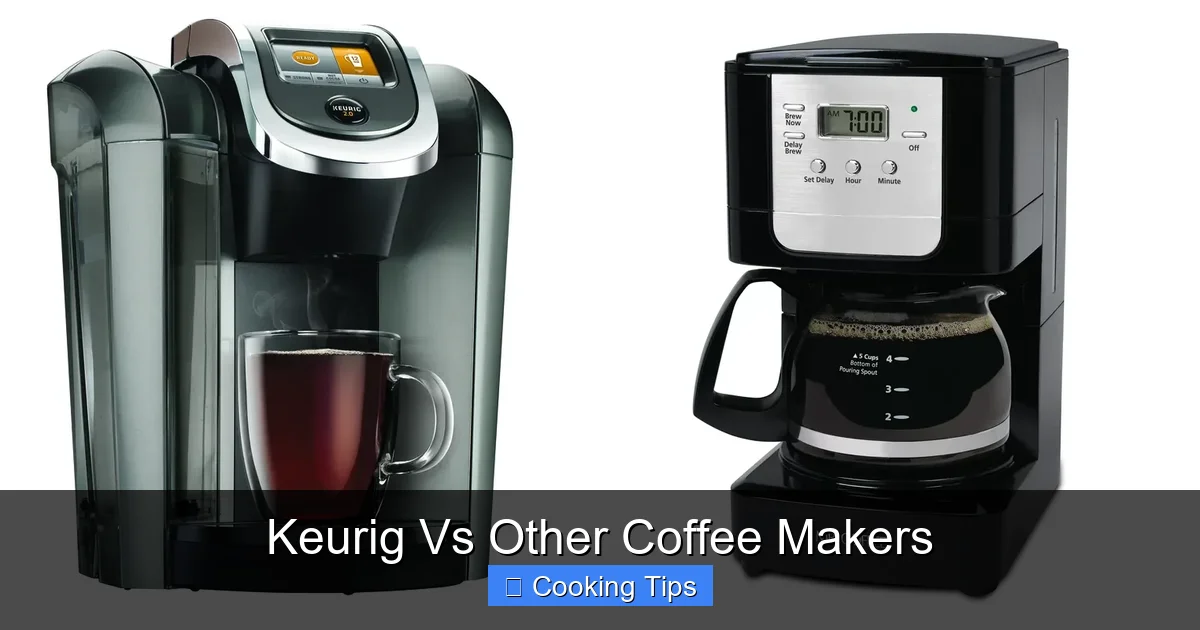
Choosing between a Keurig and other coffee makers can be a tough decision. This guide breaks down the pros and cons of Keurig machines, comparing them to popular alternatives like drip coffee makers, French presses, and espresso machines. Learn about convenience, cost, taste, and environmental impact to make an informed choice for your ideal cup of coffee.
Key Takeaways
- Keurig’s Convenience: Keurig coffee makers offer unparalleled speed and simplicity for single servings, ideal for busy mornings.
- Cost Considerations: While the initial Keurig machine cost can be moderate, K-Cup pods represent a recurring expense that can add up over time.
- Variety vs. Customization: Keurig excels in offering a vast selection of pre-packaged coffee flavors, while other methods allow for greater control over bean type, grind, and brew strength.
- Environmental Impact: The single-use nature of K-Cups raises environmental concerns, though reusable K-Cup options and recycling programs are becoming more prevalent.
- Drip Coffee Maker Versatility: Drip coffee makers are a popular choice for brewing larger batches of coffee, offering a balance of convenience and cost-effectiveness.
- French Press for Flavor: For coffee enthusiasts prioritizing rich, full-bodied flavor, the French press offers an immersive brewing experience.
- Espresso Machine for Intensity: Espresso machines provide the ability to create concentrated coffee shots and milk-based espresso drinks, but often come with a higher price tag and learning curve.
Keurig vs. Other Coffee Makers: Finding Your Perfect Brew
So, you’re in the market for a new coffee maker. The aroma of freshly brewed coffee is a daily ritual for many, and choosing the right machine is crucial to enjoying that perfect cup. In the world of coffee brewing, one name often pops up: Keurig. But is a Keurig the best option for *you*? This comprehensive guide will dive deep into the Keurig vs. other coffee makers debate. We’ll explore the unique features of Keurig machines and compare them to popular alternatives like drip coffee makers, French presses, and espresso machines. By the end of this guide, you’ll have a clear understanding of each brewing method’s strengths and weaknesses, empowering you to make an informed decision that fits your lifestyle, budget, and coffee preferences.
Let’s face it, mornings can be hectic. The need for a quick, consistent cup of coffee is paramount for many of us. Keurig has built its brand around this very need, offering a seemingly effortless way to get your caffeine fix. But before you click “add to cart,” it’s important to understand what you’re getting into and how it stacks up against the tried-and-true methods and other innovative brewing solutions available today. We’ll cover everything from the initial purchase price to the ongoing costs, the taste experience, and even the environmental impact.
Understanding the Keurig System
Visual guide about Keurig Vs Other Coffee Makers
Image source: coffeeorbust.com
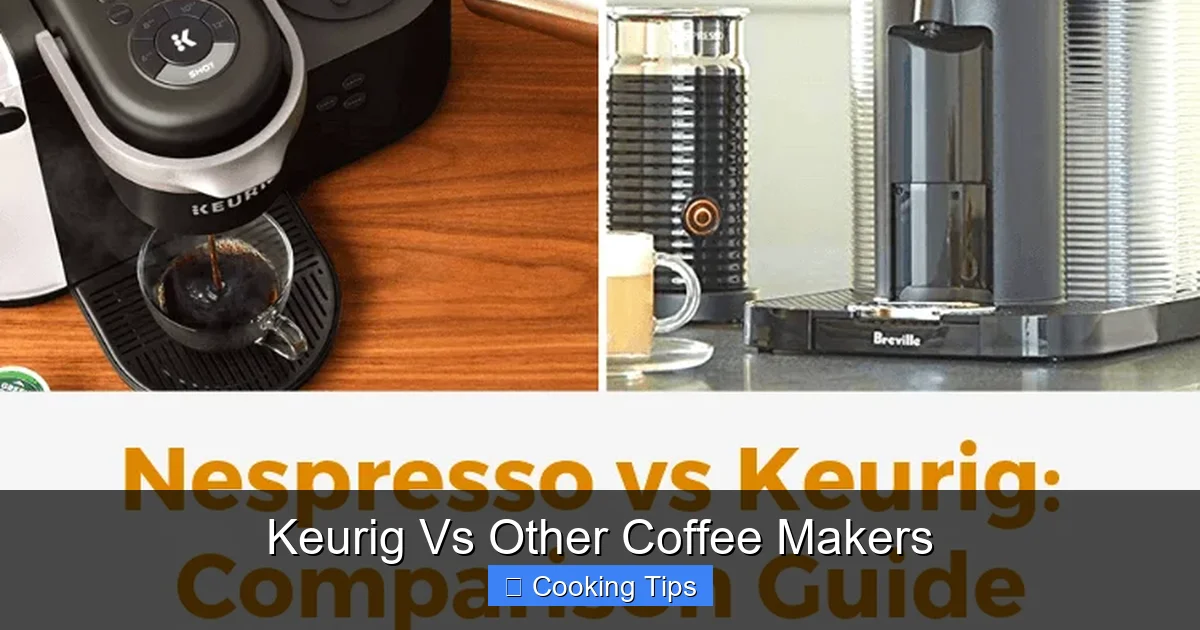
Keurig machines, often referred to as single-serve coffee makers, revolutionized how many people brew coffee at home. Their core innovation lies in the use of pre-portioned coffee pods, known as K-Cups.
How a Keurig Works
The process is remarkably simple:
- Insert a K-Cup: You place a K-Cup pod into the designated slot in the machine.
- Add Water: You fill the machine’s water reservoir.
- Select Size and Brew: You choose your desired brew size (e.g., 6 oz, 8 oz, 10 oz) and press the brew button.
The machine punctures the K-Cup, forces hot water through the coffee grounds inside, and dispenses a fresh cup of coffee into your mug in under a minute.
The Appeal of Keurig
The primary draw of a Keurig is its unmatched convenience and speed.
- Speed: Get a hot cup of coffee in less than 60 seconds.
- Simplicity: No grinding beans, no measuring coffee grounds, no complex cleanup.
- Variety: A vast selection of K-Cups means you can easily switch between different coffee brands, roasts, and even teas and hot chocolate.
- Single-Serve: Perfect for households where not everyone drinks coffee, or if you only want one cup at a time.
The Downsides of Keurig
Visual guide about Keurig Vs Other Coffee Makers
Image source: kitchensanity.com
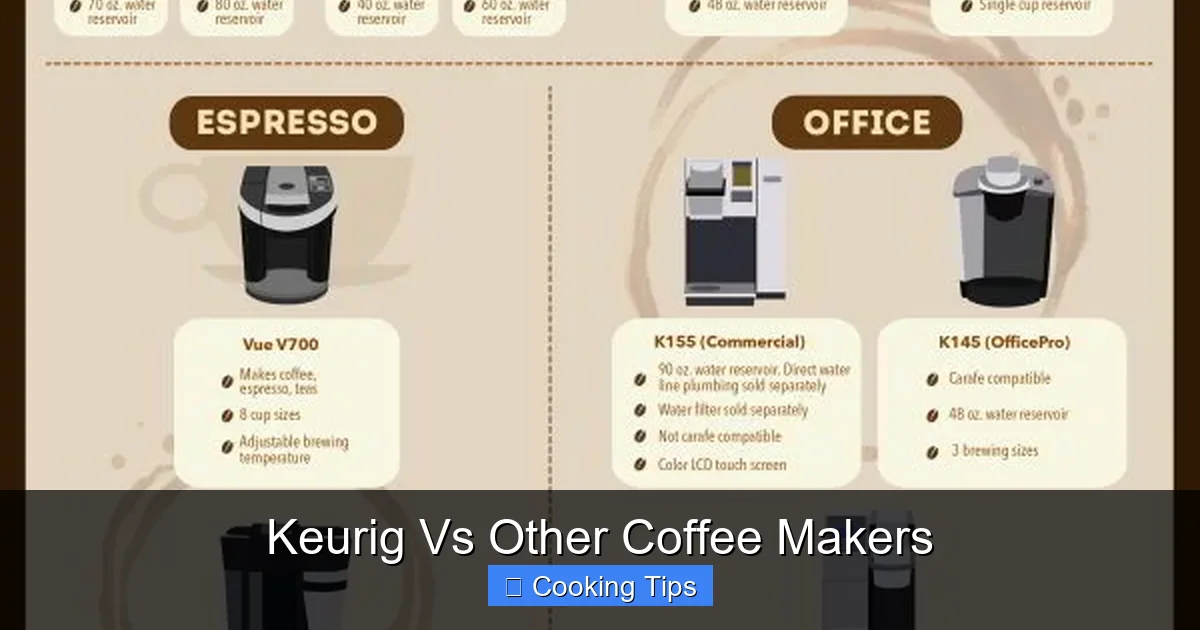
While convenience is king with Keurig, there are some significant drawbacks to consider.
- Cost of K-Cups: The biggest long-term expense for Keurig owners is the K-Cup pods. While convenient, they are often more expensive per cup than brewing with ground coffee.
- Environmental Impact: The vast majority of K-Cups are made of plastic and are not easily recyclable, contributing to landfill waste. While reusable K-Cup filters exist, they add an extra step to the brewing process.
- Taste Quality: Some coffee aficionados argue that the taste of Keurig coffee can be inferior to coffee brewed using other methods, as the grounds are often stale by the time they are brewed and the brewing process itself can be less nuanced.
- Limited Customization: You have very little control over the brewing process itself. You can’t adjust the water temperature or the saturation time of the grounds, which are key factors in extracting optimal flavor.
Exploring Other Coffee Maker Options
Visual guide about Keurig Vs Other Coffee Makers
Image source: rankedthings.com
Now, let’s explore the landscape of other coffee makers and see how they compare to the Keurig.
Drip Coffee Makers
Drip coffee makers are perhaps the most common type of coffee maker found in homes and offices worldwide. They are known for their ability to brew larger batches of coffee.
How Drip Coffee Makers Work
A drip coffee maker works by heating water and then dripping it over coffee grounds placed in a filter basket. The brewed coffee then collects in a carafe below.
- Add Water: Fill the reservoir with water.
- Add Filter and Coffee: Place a paper filter in the basket and add your desired amount of ground coffee.
- Brew: Turn on the machine, and it will heat and drip water through the grounds.
Pros of Drip Coffee Makers
- Batch Brewing: Ideal for making multiple cups of coffee at once, perfect for families or entertaining guests.
- Cost-Effective: The cost per cup of coffee is significantly lower when using ground coffee compared to K-Cups.
- Variety of Options: Available in a wide range of sizes and with various features, from basic models to programmable machines with built-in grinders.
- Good Flavor for the Price: Many drip coffee makers can produce a very satisfying cup of coffee, especially when using fresh, quality beans.
Cons of Drip Coffee Makers
- Takes Longer: Brewing a full pot can take 5-10 minutes, depending on the machine and the amount of coffee being brewed.
- Cleanup: Requires washing the carafe, filter basket, and sometimes the brew head.
- Less Ideal for Single Servings: Brewing a single cup can be inefficient and may not yield the best results.
French Press
The French press is a classic brewing method that offers a rich, full-bodied coffee experience. It’s favored by those who appreciate a more hands-on approach and a bold flavor profile.
How a French Press Works
A French press consists of a glass or metal beaker, a plunger with a mesh filter, and a lid.
- Add Coffee and Water: Coarsely ground coffee is added to the beaker, followed by hot water.
- Steep: The coffee and water are left to steep for about 4 minutes.
- Plunge: The plunger is slowly pressed down, separating the coffee grounds from the liquid.
Pros of a French Press
- Rich, Full-Bodied Flavor: The mesh filter allows more of the coffee’s natural oils to pass through, resulting in a richer taste and mouthfeel.
- Control Over Brew: You have complete control over the coffee-to-water ratio, water temperature, and steeping time.
- No Paper Filters Needed: More environmentally friendly and cost-effective in the long run.
- Relatively Inexpensive: Basic French presses are very affordable.
Cons of a French Press
- Requires Coarse Grind: Using the wrong grind size can result in a muddy cup or a filter that’s hard to press.
- Takes More Effort: It’s a manual process that requires more attention than a Keurig or drip machine.
- Cleanup Can Be Messy: Disposing of the wet coffee grounds can be a bit messy.
- Not Ideal for Large Batches: Primarily suited for brewing one or two cups at a time.
Espresso Machines
Espresso machines are for those who crave the intense flavor of espresso, the foundation for drinks like lattes, cappuccinos, and americanos.
How Espresso Machines Work
Espresso machines force hot water at high pressure through finely-ground coffee beans.
- Prepare Coffee: Fine grounds are tamped into a portafilter.
- Brew: The portafilter is locked into the machine, and hot, pressurized water is forced through the grounds.
- Serve: A concentrated shot of espresso is dispensed.
Pros of Espresso Machines
- Authentic Espresso: The only way to make true espresso at home.
- Versatile Drinks: Enables the creation of a wide range of espresso-based beverages.
- Rich Flavor: Produces a highly concentrated and flavorful coffee.
Cons of Espresso Machines
- Expensive: Espresso machines can range from a few hundred dollars to several thousand.
- Learning Curve: Mastering the art of pulling a perfect shot requires practice and understanding of grind size, tamping, and extraction time.
- Maintenance: Requires regular cleaning and descaling to maintain performance.
- Time-Consuming: Preparing an espresso shot and subsequent drink can take several minutes.
Pour-Over Coffee Makers
Pour-over methods, like the Hario V60 or Chemex, offer a hands-on approach to brewing, allowing for incredible control and a nuanced flavor.
How Pour-Over Coffee Works
Hot water is slowly poured over coffee grounds in a filter, allowing the coffee to drip into a carafe or mug.
- Prepare Filter and Grounds: Place a filter in the brewer, rinse it with hot water, and add medium-fine coffee grounds.
- Bloom: Pour a small amount of hot water over the grounds to let them “bloom” (release CO2).
- Pour: Slowly and evenly pour the remaining hot water in concentric circles over the grounds.
Pros of Pour-Over
- Exceptional Flavor Control: Allows for precise control over water temperature, pour rate, and bloom, resulting in a clean and nuanced cup.
- Highlights Bean Characteristics: Excellent for appreciating the subtle flavors of single-origin coffees.
- Minimalist and Affordable: The brewing devices themselves are often very inexpensive.
- Engaging Process: A meditative and rewarding brewing experience for coffee lovers.
Cons of Pour-Over
- Requires Skill and Practice: Mastering the technique takes time and attention.
- Time-Consuming: Each cup or small batch takes several minutes to brew.
- Requires Specific Equipment: A gooseneck kettle is highly recommended for controlled pouring.
Making Your Decision: Keurig vs. Others
When deciding between a Keurig and another type of coffee maker, consider these key factors:
1. Convenience and Speed
If your absolute top priority is a quick cup of coffee with minimal effort, the Keurig is hard to beat. The one-touch operation and rapid brewing time are its strongest selling points.
2. Cost
* Initial Machine Cost: Keurig machines can range from budget-friendly to premium models. Drip coffee makers are generally very affordable. French presses and pour-over devices are usually the least expensive upfront. Espresso machines are the most costly.
* Ongoing Cost (Per Cup): This is where Keurig can become expensive. K-Cups are pricier per serving than buying ground coffee for a drip machine, French press, or pour-over. Espresso beans also add to the cost.
3. Coffee Quality and Taste
* **For Simplicity and Variety:** Keurig offers a wide array of flavors and brands, but sacrifices some nuance in taste for many purists.
* **For Consistent, Good Coffee:** Drip coffee makers are a solid choice for everyday drinking, especially for those who enjoy a larger quantity.
* **For Rich, Bold Flavor:** The French press excels at extracting deep, robust flavors.
* **For Nuanced, Clean Flavors:** Pour-over brewing brings out the delicate notes of high-quality beans.
* **For Intense Coffee and Specialty Drinks:** Espresso machines are the only option for true espresso lovers.
4. Environmental Impact
This is a significant concern with Keurig. If you’re environmentally conscious, you’ll want to explore reusable K-Cup options or lean towards methods that don’t generate single-use waste. Drip coffee makers (especially with reusable filters), French presses, and pour-over methods are generally more eco-friendly.
5. Household Needs
* **Single Person or Busy Individual:** Keurig, pour-over, or a small drip coffee maker.
* **Family or Office:** A larger drip coffee maker is usually the most practical.
* **Coffee Enthusiasts:** French press, pour-over, or an espresso machine, depending on their preference.
Troubleshooting Common Coffee Maker Issues
No matter which coffee maker you choose, you might encounter a few common problems.
Keurig Troubleshooting
* Weak Coffee: Ensure you’re using the correct pod size and that the water reservoir is adequately filled. Try a different brand of K-Cup.
* Machine Not Brewing: Check that the power cord is plugged in, the water reservoir is seated correctly, and there are no clogs in the exit needle.
* Coffee Tastes Burnt/Stale: This can be an issue with the K-Cup itself. Try a fresh pod. Also, descale your machine regularly.
Drip Coffee Maker Troubleshooting
* Coffee Tastes Bitter: The water might be too hot, or the coffee grounds are too fine. Ensure you’re using fresh coffee and the correct grind size. Clean the machine.
* Coffee Tastes Weak: Not enough coffee grounds were used, or the water temperature is too low. Check the brew cycle.
* Machine Leaking: The water reservoir might be cracked or not properly seated. The carafe might be damaged.
French Press Troubleshooting
* Muddy Coffee: The grind is too fine. You need a coarser grind.
* Plunger Hard to Press: Again, likely a grind issue. Also, ensure the coffee grounds aren’t packed too tightly.
* Coffee Tastes Weak: Not enough coffee grounds, or the steeping time was too short.
Conclusion
The battle of Keurig vs. other coffee makers isn’t about declaring a single winner. It’s about understanding what each method offers and aligning that with your personal coffee journey. The Keurig undeniably shines in its ability to deliver speed and variety with minimal effort, making it a popular choice for those who prioritize convenience above all else.
However, for those who seek a deeper connection with their coffee – whether it’s through rich, bold flavor, a hands-on brewing ritual, or the ability to craft nuanced cups – other coffee makers present compelling alternatives. Drip coffee makers offer a balanced approach for everyday brewing, French presses deliver a full-bodied experience, pour-over methods unlock subtle complexities, and espresso machines cater to the dedicated espresso lover.
Ultimately, the “best” coffee maker is the one that consistently delivers your perfect cup, fits seamlessly into your daily routine, and aligns with your values, whether that’s speed, taste, cost, or environmental consciousness. So, take stock of your priorities, experiment with different brewing methods if you can, and embark on your own delicious coffee adventure.
