

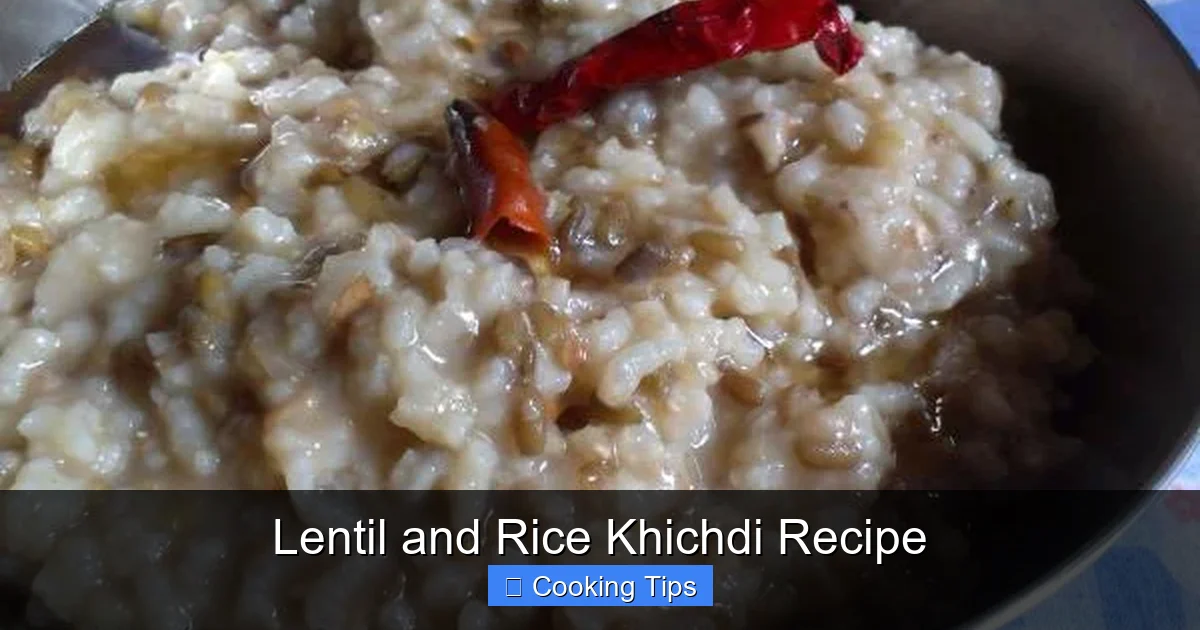
Learn how to make delicious and healthy Lentil and Rice Khichdi with this comprehensive guide. We cover everything from choosing ingredients to perfect cooking techniques, ensuring a comforting and nutritious meal every time. This recipe is perfect for beginners and experienced cooks alike, offering a wholesome dish that’s easy to digest and highly customizable.
Welcome to your ultimate guide to making the perfect Lentil and Rice Khichdi! If you’re looking for a dish that is both incredibly comforting and wonderfully nutritious, you’ve come to the right place. Khichdi is a staple in Indian households for good reason. It’s a simple, one-pot meal that’s easy to digest, making it a favorite for all ages, especially when someone is feeling under the weather.
This guide will walk you through every step of creating a delicious khichdi from scratch. We’ll cover everything from selecting the best ingredients to mastering the cooking process and adding your personal touch. Whether you’re a beginner cook or an experienced foodie, you’ll find the tips and techniques here invaluable. Get ready to create a dish that’s not just food, but a bowl full of warmth and goodness.
Key Takeaways
- Understanding the Basics: Khichdi is a simple, one-pot Indian dish made from lentils and rice, known for its comfort food status and digestive benefits.
- Ingredient Selection: The type of lentils and rice you choose significantly impacts the texture and flavor of your khichdi.
- The Sauté Technique: Properly sautéing aromatics like onions, ginger, and garlic is crucial for building a flavorful base.
- Achieving the Perfect Consistency: Water-to-rice-and-lentil ratio is key to getting a creamy, porridge-like texture or a firmer, separated grain consistency.
- Flavor Enhancements: Spices are vital for taste; common additions include turmeric, cumin, coriander, and garam masala.
- Customization Options: Khichdi is incredibly versatile. You can add vegetables, different spices, or serve it with various accompaniments for diverse flavor profiles.
- Troubleshooting Common Issues: Learn how to fix khichdi that is too thick, too watery, or bland.
What is Lentil and Rice Khichdi?
At its core, Lentil and Rice Khichdi is a humble yet satisfying dish made by cooking rice and lentils together. It’s often described as a savory porridge or a soft, mushy rice and lentil mixture. The beauty of khichdi lies in its simplicity and its ability to absorb flavors beautifully. It’s a base that can be adapted to countless variations, depending on regional preferences and personal taste. It is often considered a “comfort food” due to its mild flavors and soft texture, making it easy on the stomach.
Ingredients You’ll Need
The beauty of khichdi is its simplicity, requiring just a few pantry staples. However, the quality of your ingredients will shine through.
For the Base:
- 1 cup Basmati rice (or any short-grain rice like Sona Masoori)
- 1/2 cup Moong dal (split and hulled yellow lentils)
- 4 cups Water (adjust for desired consistency)
- 2 tablespoons Ghee (clarified butter) or cooking oil
Aromatics & Spices:
- 1 medium Onion, finely chopped
- 1-inch Ginger, grated or finely chopped
- 2-3 cloves Garlic, minced
- 1 Green chili, slit (optional, for heat)
- 1/2 teaspoon Turmeric powder
- 1 teaspoon Cumin seeds
- 1/2 teaspoon Coriander powder
- A pinch of Asafoetida (Hing) – optional, but adds a unique flavor and aids digestion
- Salt to taste
For Garnish (Optional):
- Fresh Coriander leaves, chopped
- A dollop of extra ghee
Step-by-Step Instructions
Let’s get cooking! Follow these steps for a delightful bowl of khichdi.
Step 1: Prepare Your Lentils and Rice
The first step is to ensure your rice and lentils are clean and ready for cooking. This ensures no grit and even cooking.
Rinse the Lentils:
Take the 1/2 cup of moong dal and place it in a sieve. Rinse it thoroughly under cold running water until the water runs clear. This removes any dust or impurities. Some people prefer to lightly roast the moong dal in a dry pan for a minute or two until it becomes fragrant before rinsing. This is optional but can enhance the nutty flavor.
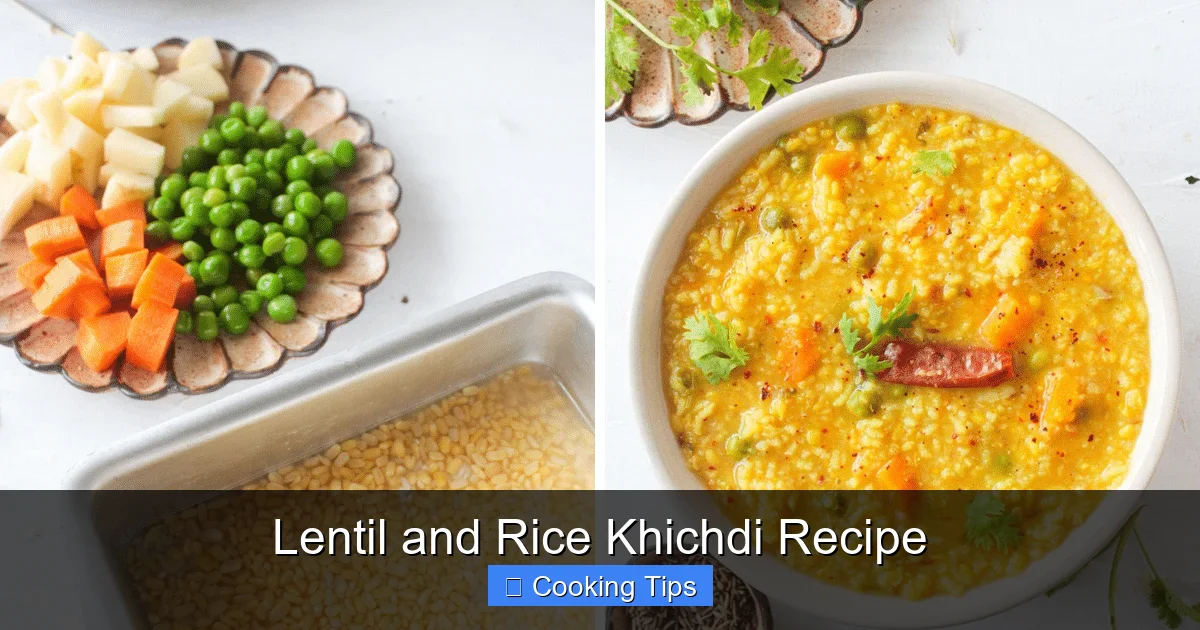
Visual guide about Lentil and Rice Khichdi Recipe
Image source: cookingtheglobe.com
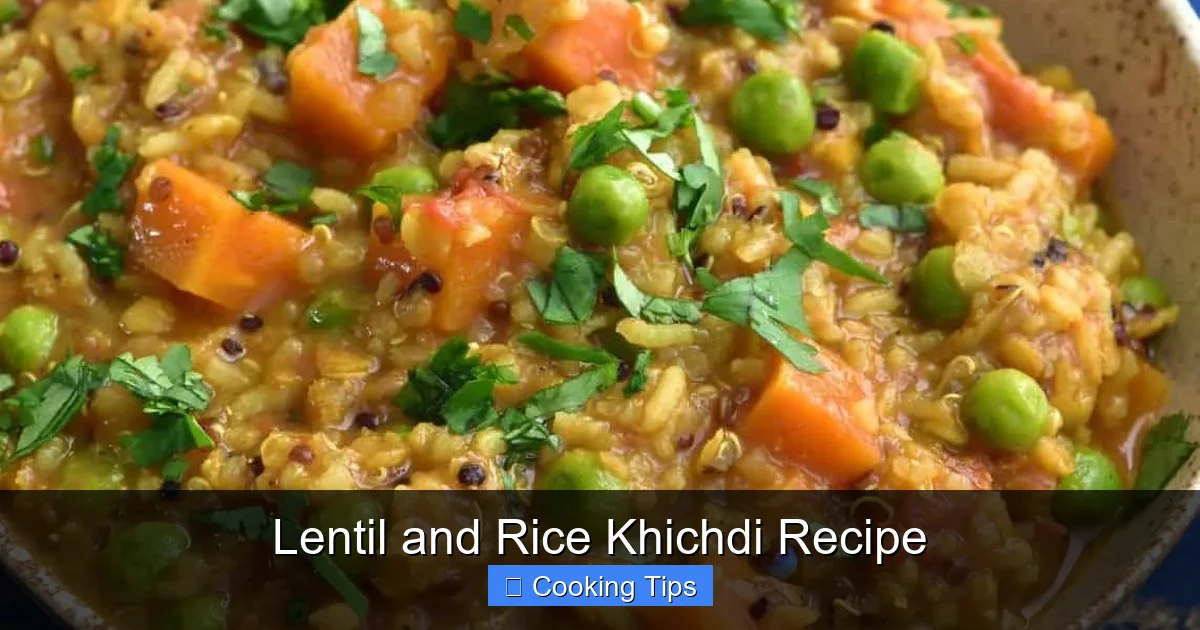
Visual guide about Lentil and Rice Khichdi Recipe
Image source: secondrecipe.com
Rinse the Rice:
In a separate bowl, take 1 cup of rice. Rinse it under cold running water a couple of times until the water is no longer cloudy. Drain well.
Combine Rice and Lentils:
Once rinsed, you can either keep them separate or combine them in the cooking pot. For this recipe, we’ll assume you will add them to the pot as you go.
Step 2: Sauté the Aromatics
This is where the flavor foundation of your khichdi is built. Don’t rush this step!
Heat the Ghee:
Place a heavy-bottomed pot or a pressure cooker over medium heat. Add 2 tablespoons of ghee or cooking oil. Let it heat up until it shimmers gently.
Temper the Spices:
Add 1 teaspoon of cumin seeds to the hot ghee. Let them splutter and turn golden brown. This releases their aroma. If you are using asafoetida (hing), add it now. Be careful not to burn them.
Sauté Onions:
Add the finely chopped onion to the pot. Sauté the onions until they become soft and translucent, stirring occasionally. This might take about 3-4 minutes.
Add Ginger and Garlic:
Now, add the grated ginger and minced garlic. Sauté for another minute until their raw smell disappears and they become fragrant. Be careful not to burn the garlic, as it can turn bitter.
Add Green Chili (if using):
If you are using a green chili, add it now and sauté for about 30 seconds. Adjust the number of chilies based on your spice preference.
Step 3: Add Dry Spices and Lentils
Now, we incorporate the spices and the star ingredients – lentils and rice.
Add Turmeric and Coriander Powder:
Lower the heat slightly. Add 1/2 teaspoon of turmeric powder and 1/2 teaspoon of coriander powder. Stir well and cook for about 30 seconds, allowing the spices to bloom in the hot ghee. This enhances their flavor and color.
Add the Lentils:
Add the rinsed moong dal to the pot. Stir it around for about a minute, coating it with the spices and aromatics. This step helps the lentils absorb flavors better and prevents them from becoming mushy.
Step 4: Add Rice, Water, and Salt
This is the crucial stage where everything comes together to cook.
Add the Rice:
Add the rinsed rice to the pot. Stir gently to combine it with the lentils and the sautéed aromatics. Cook for another minute, stirring to lightly toast the rice.
Pour in Water:
Pour in 4 cups of water. The amount of water is crucial for the consistency. For a porridge-like consistency, you’ll need more water. For a slightly firmer khichdi, use less. We’ll discuss consistency adjustments later.
Add Salt:
Add salt to taste. It’s important to season generously, as the rice and lentils will absorb a lot of it. You can always adjust salt later if needed.
Step 5: Cook the Khichdi
Now, it’s time to let the magic happen! You can cook this on the stovetop or in a pressure cooker.
Stovetop Method:
Bring the mixture to a boil over medium-high heat. Once boiling, reduce the heat to low, cover the pot tightly with a lid, and let it simmer gently for about 20-25 minutes. Stir occasionally to prevent the bottom from sticking.
The khichdi is ready when the rice and lentils are cooked through and have a soft, mushy texture. If it seems too thick, you can add a little hot water and stir.
Pressure Cooker Method:
If using a pressure cooker, close the lid securely. Cook on medium heat for 3-4 whistles. Allow the pressure to release naturally before opening the lid. This method is faster and ensures the khichdi is perfectly cooked.
Step 6: Garnish and Serve
The final touches make all the difference.
Check Consistency:
Once cooked, open the lid (after pressure has released if using a cooker). Stir the khichdi well. If it’s too thick, add a splash of hot water and stir until you reach your desired consistency. If it’s too watery, you can simmer it uncovered for a few more minutes to let some of the liquid evaporate.
Add Garnish:
Garnish with freshly chopped coriander leaves. For an extra touch of richness and flavor, add a dollop of ghee on top just before serving. This is a classic way to enjoy khichdi!
Serving Suggestions:
Serve hot! Lentil and Rice Khichdi is traditionally served with plain yogurt (dahi), a side of pickle (achar), and sometimes a dollop of papad. You can also serve it with a simple salad or chutney.
Tips for Perfect Lentil and Rice Khichdi
Making khichdi is straightforward, but a few tips can elevate it from good to amazing.
- Rice Variety Matters: While Basmati is excellent for its fragrance, shorter grains like Sona Masoori or even brown rice (though it will take longer to cook) can be used. Each will give a slightly different texture.
- Lentil Options: While moong dal is traditional and makes a creamy khichdi, you can also use masoor dal (red lentils) or a mix of both. Toor dal (split pigeon peas) can also be used, but it might require longer cooking time.
- Roast Your Dal: Lightly roasting the moong dal in a dry pan for a minute or two until fragrant can add a wonderful nutty depth to your khichdi.
- Don’t Skimp on Ghee: Ghee not only adds flavor but also aids in digestion. If you prefer not to use ghee, a neutral cooking oil like sunflower or canola oil works well.
- Adjust Water for Texture: The ratio of liquid to grains is key. For a very soft, almost soup-like khichdi, use more water (e.g., 5-6 cups). For a firmer, more separated grain texture, use less (e.g., 3-3.5 cups). Always have hot water ready to adjust consistency.
- Taste and Adjust: Always taste your khichdi towards the end of cooking and adjust salt and spices as needed.
- Pressure Cooker Speed: If you’re short on time, a pressure cooker is your best friend. It significantly reduces cooking time and ensures perfectly cooked grains.
Variations to Explore
Once you’ve mastered the basic Lentil and Rice Khichdi, you can explore many delicious variations to keep things interesting.
Vegetable Khichdi:
Add your favorite vegetables! Diced carrots, peas, potatoes, beans, cauliflower florets, or spinach can be added along with the rice and lentils. Sautéing them with the aromatics briefly before adding the grains will enhance their flavor.
Spicy Khichdi:
Increase the green chilies, add a pinch of red chili powder, or a few black peppercorns along with the cumin seeds for a spicier kick.
Masala Khichdi:
Beyond turmeric and coriander, you can add a teaspoon of garam masala at the end of cooking for a more complex flavor profile. Some people also add a pinch of cumin powder or a small amount of red chili powder in the tempering stage.
Lemon Khichdi:
Just before serving, squeeze in a bit of fresh lemon juice for a bright, tangy finish. This is especially nice if you’ve added vegetables that are a little bland.
Savory Oatmeal Khichdi:
For a fiber-rich twist, replace half of the rice with rolled oats. Adjust the water as oats absorb liquid quickly. Cook as usual.
Troubleshooting Common Khichdi Issues
Even with the best intentions, sometimes things don’t go as planned. Here’s how to fix common khichdi problems:
Khichdi is too thick:
Solution: This is the easiest fix! Simply add more hot water, a little at a time, while stirring continuously. Simmer for a few more minutes to allow the liquid to incorporate fully and the grains to soften further.
Khichdi is too watery:
Solution: If your khichdi is too thin, uncover the pot and simmer it on medium-low heat. Stir frequently to prevent sticking and allow excess liquid to evaporate. You can also mash a few grains against the side of the pot to help thicken it.
Khichdi is bland:
Solution: Blandness usually means it needs more salt or spices. Carefully taste and add more salt. You can also add a pinch more turmeric, coriander, or a dash of garam masala. A squeeze of lemon juice or a dollop of ghee at the end can also boost the flavor.
Khichdi is sticking to the bottom of the pot:
Solution: This often happens if the heat is too high or if the pot isn’t heavy-bottomed. Stir more frequently, especially in the initial stages of cooking. If it has already started sticking, gently scrape the bottom while adding a little hot water to loosen it.
Lentils and rice are not cooked properly:
Solution: This usually means it needs more cooking time or more liquid. If using a stovetop, cover and simmer for longer. If using a pressure cooker, add a little more water and cook for another whistle or two. Ensure the lid is sealed properly.
Conclusion
And there you have it – a complete guide to creating delicious and comforting Lentil and Rice Khichdi. This humble dish is more than just a meal; it’s a taste of home, a hug in a bowl, and a testament to the beauty of simple, wholesome ingredients. By following these steps and embracing the tips, you’re well on your way to mastering this classic Indian comfort food.
Don’t be afraid to experiment with the variations and make it your own. Whether you add a medley of colorful vegetables, a dash of extra spice, or serve it with your favorite accompaniments, your khichdi will always be a satisfying and nourishing experience. So, gather your ingredients, get cooking, and enjoy the warmth and goodness of homemade khichdi!
