

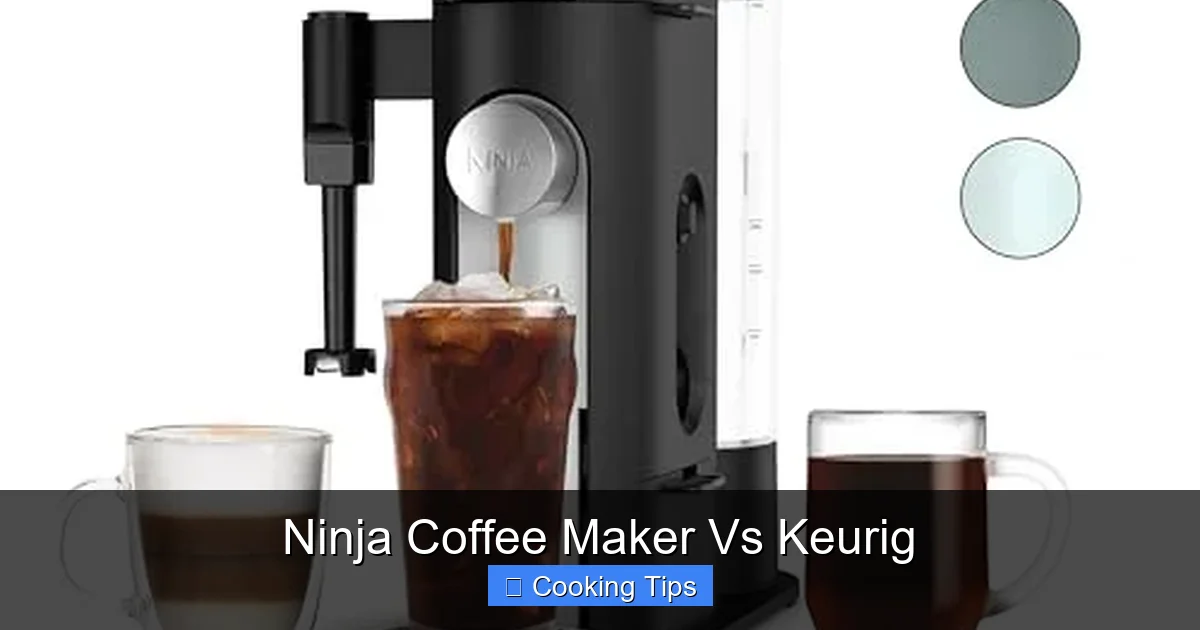
Choosing between a Ninja coffee maker and a Keurig can be tough. This guide breaks down the key differences, helping you understand their features, brewing capabilities, and overall value. Whether you prioritize versatility, speed, or flavor, we’ll help you make the right choice for your daily caffeine fix.
Ninja Coffee Maker Vs Keurig
Welcome to the ultimate showdown: Ninja Coffee Maker vs. Keurig! If you’re in the market for a new coffee machine, you’ve likely encountered these two popular brands. Both offer convenient ways to get your daily caffeine fix, but they approach it with distinct philosophies and features. This guide is designed to demystify the differences, helping you make an informed decision that perfectly suits your coffee habits and preferences. We’ll dive deep into what each brand offers, compare their brewing styles, explore their pros and cons, and even touch on maintenance and cost. Get ready to find your perfect coffee companion!
Key Takeaways
- Versatility is Key: Ninja coffee makers often offer more brewing options, including various sizes and brew strengths, while Keurigs excel in single-serve convenience.
- Flavor Profiles Differ: Ninja machines are generally lauded for producing richer, more nuanced coffee flavor due to their brewing technology, whereas Keurig focuses on speed and consistency for K-Cup pods.
- Cost Considerations: While initial purchase prices can vary, the long-term cost of K-Cups for Keurig can add up significantly compared to using ground coffee with a Ninja.
- Ease of Use: Keurig is famously simple to operate, making it ideal for those who want coffee with minimal fuss. Ninja machines, while still user-friendly, may have slightly more complex controls for advanced features.
- Environmental Impact: Reusable K-Cup filters are available for Keurig, but the sheer volume of disposable K-Cups contributes to waste. Ninja’s reliance on ground coffee is generally considered more eco-friendly.
- Maintenance Needs: Both machines require regular cleaning and descaling. Ninja machines might have slightly more components to clean due to their multi-brew functionality.
Understanding the Core Differences
Before we get into the nitty-gritty, let’s establish the fundamental differences between Ninja and Keurig. Think of Keurig as the king of single-serve convenience. Its primary innovation is the K-Cup pod system, which allows you to brew a single cup of coffee (or tea, hot chocolate, etc.) in under a minute with minimal effort. On the other hand, Ninja coffee makers are often lauded for their versatility and ability to brew larger pots of coffee, catering to those who enjoy a full carafe or want more control over their brew.
Brewing Capabilities: What Can They Make?
This is where the competition really heats up. Let’s break down what each machine is capable of brewing.
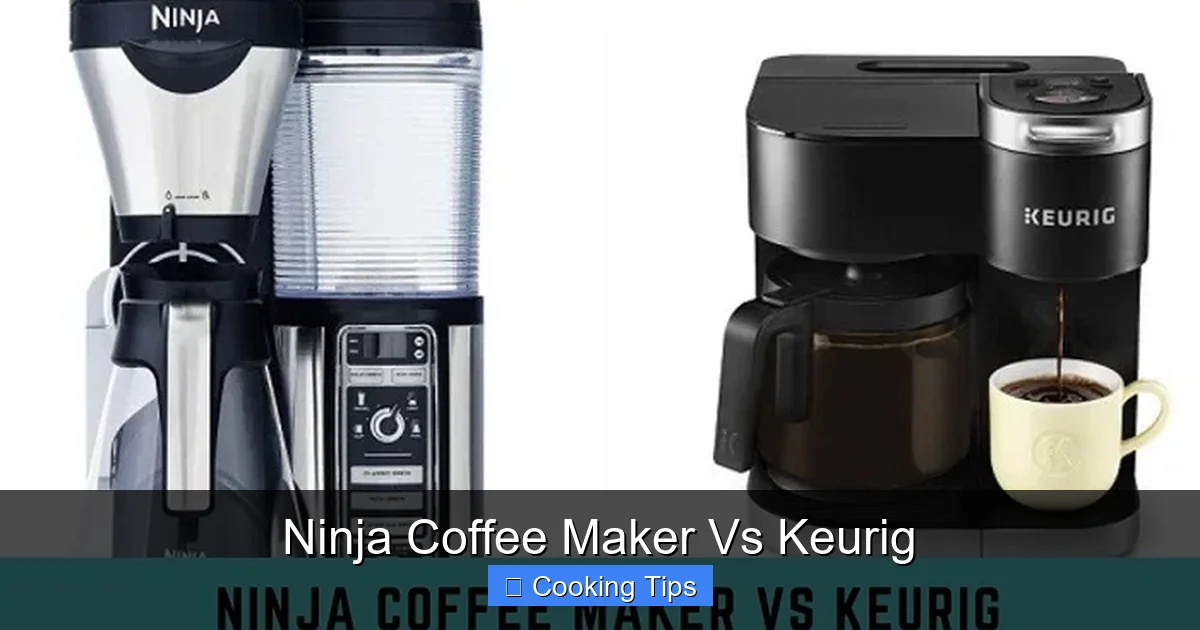
Visual guide about Ninja Coffee Maker Vs Keurig
Image source: dreamkitchenx.com
Keurig: The Single-Serve Specialist
Keurig’s raison d’être is the single-serve brew. Pop in a K-Cup, select your cup size (usually 6, 8, or 10 ounces), and hit brew. It’s incredibly straightforward.
- Single Cups: This is their bread and butter. Perfect for individuals or households where everyone has different taste preferences.
- Variety of Beverages: Beyond coffee, K-Cups come in a massive array of teas, hot chocolates, and even iced beverages.
- Hot Water Dispensing: Many Keurig models have a hot water on demand feature, useful for instant oatmeal or tea.
Some newer Keurig models are introducing “My K-Cup” reusable filters, allowing you to use your own ground coffee. However, this is an add-on, and the primary design is centered around pods.
Ninja: The All-Rounder
Ninja coffee makers are built for flexibility. They typically handle both single cups and full carafes, and many offer advanced brewing options.
- Multiple Brew Sizes: You can usually brew a single cup, a travel mug size, a half carafe, and a full carafe.
- Brew Strengths: Ninja machines often feature different brew strength settings, from classic to rich and even over-ice. This allows for more customization of your coffee’s intensity.
- Specialty Brews: Some higher-end Ninja models offer “Specialty Brew” or “Froth” functions, allowing you to make espresso-like concentrated brews for lattes and cappuccinos right at home.
- Ground Coffee Focus: Ninja machines are designed to work with your favorite ground coffee, offering a more traditional brewing experience with greater control over coffee-to-water ratios.
Flavor and Coffee Quality
When it comes to taste, opinions can be subjective, but there are general trends. Ninja often gets the edge here for its ability to produce a richer, more nuanced cup of coffee.
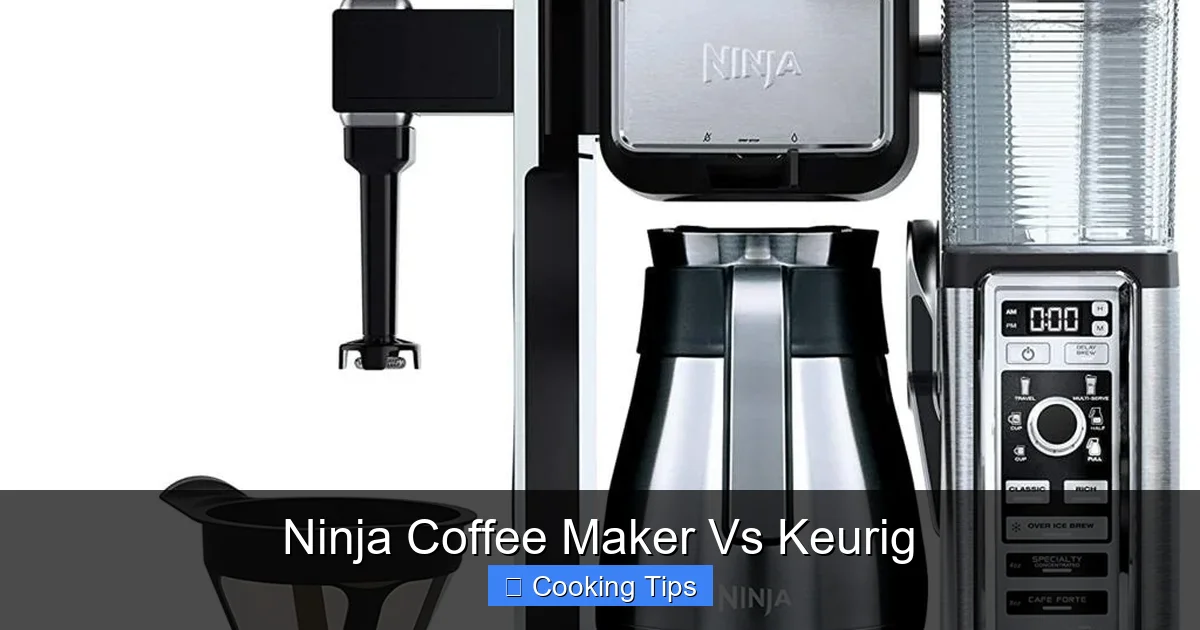
Visual guide about Ninja Coffee Maker Vs Keurig
Image source: crazycoffeecrave.com
Ninja’s Flavor Advantage
Ninja coffee makers often employ advanced brewing technologies. Many feature:
- Precise Water Temperature Control: Ensures optimal extraction of coffee flavors.
- Uniform Saturation: Their showerhead design aims to saturate the coffee grounds evenly, leading to a more balanced extraction.
- Brew Strength Customization: The ability to choose between classic, rich, or even an over-ice setting allows you to tailor the flavor profile to your liking.
This attention to detail in the brewing process generally translates to a bolder, more aromatic, and flavorful cup, especially when using high-quality fresh ground coffee.
Keurig’s Convenience-Driven Taste
Keurig’s flavor profile is often described as good, consistent, and convenient. The K-Cup system prioritizes speed and ease of use. While it brews a perfectly acceptable cup of coffee for many, it might not offer the same depth or complexity as a well-brewed pot from a Ninja.
- Pod Limitations: The flavor is largely dictated by the coffee chosen for the K-Cup. While there’s a vast selection, some coffee aficionados find that the pod format can sometimes limit the full potential of the beans.
- Consistency: The major win for Keurig is its unwavering consistency. Every cup brewed with the same K-Cup should taste virtually identical.
Ease of Use and Convenience
This is where Keurig shines, and it’s a major reason for its popularity. If you prioritize speed and simplicity above all else, Keurig is hard to beat.
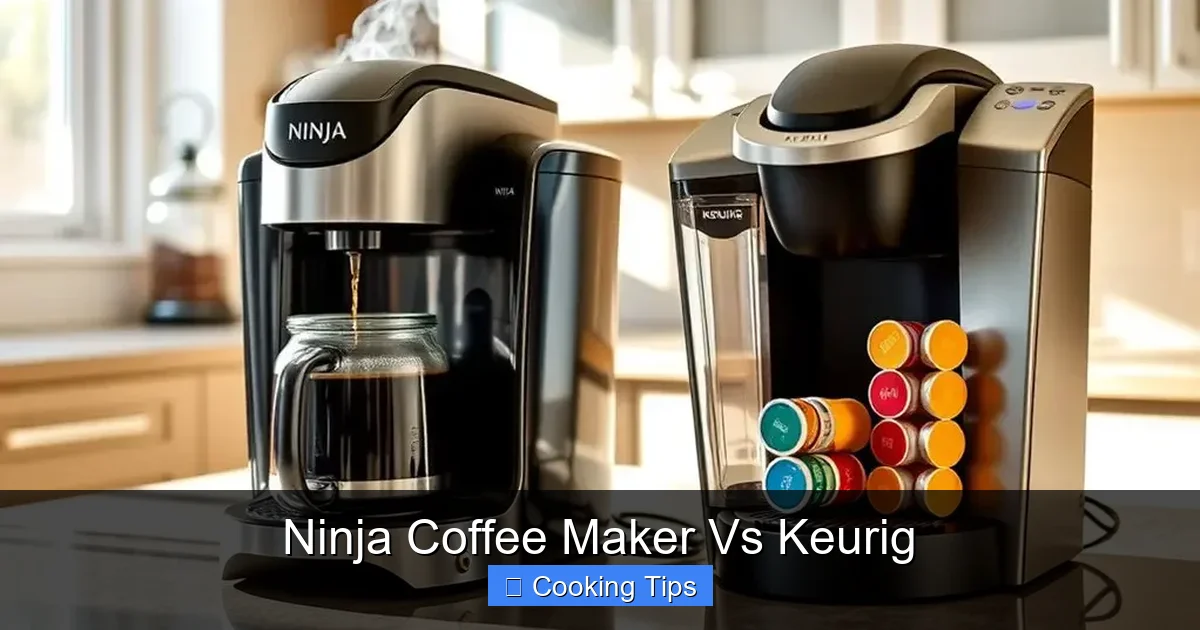
Visual guide about Ninja Coffee Maker Vs Keurig
Image source: coffeecherish.com
Keurig: The Ultimate in Simplicity
Using a Keurig is remarkably easy:
- Fill the Water Reservoir: Add filtered water to the tank.
- Insert a K-Cup: Place your chosen pod into the machine.
- Select Cup Size and Brew: Choose your desired brew size and press the brew button.
That’s it! In under a minute, you have a hot cup of coffee. No measuring, no filters to deal with (unless you use a reusable one), and minimal cleanup.
Ninja: User-Friendly with More Options
Ninja coffee makers are also designed to be user-friendly, but with more options comes slightly more complexity. The basic process is similar:
- Fill the Water Reservoir.
- Add Ground Coffee to Filter Basket: Measure your preferred amount of coffee.
- Select Brew Size and Strength: Choose your desired cup or carafe size and any special brew settings.
- Brew: Press the brew button.
While it involves an extra step of measuring coffee grounds, most people find Ninja machines intuitive. The additional buttons and settings are clearly labeled, and the manuals are generally helpful.
Cost: Initial Purchase vs. Long-Term Investment
The cost of owning a coffee maker can be broken down into two parts: the initial purchase price and the ongoing cost of consumables.
Keurig: Lower Initial Cost, Higher Pod Cost
Keurig machines themselves can range from relatively inexpensive basic models to more feature-rich premium versions. However, the real ongoing cost comes from the K-Cups. While prices vary, K-Cups are generally more expensive per cup than brewing with ground coffee. If you drink multiple cups a day, this can add up significantly over time.
- Pros: Affordable entry-level machines, wide variety of K-Cup options.
- Cons: High cost per cup for K-Cups, reusable filters can be an extra purchase and add complexity.
Ninja: Higher Initial Cost, Lower Long-Term Cost
Ninja coffee makers often have a higher upfront price tag, especially for their more advanced models. However, since they primarily use ground coffee, the cost per cup is significantly lower. A bag of coffee grounds will brew many cups, making it a more economical choice for regular coffee drinkers in the long run.
- Pros: Lower cost per cup with ground coffee, reusable grounds basket is usually included.
- Cons: Higher initial investment for the machine, you need to purchase coffee filters (paper or permanent).
Environmental Impact
Environmental concerns are increasingly important to consumers. Both systems have their environmental considerations.
Keurig: The K-Cup Conundrum
The primary environmental concern with Keurig is the waste generated by disposable K-Cup pods. Billions of these plastic pods end up in landfills each year. While some companies are working on recyclable pods, and reusable filters exist, the sheer volume of single-use plastic remains a significant issue.
Ninja: A Greener Approach
Ninja machines, by relying on ground coffee and often including reusable permanent filters, are generally considered more environmentally friendly. You’re not creating single-use plastic waste with every cup. You can also buy coffee in bulk or from local roasters, which often have more sustainable packaging options.
Maintenance and Cleaning
No coffee maker is maintenance-free. Regular cleaning is crucial for both taste and longevity.
Keurig: Simple Daily Cleaning
Daily cleaning for a Keurig is usually limited to rinsing the drip tray and wiping down the exterior. Descaling is recommended periodically (monthly or as needed, depending on water hardness and usage) to remove mineral buildup, which can affect taste and performance. This typically involves running a descaling solution or vinegar through the machine.
Ninja: A Bit More Involved
Ninja machines, with their multiple brew sizes and potential for specialty functions, might require slightly more attention. You’ll need to:
- Rinse the Brew Basket and Carafe: After each use.
- Clean the Showerhead: Some models allow for easy removal and cleaning of the showerhead to prevent clogs.
- Descale Regularly: Similar to Keurig, descaling is essential. The process might involve specific settings on the machine.
- Clean Frothers (if applicable): If your Ninja has a frothing wand, it needs to be wiped down immediately after each use.
While it might seem like more effort, keeping your Ninja clean will ensure consistently great-tasting coffee.
Who is Each Machine Best For?
Now that we’ve explored all the aspects, let’s summarize who might be happier with each option.
Choose a Keurig if:
- You prioritize speed and ultimate convenience. You want coffee ready in under a minute with zero fuss.
- You live alone or in a household with very diverse beverage preferences. K-Cups allow everyone to have their exact choice.
- You enjoy trying a wide variety of different beverages without buying multiple bags of coffee or tea.
- Your budget for the initial purchase is lower.
Choose a Ninja Coffee Maker if:
- You appreciate a richer, more flavorful cup of coffee. You’re willing to put in a little extra effort for better taste.
- You often brew for multiple people or enjoy a full carafe of coffee.
- You want control over brew strength and size.
- You want a more cost-effective solution in the long run by using ground coffee.
- You are conscious of environmental waste and prefer to avoid single-use pods.
- You enjoy experimenting with different coffee brewing methods and want versatility.
Troubleshooting Common Issues
Both machines can encounter minor issues. Here are a few common ones and how to address them.
Keurig Issues:
- Weak Coffee: Ensure you’re using the correct K-Cup size for your preference, and that the machine is descaled.
- Machine Not Brewing: Check that the water reservoir is full, the K-Cup is properly inserted, and the machine is plugged in. Sometimes a simple power cycle can resolve minor glitches.
- Error Messages: Consult your Keurig’s manual. Common error codes often relate to water temperature or brew cycle issues, frequently resolved by descaling.
Ninja Issues:
- Coffee Too Weak or Too Strong: Adjust the amount of coffee grounds you use. Ensure you’ve selected the correct brew strength setting for your desired outcome.
- Machine Not Brewing: Verify the water reservoir is full and properly seated. Ensure the brew basket is correctly inserted.
- Leaking: Check that the water reservoir and brew basket are correctly positioned. Ensure the carafe lid is properly on if brewing a full pot.
- Slow Brewing: This is often a sign that the machine needs descaling. Mineral buildup can restrict water flow.
Conclusion
The “better” coffee maker between Ninja and Keurig ultimately depends on your personal needs and priorities. If **ultimate convenience and variety in single-serve beverages** are paramount, and you don’t mind the cost of K-Cups, Keurig is a fantastic choice. However, if you crave **richer flavor, more control over your brew, the ability to make larger batches, and long-term cost savings**, a Ninja coffee maker is likely the superior option. Consider how much coffee you drink, who you’re brewing for, and what your budget looks like. Whichever you choose, enjoy your delicious, freshly brewed coffee!
