

Discover the consequences of not cleaning your air fryer regularly, leading to stubborn buildup. This guide provides practical steps to prevent and remove grease, food particles, and burnt-on residue, ensuring your air fryer performs optimally and your meals taste their best. Learn why consistent cleaning is key to maintaining your appliance’s lifespan and your food’s quality.
Key Takeaways
- Persistent Buildup is Inevitable: Infrequent cleaning of your air fryer will inevitably lead to a significant accumulation of grease, food debris, and burnt-on residue.
- Impact on Food Quality: This buildup can negatively affect the taste and texture of your food, leading to smoky flavors, uneven cooking, and even potential health concerns.
- Reduced Appliance Efficiency: A dirty air fryer struggles to circulate hot air effectively, leading to longer cooking times and less crispy results.
- Fire Hazard Risk: Accumulated grease and food particles are highly flammable, posing a significant fire risk if not cleaned regularly.
- Deterioration of Non-Stick Coatings: Harsh cleaning methods to remove stubborn buildup can damage and degrade the non-stick coating on your air fryer basket and tray.
- Preventative Cleaning is Crucial: Implementing a regular cleaning routine is far easier and more effective than tackling severe buildup later.
- Proper Tools and Techniques Matter: Using the right cleaning supplies and methods will make the process efficient and safe for your air fryer.
Not Cleaning the Air Fryer Regularly Causing Buildup
The air fryer has revolutionized our kitchens, offering a healthier and faster way to enjoy crispy, delicious meals. But like any kitchen appliance, it requires regular maintenance to keep it working at its best. One of the most common pitfalls of air fryer ownership is neglecting its cleaning. This oversight can lead to a significant buildup of grease, food particles, and burnt-on residue. In this comprehensive guide, we’ll explore why this happens, the consequences of neglecting your air fryer, and most importantly, how to prevent and effectively tackle this stubborn buildup. By the end, you’ll have the knowledge and tools to keep your air fryer in pristine condition for years to come.
Why Buildup Happens in Air Fryers
Air fryers work by circulating extremely hot air around your food at high speeds. This process is fantastic for achieving that signature crispiness, but it also means that small food particles and grease can become airborne and stick to the inner workings of your appliance. Over time, with each use, these particles accumulate.
The Role of Grease
Many foods cooked in an air fryer, even those considered healthier, release some amount of fat. This grease, when subjected to high temperatures, can liquefy and splatter. If not wiped away after each use, it cools, solidifies, and forms a sticky layer.
Unscraped Food Debris
Tiny crumbs, bits of seasoning, and remnants of batter can also become dislodged during the vigorous air circulation. These small particles bake onto the hot surfaces of the air fryer basket, tray, and even the heating element over time.
High Temperatures Accelerate Baking
The very high temperatures that make air fryers so effective also work to bake food residue and grease onto the surfaces. What might be a light smear after one use can become a hardened, stubborn stain after several uses without cleaning.
The Consequences of Neglecting Your Air Fryer
Ignoring the need to clean your air fryer might seem like a time-saver in the short term, but the long-term consequences can be significant and detrimental to both your appliance and your food.
Impact on Food Taste and Quality
This is often the first thing people notice. When old food particles and grease are heated up again with your fresh meal, they can impart a burnt, smoky, or generally unpleasant flavor. Imagine cooking delicate fish after you’ve made greasy bacon – the fish might end up tasting like bacon! Beyond taste, the buildup can also lead to uneven cooking, as the hot air circulation is obstructed.
Reduced Appliance Efficiency
A layer of grime acts as an insulator. This means the hot air can’t circulate as freely or as efficiently. As a result, your air fryer will have to work harder and for longer to cook your food, leading to longer cooking times and less crispy results. It’s like trying to run a fan with a thick layer of dust on its blades; it won’t move as much air.
Potential Health Concerns
While generally not a primary concern if minor, significantly old, burnt-on food and grease can potentially harbor bacteria. Reheating these residues alongside your food could pose a minor health risk, especially if not properly cooked through.
Fire Hazard
This is a serious consequence. Accumulated grease and food debris are highly flammable. When these deposits reach a certain temperature, they can ignite, potentially causing a grease fire inside your air fryer. This is a real danger that can damage your appliance and even your home.
Damage to Non-Stick Coatings
When the buildup becomes severely hardened and difficult to remove, people often resort to abrasive scrubbers or harsh chemicals. These can scratch and damage the delicate non-stick coatings on your air fryer basket and tray, reducing their effectiveness and lifespan.
Preventing Buildup: The Best Approach
The most effective way to deal with air fryer buildup is to prevent it from happening in the first place. This involves adopting simple, consistent cleaning habits.
After Every Use: A Quick Wipe-Down
This is your first line of defense. Once your air fryer has cooled down enough to handle safely, take a moment to perform a quick clean.
* Remove the basket and tray: Most air fryer baskets and trays are removable and dishwasher safe. If yours is, remove them and give them a quick rinse under warm water.
* Wipe down the interior: Use a damp, soft cloth or a non-abrasive sponge to wipe down the inside of the air fryer, paying attention to the bottom and sides where grease might have splattered.
* Dry thoroughly: Ensure all parts are completely dry before reassembling or storing your air fryer to prevent moisture buildup.
Dishwasher-Safe Components
Many air fryer baskets and trays are designed to be dishwasher-safe. If yours is, this makes cleaning even easier. Simply place them in the dishwasher after each use (or as per your appliance’s manual).
* Check your manual: Always refer to your air fryer’s instruction manual to confirm if its components are dishwasher-safe. Not all are, and placing them in the dishwasher might cause damage.
* Top rack is best: If using a dishwasher, it’s generally recommended to place the basket and tray on the top rack to minimize exposure to the heating element and potential harshness of the detergent.
Wipe Down the Exterior
Don’t forget the outside! A damp cloth can quickly wipe away any splatters or fingerprints from the exterior of your air fryer, keeping it looking tidy.
Tackling Stubborn Buildup: When Prevention Fails
Sometimes, despite your best efforts, some stubborn residue might remain. Don’t panic! With the right techniques, you can restore your air fryer to its former glory.
Step 1: Soak the Basket and Tray
For hardened, burnt-on food and grease, a good soak is your best friend.
* **Use warm, soapy water:** Fill your sink or a large basin with warm water and a few drops of mild dish soap.
* **Submerge the components:** Place the air fryer basket and tray into the soapy water and let them soak for at least 30 minutes. For really tough grime, you can leave them to soak for a few hours or even overnight.
Step 2: Gentle Scrubbing
After soaking, the residue should be significantly softened, making it easier to remove.
* **Use a non-abrasive sponge or brush:** A soft sponge, a silicone scrubber, or a nylon brush are ideal. Avoid steel wool or abrasive pads, as they can scratch the non-stick coating.
* **Work in circular motions:** Gently scrub the affected areas. The softened residue should lift away with moderate pressure.
* **For baked-on bits:** For very stubborn spots, you can use a plastic scraper or an old credit card to gently dislodge them after soaking. Be careful not to gouge the surface.
Step 3: Cleaning the Interior of the Air Fryer
Cleaning the inside of the main unit requires a bit more care.
* **Unplug and ensure it’s cool:** Always ensure the air fryer is unplugged and completely cool before cleaning the interior.
* **Wipe with a damp cloth:** Use a damp cloth to wipe down the inside walls and bottom.
* **For stubborn spots inside:** If there are particularly stubborn spots inside, you can use a slightly damp sponge with a tiny amount of mild dish soap. Wipe gently.
* **Never submerge the main unit:** Do not submerge the main body of your air fryer in water or place it in a dishwasher, as this can damage the electrical components.
* **Clean the heating element (carefully):** The heating element at the top can accumulate grease. Unplug the unit and, once cool, gently wipe it with a damp cloth. Some models have removable heating element covers that can be cleaned separately. Refer to your manual.
Step 4: Rinse and Dry Thoroughly
Once you’ve scrubbed and wiped, it’s crucial to rinse away any soap residue and dry everything completely.
* **Rinse all components:** Rinse the basket and tray thoroughly under running water to remove all soap.
* **Dry with a soft towel:** Use a clean, soft towel to dry all parts of the air fryer completely. This prevents water spots and ensures no moisture is left behind.
Step 5: Deep Clean for Extreme Buildup
For extremely stubborn, burnt-on grease that doesn’t budge with regular soaking and scrubbing, you might need a slightly more potent approach.
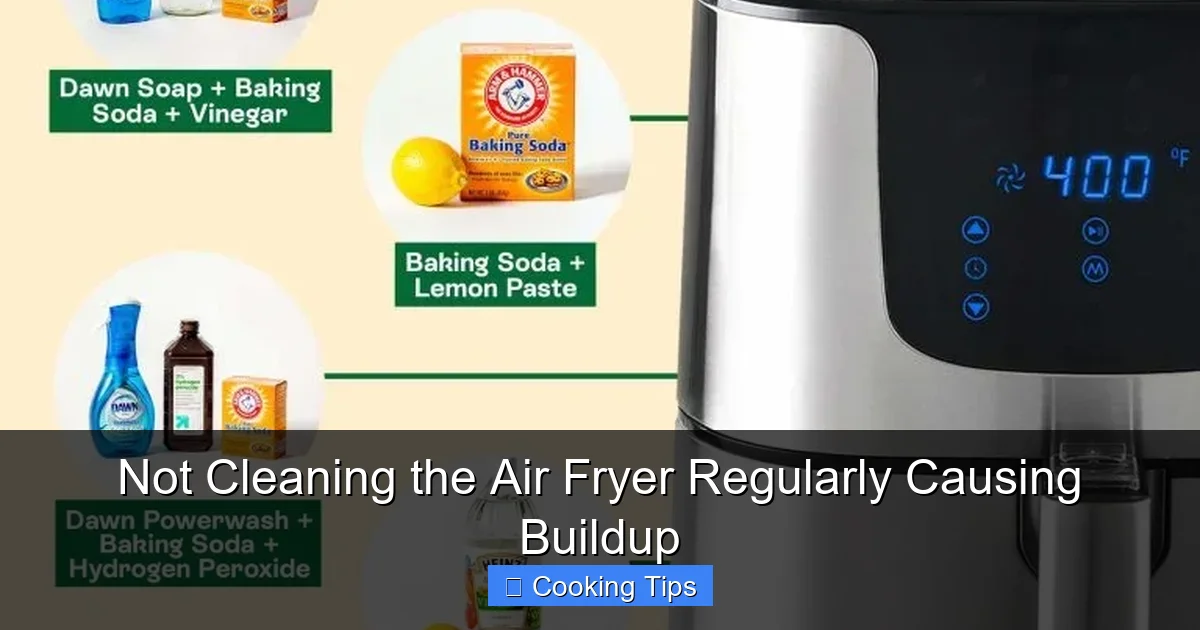
* **Baking Soda Paste:** Mix baking soda with a small amount of water to create a thick paste. Apply this paste to the stubborn areas and let it sit for 15-30 minutes. Baking soda is a gentle abrasive and can help lift tough grime. Scrub gently with a non-abrasive sponge afterwards.
* **Vinegar Solution (for interior only):** For the interior of the main unit, a mild vinegar and water solution can help cut through grease. Mix equal parts white vinegar and water in a spray bottle. Lightly spray the inside (avoiding vents and electrical components) and let it sit for a few minutes before wiping clean with a damp cloth. Always ensure the unit is unplugged and cool before using any cleaning solution.
Troubleshooting Common Buildup Issues
* Grease splatters on the heating element: If you notice grease splatters on the heating element, it’s a sign that your quick wipe-downs after each use might need to be more thorough. For cleaning, ensure the unit is unplugged and cool. Gently wipe the element with a damp cloth. If it’s severe, some manuals suggest running the air fryer empty for a few minutes at a high temperature after a thorough cleaning to burn off any remaining residue. However, do this with extreme caution and in a well-ventilated area, as it can produce smoke.
* **Stuck-on food that won’t come off:** Try repeating the soaking process for a longer duration. If that fails, try the baking soda paste method. Patience is key here; avoid aggressive scrubbing that could damage the basket.
* **Smell after cooking:** If you detect a persistent unpleasant smell even after cleaning, it might be that some residue has found its way into less accessible parts, like around the fan or heating element. A deep clean as described above, or running the air fryer empty (as mentioned above with caution), might help.
Conclusion
The convenience and health benefits of an air fryer are undeniable. However, these advantages come with the responsibility of regular maintenance. Not cleaning the air fryer regularly causing buildup is a common mistake that can compromise food quality, reduce appliance efficiency, and even pose safety risks. By adopting a routine of quick cleans after every use and occasional deeper cleans, you can easily prevent stubborn residue from forming. Remember, a little effort goes a long way in ensuring your air fryer continues to deliver perfectly crispy, delicious meals for years to come. Invest a few minutes in cleaning, and you’ll reap the rewards of a well-maintained, high-performing kitchen essential.
