

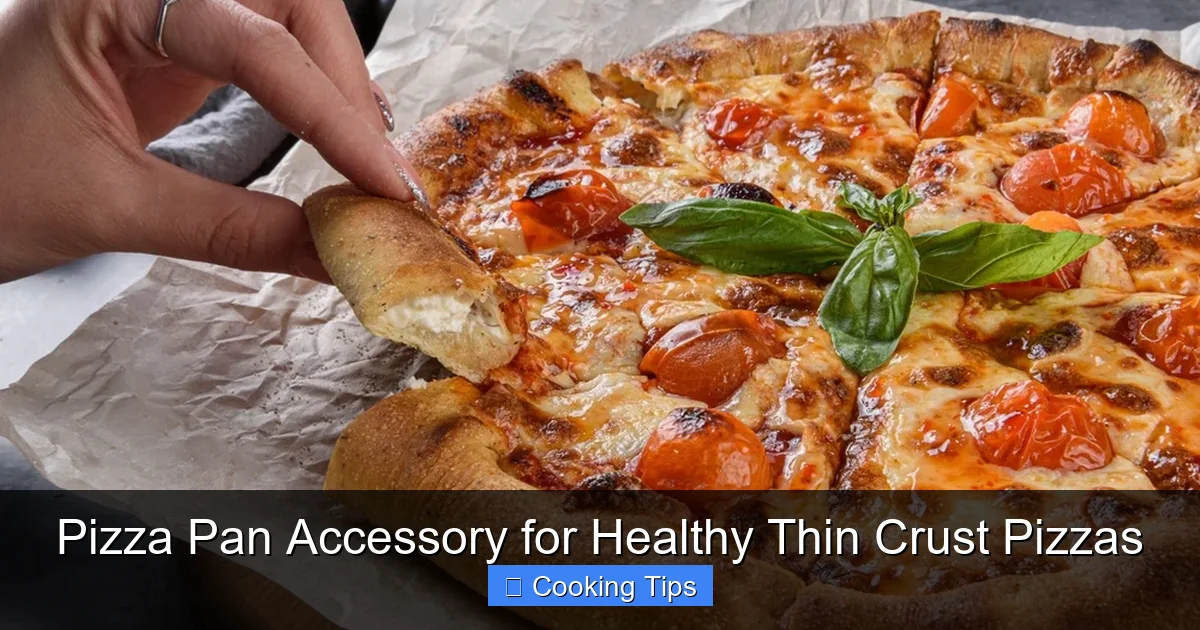
Discover how a dedicated pizza pan accessory can revolutionize your homemade healthy thin crust pizzas. This guide explains how to select the ideal accessory, from perforated pans to pizza stones, and provides step-by-step instructions for achieving that perfect crispy crust every time. Unlock the secrets to healthier, more delicious thin crust pizzas right in your own kitchen!
Are you dreaming of delicious, crispy thin crust pizzas that won’t weigh you down? In 2026, making healthier food choices at home is easier than ever, and homemade pizza is no exception! Gone are the days of soggy bottoms and greasy edges. With the right pizza pan accessory, you can transform your oven into a pizzeria and bake perfectly thin, wonderfully crisp pizzas every single time. This comprehensive guide will walk you through everything you need to know about using a pizza pan accessory to achieve healthier, mouthwatering thin crust pizzas.
We’ll cover how to choose the best accessory for your needs, how to prepare your dough and toppings for optimal results, and the essential steps to baking that flawless thin crust. Get ready to elevate your pizza game!
Key Takeaways
- Understand the Benefits: Explore how specific pizza pan accessories enhance thin crust pizza by promoting even cooking and crispiness, while allowing for healthier ingredient choices.
- Choosing the Right Accessory: Learn the key differences between popular options like perforated pizza pans, pizza stones, and pizza steels to find the one that best suits your cooking style and oven.
- Preheating is Crucial: Grasp the importance of adequately preheating your chosen pizza pan accessory for optimal heat transfer and a perfectly crisp crust.
- Dough Preparation Matters: Discover tips for preparing thin crust dough that complements your chosen accessory, focusing on hydration and thickness.
- Topping Strategies for Health: Get advice on healthy topping combinations and how to apply them effectively to thin crust pizza without making it soggy.
- Mastering the Bake: Follow detailed instructions for baking your thin crust pizza to perfection, ensuring a golden-brown, crispy base.
- Care and Maintenance: Learn how to properly clean and maintain your pizza pan accessory to ensure its longevity and continued performance.
Why Use a Pizza Pan Accessory for Thin Crust?
Traditional baking sheets can often lead to uneven cooking, resulting in a less-than-ideal thin crust. They trap moisture, making your pizza soggy in the center and potentially burnt on the edges. A specialized pizza pan accessory, however, is designed to tackle these issues head-on.
Promoting Even Heat Distribution
Many pizza pan accessories are made from materials that conduct heat exceptionally well, like aluminum, steel, or ceramic. This ensures that the heat reaches your pizza dough evenly, from the center all the way to the edges.
Enhancing Crispiness
The key to a great thin crust is crispiness. Accessories like perforated pizza pans allow hot air to circulate underneath the pizza, drawing out moisture and creating that satisfying crunch. Pizza stones and steels achieve this through intense heat absorption and radiation.
Supporting Healthier Baking
When you make pizza at home with a specialized accessory, you have complete control over your ingredients. You can opt for whole wheat flours, lean proteins, and plenty of fresh vegetables. A crispier crust also means you might find you need less cheese or can get away with lighter sauces.
Choosing the Right Pizza Pan Accessory

Visual guide about Pizza Pan Accessory for Healthy Thin Crust Pizzas
Image source: kroger.com
The world of pizza pan accessories is diverse, each offering unique benefits. For healthy thin crust pizzas, understanding these differences will help you make the best choice.
Perforated Pizza Pans
These are often made of aluminum or steel and are covered in small holes.
How they work: The holes allow steam to escape from the bottom of the pizza while it bakes. This is crucial for preventing a soggy crust and achieving excellent crispiness. They are also great for even heat distribution.
Best for: Home cooks who want a consistently crisp crust without a lot of fuss. They are generally affordable and easy to clean.
Pizza Stones
Typically made from ceramic, cordierite, or composite materials, pizza stones are designed to absorb and retain a lot of heat.
How they work: When preheated, a pizza stone radiates intense heat to the dough. This mimics the environment of a brick oven, giving your pizza a wonderfully chewy and crispy crust.
Best for: Those seeking an authentic, artisan-style crust. They require proper preheating and can be more fragile than metal pans.
Pizza Steels
These are heavy-duty steel plates that are excellent heat conductors.
How they work: Similar to pizza stones, steels absorb and radiate heat. However, steel transfers heat much faster than stone, leading to an incredibly fast bake and a very crisp crust. They are also far more durable.
Best for: Pizza enthusiasts who want the fastest bake time and the crispiest crust possible. They are heavier and can be more expensive.
Preparing for Perfection: Dough and Toppings
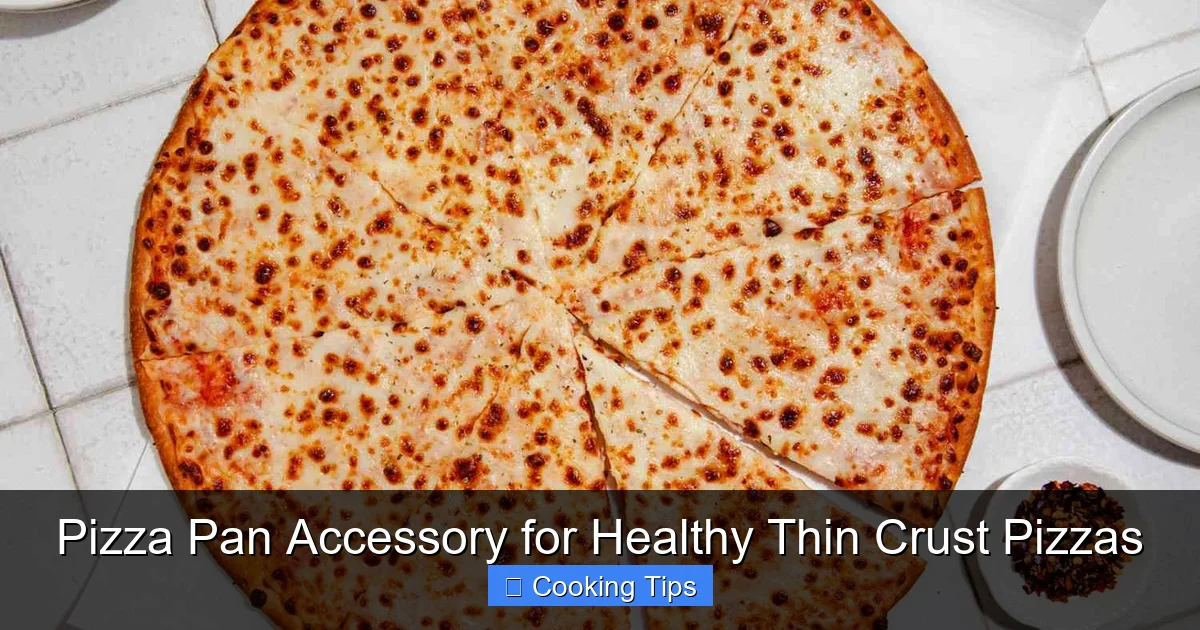
Visual guide about Pizza Pan Accessory for Healthy Thin Crust Pizzas
Image source: allrecipes.com
The pizza pan accessory is only one part of the equation. Your dough and topping choices play a significant role in the final healthy thin crust pizza.
Crafting Your Healthy Thin Crust Dough
For a healthy thin crust, consider using whole wheat flour or a blend of whole wheat and all-purpose flour. This adds fiber and nutrients.
Dough Thickness is Key
When rolling out your dough, aim for a consistent thickness of about 1/8 to 1/4 inch. Too thick, and it won’t get crispy; too thin, and it might burn or tear.
Hydration Levels
While very high hydration doughs can be great for Neapolitan-style pizzas, for thin crust, a slightly lower hydration level (around 60-65%) can make the dough easier to handle and result in a crisper bake.
Smart Topping Strategies for a Healthier Pizza
The beauty of homemade pizza is the ability to load it with healthy ingredients.
Lean Proteins
Opt for grilled chicken breast, lean turkey sausage, or shrimp. Avoid processed meats like pepperoni and high-fat sausages if you’re aiming for a healthier option.
Abundant Vegetables
Load up on fresh vegetables! Bell peppers, onions, mushrooms, spinach, broccoli, and zucchini are all fantastic choices. Pre-sautéing watery vegetables like mushrooms or zucchini can help prevent excess moisture from making your crust soggy.
Lighter Sauces
A simple tomato sauce made from crushed tomatoes, garlic, and herbs is a great base. You can also explore pesto or even a light layer of olive oil and garlic for a white pizza.
Strategic Cheese Usage
While cheese is delicious, a little goes a long way. Consider using part-skim mozzarella, or sprinkle on some of the cheese after the pizza has baked for the last few minutes to prevent it from becoming overly greasy. Nutritional yeast can also add a cheesy flavor with fewer calories and fat.
Step-by-Step: Baking Your Healthy Thin Crust Pizza

Visual guide about Pizza Pan Accessory for Healthy Thin Crust Pizzas
Image source: allrecipes.com
Now, let’s put it all together! The following steps will guide you through baking your pizza using your chosen accessory.
Step 1: Preheating Your Oven and Accessory
This is arguably the most crucial step for achieving a crispy thin crust.
* Set your oven temperature: For most pizza pan accessories, a high temperature is best. Aim for 475°F to 500°F (245°C to 260°C).
* Preheat your accessory: Place your perforated pan, pizza stone, or pizza steel in the oven *while it preheats*. This allows the accessory to reach the oven’s temperature and become intensely hot.
* Preheating Time: For pizza stones and steels, preheat for at least 30-45 minutes after the oven reaches temperature. Perforated pans can be preheated for about 15-20 minutes.
Step 2: Preparing Your Dough and Toppings
* Shape your dough: Lightly flour your work surface and gently stretch or roll your prepared thin crust dough to your desired shape and thickness. If using a perforated pan, you can shape the dough directly on a piece of parchment paper that fits the pan, or on a lightly floured pizza peel.
* Transfer to your accessory (or prep surface):
* Perforated Pan: If using parchment paper, slide the parchment with dough onto the preheated perforated pan in the oven. If shaping directly on the pan (without parchment), dust the pan lightly with cornmeal or semolina first.
* Pizza Stone/Steel: You’ll want to assemble your pizza on a pizza peel (a flat paddle) dusted with cornmeal or semolina. Once assembled, you’ll slide it onto the hot stone or steel.
Step 3: Assembling Your Pizza
Work quickly to prevent the dough from sticking or getting soggy.
* Sauce: Spread a thin layer of your chosen healthy sauce, leaving a small border for the crust.
* Cheese: Distribute your cheese evenly, remembering to use it sparingly for a healthier option.
* **Toppings:** Arrange your prepared healthy toppings. Avoid overcrowding, as this can lead to steaming rather than baking.
Step 4: Baking the Pizza
* Transfer to Oven:
* **Perforated Pan (with parchment):** Carefully slide the parchment with the assembled pizza onto the preheated pan in the oven.
* **Perforated Pan (without parchment):** If you shaped the dough directly on the floured pan, carefully place the entire pan into the oven.
* **Pizza Stone/Steel:** With a swift, confident motion, slide the assembled pizza off the pizza peel and onto the preheated stone or steel.
* Bake Time: Thin crust pizzas bake quickly! Depending on your oven and accessory, this can range from 8 to 15 minutes.
* Monitor for Doneness: Look for a golden-brown crust, bubbling cheese, and cooked toppings. For extra crispiness, you can sometimes remove the pizza from the parchment paper (if used) during the last few minutes of baking and place it directly on the perforated pan, stone, or steel.
Step 5: Cooling and Serving
* Remove from Oven: Use your pizza peel or oven mitts to carefully remove the pizza from the oven.
* Cooling: Let the pizza rest on a wire rack for a minute or two before slicing. This allows the crust to finish crisping up and prevents the toppings from sliding off.
* Slice and Enjoy!
Troubleshooting Common Issues
Even with the best tools, you might encounter a few bumps along the way.
Issue: Soggy Crust
* Cause: Not enough preheating time for your accessory, dough too thick, too many wet toppings, or sauce too heavy.
* Solution: Ensure your accessory is thoroughly preheated. Roll your dough thinner. Pre-cook watery vegetables. Use sauces sparingly.
Issue: Crust Sticking to the Pan/Peel
* Cause: Insufficient cornmeal/semolina, dough too wet, or not enough confidence during the transfer.
* **Solution:** Use a generous amount of cornmeal or semolina on your peel or pan. Make sure your dough isn’t overly sticky. A quick, decisive slide is key.
Issue: Burnt Edges, Undercooked Center
* Cause: Oven temperature too high in certain spots, or dough is unevenly thin.
* Solution:** Rotate your pizza halfway through baking. Ensure your dough is rolled to a consistent thickness. Consider moving your oven rack to a different position if you consistently have hot spots.
Care and Maintenance of Your Pizza Pan Accessory
To ensure your pizza pan accessory serves you well for years to come, proper care is essential.
Perforated Pans
* **Cleaning:** Most perforated pans are dishwasher safe, but handwashing with warm, soapy water is often recommended to preserve their non-stick properties (if applicable) and prevent scratching.
* **Storage:** Store in a dry place. Avoid stacking heavy items on top of them, especially if they are thin aluminum.
Pizza Stones
* **Cleaning:** Never use soap or detergent on a pizza stone, as it can absorb the chemicals. Scrape off excess food with a spatula when cool, and then wipe with a damp cloth. You can also use a stiff brush.
* **Seasoning:** Some pizza stones benefit from seasoning over time, developing a natural non-stick surface.
* **Storage:** Store in a dry place. Be careful when handling and storing, as they can chip or break.
Pizza Steels
* **Cleaning:** Clean with a stiff brush or scraper after cooling. For stubborn bits, you can use a small amount of water and mild soap, but ensure it’s thoroughly dried afterward to prevent rust.
* **Seasoning/Rust Prevention:** Some steels are seasoned. If yours isn’t, a light coating of food-grade oil after cleaning and thorough drying can help prevent rust.
Conclusion
Embracing a pizza pan accessory is a game-changer for anyone who loves thin crust pizza and wants to make healthier choices. By understanding the benefits, selecting the right tool for your kitchen, and following these simple steps, you’re well on your way to enjoying delicious, crispy, and guilt-free thin crust pizzas at home. Say goodbye to takeout and hello to your new favorite homemade healthy meal!
