

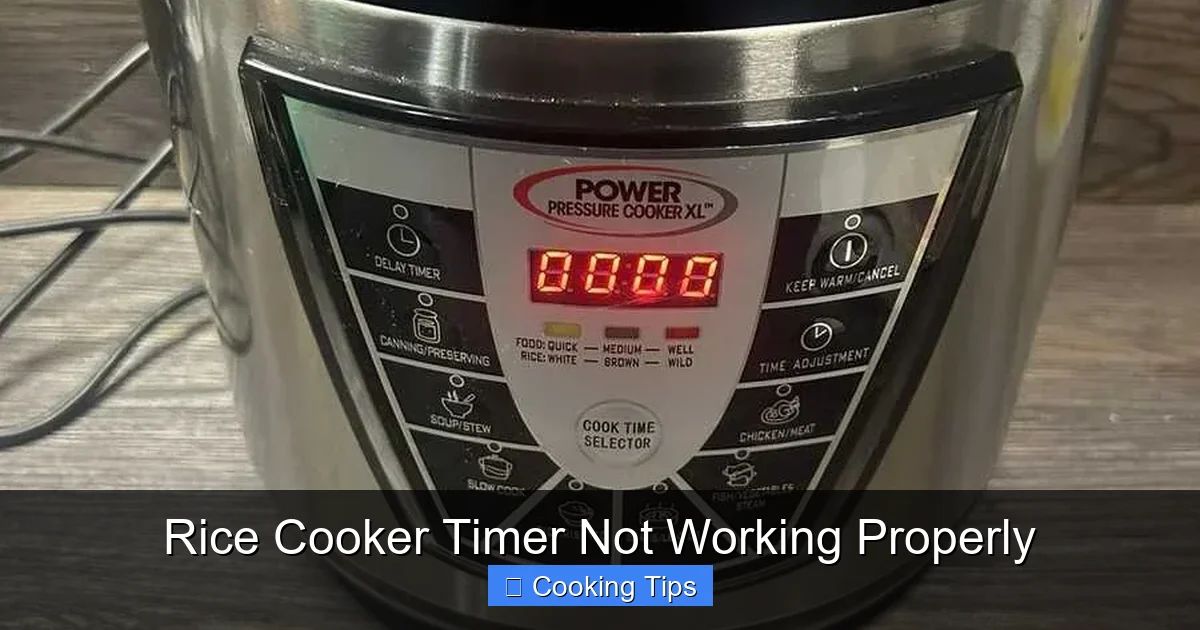
Experiencing issues with your rice cooker timer? Don’t worry, this guide will help you diagnose and resolve common timer problems. From simple power checks to understanding internal mechanisms, we’ll provide clear, step-by-step solutions to get your rice cooker timer back on track. Enjoy perfectly cooked rice without the fuss!
- Power Supply Issues: The most common reason for a malfunctioning timer is a lack of proper power, either due to a faulty outlet, a loose cord, or a tripped circuit breaker.
- Incorrect Settings: Users might inadvertently select the wrong cooking mode or delay timer setting, leading the rice cooker to not function as expected.
- Internal Component Failure: Over time, internal components like the thermostat, heating element, or the timer itself can wear out or fail, requiring repair or replacement.
- Clogged Vents or Sensors: Buildup of rice grains or residue can obstruct vents or sensors, preventing the cooker from accurately sensing water levels or temperature.
- Damage or Wear and Tear: Physical damage to the control panel, buttons, or cords can directly impact the timer’s functionality.
- Water Level and Rice Amount: Incorrect water-to-rice ratios can confuse the cooker’s sensors, sometimes leading to unexpected timer behavior.
Rice Cooker Timer Not Working Properly
There’s nothing quite like the convenience of a rice cooker. You add your ingredients, press a button, and walk away, confident that perfectly cooked rice will be waiting for you. But what happens when the timer on your trusty rice cooker decides to take an early vacation? A rice cooker timer not working properly can be incredibly frustrating, leaving you with undercooked or overcooked rice, or worse, no rice at all.
This guide is here to help you get to the bottom of the problem. We’ll walk you through common reasons why your rice cooker timer might be acting up and provide practical, step-by-step solutions to get it back in working order. Whether it’s a simple fix or something a bit more involved, you’ll learn how to diagnose and, in many cases, repair your rice cooker timer.
Understanding Your Rice Cooker Timer
Before diving into troubleshooting, it’s helpful to understand how your rice cooker timer typically works. Most modern rice cookers have digital or analog timers that control the cooking cycle.
* **Digital Timers:** These are common on advanced models and often feature an LED or LCD display. They allow you to set specific cooking times, select different rice types, and use delay start functions. The timer is usually controlled by electronic circuits and a small internal clock.
* **Analog Timers:** Found on simpler models, these often use a dial or a single button to initiate the cooking process. The “timer” in these cases is more of a simple on/off switch linked to a thermostat that detects when the water has evaporated and the rice is cooked.
When your rice cooker timer isn’t working, it could be an issue with the power supply, the settings you’ve chosen, or a problem with the internal components.
Step 1: Check the Power Supply
This might seem obvious, but it’s the most common culprit for any malfunctioning appliance. A rice cooker timer won’t work if it’s not receiving power.
Verify the Outlet
Start by ensuring the rice cooker is plugged into a working electrical outlet. Try plugging another small appliance into the same outlet to confirm it’s live. If the outlet is dead, check your home’s circuit breaker box and reset any tripped breakers.
Visual guide about Rice Cooker Timer Not Working Properly
Image source: images.nexusapp.co
Inspect the Power Cord
Carefully examine the power cord of your rice cooker. Look for any visible signs of damage, such as fraying, cuts, or kinks. A damaged cord can prevent power from reaching the appliance, including its timer mechanism. If the cord is damaged, it’s crucial to stop using the rice cooker immediately and consider professional repair or replacement of the cord.
Ensure Proper Connection
Make sure the power cord is securely plugged into both the wall outlet and the rice cooker itself. Sometimes, a slightly loose connection can be enough to cause intermittent power issues, affecting the timer.
Step 2: Review Your Settings
Incorrect settings are another frequent reason why a rice cooker timer might not seem to be working. It’s easy to accidentally press the wrong button or select a mode that isn’t what you intended.
Confirm the Correct Cooking Mode
Most rice cookers have various modes, such as “White Rice,” “Brown Rice,” “Quick Cook,” or “Steam.” Ensure you’ve selected the appropriate mode for the type of rice you’re cooking. Some modes might have different cooking durations or require specific water ratios, which can affect the perceived timer function. For example, if you’re trying to make sticky rice and select the “White Rice” setting, it might not yield the expected results and could confuse the timer.
Visual guide about Rice Cooker Timer Not Working Properly
Image source: images.nexusapp.co
Check the Delay Start Function
Many modern rice cookers have a “Delay Start” or “Timer” function that allows you to set the cooker to start at a later time. If this function is accidentally activated, the rice cooker might appear to be “off” or not starting its cooking cycle immediately. Double-check that you haven’t set a delay start time. Refer to your rice cooker’s manual for instructions on how to clear or set this function properly. This is a common oversight, especially if you’re new to using a particular model, like a Black and Decker rice cooker.
Reset the Rice Cooker
If you suspect you might have entered an incorrect setting, try resetting the rice cooker. Unplug it from the power source for a few minutes, then plug it back in. This often clears any temporary electronic glitches and allows you to start fresh with your settings.
Step 3: Inspect for Blocked Vents and Sensors
Rice cookers rely on sensors and vents to accurately monitor temperature and water levels. If these are blocked, they can interfere with the timer and cooking process.
Clean the Interior
After each use, it’s important to clean the inner pot and the lid of your rice cooker. However, pay special attention to any small vents or steam release holes on the lid and the base of the cooker. Rice grains, starchy residue, or mineral deposits can accumulate in these areas.
Visual guide about Rice Cooker Timer Not Working Properly
Image source: images.nexusapp.co
Locate and Clean Sensors
Some rice cookers have sensors located in the bottom of the cooker, often around where the inner pot sits. These sensors help the cooker determine when the rice is cooked. Carefully wipe these sensors with a damp cloth to remove any debris. Avoid using abrasive cleaners or scouring pads that could damage the sensors. Over time, these sensors can also be affected by incorrect water levels, which can lead to issues like mushy rice and disrupt the timer’s accuracy.
Step 4: Consider Internal Component Issues
If the basic checks don’t resolve the problem, it’s possible that an internal component of your rice cooker has failed. This is more common in older or heavily used appliances.
The Thermostat
The thermostat is a crucial component that tells the rice cooker when to switch from cooking mode to keep-warm mode. If the thermostat is faulty, it might not accurately detect when the water has evaporated, causing the timer to stop prematurely or not at all.
The Heating Element
The heating element provides the energy to cook the rice. If it’s malfunctioning, the rice cooker might not heat up properly, and the timer may not proceed as expected. You might notice that the rice is not cooking or the cooker is taking an unusually long time.
The Timer Mechanism Itself
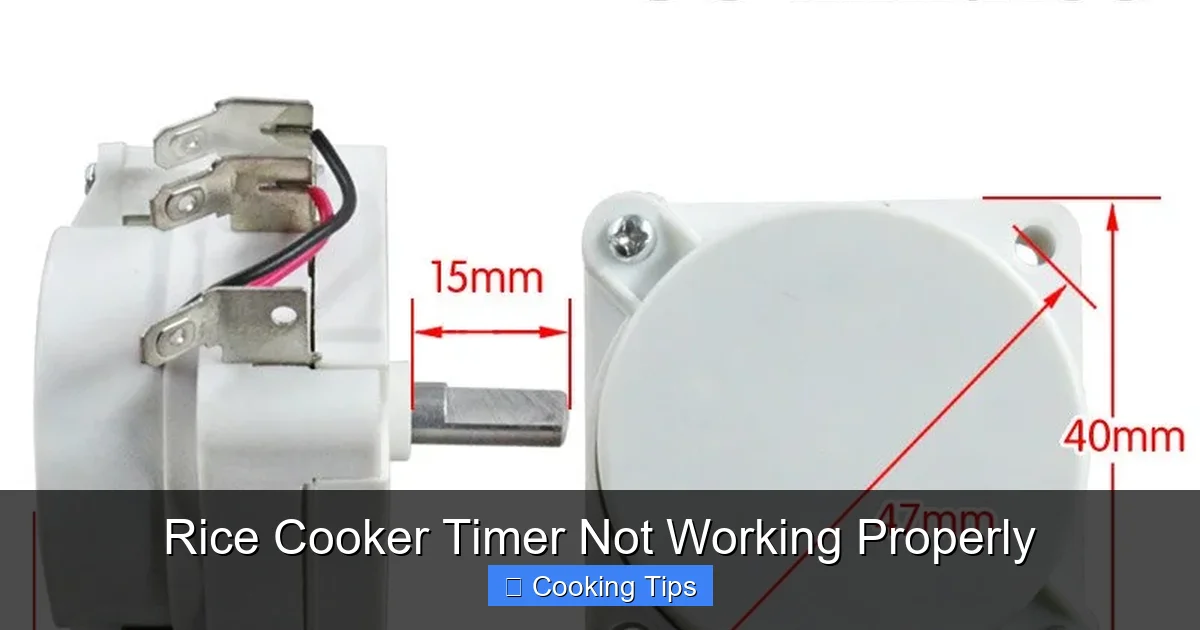
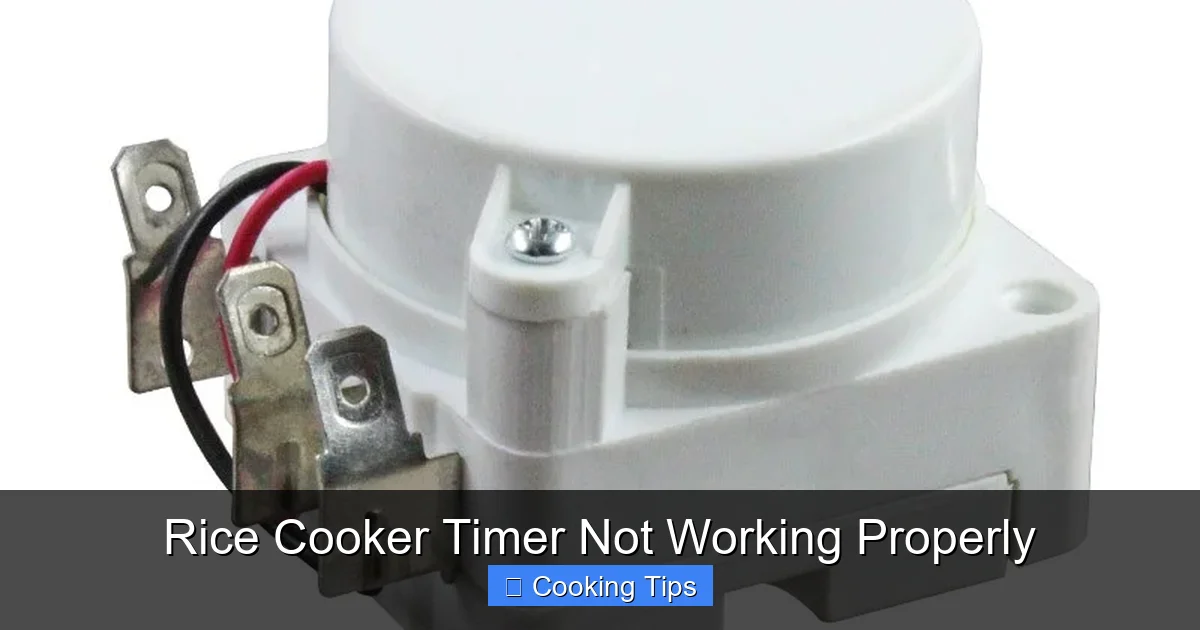
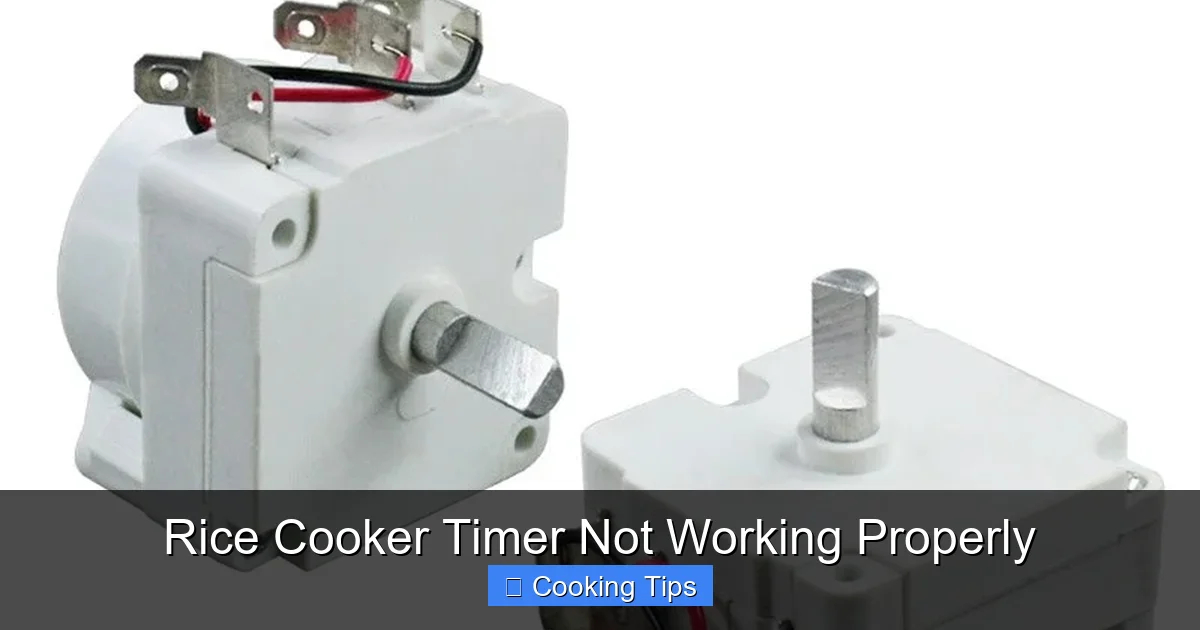
For digital rice cookers, the electronic timer circuit board could be the issue. For older models with mechanical timers, the internal gears or springs might be worn out or broken.
When to Seek Professional Repair or Replacement
Addressing internal component issues often requires technical expertise and specialized tools. If you’ve gone through the previous steps and your rice cooker timer still isn’t working, it might be time to:
- Consult the Manufacturer: Check your warranty. If your rice cooker is still under warranty, contact the manufacturer for repair or replacement options.
- Seek a Repair Service: For out-of-warranty units, you can look for local appliance repair services. However, the cost of repair might sometimes exceed the cost of a new rice cooker.
- Consider Replacement: If your rice cooker is old, damaged, or the repair cost is prohibitive, it might be more economical to purchase a new one.
It’s important to note that attempting to repair internal electrical components without proper knowledge can be dangerous and could further damage the appliance.
Step 5: Addressing “Keep Warm” Function Issues
Sometimes, the primary cooking timer seems to work, but the “keep warm” function timer, or the transition to it, is problematic.
Understanding “Keep Warm”
The “keep warm” setting is designed to maintain a safe, edible temperature for cooked rice for an extended period. This function is usually activated automatically by the thermostat once the cooking cycle is complete. If this transition is faulty, the rice might get cold, or the cooker might display an error.
Troubleshooting “Keep Warm”
- Incorrect Water Ratio: As mentioned, the correct water to rice ratio is vital. If there’s too much or too little water, the cooker might not signal the end of the cooking cycle correctly, impacting the “keep warm” timer. Understanding the ratio of water to rice in a rice cooker is fundamental.
- Faulty Thermostat: A common cause for “keep warm” issues is a malfunctioning thermostat that doesn’t accurately detect the temperature drop or the absence of water.
- Power Fluctuations: Intermittent power supply can also disrupt the “keep warm” function’s timer.
Step 6: Common Rice Cooker Mistakes Affecting Timers
Many everyday practices can inadvertently lead to timer issues. Being aware of these common rice cooker mistakes can help you avoid them.
Using the Wrong Inner Pot
Always use the inner pot that came with your specific rice cooker model. Using a different pot, especially one that doesn’t sit flush or conduct heat properly, can confuse the cooker’s sensors and affect the timer’s operation.
Overfilling the Rice Cooker
Exceeding the maximum fill line can cause the starch to boil over and potentially damage internal components or clog sensors, impacting the timer. Always adhere to the manufacturer’s fill guidelines.
Not Rinsing Rice Properly
While not directly a timer issue, not rinsing rice can lead to excess starch. This excess starch can sometimes cause the cooker to misjudge the cooking time or temperature, indirectly affecting the timer’s expected cycle completion.
Using Incompatible Ingredients
Some ingredients, like certain types of grains or very fatty items, might require different cooking methods or longer times. Trying to cook them using standard rice settings could lead to unexpected timer behavior.
Practical Tips for Optimal Rice Cooker Performance
To ensure your rice cooker and its timer function optimally for years to come, consider these tips:
* Read Your Manual: Every rice cooker is different. Familiarize yourself with your specific model’s features, buttons, and recommended usage.
* Regular Cleaning: Make a habit of cleaning your rice cooker thoroughly after each use. Pay attention to all parts, including vents and sensors.
* Proper Storage: Store your rice cooker in a clean, dry place. Ensure the cord is neatly wrapped and not kinked.
* Handle with Care: Avoid dropping or mishandling the rice cooker, especially the control panel and lid.
* Use Correct Ingredients: Stick to cooking rice and compatible grains as recommended by the manufacturer. Avoid using it for tasks it wasn’t designed for, such as steaming large amounts of vegetables or meats.
When is it Time to Replace Your Rice Cooker?
Deciding whether to repair or replace your rice cooker depends on several factors:
* Age of the appliance: Older appliances are more prone to component failure.
* Cost of repair: If the repair cost is close to the price of a new, comparable rice cooker, replacement is often the wiser choice.
* Severity of the damage: If the damage is extensive or involves critical safety components, replacement is usually recommended.
* Availability of parts: For older or niche models, finding replacement parts can be difficult and expensive.
Conclusion
A rice cooker timer not working properly can be a frustrating experience, but it’s often a solvable problem. By systematically checking the power supply, verifying your settings, cleaning vital components, and understanding potential internal issues, you can frequently get your rice cooker back to its reliable self. Remember to always consult your owner’s manual and prioritize safety when troubleshooting any appliance. With a little patience and these steps, you can soon be enjoying perfectly cooked rice again without the worry of a faulty timer.
