

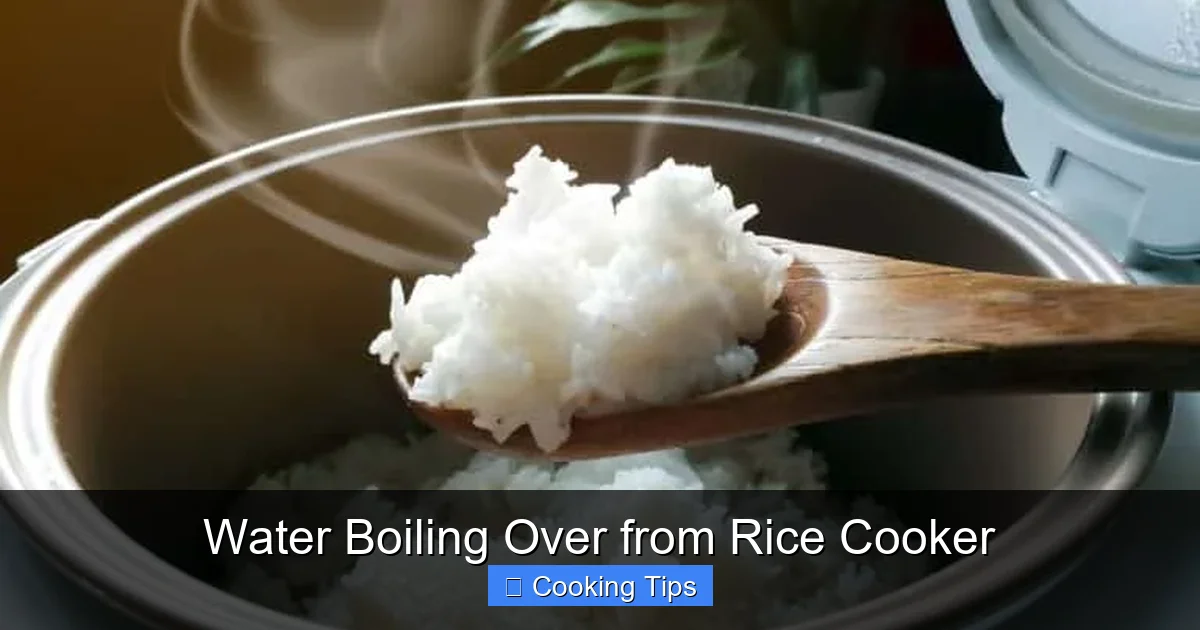
Discover how to prevent your rice cooker from boiling over. This guide explains the common culprits, like too much water or the wrong rice type, and offers practical, easy-to-follow solutions. By understanding these issues and implementing simple adjustments, you can ensure a clean and successful rice cooking experience every time.
Water Boiling Over from Rice Cooker
There’s nothing quite like the smell of freshly cooked rice. It’s a staple in so many kitchens and a comforting part of countless meals. But what happens when your rice cooker decides to throw a watery tantrum, bubbling over and making a mess? It’s a frustrating experience that can leave you with sticky rice on your countertops and a sense of culinary defeat.
If you’ve ever faced the dreaded overflow, you’re not alone. Many home cooks encounter this issue at some point. The good news is that understanding why it happens is the first step to preventing it. This comprehensive guide will walk you through the common causes of rice cooker overflow and provide simple, actionable steps to ensure your rice cooks perfectly every time, without the mess. We’ll cover everything from measuring your ingredients correctly to understanding your appliance’s quirks.
- Too Much Water: The most common reason for rice cooker overflow is using an incorrect rice-to-water ratio. Always measure precisely.
- Type of Rice Matters: Some rice varieties, like sticky rice, absorb more water and can cause overflow if not prepared correctly.
- Over-Rinsing: Excessive rinsing can remove starches that help control foaming, leading to bubbling over.
- Clean Rice Cooker: Residue in the inner pot can interfere with heat distribution and contribute to overflow.
- Correct Lid Placement: Ensure the lid is properly sealed to allow steam to escape through the designated vent.
- Avoid Overfilling: Even with the correct ratio, filling the pot too high can lead to overflow as the rice expands.
Understanding Why Water Boils Over
Before we dive into solutions, let’s quickly touch on the science behind the overflow. When you cook rice, the grains absorb water and heat up. This process releases steam. If too much water is present, or if the steam can’t escape properly, it builds up pressure inside the cooker. This pressure forces the water and starchy liquid up and out through any available openings, typically the lid or the steam vent. It’s a natural reaction to an imbalance of ingredients or an obstructed escape route.
Step-by-Step Guide to Preventing Rice Cooker Overflow
Preventing your rice cooker from boiling over is all about precision and understanding the basics of rice cooking. Let’s break it down into actionable steps.
Step 1: Master the Rice to Water Ratio
This is, without a doubt, the most frequent culprit behind a rice cooker overflow. Using too much water is the primary reason for excessive bubbling and spillage.
H3: Measure Your Rice Accurately
Always use a standard measuring cup for your rice. Don’t eyeball it! A slight overestimation of rice can significantly impact the water needed.
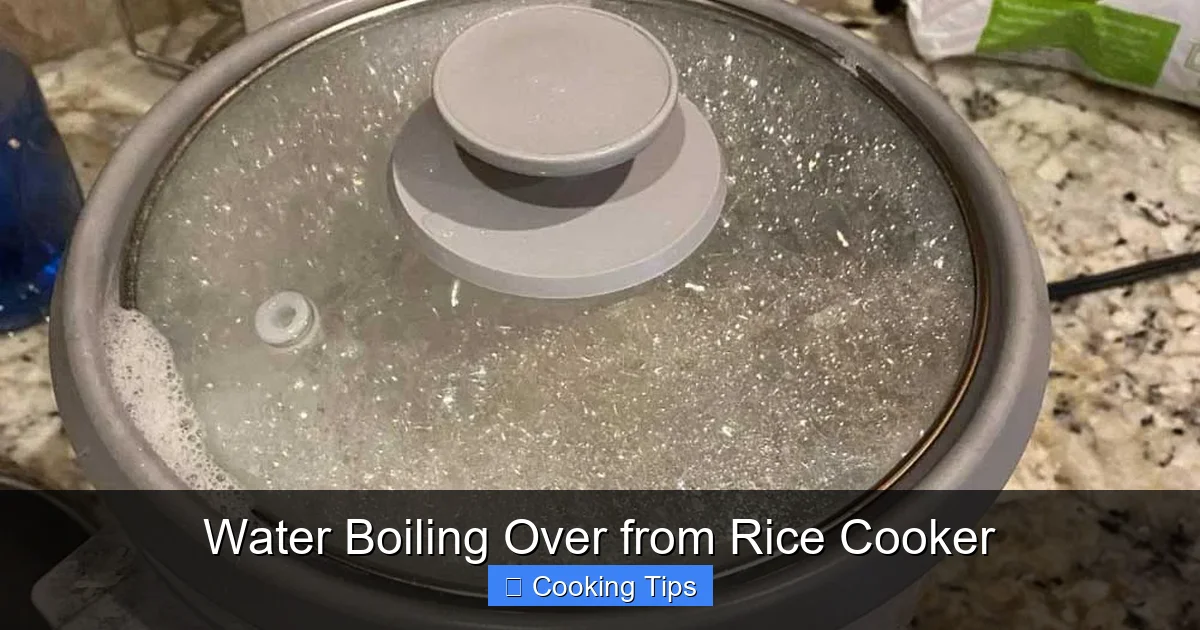
Visual guide about Water Boiling Over from Rice Cooker
Image source: kitchenflock.com
Visual guide about Water Boiling Over from Rice Cooker
Image source: kitchenadvising.com
H3: Measure Your Water Precisely
Once you’ve measured your rice, use the corresponding amount of water. Most rice cookers come with markings inside the inner pot that indicate the water level for specific amounts of rice. Use these as a guide. If your cooker doesn’t have these markings, or you’re using a different type of rice, it’s crucial to know the correct rice to water ratio. For many common white rice varieties, a 1:1.5 or 1:2 ratio (rice to water) is a good starting point. For a detailed explanation on this, be sure to check out our guide on what is the ratio of water to rice in a rice cooker.
H3: Consider the Type of Rice
Different types of rice behave differently. Brown rice, for example, typically requires more water and a longer cooking time than white rice. Similarly, certain specialty rices might have unique requirements. If you’re making something like sticky rice, you’ll definitely want to follow specific instructions for that type, as it’s prone to sticking and requires a particular water balance. Learning about rice cooking methods for various grains is key.
Step 2: Rinse Your Rice (But Don’t Overdo It)
Rinsing rice is a standard practice to remove excess starch, which can make rice clumpy or mushy. However, over-rinsing can sometimes lead to overflow issues.
H3: The Purpose of Rinsing
Rinsing removes surface starch. This starch can create a thick, foamy liquid as it boils, which is a major contributor to overflow. The goal is to remove *enough* starch, not all of it.
Visual guide about Water Boiling Over from Rice Cooker
Image source: live.staticflickr.com
H3: How to Rinse Correctly
Place your measured rice in a bowl or colander. Add water, swirl the rice with your hand, and drain the cloudy water. Repeat this process 2-3 times, or until the water runs mostly clear. Avoid vigorous scrubbing or rinsing until the water is perfectly transparent, as this can remove too much starch.
Step 3: Check Your Rice Cooker’s Inner Pot
The condition of your rice cooker’s inner pot plays a role in how evenly heat is distributed and how well the cooking process works.
H3: Keep it Clean
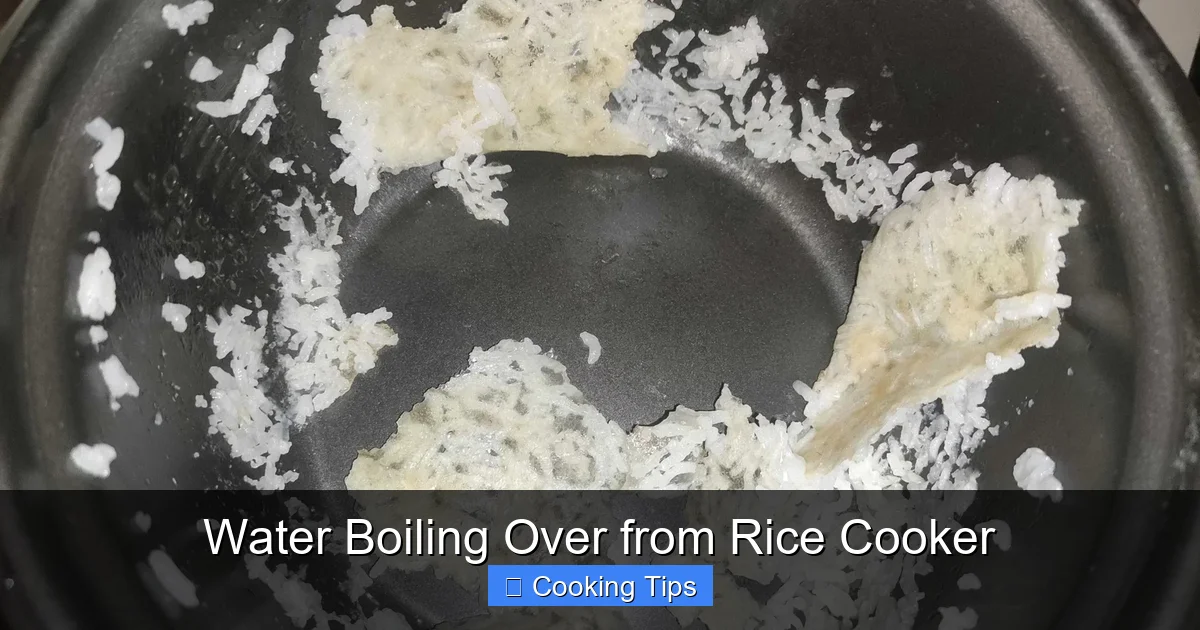
Ensure the inside of the inner pot is clean and free from any old rice residue or burnt-on bits. These can disrupt the cooking process and contribute to uneven heating, potentially leading to boiling over. Regularly cleaning your rice cooker is a simple habit that prevents many common rice cooker mistakes.
H3: Inspect for Damage
Check the inner pot for any scratches or dents. While minor imperfections might be okay, significant damage could affect its performance.
Step 4: Proper Lid Placement and Steam Vent Check
The lid is designed to trap heat and moisture, but it also has a crucial role in managing steam.
H3: Secure the Lid
Make sure the lid is properly seated on the rice cooker. Most modern rice cookers have a secure locking mechanism or a snug fit. A loose lid allows steam to escape prematurely, which can affect cooking time, but a lid that is *too* tightly sealed without a proper vent can trap steam and cause pressure buildup.
H3: Clear the Steam Vent
Almost all rice cookers have a small steam vent, usually on the lid. This vent is essential for releasing excess steam safely. Make sure this vent is not blocked by rice, water, or any debris. A blocked vent can cause steam to build up and force water out from under the lid.
Step 5: Don’t Overfill the Rice Cooker
Even with the perfect rice-to-water ratio, filling the inner pot too high can lead to overflow, especially as the rice expands during cooking.
H3: Observe the Fill Lines
Pay attention to the maximum fill lines marked inside your rice cooker’s inner pot. These lines are not just suggestions; they are there to ensure safe and effective cooking. Never fill the pot beyond the highest marked line, even if you are cooking a larger batch.
H3: Consider Rice Expansion
Remember that rice expands significantly as it cooks. A cup of dry rice can easily double or even triple in volume once cooked. If you are cooking a large quantity, ensure you have enough headspace for this expansion.
Step 6: Monitor the Cooking Process (Especially Initially)
While rice cookers are designed to be hands-off, a little monitoring can go a long way, particularly when you’re trying to avoid overflow.
H3: The First Few Minutes are Crucial
The most vigorous boiling and foaming usually occur in the first 10-15 minutes after the cooker starts its heating cycle. If you suspect an overflow is imminent, you might need to pause the cooking cycle briefly or even lift the lid for a second (be careful of the steam!). Some people find that quickly wiping away any initial beads of condensation from the lid’s rim can help.
H3: Understand Your Cooker’s Settings
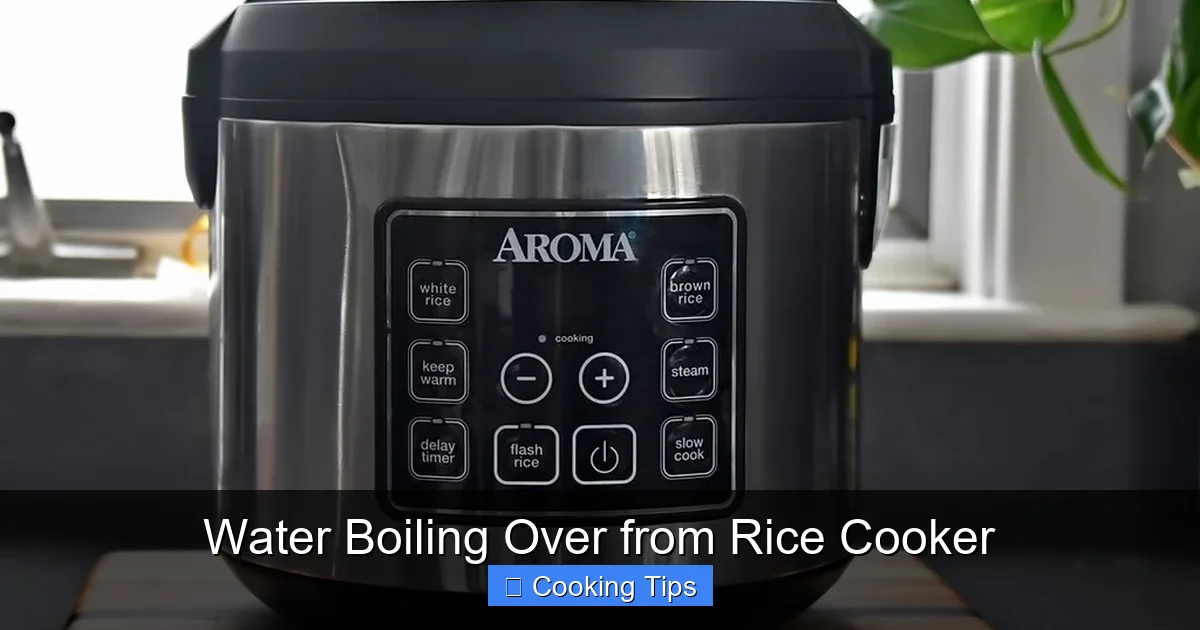
Familiarize yourself with how your specific rice cooker operates. Different models, like a Black and Decker rice cooker, might have slightly different heating patterns or steam release mechanisms. Knowing your appliance is key.
Troubleshooting Common Overflow Issues
Even with the best intentions, you might still encounter overflow. Here are some common scenarios and how to address them.
Issue: Overflowing with specific types of rice
Solution: This often points to an incorrect water ratio for that particular grain. Try increasing the rice portion slightly relative to the water, or research the specific water requirements for that rice type. For instance, making sticky rice requires a different approach than standard long-grain white rice.
Issue: Overflowing even with the correct ratio
Solution: This could be due to over-rinsing, a dirty pot, or a blocked steam vent. Double-check all these factors. Also, ensure you aren’t overfilling the pot. Sometimes, using a very small amount of oil or butter in the water can help reduce foaming, though this is less common and should be used with caution.
Issue: Rice seems undercooked but water boiled over
Solution: This is a tricky one. It often means the water boiled over *too quickly*, before all the water could be absorbed and the rice could cook through. This points back to an excessive water or rice amount, or a very vigorous boil. Try reducing the water slightly next time or ensuring your rice grains are evenly distributed in the pot.
Tips for Perfectly Cooked Rice
Beyond just preventing overflow, here are a few extra tips for achieving rice perfection:
- Let it rest: After the cooking cycle is complete, let the rice sit, covered, for about 10-15 minutes. This allows the residual steam to finish cooking the grains and makes the rice fluffier.
- Fluff gently: Use a rice paddle or fork to gently fluff the rice before serving. This separates the grains and prevents them from clumping.
- Experiment with water: While ratios are important, sometimes small adjustments can make a difference based on your specific rice cooker, the age of your rice, and even the humidity of your kitchen.
- Consider the heat level: If you are cooking on a stovetop, managing the heat is crucial. You want a rolling boil initially, then a gentle simmer. Understanding the best heat level for boiling water is a fundamental cooking skill.
Conclusion
Dealing with a rice cooker overflow can be a messy and discouraging experience, but it doesn’t have to be a recurring problem. By understanding the fundamental reasons why it happens – primarily an imbalance in the water-to-rice ratio, improper rinsing, or steam management issues – you can take proactive steps to prevent it.
Remember, precision in measurement, a clean cooking environment, and paying attention to your appliance’s design (like the steam vent) are your best allies. With a little practice and by following the steps outlined in this guide, you’ll be well on your way to consistently cooking delicious, perfectly textured rice without any watery surprises. Enjoy your perfectly cooked rice!
