

Discover the “Rice Rule,” a simple yet effective method for achieving perfectly cooked rice. This guide breaks down the essential ratio and techniques, ensuring your rice is never mushy or undercooked. Learn how to master this fundamental cooking skill for consistently delicious results. The Rice Rule is your key to rice perfection!
What Is the Rice Rule
Rice. It’s a staple in kitchens all around the world, a versatile grain that forms the base of countless delicious meals. From fragrant Indian biryanis to comforting Italian risottos and simple side dishes, rice is truly a culinary chameleon. Yet, for many home cooks, achieving that perfect, fluffy, individual grain can feel like a culinary mystery. Too often, rice ends up either a sticky, gummy mess or dry and crunchy.
If you’ve ever found yourself frustrated with your rice cooking results, you’re in the right place. Today, we’re going to demystify the process by introducing you to the “Rice Rule.” This simple, fundamental principle is the secret to consistently delicious, perfectly cooked rice every single time. You’ll learn everything you need to know, from the basic ratio to the nuances of different rice types and essential cooking techniques.
By the end of this guide, you’ll be a rice-cooking pro, confident in your ability to create fluffy, flavourful rice that will elevate any dish. So, let’s dive in and unlock the magic of the Rice Rule!
Key Takeaways
- The Core Ratio: The fundamental “Rice Rule” is typically a 1:2 ratio of uncooked rice to water (or other cooking liquid) by volume.
- Rice Types Matter: Different rice varieties (long-grain, short-grain, brown rice) may require slight adjustments to the water ratio and cooking time.
- Rinsing is Crucial: Rinsing rice before cooking removes excess starch, preventing stickiness and promoting individual, fluffy grains.
- Proper Technique: Beyond the ratio, the method of simmering, covering tightly, and resting the rice is vital for optimal texture.
- Troubleshooting Common Issues: Understand how to fix undercooked, mushy, or scorched rice using simple adjustments.
- Versatile Application: Mastering the “Rice Rule” allows you to confidently cook rice as a side dish, in pilafs, or as a base for countless meals.
Understanding the “Rice Rule”
At its heart, the “Rice Rule” is a culinary guideline that simplifies the process of cooking rice. It’s based on a consistent ratio of liquid to rice, ensuring that the grains absorb just the right amount of moisture to become tender and fluffy without turning mushy.
The Basic Ratio: Rice to Liquid
The most common and widely accepted “Rice Rule” is a **1:2 ratio** of uncooked rice to water, measured by volume. This means for every one cup of uncooked rice, you will use two cups of water.
* Example: If you’re cooking 1 cup of white rice, you’ll need 2 cups of water. If you’re cooking 2 cups of white rice, you’ll need 4 cups of water.
This ratio is a fantastic starting point for most types of white rice, particularly long-grain varieties like Basmati or Jasmine. It allows for sufficient steam to generate and cook the rice evenly while providing enough liquid for absorption.
Why This Ratio Works
When rice cooks, it absorbs water and expands. The heat of the water turns to steam, which is trapped by a lid. This trapped steam continues to cook the rice gently, ensuring even doneness. The 1:2 ratio is ideal because it provides enough liquid to hydrate all the rice grains fully and create enough steam to cook them through, but not so much that the rice becomes waterlogged and sticky.
Factors That Influence the Rice Rule
Visual guide about What Is the Rice Rule
Image source: i.redd.it
While the 1:2 ratio is a golden standard, it’s important to understand that a few factors can influence how much liquid you might need. This is where the “Rice Rule” becomes more of a flexible guideline than a rigid law.
Type of Rice
Different types of rice have varying starch content and absorption properties. This means the ideal water ratio can sometimes shift.
* Long-Grain White Rice (Basmati, Jasmine): The 1:2 ratio is usually perfect. These rice types are less starchy and tend to cook up fluffy.
* Medium-Grain White Rice: You might find that 1:1.5 to 1:1.75 ratio works well, as these grains are a bit starchier and can become sticky if over-watered.
* Short-Grain White Rice (Sushi Rice): These are very starchy. Often, a 1:1.25 to 1:1.5 ratio is preferred to achieve that characteristic slightly sticky texture ideal for sushi.
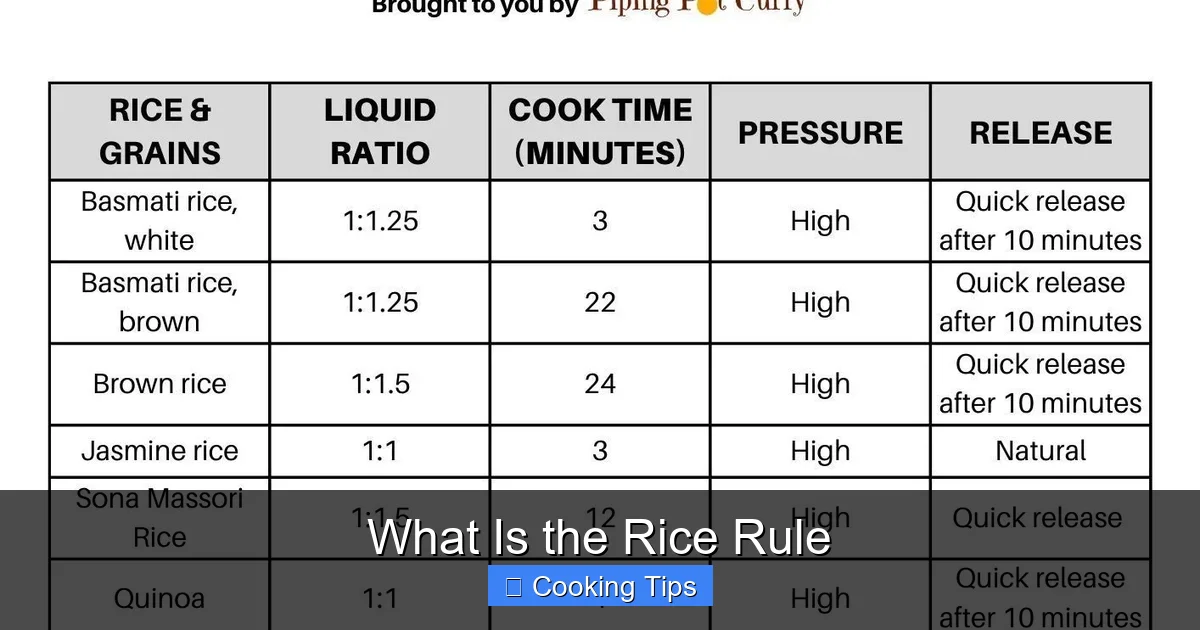
* Brown Rice: Brown rice has an outer bran layer that makes it denser and requires more liquid and time to cook. For most brown rice, a 1:2.5 or even 1:3 ratio is recommended. Start with 1:2.5 and adjust if needed.
* Wild Rice: Wild rice is technically a grass seed and has a chewier texture. A 1:3 or 1:4 ratio is often used.
Altitude
At higher altitudes, water boils at a lower temperature. This means it takes longer for water to evaporate and steam to build up. You may need to add a little extra liquid (about 1-2 tablespoons per cup of rice) and potentially extend the cooking time slightly.
Cooking Pot Material and Seal
A heavy-bottomed pot with a tight-fitting lid is ideal. If your lid isn’t very tight, steam can escape, potentially leading to drier rice. In such cases, you might need a touch more liquid. Conversely, a pot that seals exceptionally well might retain moisture more effectively, so keep an eye on it.
Step-by-Step Guide to Cooking Rice Using the Rice Rule
Visual guide about What Is the Rice Rule
Image source: thumbs.dreamstime.com
Now that you understand the foundational principles, let’s walk through the actual process of cooking rice using the “Rice Rule.” Follow these steps for perfectly fluffy rice.
Step 1: Measure Your Rice
The first step is crucial: accurate measurement. Use a standard measuring cup to measure the amount of uncooked rice you wish to cook. It’s best to measure your rice before rinsing it.
Step 2: Rinse the Rice (Crucial Step!)
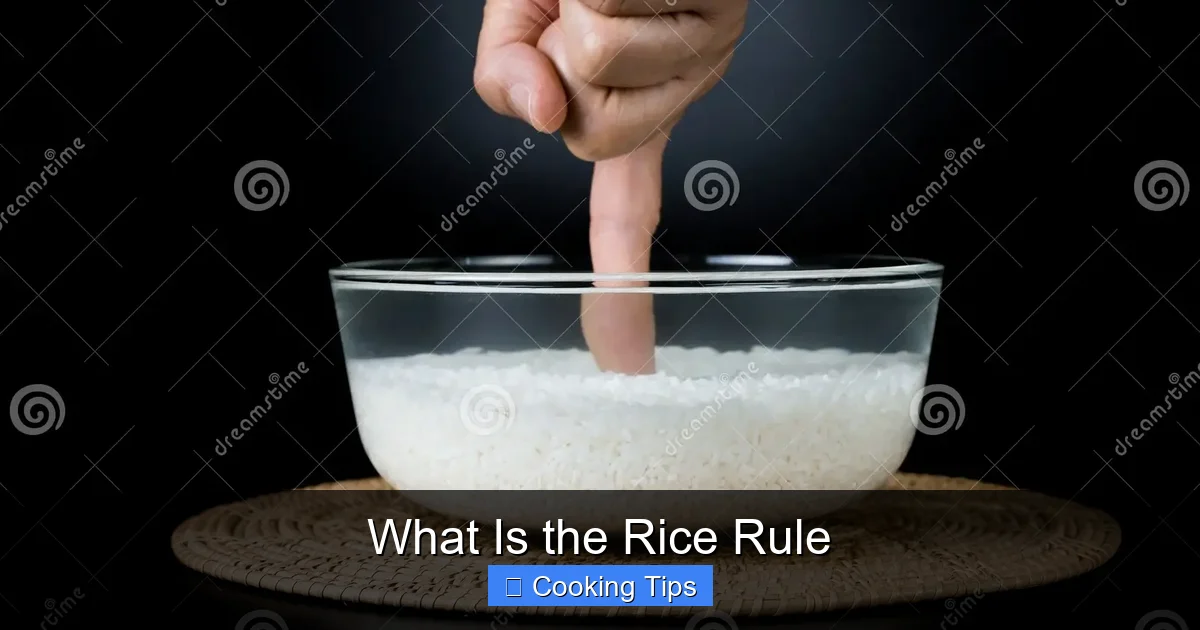
This step is often overlooked, but it’s vital for achieving fluffy, non-sticky rice. Rinsing removes excess surface starch.
* H3: How to Rinse Rice Effectively
1. Place the measured rice in a fine-mesh sieve.
2. Under cold running water, gently agitate the rice with your fingers.
3. Continue rinsing until the water runs mostly clear. For some varieties, like sushi rice, you might rinse until the water is very clear to remove as much starch as possible. For others, a slightly cloudy rinse is acceptable.
Step 3: Combine Rice and Liquid in a Pot
Choose a pot that is large enough to hold the rice and liquid comfortably, with room for expansion.
* Add the rinsed rice to the pot.
* Add the measured amount of cold water or other cooking liquid according to your chosen ratio (e.g., 2 cups of water for 1 cup of rice).
Step 4: Add Optional Seasonings
This is your opportunity to add flavour to your rice.
* Salt: A pinch of salt (about 1/2 teaspoon per cup of uncooked rice) enhances the flavour of the rice.
* Butter or Oil: A small amount of butter or oil (about 1 teaspoon per cup of rice) can add richness and help prevent sticking.
* Other Aromatics: You can add whole spices like cardamom pods, cloves, or a bay leaf, or a knob of ginger for extra flavour.
Step 5: Bring to a Boil
Place the pot on the stove over medium-high heat. Bring the water and rice mixture to a rolling boil.
Step 6: Reduce Heat and Simmer
Once boiling, immediately reduce the heat to the lowest possible setting. The goal is to maintain a gentle simmer, not a vigorous boil.
* Cover the pot tightly with a lid. Ensure a good seal to trap the steam. If your lid is loose, you can place a piece of foil or a clean kitchen towel between the pot and the lid.
Step 7: Cook Undisturbed
This is where patience comes in. Let the rice simmer, covered, for the recommended cooking time.
* Cooking Times:
* White Rice (Long-grain, Basmati, Jasmine): 15-20 minutes.
* Brown Rice: 40-50 minutes.
* Sushi Rice: 15-20 minutes.
**Crucially, resist the urge to lift the lid!** Every time you lift the lid, you release precious steam that is essential for cooking the rice evenly.
Step 8: Rest the Rice
Once the cooking time is up, turn off the heat. Let the pot sit, still covered, for another 5-10 minutes. This resting period allows the remaining steam to finish cooking the rice and for the moisture to distribute evenly.
Step 9: Fluff the Rice
After resting, carefully remove the lid. Use a fork or a rice paddle to gently fluff the rice. This separates the grains and gives it that desirable light and fluffy texture.
Beyond the Basic: Cooking Rice with Other Liquids
Visual guide about What Is the Rice Rule
Image source: pipingpotcurry.com
The “Rice Rule” isn’t limited to water. You can use various liquids to cook rice, infusing it with added flavour and depth.
* Broth or Stock: Chicken, vegetable, or beef broth can transform plain rice into a flavourful side dish. Use the same 1:2 ratio as water.
* Coconut Milk: For a rich, tropical flavour, replace some or all of the water with coconut milk. You might need to adjust the ratio slightly as coconut milk is thicker than water; start with 1:1.75 coconut milk to water and adjust based on preference.
* Wine or Beer: A splash of white wine or light beer can add a subtle, sophisticated flavour to rice, especially for pilafs. Use it in place of a portion of the water.
When using liquids other than water, remember that they might contain salt or other flavourings, so adjust your seasoning accordingly.
Troubleshooting Common Rice Cooking Problems
Even with the “Rice Rule,” you might occasionally encounter issues. Here’s how to troubleshoot:
My Rice is Undercooked and Crunchy
* Cause: Not enough liquid, lid not sealed properly, or not enough cooking time.
* Solution: Add a tablespoon or two of hot water, cover tightly, and simmer for another 5-10 minutes. You can also try adding a bit more liquid and cooking for a longer duration.
My Rice is Mushy and Gummy
* Cause: Too much liquid, rice was over-stirred, or wrong rice variety for the ratio.
* Solution: If it’s just slightly mushy, spread it out on a baking sheet and let it air dry for a bit. If it’s very gummy, it’s harder to rescue, but you can try incorporating it into dishes where stickiness is acceptable, like fried rice or rice puddings. For future cooking, try reducing the water slightly for that type of rice.
My Rice is Scorched on the Bottom
* Cause: Heat too high, pot too thin, or not enough liquid at the bottom.
* Solution: Gently scrape away the scorched bits. You can try to salvage the rest of the rice by transferring it to a clean bowl and fluffing it. For next time, ensure your heat is on the absolute lowest setting and use a good quality pot. Adding a bit more liquid can also help prevent scorching.
The Rice Rule: A Foundation for Culinary Creativity
Mastering the “Rice Rule” is more than just learning how to cook a basic side dish. It’s about gaining a fundamental cooking skill that opens up a world of culinary possibilities. Perfectly cooked rice is the foundation for:
* Flavorful Pilafs: Infuse your rice with herbs, spices, vegetables, and nuts.
* Delectable Risottos: While risotto has its own specific technique, understanding rice absorption is key.
* **Satisfying Stir-fries:** Fluffy rice is the perfect canvas for vibrant stir-fried dishes.
* **Hearty Grain Bowls:** Use your perfectly cooked rice as a base for healthy and delicious grain bowls.
* **Comforting Soups and Stews:** Add a scoop of rice to thicken and add substance to your favourite soups and stews.
By understanding the simple ratio and the essential techniques, you can confidently prepare rice that is not only delicious but also enhances every meal you create.
Conclusion
The “Rice Rule” is a simple, effective, and accessible method for achieving consistently perfect rice. By adhering to the basic 1:2 ratio (and understanding how to adjust it for different rice types), rinsing your rice thoroughly, cooking it properly, and allowing it to rest, you can bid farewell to mushy or crunchy grains forever. This foundational skill will empower you to create a wide array of delicious dishes with confidence. So, the next time you reach for that bag of rice, remember the “Rice Rule” – your secret weapon for culinary success. Happy cooking!
